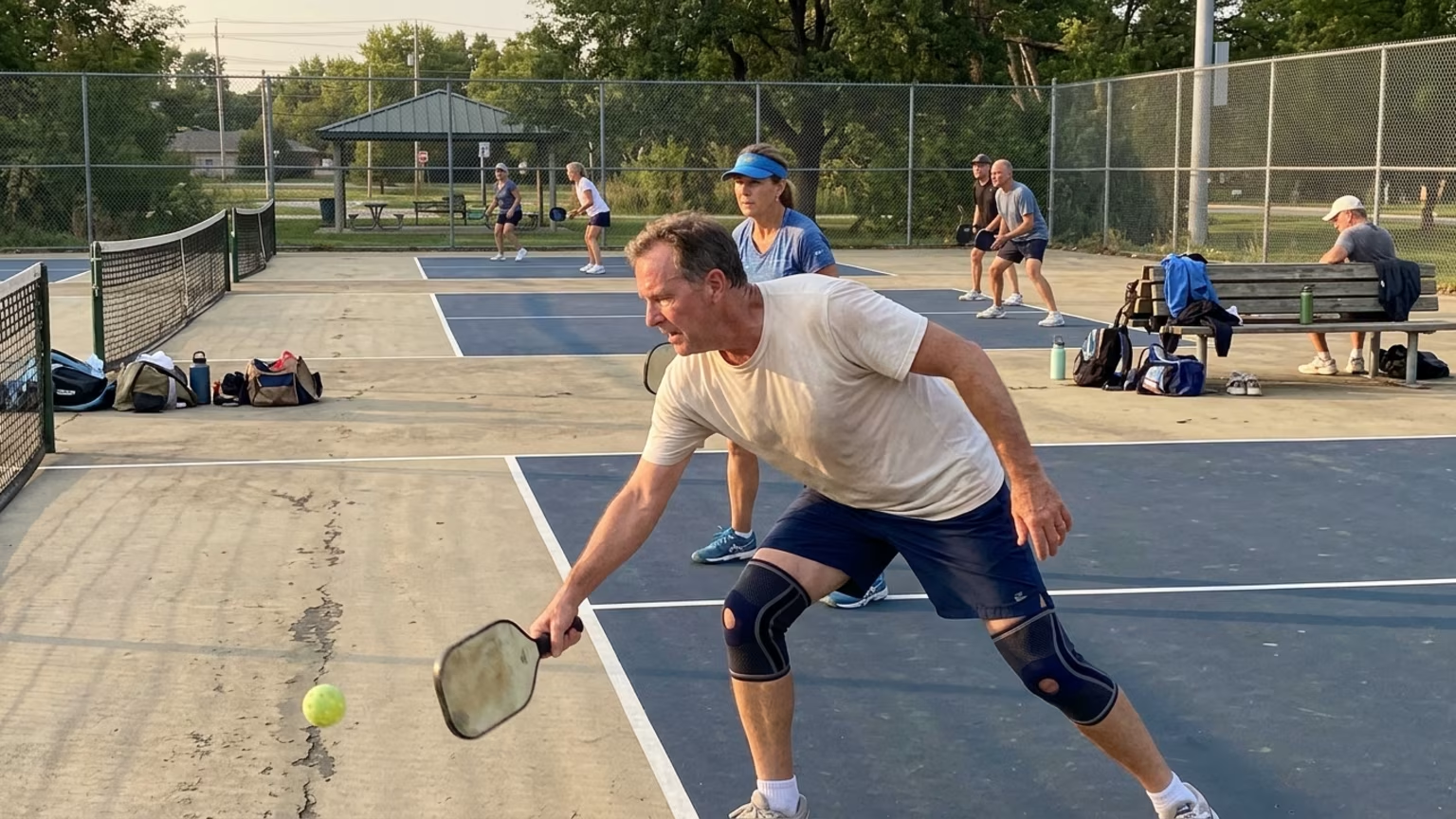

Falls led pickleball and tennis injury cases seen in U.S. emergency departments. Here’s how recreational players can put the findings in context.




On November 21, 2026, retired endocrinologist Michael Humphrey wrote in an Altoona Mirror opinion column that pickleball’s benefits outweigh its risks for most players and urged players to prepare for the demands of the game.
A separate peer-reviewed study indexed in PubMed found that falls were the leading reported injury mechanism for both pickleball and tennis in the U.S. emergency-department cases it analyzed. The mix of injuries differed by sport. Fractures were more common among the pickleball cases, while sprains and strains were more common among the tennis cases. The shared finding was that falls ranked first in both sports.
Humphrey, who serves on the Blair County Pickleball Club board, makes the case for playing as a way to stay physically active. He writes that a two-hour session may involve 3,000 to 6,000 or more steps, depending on intensity. That estimate comes from his column rather than the comparative study, which did not measure long-term health outcomes or weigh the benefits of playing against the injuries it recorded.
Humphrey’s practical recommendations center on planning, technique and training. The study authors likewise call for conditioning and safety education, especially for older adults. Their recommendation puts the focus on how players move, not just how often they get on court.
An elite player might judge a movement by whether it gets them to the ball in time to win the point. That is not the only standard worth using in a weekend league. When the next shot calls for a sudden change of direction or a reach that takes you off balance, letting it go is a reasonable choice. The fall finding makes that decision worth noticing instead of treating every reachable ball as one you have to play.
The study authors suggest conditioning that emphasizes control of movement. For a recreational player, a useful way to apply that idea is to pay attention to how you change direction and whether you feel in control when you reach. That gives you something more specific to work on than simply trying to move faster. Evercourts covers those decisions in its guide to staying aware of your balance and position on court.
This is a way to think about preparation, not a tested injury-prevention plan. The comparative study did not test a particular warm-up, technique or conditioning routine. If you’re returning to play or considering a change in intensity, it’s worth asking what pace lets you move with control rather than using your old pace or another player’s as the default. That’s also the idea behind building court time around how you respond to play.
Humphrey recommends that older players and people with significant medical conditions seek medical evaluation and clearance before playing. That is his advice, not a clearance requirement established by the study. If the question is whether to start playing again or how hard to play with a health condition, a qualified clinician can discuss your circumstances in a way that an age statistic cannot.
The 2026 study reviewed 4,141 cases from 2014 through 2024 using the National Electronic Injury Surveillance System. The sample included 1,442 pickleball cases and 2,699 tennis cases. From those records, researchers estimated 80,553 pickleball cases and 110,480 tennis cases nationally over the study period. Those totals are estimates of cases seen in emergency departments.
Players 65 and older accounted for 52.1% of the study’s pickleball injury cases. Humphrey separately reports that about 90% of emergency-department-treated injuries in the data he discussed involved players over 50. The figures come from different accounts and use different age cutoffs, so they are not directly comparable. In both instances, the percentage describes who showed up in the injury records, not how likely players of that age were to get hurt.
The records miss injuries treated elsewhere or never reported. The comparison also does not account for how many people played each sport or how often they played. A larger estimated case total for tennis therefore does not tell you which sport is riskier for an individual player. The useful comparison is how the injuries in these records happened and what kinds of injuries were seen.
At the club level, watch for whether safety education gives players a chance to practice changing direction and reaching with control, rather than simply reminding them to be careful. For a league player, that would make the discussion about falls relevant to decisions that come up in a match, including when to leave a difficult ball alone.
The most useful research follow-up would put injury counts alongside time spent playing and test whether conditioning or safety education changes outcomes. That would give recreational players a better basis for choosing how to prepare. Until then, falls deserve attention without making an emergency-department tally the deciding factor in whether to play.
Follow Evercourts for practical insights on tennis, pickleball and padel performance, movement, recovery and healthy ageing. Stay connected for new articles, research-led guidance and ideas to help you play well and keep playing for years.


Moving from tennis to padel? Keep the compact volley, learn when to use the back glass and see how partner movement and lobs change the point.

Plan a flexible week of racquet sports, strength work and recovery, with adjustments for hard matches, time away and lingering fatigue.
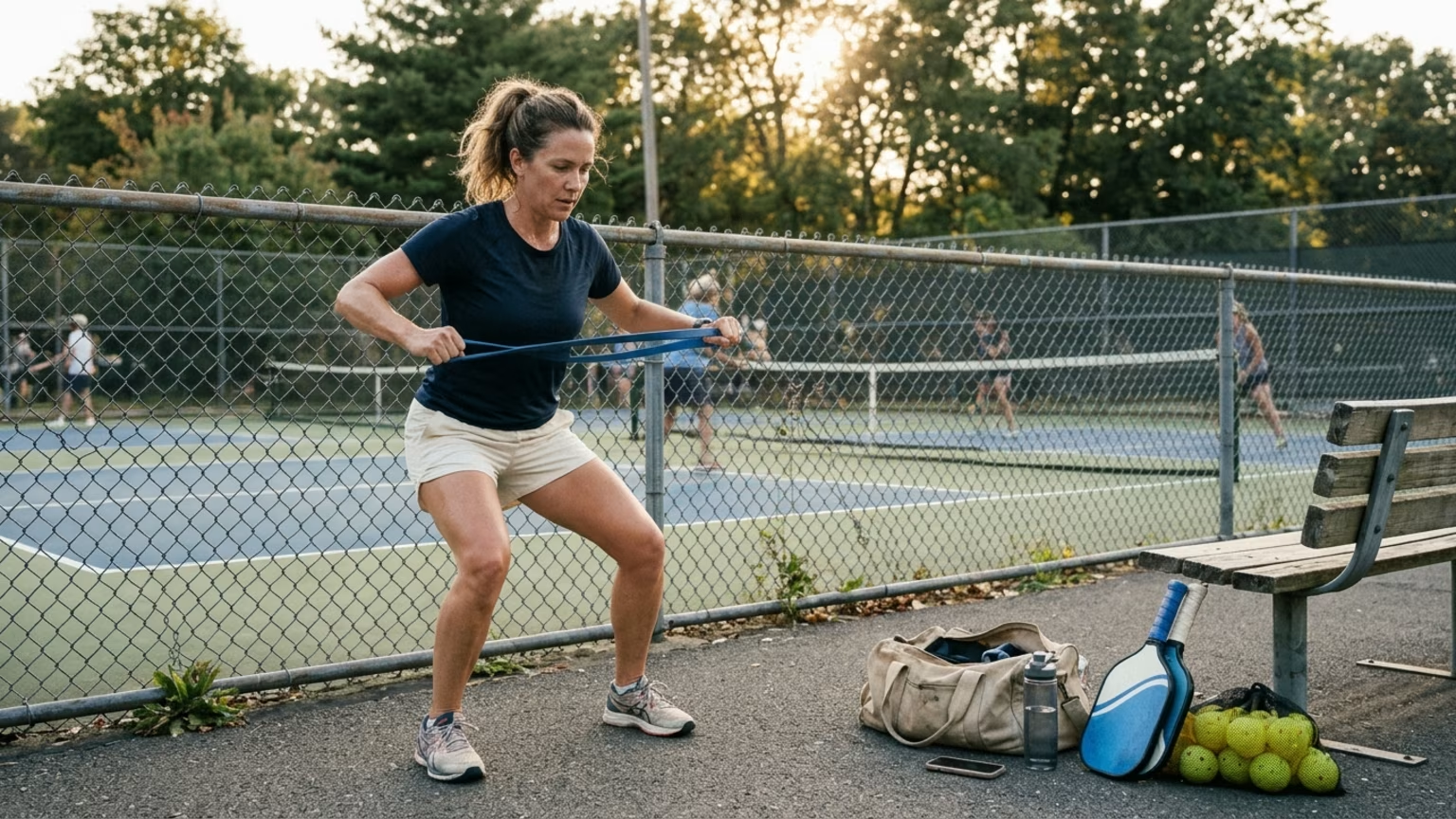
Build a manageable pickleball strength routine for starts, stops and side steps, with exercise options and gradual ways to progress.
Read practical guidance for better movement, smarter preparation and a game that keeps working for you.
explore the Blog
