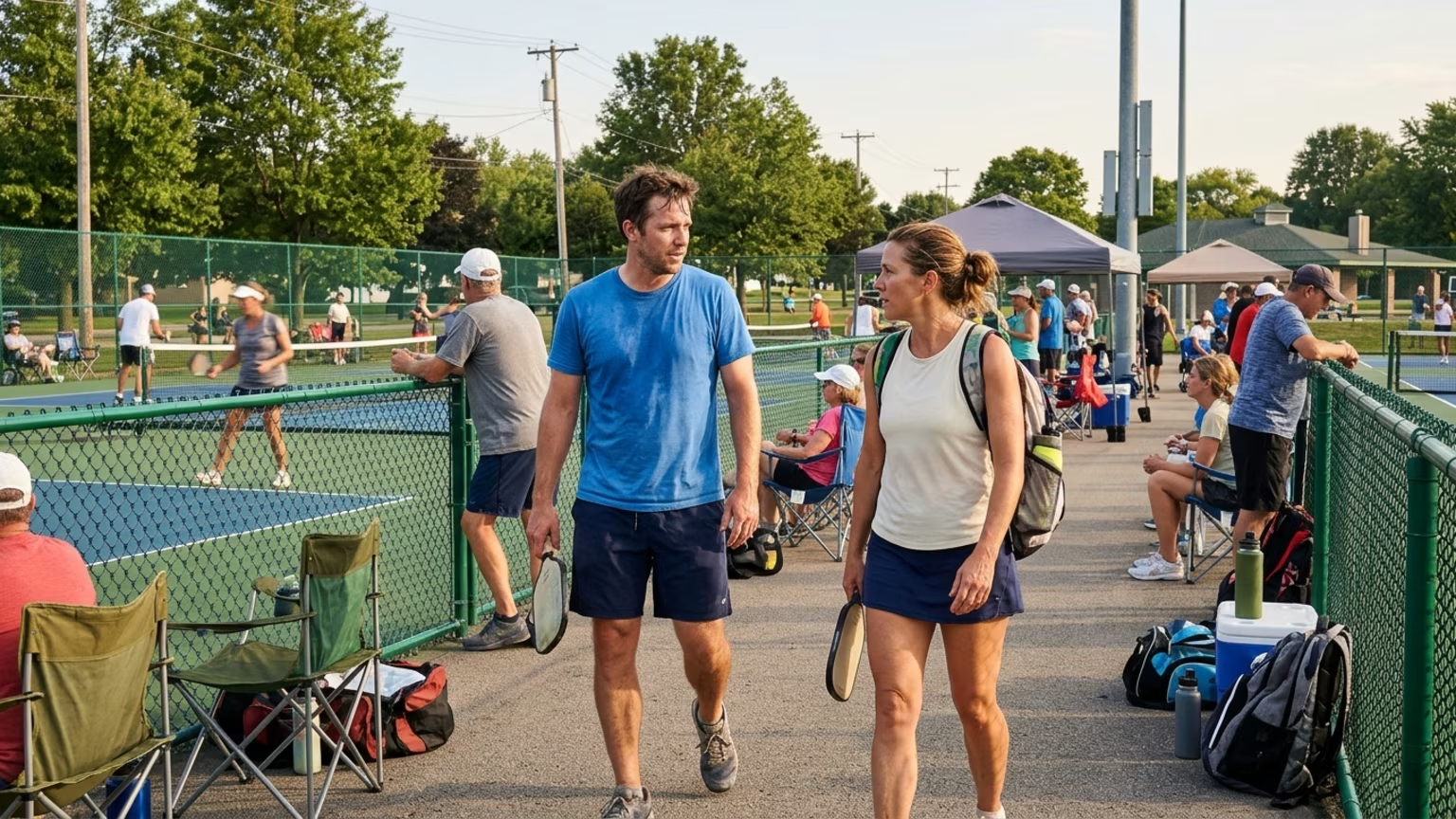

A practical tournament-day mailbag covering schedules, venue rules, food, fluids and flexible plans for tennis, pickleball and padel.




How should I plan a tournament day for tennis, pickleball or padel?
Check the current event instructions, plan arrival and permitted supplies around them, and keep the official update channel accessible as the day changes.
Start with the organizer’s latest information rather than the schedule you first saw when registering. The 2026 Oceanview USA Pickleball National Championships athlete guide provides a useful model: it directs players to review the current schedule and competition information before arriving. Its checklist also covers athlete policies, division-specific paddle-testing requirements, the venue map and weather.
The practical takeaway is to separate what you need to know into a few manageable groups:
The Nationals guide specifically points athletes to Pickleball Den for match and court updates. It also directs them to monitor other event communications for operational or weather changes. For your tournament, identify which channel serves each purpose instead of assuming every message will arrive in the same place.
A match time is only part of an arrival plan. The more useful question is what needs to happen between reaching the venue and being available to play.
This event-day preparation fits within a broader approach to organizing your tournament calendar. Here, the focus is narrower: getting the current details straight before leaving home.
Check the venue’s rules before making a shopping list. The Nationals athlete guide prohibits outside food and beverages other than sealed bottled water. It also lists coolers as prohibited.
That changes the familiar advice to simply bring a cooler full of supplies. At that event, preparation means understanding the restrictions and checking the available food and hydration arrangements. For your own tournament, confirm what is permitted and what will be available during the hours you expect to attend.
A tennis nutrition page from AthleteRX recommends familiar carbohydrate-rich food before play. It also recommends planning snacks and fluids for long matches or tournament days involving multiple matches.
Keep the evidence boundary clear: the Nationals guide describes one event’s logistics and the nutrition page provides secondary guidance rather than an individualized plan. Neither establishes one optimal routine or a universal food and fluid target for adult players. Personal health or nutrition decisions belong with a qualified professional.
With that distinction in place, a practical packing review can stay simple:
The useful distinction is between what you would like to bring and what the venue permits. Resolve that difference before departure so food and drink arrangements are part of the plan rather than an assumption.
The planning questions transfer across the three sports. The event’s equipment requirements and competition instructions still need their own answers.
Use the tournament’s current format and schedule to frame your arrival and supply arrangements. The tennis nutrition guidance discussed above specifically addresses long matches and multi-match days, making it relevant to food and fluid planning within the venue’s rules.
Keep the organizer’s instructions alongside those arrangements. A nutrition page does not replace the event’s check-in requirements or equipment policies.
Give particular attention to any published paddle requirements. The Nationals athlete guide includes division-specific paddle-testing information among the items athletes should review before arrival.
That makes checking the requirements for your entered division a concrete part of preparation. The same guide also illustrates why the match-update platform belongs in the plan alongside physical equipment.
Build the day around your padel organizer’s own competition information and equipment rules. Confirm the format, check-in process and court-assignment channel before deciding how to organize your arrival and permitted supplies.
Use the same weather and venue-policy questions as planning prompts. Let the answers come from the event you are actually entering.
Across all three sports, the useful approach is consistent: use a shared set of questions without assuming a shared rulebook. Keep your event instructions together so the relevant details are easy to find when plans change.
Keep checking official communications rather than treating the original schedule as fixed. The Stacks on the Tracks II listing says event times depend on registration numbers and court availability. It also warns that weather or unsafe conditions may lead to delays, shortened formats, relocation, postponement or cancellation.
During a long wait, confirm your next court assignment and the latest start information. If matches are close together, use the same channel to establish where you are expected next. When a format changes, check the revised competition instructions as well as the timing.
Keep permitted food and fluid arrangements in view as the schedule develops. The point is not to script every break but to work from the latest information.
That is also a useful foundation for planning a day with several matches: follow the day being communicated rather than the one originally pictured.
Being prepared does not mean controlling every delay; it means keeping the day workable so there is room to enjoy competing. A short note with the official update channel, arrival requirements and permitted supplies is a manageable starting point today.
Follow Evercourts for practical insights on tennis, pickleball and padel performance, movement, recovery and healthy ageing. Stay connected for new articles, research-led guidance and ideas to help you play well and keep playing for years.


Understand tennis's strength, power, balance and braking demands, with a cautious framework for off-court preparation and long-term play.
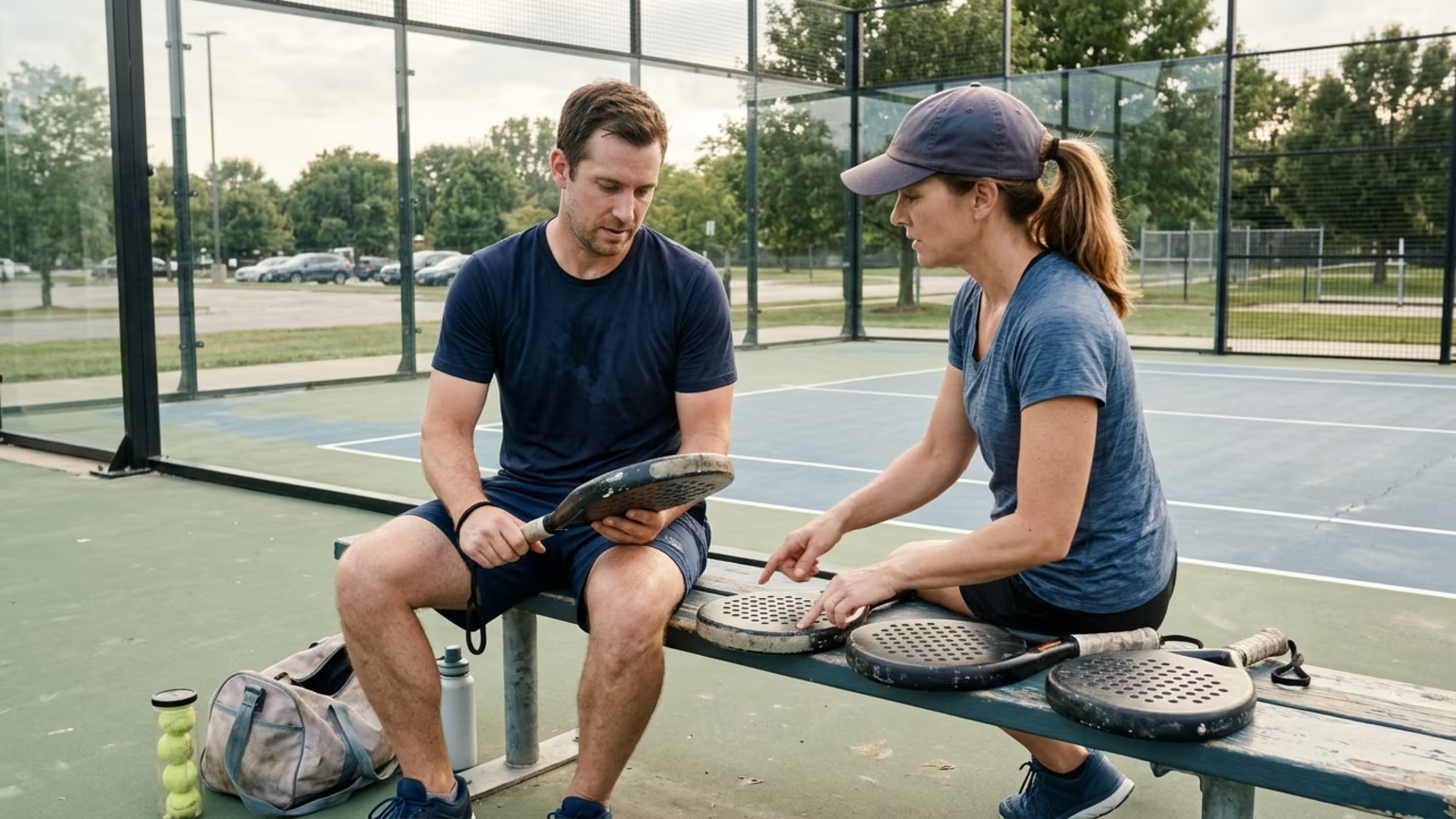
Answers to padel racket questions about weight, balance, shape and grip, with practical trial prompts and guidance on persistent discomfort.
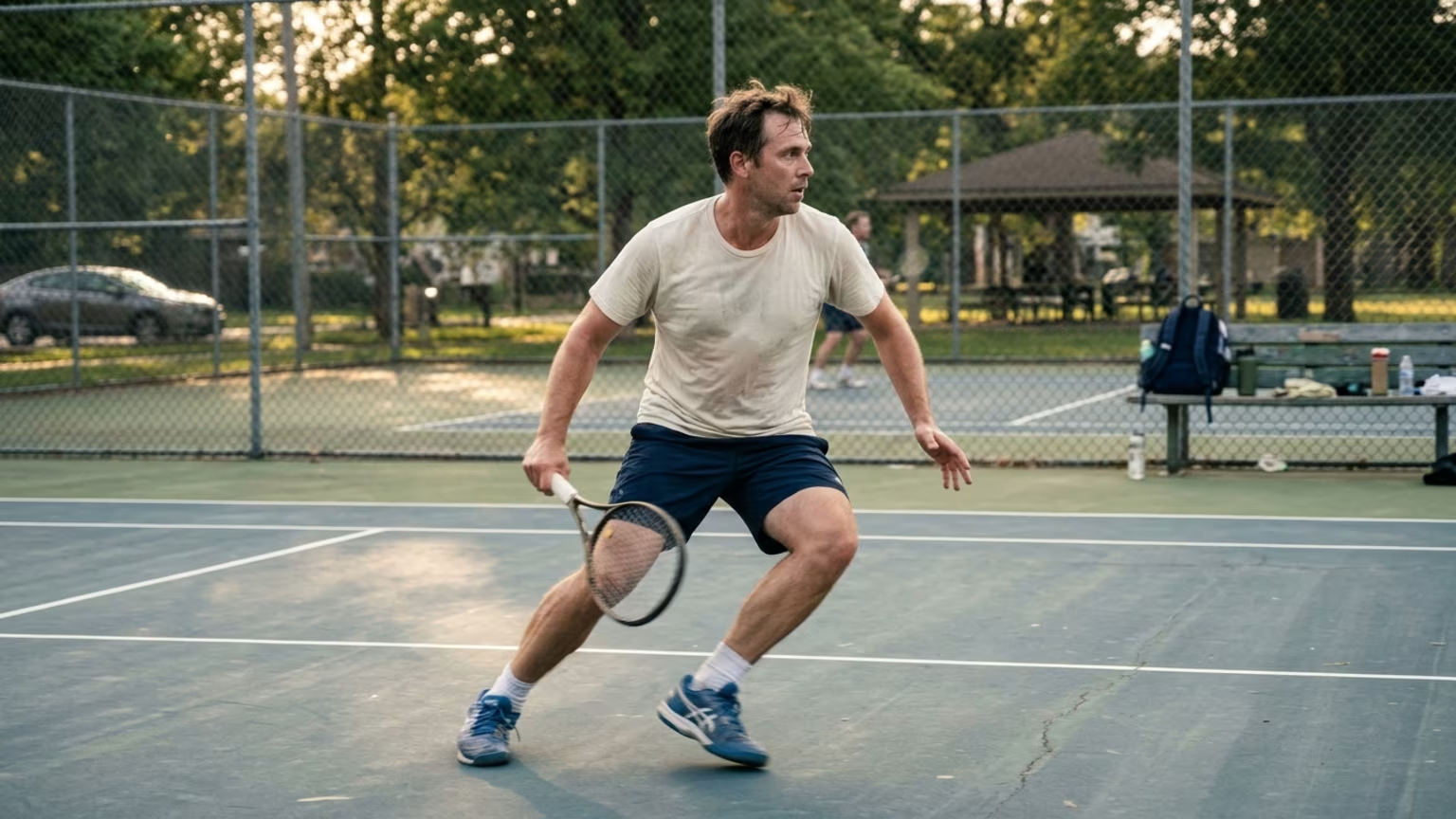
Understand split steps, controlled stops and recovery, with source-based coaching ideas and clear limits for adult racquet-sport players.
Read practical guidance for better movement, smarter preparation and a game that keeps working for you.
explore the Blog
