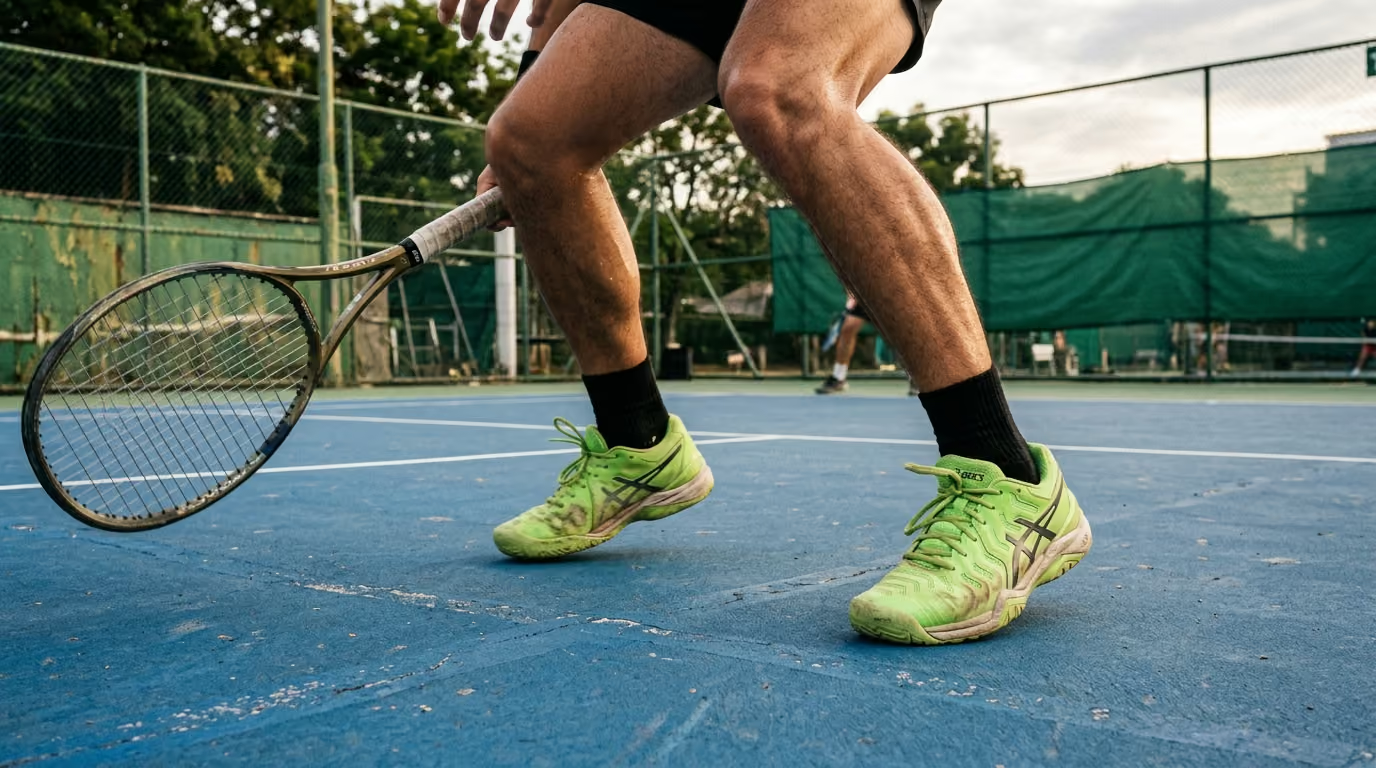

Alcohol and caffeine significantly impact racquet sports players' recovery by disrupting sleep, hydration, and cognitive function, affecting athletic performance.




If you have ever searched online to find out how a few beers or a late cup of coffee affects your court movement the next morning, you are not alone. Many players struggle to balance their social club routines with their physical performance on the court. For racquet sports players, the most effective approach is a practical harm-reduction strategy rather than an all-or-nothing ban on coffee or alcohol. Understanding how these substances interact with your sleep and hydration is the key to maintaining your athletic longevity.
This resource provides an honest look at how alcohol, caffeine, and nicotine affect your body. We will look at what the science says, how the demands of court sports change your recovery needs, and how you can make better decisions without giving up your social life.
To understand how social habits affect your play, you must first understand what recovery actually means. Many players believe they are recovered as soon as their muscle soreness disappears. However, true recovery is a complex process that takes place across several systems in your body.
First, physical recovery requires the restoration of your fluid and electrolyte balance. Second, it involves the repair of muscle tissues that experience micro-tears during hard matches. Third, your cardiovascular system must transition out of a stressed state. Finally, cognitive recovery must occur so that your reaction times and decision-making abilities return to their baseline levels.
This multidimensional recovery is highly sensitive to external substances. When you consume alcohol, caffeine, or nicotine, you alter how your body processes rest. You might feel subjectively ready to play a match while your central nervous system is still struggling to coordinate complex movements. To protect your long-term athletic longevity, you must respect these invisible systems.
Sleep is the most powerful recovery tool available to court players. During a normal night, your brain cycles through different stages of sleep. These stages include deep sleep, which helps repair physical tissues, and rapid eye movement sleep, which consolidates technical skills and strategies.
When you introduce active substances into your system before bed, you disrupt this delicate cycle. Even if you manage to sleep for eight hours, the actual quality of that rest can be severely degraded. This disruption slows down muscle healing and leaves you feeling mentally fatigued during your next match.
Your autonomic nervous system controls your heart rate, blood pressure, and stress responses. After a hard session on the court, your body needs to switch from a sympathetic state to a parasympathetic state. This shift allows your heart rate to drop and your digestion to function normally.
Consuming stimulants or toxins keeps your body in a heightened state of stress for hours. This prolonged stress prevents your cardiovascular system from recovering fully before your next training session. Over time, a lack of autonomic recovery can lead to persistent fatigue and a higher risk of overuse injuries.
Racquet sports are not just physical tests. They require constant tactical adjustments, visual tracking, and rapid reaction speeds. Your brain relies on clean neurological pathways to calculate the bounce of a ball and the movement of an opponent.
Even minor disruptions to your sleep or hydration can slow down your cognitive processing speed. A split-second delay in your reaction time can be the difference between a clean volley and a missed shot. Protecting your cognitive health is just as important as protecting your knees and shoulders.
Staying hydrated is crucial for maintaining your coordination and endurance during long rallies. Many players simply drink water when they feel thirsty, but this is rarely enough during hot summer matches. To manage your fluids effectively, you need a simple and objective way to measure your sweat loss.
The easiest way to track your fluid needs is to weigh yourself immediately before and after your match. This practice helps you estimate how much water you lost through sweat during your time on the court. You can use these numbers to create a highly personalized hydration plan that prevents sudden drops in your performance.
According to the American College of Sports Medicine, you should aim to limit your dehydration to no more than two percent of your total body mass. If you lose more than this amount, your heart has to work harder to pump blood to your working muscles. This extra strain leads to premature fatigue and can ruin your form during the later stages of a match.
To calculate your personal sweat rate, follow these four simple steps:
This calculation gives you a clear picture of your total fluid loss during that specific session. Because sweat rates vary based on the weather, you should repeat this process on both cool and hot days. Knowing your typical fluid loss helps you plan your drinking habits for future matches.
Once you know your fluid loss, you can begin the recovery process. The International Olympic Committee recommends drinking one point two to one point five liters of fluid for every kilogram of body mass lost during exercise. This extra volume is necessary because your body continues to lose fluids through sweat and urine after you stop playing.
Do not try to replace all of your fluids by drinking plain water as quickly as possible. Consuming too much plain water without sodium can dilute your blood and cause a dangerous condition called hyponatremia. Instead, sip your fluids slowly and combine them with sodium-rich foods or electrolyte powders.
Sodium is the most important electrolyte to replace after a sweaty match. It helps your body retain the fluids you drink rather than sending them straight to your bladder. Potassium, magnesium, and calcium are also important for preventing muscle cramps and supporting nerve function.
You can get these essential minerals from commercial sports drinks, electrolyte tablets, or real food. Eating a banana along with a salted pretzel and a glass of water is an excellent recovery option. Consuming carbohydrates and small amounts of protein alongside your fluids will also help restore your muscle glycogen stores.
Enjoying a cold beer with your opponents after a tough match is a classic tradition in racquet sports. While this social aspect is great for your mental well-being, you should understand how alcohol affects your physical recovery. The science of alcohol metabolism explains why late-night drinking can sabotage your court performance the next day.
When you consume alcohol, your liver prioritizes breaking down the toxin over other metabolic processes. This means your body temporarily stops burning fat and restoring glycogen stores. The physiological effects of alcohol can linger in your system long after your blood alcohol concentration returns to zero.
The National Institute on Alcohol Abuse and Alcoholism defines a standard drink as containing fourteen grams of pure alcohol. This is roughly equivalent to one twelve-ounce beer, five ounces of wine, or a single shot of distilled spirits. Tracking your consumption in standard drinks rather than glasses helps you understand the true dose you are receiving.
Many players believe that alcohol helps them sleep because it makes them feel relaxed and drowsy. While a few drinks can shorten the time it takes to fall asleep, they severely damage your sleep quality. A systematic review published in 2025 showed that even a low dose of alcohol reduces your rapid eye movement sleep.
As your liver clears the alcohol from your blood during the night, your body experiences a mild withdrawal effect. This rebound effect causes frequent awakenings, increases your heart rate, and prevents you from entering deep, restorative sleep stages. You will likely wake up feeling unrefreshed, even if you spent eight hours in bed.
The physical consequences of a drinking session can easily carry over to the next morning. A naturalistic study on heavy episodic drinking measured athletic performance after a night of celebration. The participants slept for only one to three hours and experienced a significant drop in their lower-body power the next morning.
Specifically, their countermovement-jump performance fell by nearly two centimeters. While their basic strength remained stable, their explosive power and coordination were clearly compromised. For a court player, this reduction in power means slower acceleration and a weaker jump when reaching for overhead shots.
Alcohol is a natural diuretic, which means it encourages your kidneys to excrete more water than you consume. This effect is especially strong when you drink high-alcohol beverages like spirits or heavy wines without drinking water. If you are already dehydrated from a hard match, drinking alcohol can make your fluid deficit much worse.
To minimize this dehydration, you should always prioritize non-alcoholic fluids and food before you have a drink. This simple change helps protect your blood volume and ensures your muscles have the nutrients they need to recover. Trying to fix a severe fluid deficit the morning after a party is much harder than preventing it in the first place.
To improve your movement and prevent injury, your muscles must adapt to the stress of play. This adaptation relies on a process called muscle protein synthesis. Research shows that larger doses of alcohol can interfere with the chemical pathways that trigger this repair process.
If you regularly consume moderate to high amounts of alcohol after training, you may limit your long-term athletic progress. An occasional social drink is unlikely to ruin your fitness, but chronic heavy drinking will slow your recovery. If you want to get the most out of your strength and conditioning work, keep your post-workout alcohol intake low.
Caffeine is one of the most popular and effective performance aids in modern sports. It works by blocking adenosine receptors in your brain, which temporarily reduces your feelings of fatigue. This stimulation can make you feel incredibly sharp, fast, and focused during a demanding match.
However, caffeine is a double-edged sword for racquet sports players. The key to using caffeine successfully is balancing its immediate performance benefits with its potential to disrupt your sleep. If your pre-match energy boost comes at the cost of tonight's recovery, your long-term performance will suffer.
The International Society of Sports Nutrition state that caffeine can significantly improve endurance, strength, and reaction speed. The most effective research-backed dose is three to six milligrams of caffeine per kilogram of body mass. For an average player, this is roughly equivalent to one or two cups of strong coffee before a match.
You do not need to use high doses of caffeine to experience these benefits. Some players respond incredibly well to much smaller amounts, such as a single cup of green tea. Experimenting with different doses during low-stakes practices will help you find your personal sweet spot.
For many years, coaches warned players that coffee and tea would dehydrate them during exercise. Modern research has shown that this old belief is incorrect. The International Society of Sports Nutrition found no evidence that moderate caffeine intake causes dehydration or harms fluid balance.
You can safely count your morning coffee or afternoon tea toward your daily fluid targets. However, you should still be mindful of any sugar or high-calorie additives in your drinks. These ingredients can cause digestive discomfort if you consume them too close to a match.
Because caffeine has a half-life of five to seven hours, it can remain in your system long after your match ends. This persistence is a major issue for players who compete in evening leagues. Taking a stimulant at six in the evening can make it nearly impossible to fall asleep by eleven.
To manage this risk, try running a simple caffeine cutoff experiment:
If you notice that late-afternoon caffeine consistently hurts your sleep, set a strict cutoff time of two in the afternoon. This simple change can dramatically improve your overnight recovery and keep you feeling fresh all week.
The use of nicotine has changed dramatically with the rise of vaping products and oral nicotine pouches. Many players use these products because they believe they are safer than smoking traditional cigarettes. While smoke-free products do prevent lung damage, nicotine itself is still a powerful chemical that affects your cardiovascular system.
Nicotine acts as a strong stimulant that triggers the release of adrenaline in your body. This reaction increases your heart rate and raises your blood pressure within minutes of consumption. For a court athlete, this extra cardiovascular strain can limit your endurance and make your recovery much harder.
To protect your health, you must separate the subjective feelings of nicotine from its physical reality. You might feel more alert or focused after using a pouch or vape on the court. However, your heart is working much harder to maintain that level of performance.
The American Heart Association reports that nicotine-containing products cause acute sympathetic overactivation. This means your body is placed into a fight-or-flight state even when you are resting between games. This state causes your blood vessels to constrict and your arterial walls to stiffen.
During intense rallies, your heart needs to pump blood efficiently to your legs and arms. Constricted blood vessels force your heart to push against greater resistance, which increases your overall cardiovascular workload. This extra strain can cause your heart rate to spike unexpectedly during long points.
Nicotine is a stimulant that can severely disrupt your sleep architecture if used in the evening. A systematic review of chronic tobacco users found that they experienced more light sleep and less restorative deep sleep. They also reported higher rates of waking up in the middle of the night.
If you use nicotine products close to bedtime, your brain will struggle to transition into deep recovery states. This lack of deep sleep prevents your muscles from repairing themselves and leaves you feeling mentally drained the next morning. To protect your sleep, avoid using nicotine for several hours before you go to bed.
If you use nicotine regularly, your body becomes dependent on the substance to function normally. This dependence can create a difficult situation when you try to quit or reduce your use. Research shows that short-term nicotine withdrawal of twenty-four hours or less can actually impair your coordination and sports performance.
This temporary drop in performance occurs because your brain is struggling to adjust to the lack of stimulation. However, the same research shows that long-term cessation leads to major improvements in your cardiovascular health and overall fitness. If you want to quit, plan your transition during an off-season or a break in your tournament schedule.
While all racquet sports share some similarities, each game places unique physical demands on your body. These different demands mean that your recovery strategies should change depending on your sport of choice. Understanding these differences can help you customize your habits for maximum benefit.
Whether you are playing a long tennis match on clay, a fast padel game off the walls, or a quick pickleball match, your body needs specific care. Tailoring your hydration, sleep, and lifestyle choices to your specific sport will help you improve court performance and avoid chronic injuries.
Tennis is a game of high cardiovascular endurance, massive court coverage, and repetitive explosive movements. A single match can easily last for two to three hours and involve hundreds of short sprints. This style of play places immense eccentric strain on your knees, ankles, and shoulders.
Because tennis matches are so long, dehydration is a constant threat to your performance. Losing too much fluid during a match will slow down your movement and lead to premature muscle fatigue. If you play tennis, you must prioritize proactive hydration and consistent muscle repair to stay competitive.
Pickleball requires rapid hand-eye coordination, quick lateral shuffles, and constant bending at the kitchen line. The points are usually shorter than in tennis, but the reaction times required are incredibly fast. This style of play places a heavy load on your lower back, knees, and Achilles tendons.
If you play pickleball, your recovery should focus on maintaining your reaction speed and cognitive sharpness. Using too many stimulants like caffeine can make your hands feel shaky and ruin your control on soft dink shots. Focusing on clean sleep and joint mobility is the best way to protect your body for years of play.
Padel is a fast-paced game that requires continuous explosive acceleration, quick rotations, and complex spatial tracking. You must constantly calculate the bounce of the ball off the glass walls while communicating with your partner. This mental work requires immense concentration and high-level decision-making skills.
Because padel is so mentally demanding, sleep deprivation can quickly ruin your game. If you are tired, you will struggle to read the angles of the ball off the walls and make poor tactical choices. Protecting your sleep quality is essential for maintaining your focus during fast-paced padel rallies.
For many adult players, the greatest recovery challenges do not come from a single substance. Instead, they come from the combination of several social habits after a match. When you mix alcohol, late-night food, stimulants, and short sleep windows, you create a compound recovery debt.
Understanding how these habits interact can help you make small, practical changes to your routine. You do not have to abandon your club's social scene to protect your health. By managing these compound costs, you can enjoy your friends and still play great racquet sports.
A typical post-match social routine often starts with a late finish on the court. Instead of eating a nutritious meal, you might head straight to the club lounge for several beers. This habit often leads to a delayed dinner, poor hydration, and a much later bedtime than usual.
To reduce the impact of this routine, try making these three simple adjustments:
These small changes allow you to enjoy the social benefits of your club without destroying your physical recovery. Your body will have the fluids and nutrients it needs to start healing while you sleep.
Almost every tournament player has faced the challenge of playing an early morning match after a late night. You might wake up feeling motivated and excited to play, but your body is still recovering from the night before. Playing in this state increases your risk of injury and can lead to a frustrating performance.
If you must play after a late night, you need to assess your physical readiness honestly. Check for warning signs like dizziness, an elevated resting heart rate, or poor concentration. If you feel physically unwell, it is always safer to reduce your intensity or skip the session entirely.
Combining highly caffeinated energy drinks with alcohol is a popular choice for players who want to stay awake during long social events. However, this combination is particularly dangerous for your cardiovascular system and your judgment. The caffeine masks the sedating effects of the alcohol, making you feel more sober than you actually are.
This false sense of alertness can lead to risky decisions, such as driving when you are impaired or playing through a painful injury. The mixture can also cause your heart to race and increase your feelings of anxiety. Avoid using stimulants to override the natural warning signs of alcohol consumption.
Some players use nicotine pouches or vapes between games during a tournament to calm their nerves or increase their focus. While this habit might make you feel temporarily relaxed, it is actually increasing the stress on your heart. Nicotine raises your blood pressure and heart rate when your body should be recovering.
Instead of relying on chemical stimulants, try replacing this habit with a structured recovery routine:
To help you manage your recovery without stress, we have created a simple decision-making framework. This system categorizes your daily choices into green, amber, and red decisions. Using this guide can help you protect your player health while keeping your athletic goals on track.
By categorized monitoring, you can easily decide when to push hard and when to hold back. Let us break down these decisions in detail to show you how to apply them to your regular training week.
Green decisions are choices that support your body's natural recovery processes. These habits keep your energy levels stable and ensure you are ready for intense competition. Examples of green decisions include:
Amber decisions are choices that place extra stress on your recovery systems. When you make these choices, you should modify your training plan to avoid overtraining or injury. Examples of amber decisions include:
When you find yourself in an amber state, reduce the intensity or duration of your next practice. Focus on drinking extra fluids, eating a nutritious meal, and getting to bed early.
Red decisions represent situations where your health or safety is at immediate risk. In these cases, you must stop playing and prioritize your physical well-being. Examples of red decisions include:
If you experience any of these severe symptoms, do not try to push through the pain. These situations require immediate rest and professional care rather than simple recovery tricks.
If you have a late night or consume too many substances, follow this seven-step protocol to minimize the damage to your body:
While this guide focuses on self-care, some situations require help from a qualified healthcare provider. You should seek professional medical advice if you experience:
A doctor or sports medicine specialist can help you address these underlying issues safely. Protecting your health is the most important step in maintaining your love for court sports.
There are many myths surrounding alcohol, caffeine, and recovery in the sports world. These misconceptions can lead players to make poor decisions that hurt their performance and longevity. Let us clear up some of the most common mistakes with clear, evidence-based facts.
By understanding the truth behind these myths, you can avoid unnecessary recovery traps. This knowledge will help you make smarter choices during your training weeks.
Many players believe that because alcohol makes them feel sleepy, it must be helping them recover. As we discussed earlier, falling asleep quickly is not the same as getting high-quality rest. Alcohol disrupts your sleep architecture and prevents your brain from entering the deep, restorative stages of sleep.
The old belief that coffee is a powerful diuretic that will dehydrate you during a match is incorrect. Modern sports nutrition research shows that moderate caffeine intake does not cause harmful fluid loss. You can enjoy your morning cup of coffee without worrying about drying out on the court.
Many people assume that one bottle of craft beer or one large glass of wine is equal to one standard drink. In reality, many modern drinks contain much more alcohol than the standard fourteen-gram definition. Always check the alcohol by volume percentage on your drink to understand the true dose you are consuming.
Some players believe that because vaping does not involve smoke, it is completely harmless to their physical performance. The American Heart Association has shown that nicotine-containing vapes still cause cardiovascular strain and arterial stiffness. These effects can limit your endurance and slow your recovery just like smoking.
While nicotine can make you feel more alert, there is no consistent evidence that it improves athletic performance. Most studies show mixed results, with some players experiencing a slight benefit while others suffer from a racing heart. The cardiovascular strain of nicotine usually outweighs any minor mental boost.
Many players believe that drinking a huge glass of water before bed will completely erase the effects of a night of drinking. While water can help reduce dehydration, it cannot restore your sleep quality or speed up your liver's metabolism. The only true cure for a night of drinking is time, rest, and nutrition.
With the rise of fitness trackers, many players rely entirely on their daily recovery scores to decide if they are ready to play. While wearables can provide useful trend data, they cannot measure your true level of hydration or impairment. Always listen to your body's physical warning signs rather than a screen.
The idea that you can sweat out alcohol by doing a high-intensity workout the morning after drinking is a dangerous myth. Sweating does not speed up the metabolism of alcohol in your liver. In fact, exercising hard while dehydrated and sleep-deprived places immense strain on your cardiovascular system.
The best way to understand how alcohol, caffeine, and nicotine affect your play is to track your own data. Every player has a unique metabolism, sleep sensitivity, and physical baseline. By keeping a simple log for two weeks, you can discover your personal tolerance thresholds.
Let us look at five common case studies that illustrate how these habits play out in real life. These examples can help you identify patterns in your own routine.
A recreational tennis player enjoys one standard beer with dinner after a Tuesday evening session. She drinks a large glass of water with her meal and goes to bed at her usual time. The next morning, her resting heart rate is normal, and she feels completely refreshed.
This case shows that a single, low-dose drink consumed with food and water has a minimal impact on recovery. For most healthy adults, this level of social drinking is perfectly compatible with better play.
After a long, hot Saturday tournament, a padel player skips dinner and drinks three beers with his team. He sleeps poorly, wakes up with a mild headache, and notices his morning resting heart rate is ten beats higher than usual. During his Sunday morning match, he feels sluggish and struggles to track the ball off the walls.
In this scenario, the combination of dehydration, empty-calorie alcohol, and poor sleep created a severe recovery deficit. The player should have prioritized a carbohydrate-rich meal and water before having a drink.
A pickleball player drinks a large energy drink before her eight-o'clock evening league match to feel sharp. She plays exceptionally well, but her heart is still racing when she returns home at ten. She tosses and turns until two in the morning and wakes up feeling exhausted for her Thursday workday.
This case highlights the sleep liability of late-day stimulants. While the caffeine improved her immediate performance, it ruined her overnight recovery. A better choice would have been a non-caffeinated pre-match routine or a much smaller dose of caffeine earlier in the afternoon.
During a tight tournament match, a player puts in a high-dose nicotine pouch to calm his nerves. A few minutes later, he notices his heart is racing uncomfortably and he feels slightly dizzy. He struggles to coordinate his footwork and has to take an extended break in the shade.
This player experienced acute sympathetic overactivation from the high dose of nicotine. This reaction increased his cardiovascular strain when his body was already working hard. Replacing the chemical stimulant with deep breathing and cooling would have been a safer and more effective choice.
A regular nicotine user decides to quit cold turkey the day before a major club championship. By match time, he feels incredibly irritable, anxious, and physically sluggish. He struggles to focus on his strategy and plays far below his usual level.
While quitting nicotine is an excellent long-term decision for his health, the sudden withdrawal impaired his physical performance. A more realistic strategy would have been to plan his cessation during a break in the competitive season.
To start your own self-experiment, copy this simple tracking structure into a notebook or phone. Track these eleven variables every day for two weeks:
Reviewing this data after two weeks will help you see the direct connection between your social choices and your performance. You might find that a specific cutoff time for coffee or a limit on post-match beers dramatically improves your play.
To help you apply this knowledge immediately, we have put together a simple action plan for this week. Try incorporating these six habits into your routine to protect your health and improve your recovery:
Follow Evercourts for practical insights on tennis, pickleball and padel performance, movement, recovery and healthy ageing. Stay connected for new articles, research-led guidance and ideas to help you play well and keep playing for years.


Read practical guidance for better movement, smarter preparation and a game that keeps working for you.
explore the Blog