

An evidence check on sports supplements like tart cherry juice. Learn why racquet sports players should prioritize core nutrition over functional foods.




On October 4, 2026, BBC Science Focus published Sandrine Ceurstemont's feature on the science of sports supplements. The article examines whether these popular products offer an actual performance boost or simply act as a placebo for athletes. It evaluates prominent interventions seen in elite competition, such as tart cherry juice at the Tour de France and pickle juice among professional tennis players. The coverage outlines exactly what these supplements might achieve and clearly notes where the scientific evidence remains limited.
The BBC Science Focus feature frames tart cherry juice primarily as a potential recovery aid rather than a reliable performance enhancer. It explains that the juice contains anthocyanin, a compound that may help manage post-exercise inflammation and reduce subsequent soreness. Exercise physiologist Stephen Bailey of Loughborough University shared his assessment in the article. He describes tart cherry juice as a fairly successful way to try and manage inflammation post-exercise.
He added that this intervention might then lower soreness for the athlete. The article also reviews the International Olympic Committee's 2018 consensus statement on athletic supplements. That statement backed five specific supplements for athletic use based on evidence of performance improvements. The committee identified caffeine, creatine, nitrate, beta-alanine and sodium bicarbonate.
However, the committee explicitly tied its support to specific scenarios rather than blanket recommendations. Bailey's broader advice helps athletes contextualize these findings for their daily routines. He prioritizes a nutrient-rich diet, appropriate hydration and solid training before players look to supplements. He suggests athletes view functional foods only as a possible additional boost.
Translating elite sports protocols to adult recreational play requires careful distinction. The visibility of tart cherry juice among professional cyclists or pickle juice among elite footballers does not mean these items will automatically help weekend league players perform better. A 2026 review hosted by the University of Naples provides important context for this reality. It identifies carbohydrate and protein as the most consistently supported recovery strategies.
The review places functional foods alongside core nutrition strategies and describes functional-food evidence as highly variable. For recreational tennis, pickleball and padel players, fundamental nutrition and adequate rest remain paramount. A separate 2026 review by sports-nutrition researchers found that tart-cherry trials vary significantly in their exercise model, supplementation duration and measured outcomes. The review noted that studies pooled in a prior analysis typically used one to two servings per day for seven to 16 days.
However, the BBC Science Focus feature does not provide a specific tart-cherry dose or general regimen for recreational athletes. Players should treat functional foods as optional recovery experiments rather than guaranteed solutions for court performance. Understanding the specific physical demands of racquet sports helps players make better nutritional choices. Match play requires repeated sprints, rapid changes of direction and powerful rotational movements.
These actions create muscle micro-tears that lead to typical post-match soreness and stiffness. While professional players use specialized interventions to manage extreme tournament loads, adult recreational players face different recovery timelines. An amateur playing three times a week usually has sufficient time to recover using standard dietary approaches. Players looking to maintain their conditioning should focus on core strategies first.
Proper rest and balanced nutrition build a stronger foundation, much like understanding the science of stress and recovery does for athletic longevity. Supplements might offer marginal gains, but they cannot replace a solid training routine or proper pre-match preparation. If you want to maintain your mobility and court speed, prioritizing sleep and macronutrients will always yield the most reliable results. Amateur players often feel pressured to mimic the routines of their favorite professionals.
This pressure can lead to spending money on untested products that offer little to no benefit for casual match play. Professional athletes have entirely different metabolic demands, support teams and training volumes compared to adult club players. The interventions that help a professional survive a grueling match may have no noticeable effect on a weekend doubles game. Focusing on hydration, basic nutrition and adequate rest is the most effective approach for maintaining physical capabilities.
Building a sustainable routine is key, much like learning how aging changes racquet sports performance. Tennis, pickleball and padel each place unique demands on the body. This further complicates the idea of a universal supplement. A tennis player might cover significant ground during a long baseline rally, requiring sustained aerobic capacity.
A pickleball player frequently engages in rapid and reactive movements at the kitchen line, taxing the central nervous system. Padel combines the endurance of tennis with the explosive agility needed to read ball rebounds off the glass. Because the exercise models vary, the nutritional response and recovery needs will also vary. The 2026 review on tart cherry specifically cautions that supplement effects differ according to the exercise model.
Relying on a single juice or powder to fix soreness across all three sports ignores the complex reality of human physiology. Players are better served by managing their match volume, optimizing their sleep schedules and eating complete meals.
The BBC Science Focus feature also highlights significant concerns regarding product safety and regulation. It notes that supplements are regulated as food in the UK and face less stringent regulation in the US. The article reports that some analyses found banned substances in 14 to 15 per cent of tested supplement samples. These contaminated samples contained compounds including anabolic steroids, though the feature did not specify the underlying sample details.
Sports-nutrition expert Floris Wardenaar of Arizona State University provided a strong warning in the feature. He noted that supplement products can be easy to launch and that many have not been rigorously tested. He strongly recommends third-party testing to help check whether a product actually contains what its label claims. This regulatory landscape creates a genuine risk for recreational players who simply want to ease their joint soreness.
Without rigorous oversight, a consumer cannot easily verify if a brightly packaged powder contains a meaningful dose of its active ingredients. In some cases, the manufacturing process strips away the beneficial compounds, leaving behind little more than flavored sugar water. Wardenaar's advice to seek out third-party testing is crucial for anyone who chooses to buy sports nutrition products. Certifications from independent laboratories provide at least a baseline assurance that the label matches the contents.
Furthermore, the variability in individual response means that even a perfectly formulated supplement might not work for you. The feature cautions that evidence from testing muscle cells in a laboratory does not establish what happens when people ingest a supplement. Supplement effects can differ greatly between individuals, and the article uses caffeine response as a prime example of that variability.
Over the next season, expect sports nutrition guidance to shift focus back toward proven foundational strategies rather than isolated functional foods. The current research consistently points toward proper hydration, quality protein and complex carbohydrates as the primary drivers of athletic longevity. As more testing reveals inconsistencies in commercial supplements, informed players will likely rely more on rigorous third-party verification before buying. The emphasis will remain on practical, well-researched methods that support consistent court time and reliable physical readiness.
Follow Evercourts for practical insights on tennis, pickleball and padel performance, movement, recovery and healthy ageing. Stay connected for new articles, research-led guidance and ideas to help you play well and keep playing for years.


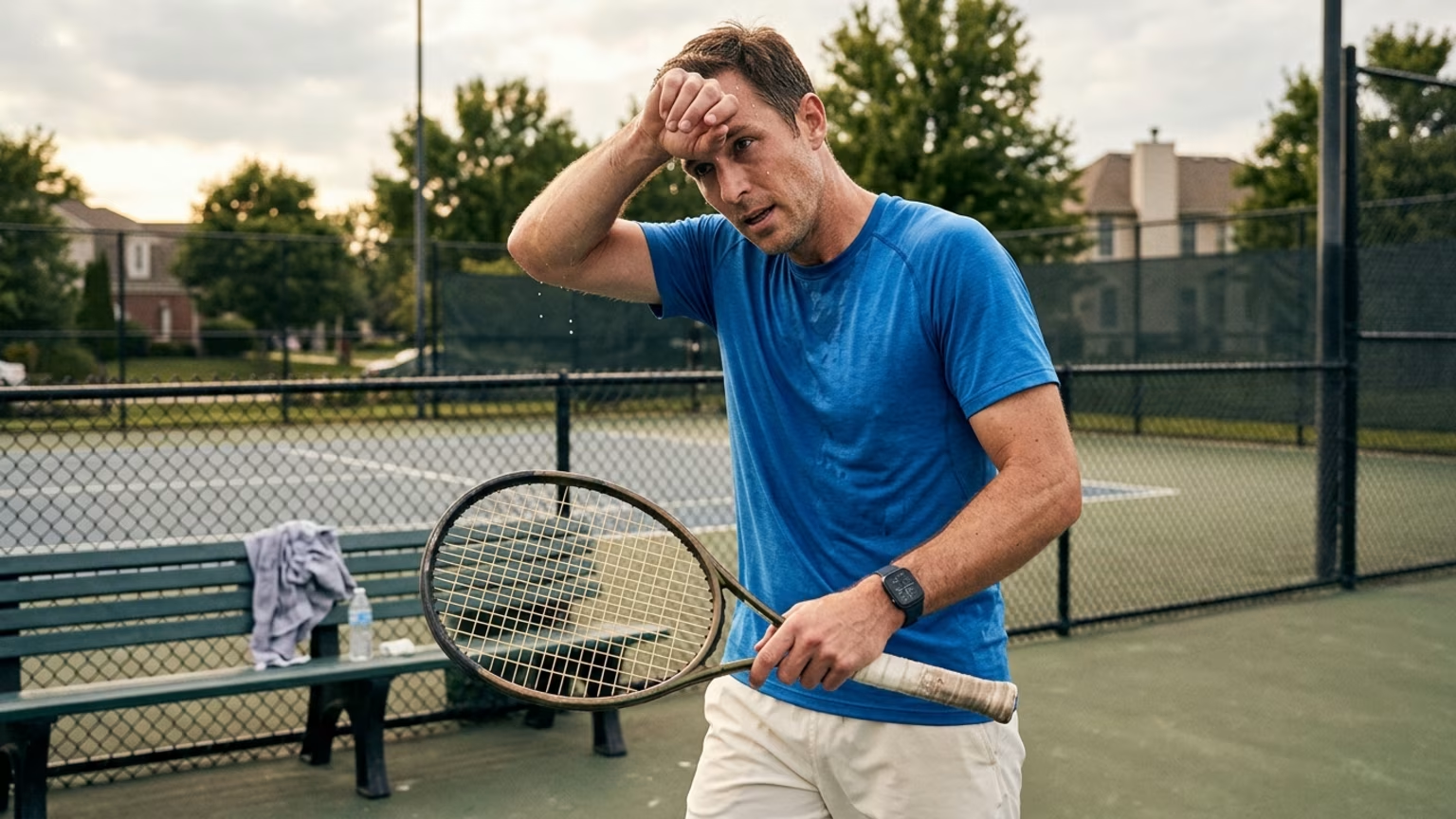
In late 2026, Oura analyzed wearable data to see how recreational tennis impacts heart health and recovery. Learn what this means for your athletic longevity.
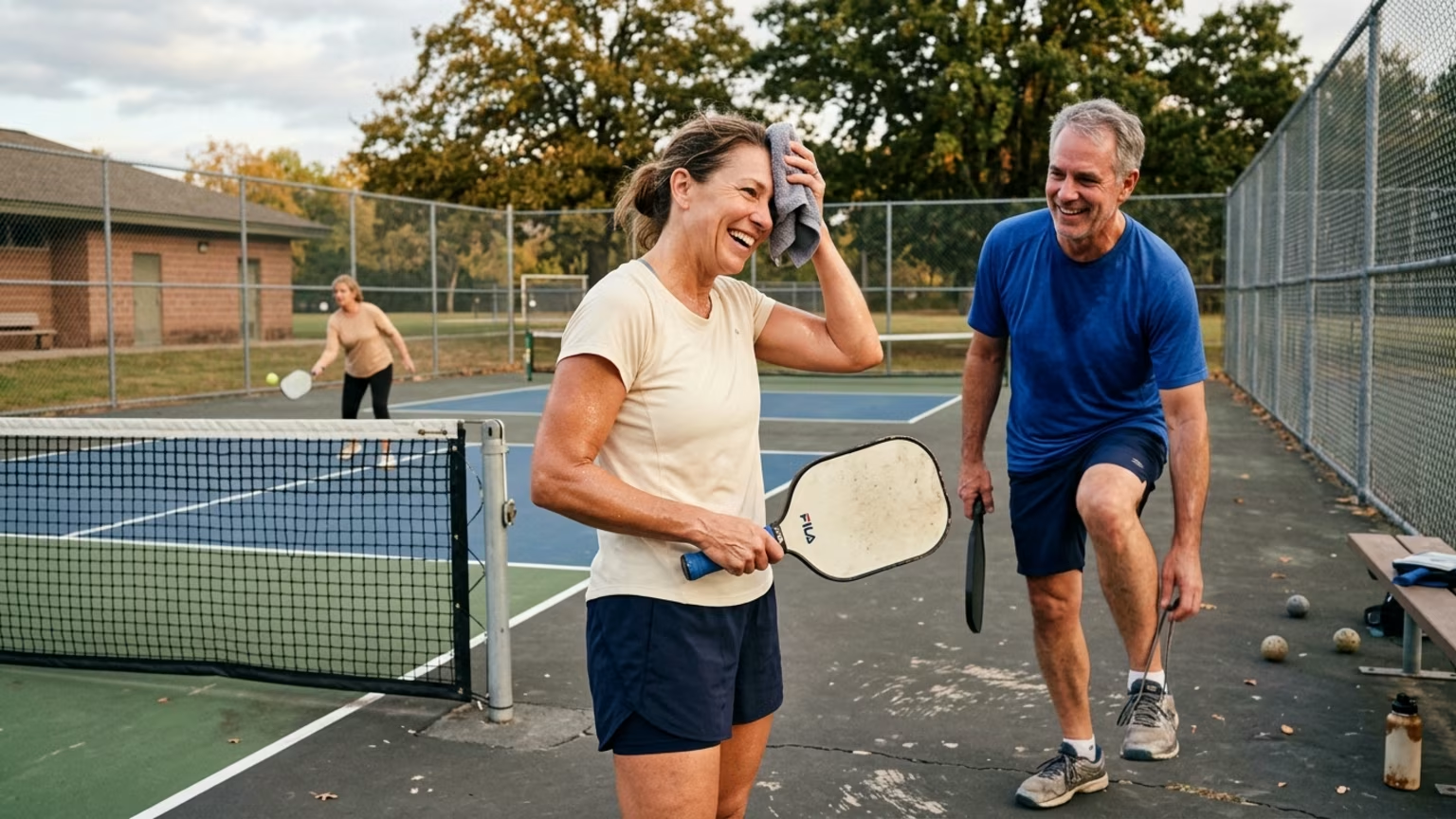
Recent guidelines emphasize gradual progression, dynamic warm-ups, and scheduled recovery to help adult racquet sports players maintain athletic longevity.
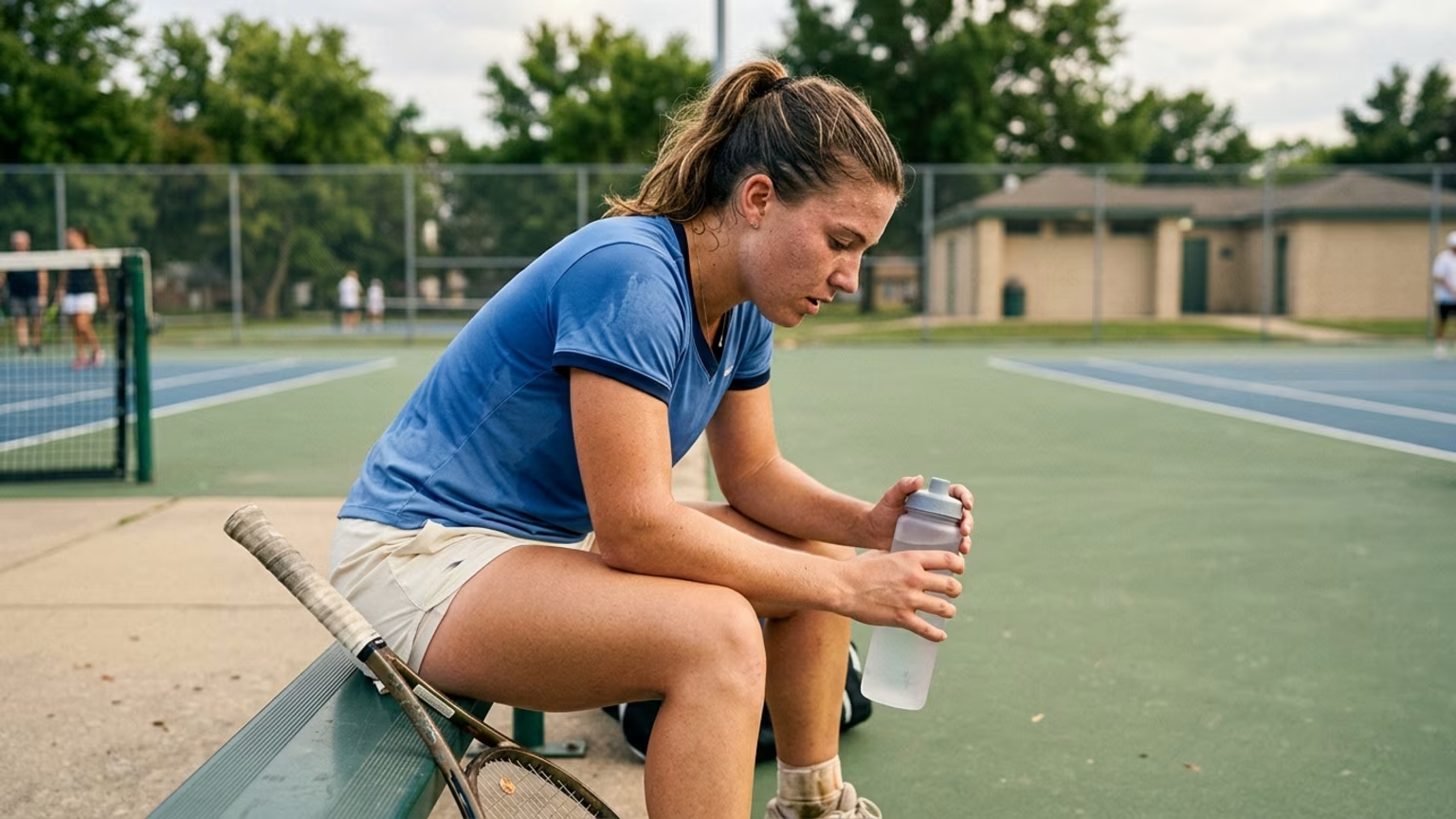
Emma Navarro’s early end to her 2026 season highlights the reality of RED-S. Learn why persistent fatigue requires proper assessment, not just more training.
Read practical guidance for better movement, smarter preparation and a game that keeps working for you.
explore the Blog
