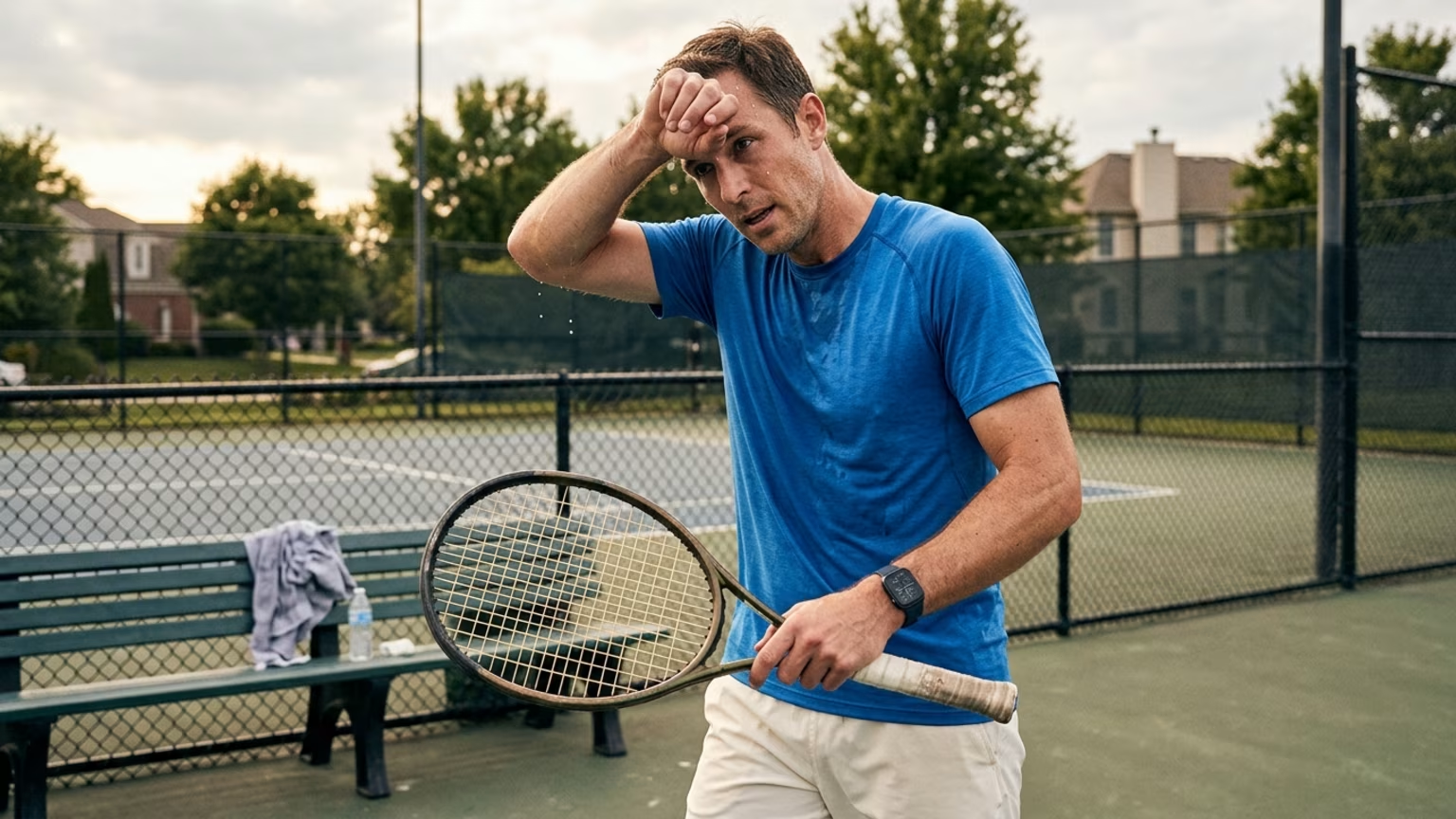

In late 2026, Oura analyzed wearable data to see how recreational tennis impacts heart health and recovery. Learn what this means for your athletic longevity.




In late 2026, Oura released an analysis detailing how recreational tennis impacts heart health and overnight recovery metrics. The company data science team examined de-identified, aggregated member data collected between July 17 and August 17, 2026. This analysis tracked Oura members aged 18 to 69 across 11 different global markets. Tracking the precise workload of amateur racquet sports has traditionally relied on guesswork, making this newly reported data a valuable baseline for adult athletes.
The reported data looked specifically at heart-rate intensity during tennis sessions and the subsequent overnight physical response. Oura found that the median average heart rate for a tagged tennis session generally fell into Zone 2. This classifies the majority of an average session as a steady aerobic workout. The company noted little evidence that most recreational players spent meaningful time in the higher-intensity Zones 4 or 5.
The analysis also reviewed a metric known as Cardiovascular Age. This metric estimates how efficiently the cardiovascular system functions relative to a person's actual age. Oura reported that tennis-playing members showed a larger positive difference between chronological age and estimated cardiovascular age than non-playing members. The company observed this favorable gap in every single market it analyzed.
The study markets included the United States, Mexico, Australia, and New Zealand. Researchers also tracked member data from the UAE, Finland, Sweden, and Norway. Finally, the analysis covered members in Denmark, the United Kingdom, and Germany.
To evaluate post-match fatigue, Oura compared overnight heart-rate variability and resting heart rate against each member's personal 14-day pre-workout sleep baseline. The data revealed noticeable suppression of heart-rate variability after playing tennis. Additionally, the lowest overnight heart rate for players typically occurred about three to four hours after they went to sleep across the regions studied.
Professional tennis features grueling baseline rallies that push elite athletes into extreme cardiovascular territory. In contrast, recreational adult tennis presents a completely different physical profile. The Oura data serves as a practical reminder that the overall heart-rate profile of a standard club match is predominantly aerobic. A casual session might include a few short spikes during a tough point, but those brief moments do not define the entire workload.
Many weekend players overestimate the sustained intensity of their matches. Knowing that a typical session averages out to Zone 2 changes how players should view their weekly activity. It means that an hour of doubles is excellent for building a basic aerobic foundation, but it is not a high-intensity interval session. Adult players seeking athletic longevity can confidently use regular court time for steady cardiovascular maintenance.
The reported overnight metrics also provide valuable context for managing fatigue. A noticeable dip in heart-rate variability after a match is a normal physical response to exercise stress. It indicates that the body is actively working to repair tissues and restore energy after the physical demands of court movement. Players should track these changes against a multi-week baseline rather than panicking over one night of suppressed metrics.
Understanding how to accurately interpret wearable recovery metrics prevents players from confusing a standard recovery cycle with harmful overtraining. Learning the true physical demands of the sport also helps when planning cross-training routines for the rest of the week. This balanced approach helps ensure older players keep showing up to the courts feeling capable and ready.
The wearable data snapshot aligns with significant observational research regarding racquet sports. A 2026 cardiology-practice article summarized an observational British cohort tracking 80,306 adults over approximately nine years. That summary reported that participation in racquet sports was associated with a 47 percent lower all-cause mortality rate compared to non-participation.
The same cohort data also showed a 56 percent lower cardiovascular mortality rate for those who played. These long-term observations suggest that consistent time on the court correlates heavily with extended physical capability. However, it is strictly important to view these precise figures with proper scientific caution. The cardiology article explicitly noted that the cohort study was observational rather than randomized.
It also cautioned that the cardiovascular-death estimate featured a wide confidence interval. These numbers highlight strong associations between playing racquet sports and maintaining healthy aging, but they do not definitively prove direct causation. The research does not imply that simply picking up a racket produces specific medical outcomes. A comprehensive approach to physical wellness requires attention to lifestyle factors outside the lines of the court.
Similarly, the 2026 Oura analysis remains a company-reported snapshot of its existing members. It does not establish that playing tennis directly caused the favorable cardiovascular age differences recorded in the app. The published report also does not control for other lifestyle differences between the members who play tennis and those who do not. Evercourts advises players to treat these group-level findings as encouraging context rather than an individualized medical prescription.
A proper court-ready warm-up and consistent habits matter far more than matching an exact statistical average. Players should use these insights to inform their routines without assuming the data overrides personal comfort. Focusing on steady consistency remains the most reliable path to playing well for years to come.
As consumer technology evolves, adult recreational players will gain even clearer pictures of their specific court workloads. The focus will likely move away from chasing isolated high-intensity spikes toward optimizing long-term aerobic baselines. Wearable companies will continue refining how they calculate the physical toll of lateral movement, split steps, and racket swings. This ongoing refinement will eventually provide more tailored feedback for racquet sports athletes.
Over the next season, expect more players to prioritize rolling 14-day recovery averages over single-night readings. This steady approach to monitoring fatigue will help older adults stay competitive and healthy on the court. Using personal data to separate actual cardiovascular strain from perceived physical effort will become a standard part of managing a long and capable playing career. Tracking individual trends ensures that players can safely string together quality weeks of practice and competition.
Follow Evercourts for practical insights on tennis, pickleball and padel performance, movement, recovery and healthy ageing. Stay connected for new articles, research-led guidance and ideas to help you play well and keep playing for years.


An evidence check on sports supplements like tart cherry juice. Learn why racquet sports players should prioritize core nutrition over functional foods.
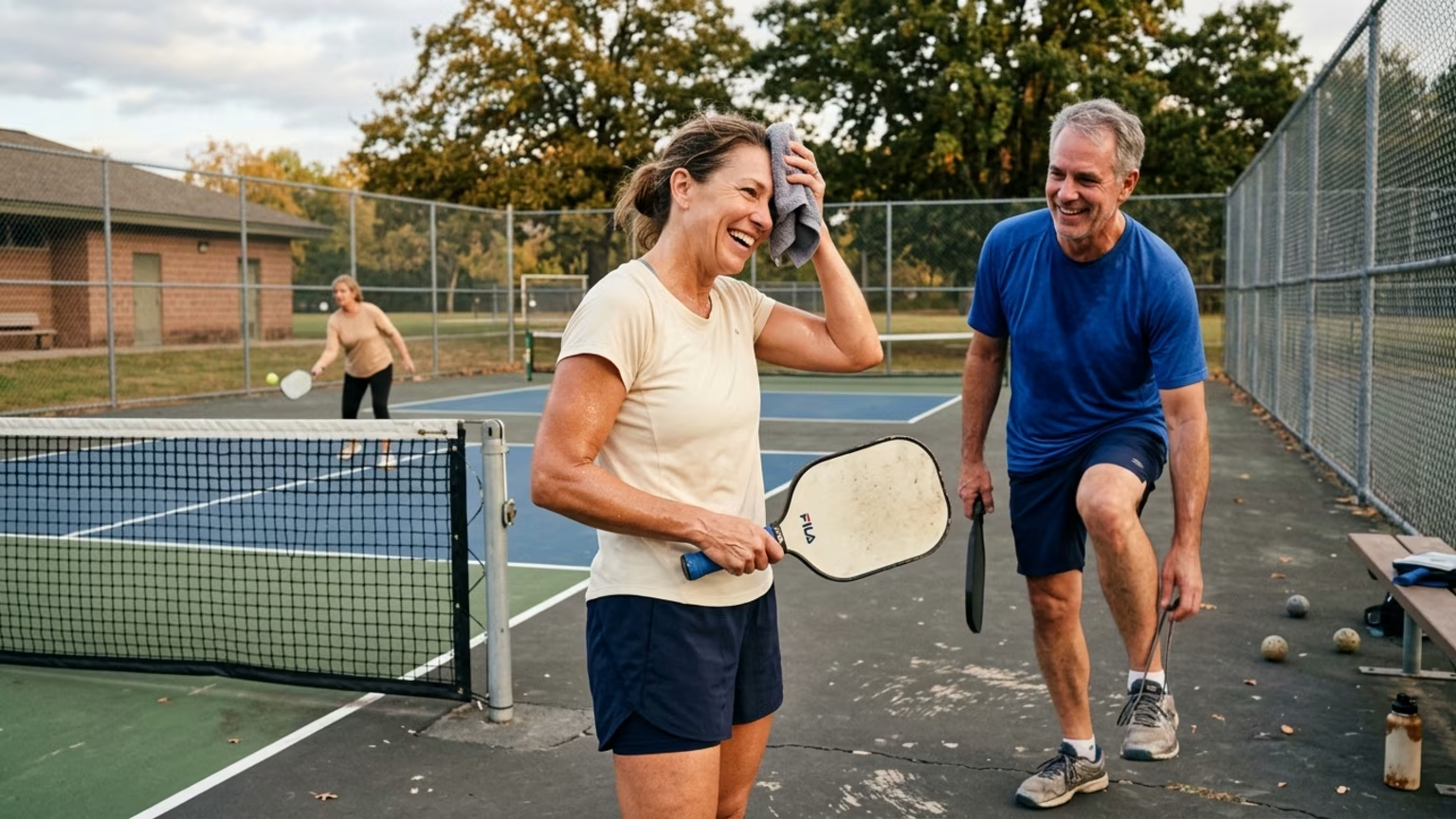
Recent guidelines emphasize gradual progression, dynamic warm-ups, and scheduled recovery to help adult racquet sports players maintain athletic longevity.
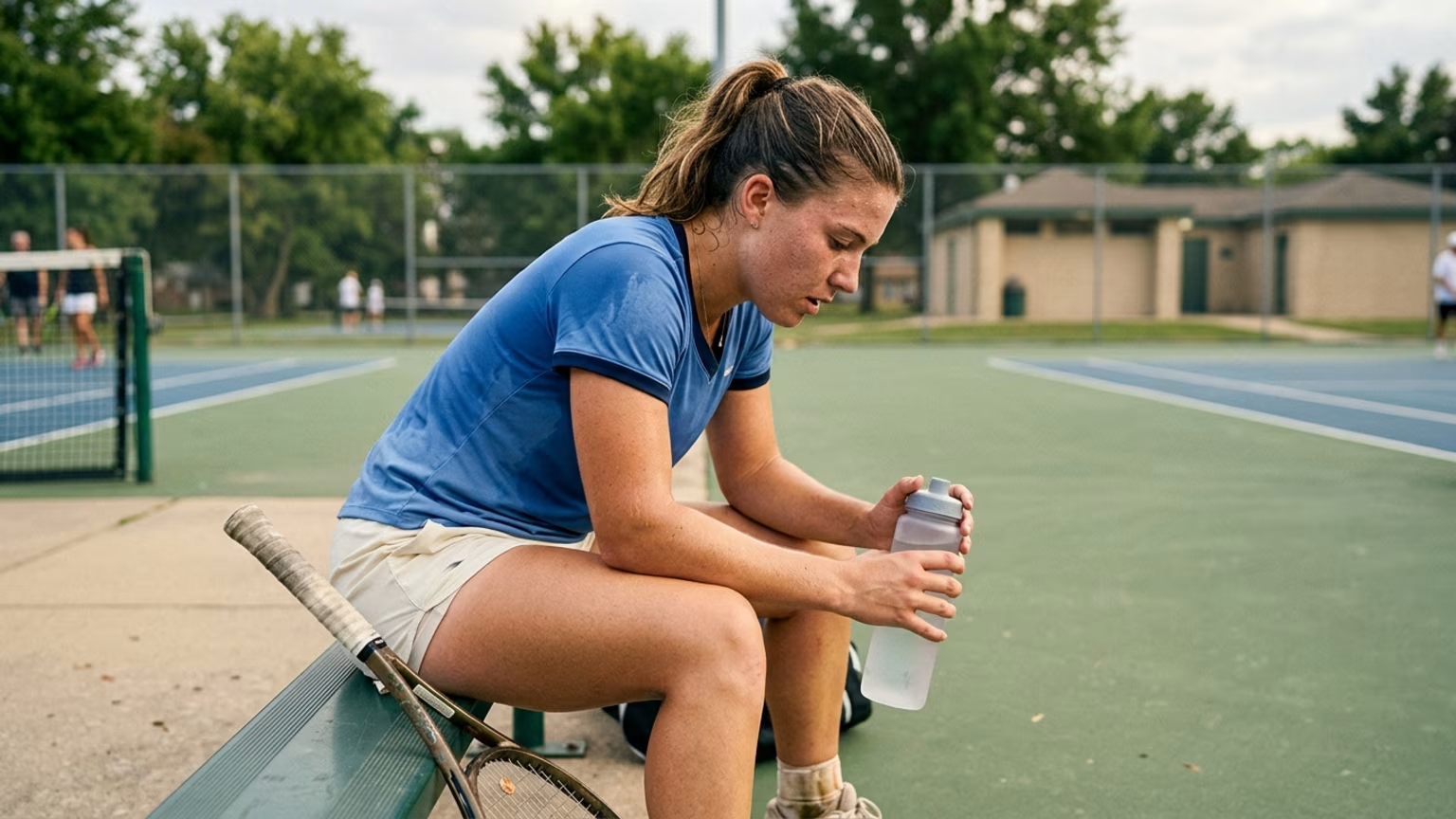
Emma Navarro’s early end to her 2026 season highlights the reality of RED-S. Learn why persistent fatigue requires proper assessment, not just more training.
Read practical guidance for better movement, smarter preparation and a game that keeps working for you.
explore the Blog
