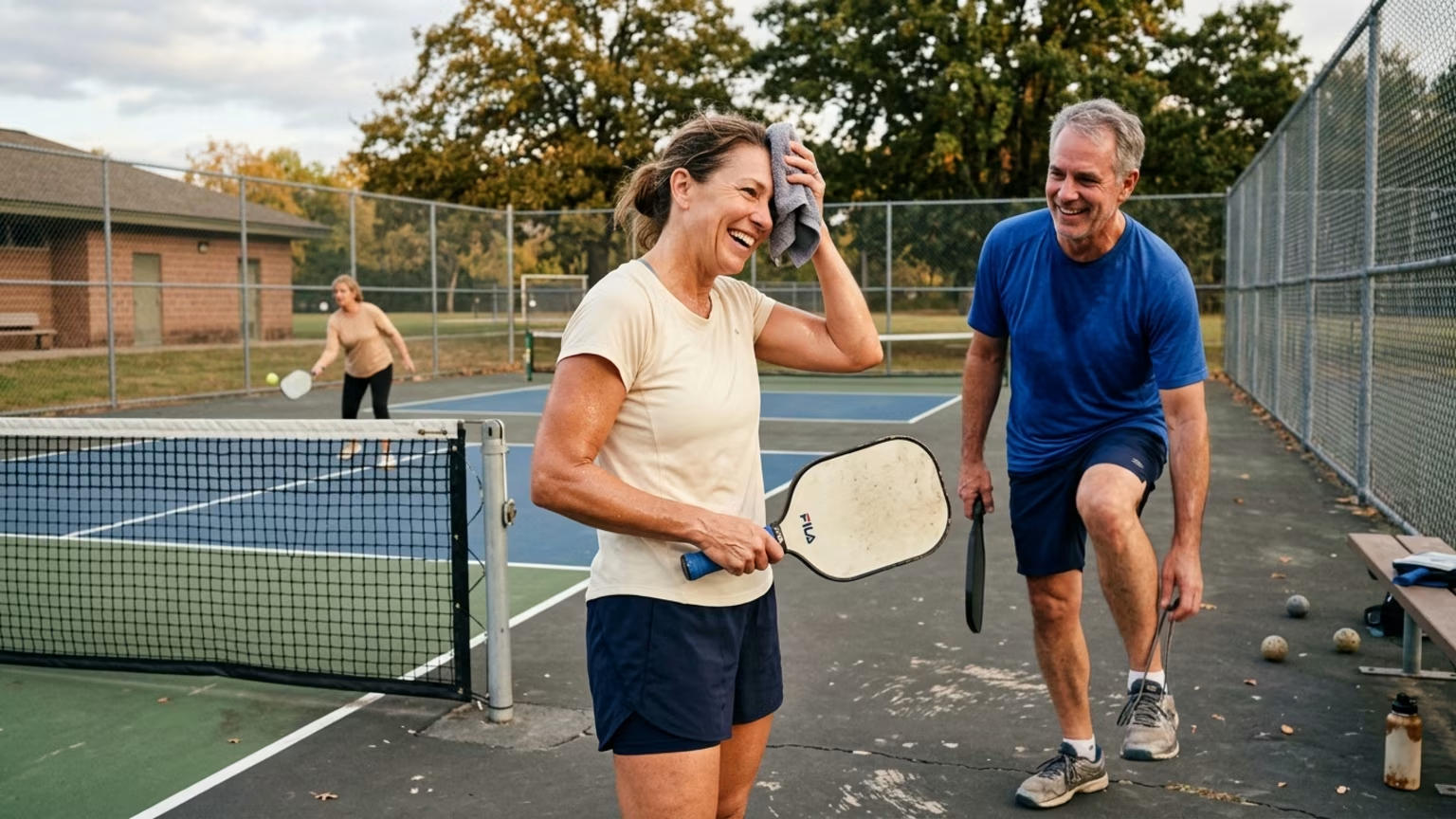

Recent guidelines emphasize gradual progression, dynamic warm-ups, and scheduled recovery to help adult racquet sports players maintain athletic longevity.




A September 30, 2026, U.S. News article advises people starting or changing a workout routine to begin with shorter, lower-intensity sessions. The publication emphasized that individuals must increase physical challenges gradually rather than making a sudden jump in workload. The guidance also recommended employing a dynamic warm-up, maintaining sound technique, and distinguishing ordinary muscle fatigue from pain that could signal injury. In parallel, a September 2026 Tennis Canada article, drawing on Cleveland Clinic Canada experts, issued closely related advice. This coverage recommended that people returning to sport allow time to adapt and prioritize recovery. Both sets of guidance explicitly direct adult athletes to schedule adequate rest and sleep to support long-term physical health. These updates reinforce the growing consensus that careful physical management is the foundation of athletic longevity.
The September 2026 recommendations focus heavily on the physiological necessity of safe, measured adaptation. According to the U.S. News article, adults altering their exercise habits must carefully manage how much physical stress they add to their schedules. Pushing the body aggressively without adequate preparation often leads to setbacks that disrupt consistent training. This reality is especially true for adult athletes managing the physical demands of racquet sports alongside everyday responsibilities.
The newly highlighted guidance states that correct form matters immensely for overall physical safety. U.S. News noted that poor technique can actively increase injury risk, suggesting that individuals seek instruction from a trainer or experienced person when needed. A separate September 2026 U.S. News article on strength training reinforced this exact approach. It recommended steady progression, strict attention to form, and sufficient rest between sessions. These principles ensure that muscles and connective tissues have time to strengthen before handling heavier loads.
A September 2026 University of Texas Medical Branch health article also addressed physical preparation for athletic activity. It recommended gradually rebuilding activity after time away and using dynamic movements before strenuous exercise. This involves incorporating sport-specific movements where appropriate to better prepare the joints and muscles for targeted loads. By gradually introducing these specific stresses, the body can build the necessary physical resilience without being overwhelmed.
The Cleveland Clinic Canada experts cited by Tennis Canada provided specific physiological guardrails for athletic participation. They advised treating persistent pain, unusual fatigue, or declining performance as potential indicators that activity should be reduced. Pushing relentlessly through these symptoms is counterproductive to maintaining athletic longevity. Proper training requires listening to the body's signals and adjusting output accordingly.
Instead, the experts noted that recovery must be prioritized alongside active training sessions. Tennis Canada's cited guidance points to early assessment as a highly effective way to address a developing physical issue. The U.S. News article clearly stated that persistent discomfort warrants immediate rest and medical advice. Proper rest, adequate sleep, hydration, and nutrition are required components that contribute to successful physical adaptation.
Professional racquet sports athletes operate within meticulously controlled and monitored environments. Their weekly routines are closely overseen by dedicated coaching staffs who measure every minor increase in duration or intensity. Adult recreational players do not have sports science teams analyzing their daily stress levels or recovery metrics. Therefore, weekend competitors must interpret broad health guidelines through a lens of highly practical self-management.
The most critical lesson for adult players is avoiding large increases in both intensity and duration simultaneously. When a recreational player decides to add off-court conditioning, they should maintain or even temporarily reduce their current on-court hours. Scheduling an extra competitive match during the same week you start a new heavy resistance program violates the principle of gradual adaptation. Doing so places an unmanageable burden on muscles attempting to recover.
Tennis Canada’s September 2026 coverage emphasizes that allowing the body time to adapt is essential for anyone resuming sport. Adult players who want to keep enjoying tennis for years to come must plan their seasons strategically. Rest and sleep must be treated as active parts of the training plan, rather than assuming every day needs to be a high-intensity effort. This balanced approach ensures adult players can maintain a sustainable weekly schedule without accumulating excessive physical fatigue.
Proper physical preparation demands a structured approach to mobility long before picking up a racquet. A dynamic warm-up prepares the body for sudden multidirectional movement, serving as essential preparation before stepping onto the court. Tennis Canada gives arm circles, leg swings, and controlled lunges as practical examples of effective dynamic preparation. These exercises actively increase blood flow and prepare joints for the rapid directional changes inherent in racquet sports.
This active movement is vastly superior to walking onto a cold court and immediately serving at maximum effort. The U.S. News guidance flags poor form as a distinct risk factor, meaning technique must remain in view during both court and off-court work. When players are physically prepared through dynamic movement, they are far more likely to maintain proper biomechanics throughout a grueling match. By preparing the muscles appropriately, players lay the foundation for improved performance and better post-match recovery.
Even with excellent physical preparation, players must learn to read their body's feedback accurately and objectively. Recreational players must reliably distinguish ordinary muscle fatigue from sharp pain that could signal an underlying structural issue. Routine post-match soreness typically resolves within a few days, especially when supported by appropriate post-match nutrition and rest. It is a normal physiological response to hard physical work.
In contrast, persistent pain or a noticeable decline in physical performance requires a completely different response. The cited guidelines advise reducing activity and allowing more recovery time when these specific symptoms appear. Evercourts consistently reminds adult players that ignoring unusual fatigue often leads to forced absences from the sport. Taking persistent symptoms seriously and seeking medical advice when necessary is the most pragmatic way to ensure continued participation in racquet sports.
Over the next season, expect recreational racquet sports instruction to increasingly integrate structured recovery principles directly into standard coaching. The clear consensus across recent expert guidelines points toward sustainable workload management over immediate maximal effort. Adult players will likely see more community clubs emphasizing dynamic warm-ups and scheduled rest days as non-negotiable habits. Coaches will place greater focus on athletic longevity, ensuring technique and physical preparation take precedence over raw volume.
This shift toward conservative progression represents a highly mature approach to long-term athletic performance. By acknowledging the body's ongoing need for safe adaptation, the racquet sports community is building healthier environments for adult competitors. Players who adopt these gradual scaling methods will undoubtedly experience fewer interruptions to their competitive seasons. Ultimately, the future of recreational tennis relies on training intelligently to keep players enjoying the sport for years to come. The era of pushing through sharp pain is firmly ending, replaced by a smarter, research-led approach to physical health.
Follow Evercourts for practical insights on tennis, pickleball and padel performance, movement, recovery and healthy ageing. Stay connected for new articles, research-led guidance and ideas to help you play well and keep playing for years.


An evidence check on sports supplements like tart cherry juice. Learn why racquet sports players should prioritize core nutrition over functional foods.
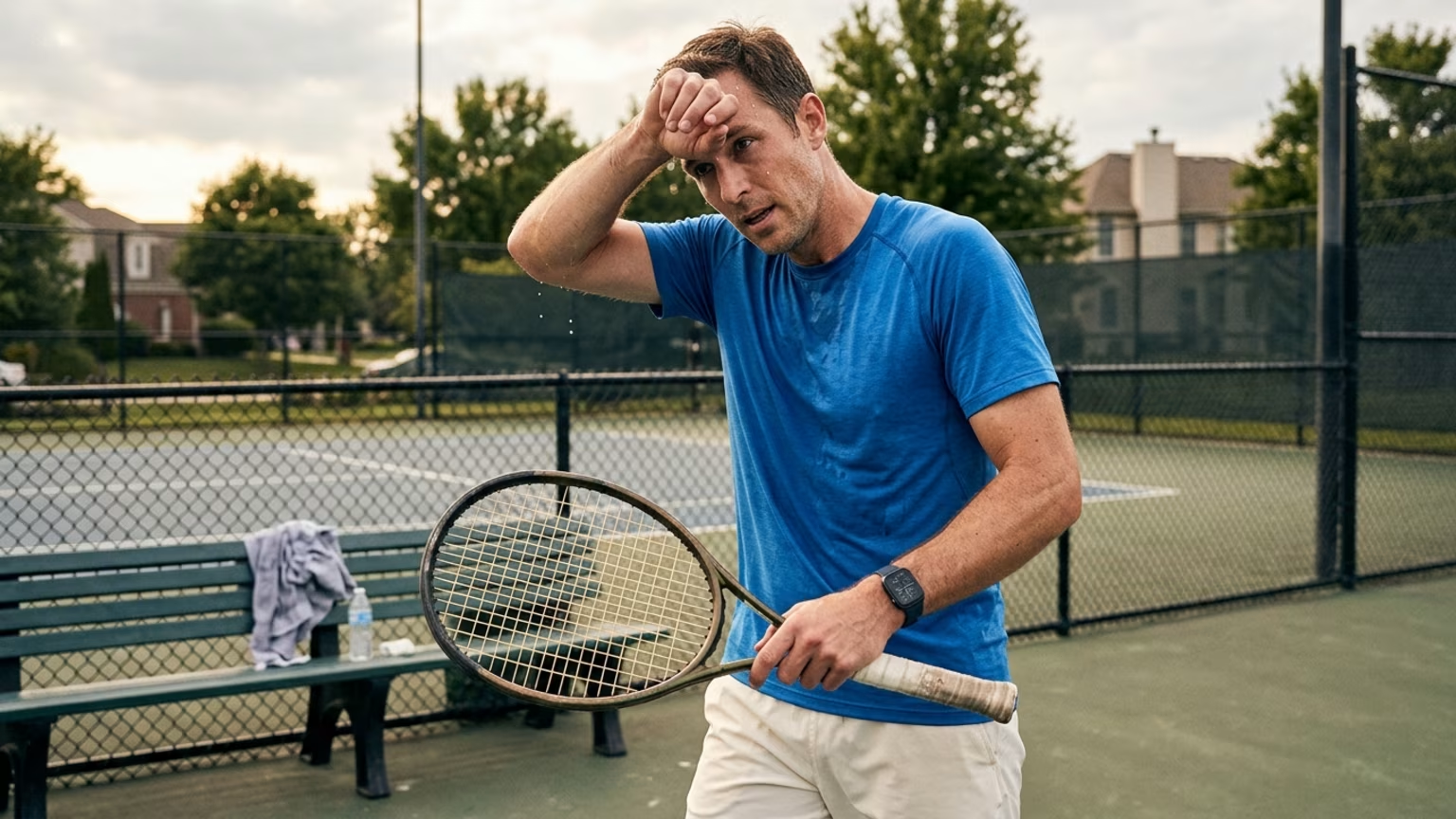
In late 2026, Oura analyzed wearable data to see how recreational tennis impacts heart health and recovery. Learn what this means for your athletic longevity.
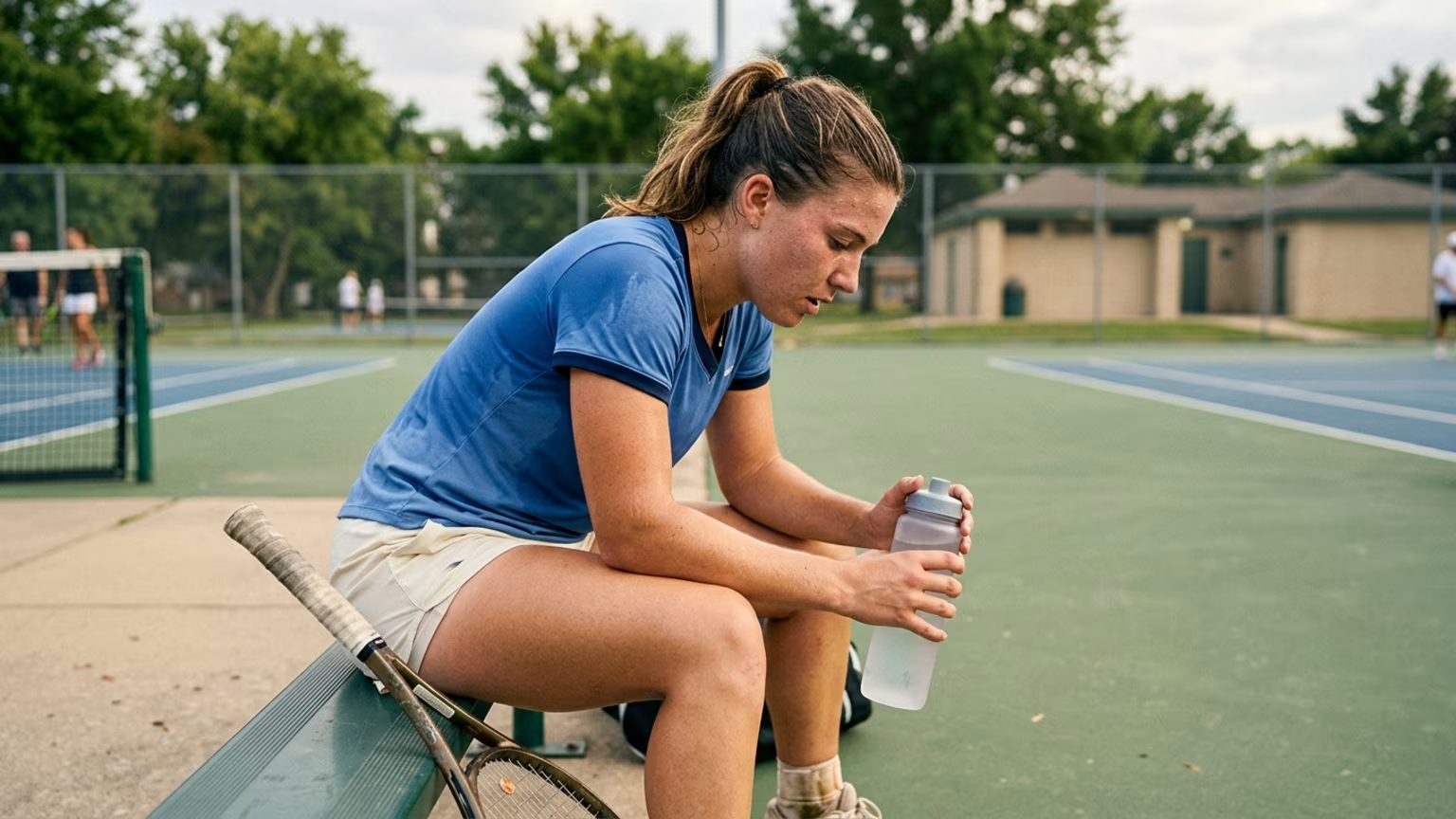
Emma Navarro’s early end to her 2026 season highlights the reality of RED-S. Learn why persistent fatigue requires proper assessment, not just more training.
Read practical guidance for better movement, smarter preparation and a game that keeps working for you.
explore the Blog
