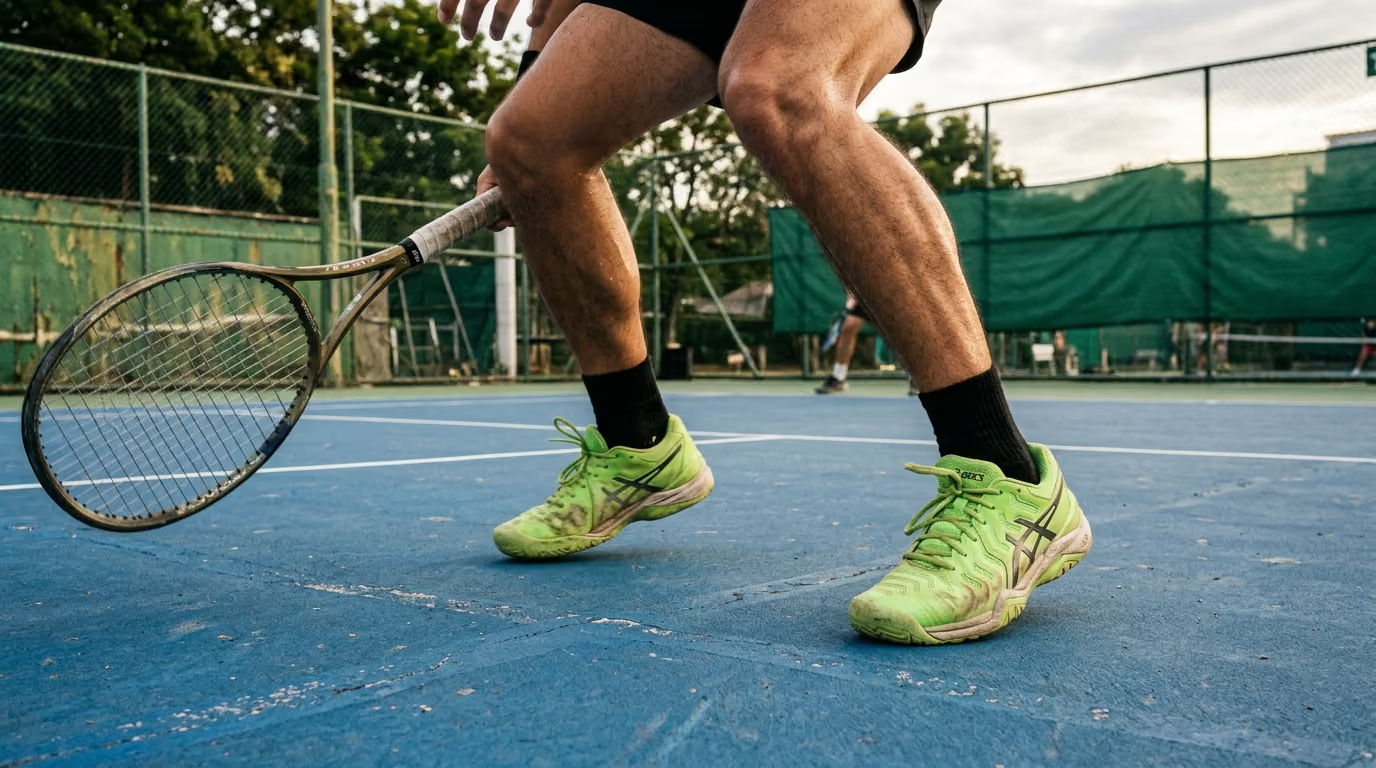
Racquet sports athletes will have a clear understanding of optimal carbohydrate intake strategies to maximize recovery and performance after intense matches.




Imagine walking off the court after a grueling three-set singles match or a fast-paced three-hour tournament. Your legs feel heavy, your grip is fatigued, and you have another match scheduled for tomorrow morning. To recover quickly and maintain high performance, you must strategically replace the carbohydrate stores lost during play. Your recovery plan depends entirely on how much time you have before your next match or demanding training session. If you play again within eight to twelve hours, you need an aggressive hourly carbohydrate protocol. A rest period of twenty-four hours or more allows you to restore these energy levels through normal daily meals.
This guide provides a research-led framework to help racquet sports athletes navigate post-match nutrition. We will look at the science of glycogen storage, practical post-match guidelines, and specific demands for tennis, pickleball, and padel.
To understand why carbohydrates are so important, we must first understand glycogen. Glycogen is the storage form of carbohydrate in skeletal muscle and the liver. Muscle glycogen primarily supports the working muscles during intense physical activity. Liver glycogen helps maintain stable blood glucose levels between meals and during prolonged exercise.
A long or repeated high-intensity session on the court lowers these muscle glycogen stores. This depletion is particularly high in the specific muscle groups repeatedly recruited during court play. These movements include explosive accelerations, deep lunges, jumps, and repeated rotational strokes. Muscle glycogen depletion is not always uniform throughout your entire body. You might feel capable of continuing technically, but you will have a reduced capacity for repeated explosive sprints.
Rebuilding these carbohydrate stores after exercise is called glycogen resynthesis. This process is greatly enhanced when you consume carbohydrates soon after stepping off the court. Exercise increases the muscle’s sensitivity to insulin and activates glucose transport proteins. These proteins move to the cell membrane to pull glucose from your blood into the muscle tissue. The rate of this process is most critical during the early recovery period when another demanding match is imminent.
Research summarized in sports nutrition reviews indicates that maximal early glycogen resynthesis rates occur with a specific intake. You should aim for approximately 1.0 to 1.2 grams of carbohydrate per kilogram of body mass per hour. This rate translates to a glycogen synthesis response of approximately 10 to 11 millimoles per kilogram of wet muscle weight per hour. When you eat within this range, your body can synthesize glycogen at about 0.3 grams per minute during early recovery. Understanding these scientific rates helps us plan practical meals for busy tournament schedules.
We must also distinguish between acute recovery and daily recovery. Acute recovery refers to the first few hours after a demanding session. During this short window, rapid carbohydrate delivery is essential if your next match is close. Daily recovery refers to restoring glycogen over the following twenty-four to thirty-six hours through your general diet. It does not rely on a single post-match shake or quick snack. Making this distinction prevents you from making common mistakes, such as relying entirely on a recovery drink after a long day of matches.
Your carbohydrate recovery plan should never be a rigid prescription. Instead, you must match your intake to the time available before your next demanding court session. You can use a simple decision rule based on your playing schedule to guide your nutritional choices.
This is the most urgent recovery scenario. It occurs most often during tournaments, club championships, or multi-session training days. Your primary goal is to maximize the rate of glycogen storage as fast as possible. You should begin consuming carbohydrates immediately after your first match ends.
Aim for 1.0 to 1.2 grams of carbohydrate per kilogram of body mass every hour for the first four hours. This requires easily digestible carbohydrates that do not cause gastrointestinal discomfort. You should distribute this amount into small, frequent portions rather than eating one massive meal.
This scenario is common when you play matches on consecutive days. You still need to begin your carbohydrate intake promptly, but the extreme urgency is reduced. You can integrate your carbohydrate targets into your normal daily meals and snacks.
You do not need to consume large amounts of liquid carbohydrates immediately. Instead, focus on meeting your total daily carbohydrate target. This target generally ranges from 5 to 10 grams per kilogram of body mass per day. Adjust this amount based on your total match duration and intensity.
If your next hard session is two days away, immediate post-match timing becomes less decisive. Your body has ample time to restore glycogen. You will successfully recover if you consume enough total carbohydrates and overall energy across the next two days.
According to glycogen metabolism reviews, an intake of 10 grams per kilogram per day under rest conditions can maximize glycogen restoration. However, this is a high-load refueling target meant for elite athletes. For recreational players with moderate training volumes, a daily range of 3 to 5 grams per kilogram is sufficient. If your play is moderately intense, aim for 5 to 7 grams per kilogram per day.
Racquet sports are not all the same. Each sport places unique physiological demands on your body, which changes your nutritional recovery needs. For personalized guidance on managing these athletic demands, you can review our resources for court athletes.
Tennis is characterized by a highly variable work to rest pattern. Studies show that effective playing time represents only a fraction of the total elapsed match time. On clay courts, the ball is actively in play for twenty to thirty percent of the match. On hard courts, this number drops to ten to fifteen percent.
Singles points typically last between six and eighty seconds. This intermittent structure means that elapsed match duration alone does not reveal your true carbohydrate demand. A three-hour match with long breaks and short rallies uses less glycogen than a shorter match with relentless, long rallies.
For matches lasting more than two hours, tennis-specific guidelines recommend consuming 30 to 60 grams of carbohydrate per hour during play. Some expert group statements allow a broader range of 30 to 90 grams per hour. This during-match intake directly reduces the amount of glycogen you deplete. It also makes your post-match recovery window much easier to manage.
Research on carbohydrate supplementation in tennis articles shows mixed results. In one simulated 180-minute tennis study, players showed no significant improvement in match performance when using carbohydrate supplements compared to a placebo. However, their blood glucose levels remained higher with the carbohydrate supplement. The authors suggested that the metabolic demand was not high enough to lower blood glucose because the players began the study with a high baseline carbohydrate intake of over 8 grams per kilogram per day.
This finding does not mean carbohydrates are useless for tennis players. It shows that entering a match fully fueled reduces the need for aggressive during-match supplementation. However, long matches in hot weather or back-to-back tournament days will still require a structured recovery plan.
Padel is a fast-paced game characterized by repeated explosive actions, moderate-duration points, and frequent rest intervals. Points in padel typically last ten to fifteen seconds. These points feature four to six strokes per rally. The work to rest ratio in padel ranges from 1:1.13 to 1:1.41.
A systematic review of padel match play describes moderate physiological responses. Players often report high perceived effort, but the contribution from anaerobic energy systems is lower than in some other sports. Padel matches typically last about 35 to 36 minutes per set.
Because matches are played as the best of three sets, total court time can quickly accumulate. Padel players should avoid assuming that short sets mean minimal carbohydrate depletion. A three-set match or a long tournament day with multiple matches can create a massive cumulative recovery requirement. To learn more about managing these unique court demands, explore our dedicated section on padel articles.
The scientific evidence base for pickleball-specific carbohydrate recovery is still developing. Currently, there are fewer laboratory studies on pickleball than on tennis. Therefore, pickleball players should adapt general athletic guidelines based on their actual playing habits.
Do not base your nutrition solely on the name of the sport. Instead, evaluate your session duration, match density, playing intensity, and environmental heat. A short, recreational pickleball session with plenty of social rest fits into a lower daily carbohydrate range.
Conversely, a competitive tournament involving multiple matches, quick starts, and hot weather requires aggressive carbohydrate recovery. Track your tournament schedule and cumulative court hours. Do not assume that a smaller court or shorter rallies eliminate the need for proper fueling. You can find more practical advice on managing tournament nutrition in our pickleball articles section.
To meet your carbohydrate targets without stomach upset, you must choose the right food forms. The total amount of carbohydrate you consume is more important than the specific brand of supplement. Moderate-to-high glycemic index carbohydrates are highly effective for rapid glycogen restoration immediately after exhaustive exercise.
When you need to restore glycogen quickly, divide your intake into smaller, frequent portions. This approach reduces the difficulty of consuming several hundred grams of carbohydrate after a long match. It also minimizes the risk of nausea, bloating, or diarrhea.
Liquid options are excellent immediately after a match when your appetite is suppressed. They empty from the stomach quickly and help with rehydration. Good choices include:
Once your stomach settles, you can transition to solid, easily digestible foods. Focus on low-fiber, low-fat options to speed up digestion. Excellent choices include:
For large carbohydrate loads, combinations of glucose and fructose are highly beneficial. A glucose-to-fructose ratio near 2:1 is recommended for post-exercise recovery. This combination uses different absorption pathways in your gut, which increases total carbohydrate uptake.
However, you should never introduce highly concentrated fructose mixtures for the first time during an important tournament. Individual gastrointestinal tolerance varies significantly. Always practice your recovery nutrition plan during training blocks before using it in competition.
Carbohydrates are the primary fuel for restoring glycogen, but they do not work alone. A complete recovery plan must also address protein intake, hydration, and overall tissue health. For comprehensive guidance on how lifestyle factors influence your physical capabilities, visit our section on recovery science.
Eating enough total energy is essential for proper glycogen synthesis. If you do not consume enough total calories, your body will use dietary carbohydrates for basic energy needs rather than storing them as glycogen. This can delay your recovery even if your carbohydrate targets look correct on paper.
Protein is another vital component of your post-match recovery meal. While protein does not replace carbohydrates for glycogen synthesis, it supports muscle repair and adaptation. When you consume protein alongside carbohydrates, you support muscle protein synthesis and reduce muscle soreness.
Aim for 20 to 40 grams of high-quality protein in your post-match meals. However, avoid turning your recovery snack into a protein-only option. Without sufficient carbohydrates, your body cannot efficiently restore its energy reserves.
Hydration is equally important for overall recovery. You may finish a long match with significant fluid and electrolyte deficits. Carbohydrate-electrolyte beverages are practical because they address both hydration and energy needs simultaneously.
The sodium in these drinks helps your body retain fluids and stimulates glucose absorption in your gut. Practice calculating your sweat rate by weighing yourself before and after matches. This helps you determine exactly how much fluid you need to replace.
Our team has experienced this firsthand. I remember finishing a tough two hour padel match on a cold Tuesday night and waking up the next morning feeling like my lower back was locked in concrete. For a long time, I just accepted this as the price of playing hard in my forties. But once I started spending just ten minutes on targeted hip mobility before heading to the club, the stiffness almost completely vanished. It taught me that we do not have to accept pain as a default state of aging. Combining targeted movement with precise nutritional recovery is the true cornerstone of athletic longevity. To read more about our philosophy on physical preparation and movement, visit the About Evercourts page.
Even experienced players can make mistakes when planning their post-match nutrition. Avoiding these common pitfalls will help you maintain your performance and support your healthy aging and athletic longevity goals.
Many players reach for a pure protein shake immediately after a match. While protein is important for muscle repair, it does not restore depleted glycogen stores. If you drink a protein shake, make sure to pair it with a high-carbohydrate food like a banana or some rice cakes.
You do not need to consume 1.2 grams of carbohydrate per kilogram of body mass per hour after every light recreational session. If you have twenty-four hours or more before your next match, simply focus on eating balanced meals. Forcing excessive amounts of sugar immediately after a light match can lead to unnecessary calorie intake and digestive discomfort.
Padel and pickleball tournament formats often require you to play three or four short matches in a single day. Do not assume that because each individual match was short, your carbohydrate needs are low. The cumulative load of repeated explosive movements, quick starts, and short sprints can severely deplete your muscle glycogen stores by the end of the day.
If you rely on whatever food is available at the court facility, you may struggle to find appropriate options. Many club snack bars only offer high-fat, high-fiber, or highly processed options that slow down digestion. Always pack your own trusted, easily digestible carbohydrates in your court bag.
Nutritional targets are highly individualized. A 60-kilogram player and a 90-kilogram player should not consume the same absolute amount of recovery food. Use your body weight to calculate your specific targets rather than copying a teammate's nutrition plan.
Your gut is an adaptable organ that can be trained to handle carbohydrates during and after exercise. If you try to consume a high-carbohydrate meal or sport drink during a high-stakes tournament without practicing beforehand, you may experience severe cramping or nausea. Always test your recovery foods during low-stakes practice sessions first.
To help you apply these numbers, let us look at specific examples of players with different body masses and schedules. For more details on designing an individualized training and nutrition plan, visit our Evercourts blog.
Let us look at a 60-kilogram tournament player who has a second match scheduled in six hours.
Let us look at a 70-kilogram player who has completed a hard tennis match and does not play again for twenty-four hours.
Let us look at an 80-kilogram player who has a second match scheduled in four hours during a hot summer tournament.
Let us look at a 90-kilogram player with a heavy athletic workload who has completed a tournament day and plays again the next morning.
To keep your nutrition organized during a hectic tournament weekend, use this simple step-by-step schedule. For additional advice on managing your court lifestyle, you can read our player health articles.
Eat a carbohydrate-rich dinner that is low in fat and fiber to ensure easy digestion. Excellent options include pasta with red sauce, chicken with rice, or baked potatoes. Drink plenty of water throughout the evening to ensure you start the next day fully hydrated.
Eat a familiar breakfast two to three hours before your warm-up. This meal should provide 1 to 2 grams of carbohydrate per kilogram of body mass. Good choices include oatmeal with fruit, toast with honey, or a banana smoothie. Avoid greasy or highly fibrous foods that can sit heavy in your stomach.
Keep a water bottle and a sports drink at your bench. For matches lasting longer than ninety minutes, aim to consume 30 to 60 grams of carbohydrate per hour. You can achieve this by sipping a sports drink, eating an energy gel, or consuming small bites of a banana during changeovers.
As soon as you shake hands and walk off the court, check your schedule. If you play again in less than eight hours, start your hourly carbohydrate protocol immediately. If you have a full day of rest, simply focus on enjoying a balanced, carbohydrate-rich meal within the next two hours.
While these general carbohydrate guidelines are highly effective for most court athletes, some situations require specialized advice. You should consult a registered sports dietitian, physical therapist, or qualified healthcare provider if you experience any of the following symptoms:
A qualified professional can help you design a customized nutrition plan that matches your specific health status, training volume, and athletic goals.
When to revisit this resource: Review these carbohydrate recovery targets and calculations before your next major tournament or whenever you plan a block of consecutive high-intensity training days.
By matching your carbohydrate intake to your playing schedule, you can protect your performance, recover faster, and enjoy your time on the court for years to come.
Follow Evercourts for practical insights on tennis, pickleball and padel performance, movement, recovery and healthy ageing. Stay connected for new articles, research-led guidance and ideas to help you play well and keep playing for years.


Read practical guidance for better movement, smarter preparation and a game that keeps working for you.
explore the Blog