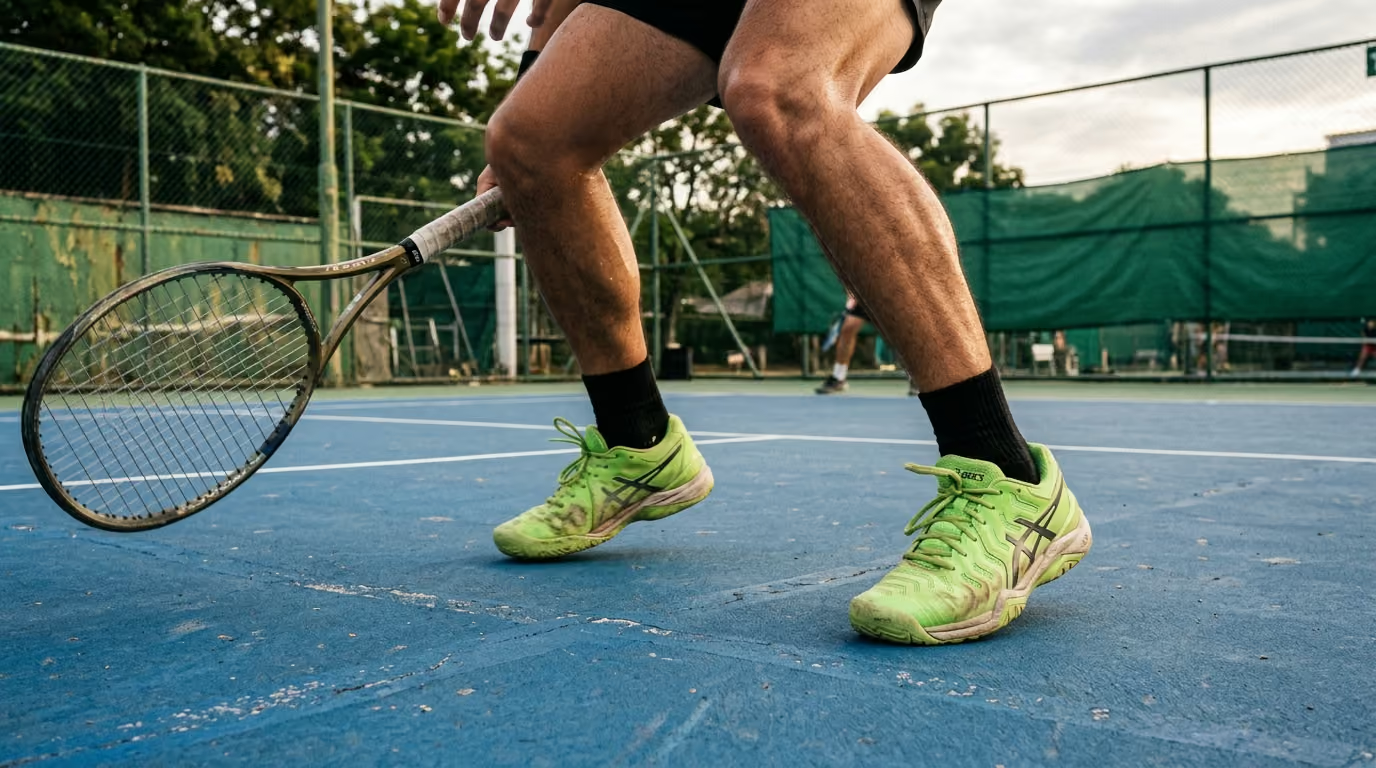
You will learn how to strategically fuel your body for tennis, pickleball, and padel matches, optimizing performance and recovery based on game demands.




Imagine standing on a warm court, preparing to serve for the match. Your legs feel heavy, your concentration slips, and a slight headache begins to form. You might blame your training or your age, but the real culprit is often what you ate or drank hours earlier. Many court athletes struggle to find the right balance of fuel, fluids, and recovery foods to sustain their performance.
To optimize your performance on court, you must fuel for the specific demands of your match rather than relying on generic sport labels. A successful nutrition strategy requires starting well-hydrated, maintaining stable blood glucose with simple carbohydrates during long sessions, and replacing lost fluids and sodium afterward. By adjusting your food and drink to the match duration and weather, you can sustain your energy and support your athletic longevity for years.
A common mistake is building a nutrition plan based solely on whether you play tennis, pickleball, or padel. The name of the sport matters far less than the actual physical demands of the event. A short, indoor doubles match requires a very different approach than a three-hour singles battle in high heat.
To build a reliable nutrition plan, you should use a flexible decision system. First, estimate the demand of your upcoming match or tournament. Second, ensure you start hydrated and adequately fueled. Third, use the simplest tolerable food and fluid plan during play. Fourth, replace what you lost between matches. Finally, adjust your plan over time using physical feedback like body-mass changes, urine color, thirst, and digestive comfort.
This approach avoids rigid rules such as asserting that everyone needs a sports drink or that water is always sufficient. The scientific evidence regarding carbohydrate needs on court is often mixed. For example, a study published in the Journal of Sports Science and Medicine showed that a carbohydrate-electrolyte drink improved overall serve success in tennis players.
In contrast, a separate study examining a simulated three-hour tennis match found no significant performance improvements from carbohydrate supplementation. These mixed results suggest that prior food intake, match duration, and environmental conditions heavily influence your nutritional needs.
For short matches under cool conditions, your normal meals and simple water are usually more than enough. When matches extend past an hour, or when you face multiple games in a single day, targeted fueling becomes essential. Understanding the actual energy demands of your play helps you avoid both under-fueling and unnecessary over-eating.
To perform high-intensity movements like sprints, jumps, and rapid changes of direction, your body relies on carbohydrate availability. This term refers to the total amount of carbohydrate available to your working muscles and brain. It includes glycogen stored in your liver and muscles, as well as the blood glucose derived from the foods you eat.
Muscle glycogen serves as a local energy tank, fueling the rapid contractions needed for powerful strokes and quick footwork. Liver glycogen acts as a central reservoir, releasing glucose into your bloodstream to maintain stable energy and focus. When these stores run low, you may experience physical fatigue, slower reaction times, and poor decision-making on court.
The International Olympic Committee, or IOC, emphasizes that athletes should begin events lasting an hour or more with adequate carbohydrate stores. This is particularly true for tournament play. While you might feel perfectly fine during your first match, your glycogen stores can gradually deplete over consecutive games. If you do not replenish these stores, you will likely struggle in later rounds.
Your carbohydrate strategy should be divided into daily intake, pre-match meals, during-match fueling, and post-match recovery. Daily intake supports your regular training and overall health. Pre-match meals top up your glycogen stores so you do not start at a disadvantage. During-match and post-match fueling protect your performance and accelerate your recovery.
While carbohydrates are your primary fuel source on court, protein is essential for overall muscle repair and cellular health. Protein is not an efficient rapid energy source during a match, meaning you do not need large protein shakes immediately before or during play. Large protein servings during exercise can slow digestion and cause stomach discomfort.
According to the International Society of Sports Nutrition, or ISSN, most active individuals require a daily protein target of 1.4 to 2.0 grams per kilogram of body weight. To make this practical, aim for roughly 0.25 grams of protein per kilogram of body weight per serving. This equates to about 20 to 40 grams of high-quality protein per meal, distributed at three- to four-hour intervals across the day.
Fluid balance is another critical pillar of your court performance. The main goal of hydration is not to replace every single milliliter of sweat as you lose it. Instead, the IOC advises athletes to limit fluid losses to less than approximately 2% of their total body mass. Drinking too much fluid can lead to weight gain during exercise, which can cause discomfort and lower your speed on court.
To maintain hydration, you must balance your fluid intake with your individual sweat rate. Sweat rates vary wildly between players based on body size, fitness, and weather. In an indoor tennis study, researchers found that mean sweat loss was about 1.2 liters per hour, while fluid intake averaged 1.1 liters. This shows that even in mild indoor conditions, sweat losses can be substantial and deserve your attention.
Your match preparation begins the day before you step onto the court. The goal is to ensure your muscles are well-stocked with energy and your body is fully hydrated. You do not need to follow extreme carbohydrate-loading protocols for a standard weekend match. Instead, focus on eating familiar, balanced meals that contain a generous serving of carbohydrates.
The IOC recommends a daily carbohydrate intake of 5 to 7 grams per kilogram of body weight for moderate-duration training. If you are preparing for a dense tournament schedule, your needs may rise to 7 to 12 grams per kilogram. Good options for the day before include rice with chicken and vegetables, pasta with a lean protein source, or potatoes with fish.
On the day of your match, your pre-match meal should provide easily digestible energy while avoiding stomach heaviness. Aim to eat a carbohydrate-rich meal two to four hours before your warm-up begins. This timing allows your stomach to empty and helps normalize blood sugar levels. Keep this meal relatively low in fat and fiber to prevent gastrointestinal distress on court.
If you need a boost closer to the match, consume a small carbohydrate snack 30 to 90 minutes before play. Great options include a banana, an applesauce pouch, or a low-fiber cereal bar. For your hydration, the American College of Sports Medicine, or ACSM, recommends drinking 5 to 7 milliliters of fluid per kilogram of body weight at least four hours before exercise. If your urine is dark or you still feel thirsty, drink an additional 3 to 5 milliliters per kilogram two hours before play.
Once play begins, your nutrition plan should match the duration and intensity of the match. For short sessions lasting under an hour, plain water is usually sufficient, and extra carbohydrates are optional. However, when play extends past 60 minutes, consuming 30 to 60 grams of carbohydrates per hour can help maintain your physical speed and mental focus.
To meet this target, choose portable, easy-to-digest carbohydrate sources that fit into your sport's break structure. Gels, sports drinks, bananas, and soft pretzels are all excellent choices. During tennis changeovers or between padel sets, take small, frequent bites or sips rather than consuming large amounts at once. This practice helps prevent stomach cramping and keeps your energy levels stable.
Your fluid intake during the match should be guided by your sweat rate and the weather. The ACSM suggests a broad fluid intake range of 600 to 1,200 milliliters per hour when using a sports drink. This is not a strict rule, and smaller players or those in cool conditions will require less. Sip fluid regularly during changeovers rather than waiting until you are severely thirsty.
Sodium is the primary electrolyte lost in sweat, and its replacement becomes crucial during long, hot matches. The ACSM recommends a sodium concentration of 500 to 700 milligrams per liter of fluid for exercise lasting longer than one hour. In extreme heat, the IOC suggests using diluted carbohydrate-electrolyte drinks containing 0.4 to 0.85 grams of sodium per liter to support fluid retention and prevent cramping.
While the fundamental rules of nutrition apply to all players, each racquet sport has a distinct physical profile. Tennis is characterized by high-intensity sprints, rapid lateral movements, and prolonged match times. Because singles tennis matches can last several hours, players face a high risk of glycogen depletion and severe fluid loss.
To support these demands, tennis players often require a higher daily carbohydrate intake, sometimes reaching 7 to 10 grams per kilogram. Because tennis has highly predictable breaks during changeovers, players can easily implement a scheduled drinking and fueling routine. Sipping 200 milliliters of fluid every 15 minutes in mild weather, and up to 400 milliliters in hot conditions, can help maintain fluid balance.
Padel is typically played in a doubles format, involving rapid accelerations, defensive wall play, and long rallies. Research shows that padel matches average an oxygen consumption of 40% to 50% of VO2max, with heart rates reaching around 76% to 85% of maximum. While this indicates a slightly lower cardiovascular load than singles tennis, long matches in enclosed, warm courts still pose a high thermoregulatory challenge. A survey of padel players revealed that 94% rely on water and 86% eat bananas during matches, though sports drinks are preferred for longer sessions.
Pickleball matches are often shorter than tennis, but tournament formats can require playing several matches over a single weekend. Because pickleball-specific nutrition research is still developing, players should apply general exercise guidelines based on their specific match density. If you play a single doubles match, water is plenty. If you are entering an all-day tournament, you will need a structured carbohydrate and electrolyte plan to sustain your energy across multiple rounds.
To help you apply these principles to your own schedule, let us look at some common court scenarios. In our experience, having a clear template for different match types takes the stress out of preparation. You can adjust these examples based on how your body responds to different foods and environmental conditions.
In this scenario, the player has eaten a normal breakfast two hours prior and expects a single, moderate-intensity game. Because the match is short and indoors, water is the only fluid required during play. Extra carbohydrates and electrolyte supplements are unnecessary here. The player can simply focus on eating a balanced meal afterward to support their general training.
This high-demand situation requires a deliberate preparation and fueling strategy. The player should eat a carbohydrate-rich meal three hours before the match and arrive fully hydrated. During play, they should aim for 30 to 60 grams of carbohydrates per hour, using a combination of sports drinks and energy gels. If the weather is hot, they should ensure their fluids contain 500 to 700 milligrams of sodium per liter.
Tournament schedules with high match density require a continuous recovery mindset. The player must prioritize rapid glycogen replenishment and rehydration immediately after each match. Between matches, they should consume 1.0 to 1.2 grams of carbohydrates per kilogram of body weight per hour, along with 20 to 40 grams of protein. Portable options like rice bowls, turkey sandwiches, and recovery shakes are highly practical for these busy tournament days.
Players who sweat heavily or notice white salt streaks on their clothing must take extra care with hydration. They should estimate their sweat rate in training and ensure they do not start their match dehydrated. During play, they should use a dedicated sports drink with a higher sodium content to help their body retain fluids. They should avoid drinking excessive amounts of plain water, which can dilute blood sodium levels and lead to hyponatremia.
Players with sensitive stomachs should focus on low-fiber, low-fat foods in the hours leading up to their match. During play, they should avoid highly concentrated carbohydrate drinks, which can draw water into the gut and cause bloating or diarrhea. Instead, they should use diluted sports drinks, bananas, or baby food pouches. Testing these options during low-stakes practice matches is the best way to find what works.
As we age, our thirst sensation can naturally decline, making older players more susceptible to dehydration. Research examining older padel players during 90-minute training sessions suggests that structured drinking schedules are highly beneficial. Older athletes should monitor their fluid intake closely and avoid relying solely on thirst to guide their drinking. If you have underlying health conditions like high blood pressure or kidney disease, consult your doctor to customize your fluid and sodium targets.
Despite their best intentions, many players fall victim to common nutrition and hydration myths. Recognizing these pitfalls can save you from poor performance and digestive issues during your next match.
One frequent mistake is assuming that water is always enough for every single situation. While water is perfect for short games, it does not replace the sodium lost during heavy sweating. Drinking only plain water during a long, hot match can lead to muscle weakness and fatigue.
On the other hand, assuming that everyone needs a sports drink for every match is also a mistake. If your session is short and cool, buying expensive sports drinks simply adds unnecessary sugar and calories to your day. You can learn more about managing your energy levels and court lifestyle by visiting our competition court lifestyle page.
Another common pitfall is the belief that drinking more fluid is always better. Forced drinking can cause stomach sloshing, discomfort, and even dangerous dilutions of blood sodium. Your goal should be to limit body mass losses to around 2%, not to over-hydrate.
Many players also believe that consuming electrolytes will instantly prevent all muscle cramps. While sodium helps replace sweat losses, cramping is a complex issue that is often caused by muscle fatigue rather than simple mineral depletion.
Finally, do not make the mistake of consuming large amounts of protein during a match. Protein is slow to digest and does not provide the rapid energy your muscles need during a sprint. Save your protein intake for your pre-match meals and your post-match recovery window, where it can actually go to work repairing your muscle tissue.
What you eat and drink after a match plays a massive role in how your muscles recover and adapt. If you step off the court and ignore your recovery nutrition, you prolong your muscle soreness and delay your return to peak performance. This is especially important for players who want to maintain their athletic longevity and continue playing for decades.
I remember finishing a tough two hour padel match on a cold Tuesday night and waking up the next morning feeling like my lower back was locked in concrete. For a long time, I just accepted this as the price of playing hard in my forties. But once I started spending just ten minutes on targeted hip mobility before heading to the club, the stiffness almost completely vanished. It taught me that we do not have to accept pain as a default state of aging.
Our physical recovery is directly linked to how we fuel our bodies. To speed up muscle repair and reduce soreness, your post-match recovery should focus on the three Rs: rehydrate, replenish, and repair. You can check out our detailed recovery science resources to find more evidence-based strategies for your post-match routine.
To rehydrate effectively, aim to drink about 1.25 to 1.5 liters of fluid for every kilogram of body mass lost during your match. Include some sodium in your fluids or eat a salty snack to help your body retain that water. To replenish your energy, consume 1.0 to 1.2 grams of carbohydrates per kilogram of body weight soon after playing.
To repair your muscle tissue, include 20 to 40 grams of high-quality protein in your post-match meal. Combining carbohydrates and protein together stimulates muscle protein synthesis and speeds up glycogen storage. This combination helps rebuild damaged muscle fibers, reduces morning stiffness, and keeps your joints moving smoothly. If you want to build stronger muscles to support your joints, you can also explore our strength and conditioning resources for targeted guidance.
Because every player has a unique physiology, you should not copy another athlete's diet plan. The best way to find your optimal strategy is to collect simple, objective data from your own training sessions. By tracking a few basic metrics, you can easily customize your food and fluid intake to match your body's needs.
Start by calculating your personal sweat rate during a typical practice session. Weigh yourself in minimal clothing immediately before you step on the court. Play for one hour, keeping track of exactly how much water or sports drink you consume. Avoid using the bathroom during this hour if possible, as this can affect your measurements.
Once the hour is up, dry yourself off completely and weigh yourself again in the same clothing. Use this simple formula to calculate your sweat loss:
Sweat Loss = Pre-Exercise Body Mass - Post-Exercise Body Mass + Fluid Consumed
For example, if you weighed 80 kilograms before play, drank 500 milliliters of water, and weighed 79.7 kilograms afterward, your sweat loss is 800 milliliters per hour. Knowing this number allows you to plan your fluid intake for future matches with real accuracy. Repeat this test in different weather conditions, as your sweat rate will rise significantly in hot and humid environments.
In addition to sweat rate, keep a simple training log to track how different foods affect your energy and digestion. Note what you ate before play, how much you drank, and how you felt physically during the match. If you experienced sluggishness, cramping, or stomach issues, adjust your food choices or timing for the next session. This systematic approach takes the guesswork out of your preparation and helps you build a highly reliable game-day routine.
While most players can successfully manage their own match nutrition, certain situations require specialized expertise. If you experience persistent issues that do not improve with simple adjustments, it is time to seek professional guidance.
Consult a qualified healthcare provider or a registered sports dietitian if you experience chronic, severe muscle cramping that does not respond to fluid and sodium adjustments. You should also seek professional help if you suffer from severe gastrointestinal distress, such as vomiting, severe bloating, or persistent diarrhea during or after play.
If you have underlying health conditions like diabetes, kidney disease, high blood pressure, or cardiovascular issues, you must consult your doctor before making major changes to your fluid and sodium intake. Medications can significantly affect how your body handles minerals and hydration. To learn more about managing your physical well-being on and off the court, browse our player health articles.
A professional can help you design a safe, highly tailored plan that supports both your health and your performance. Do not ignore warning signs like chronic fatigue, unexplained weight loss, or recurring injuries. Taking a proactive, research-led approach to your health ensures you can continue enjoying your favorite racquet sports for many years to come.
Follow Evercourts for practical insights on tennis, pickleball and padel performance, movement, recovery and healthy ageing. Stay connected for new articles, research-led guidance and ideas to help you play well and keep playing for years.


Read practical guidance for better movement, smarter preparation and a game that keeps working for you.
explore the Blog