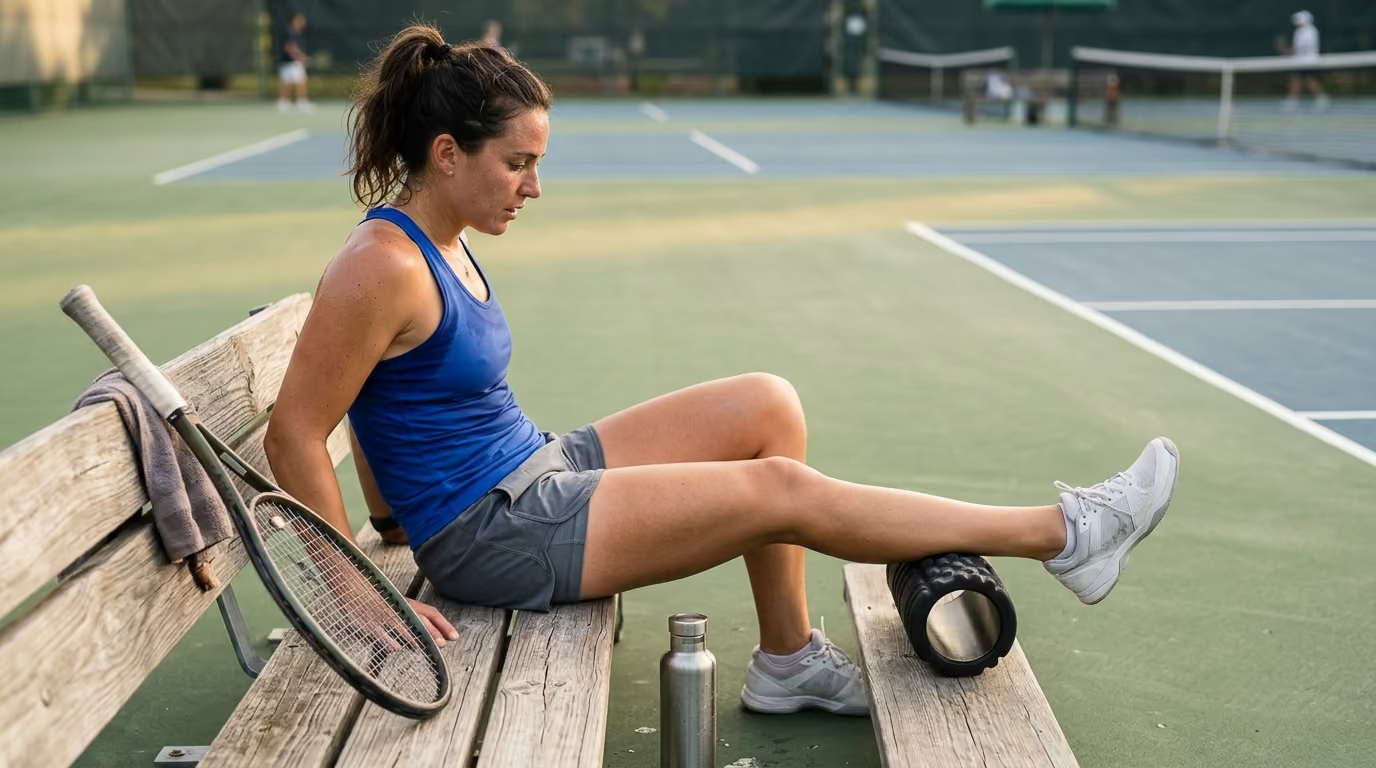

Post-match recovery for racquet sports players involves a systematic transition to lower physiological arousal, restore joint mobility, and replenish nutrients.




A proper post-match recovery routine is a systematic transition that lowers physiological arousal, restores comfortable joint range of motion, and replenishes lost fluids and nutrients. Rather than a single magic stretch, successful recovery relies on consistent habits that address muscle stiffness and hydration over several hours. This structured approach helps players maintain movement quality and return to the court feeling physically prepared for their next session.
Many players view the cool-down as a tedious chore or a quick stretch at the gate. Some believe it is a magic shield against tomorrow's muscle soreness. Others use it to justify excessive court time without adequate rest.
This comprehensive guide examines what a post-match routine can actually achieve. We will separate verified physiological facts from common locker room myths. You will learn how to design a practical, evidence-based routine tailored to your specific sport and schedule. This approach will support your athletic longevity and keep you playing the sports you love.
A recovery routine is a sequence of strategic objectives rather than a rigid ritual. The primary goal is to guide your body from a state of high-intensity competition back to a state of rest. This transition requires a physical downshift, neural relaxation, and the restoration of fluid balance.
I remember finishing a tough two hour padel match on a cold Tuesday night and waking up the next morning feeling like my lower back was locked in concrete. For a long time, I just accepted this as the price of playing hard in my forties. But once our team started spending just ten minutes on targeted hip mobility before heading to the club, the stiffness almost completely vanished. It taught us that we do not have to accept pain as a default state of aging.
To build an effective routine, we must distinguish between different types of recovery. These categories help us understand what our bodies need after a demanding match:
An active cool-down can support your comfort and assist this transition. However, it should not be presented as a way to flush lactic acid or prevent all soreness. Research shows that lactic acid clears from the bloodstream naturally within an hour of exercise, regardless of whether you cool down. Furthermore, a cool-down cannot eliminate your injury risk or guarantee your performance the following day. For deeper insights into these physiological processes, you can read our guide on recovery science resources.
Sports science has examined post-exercise recovery routines for decades. The findings often contradict popular fitness advice. Understanding this research helps players avoid wasted effort and focus on strategies that yield real benefits.
An active cool-down usually involves easy walking, cycling, or light jogging immediately after a match. Many players assume this practice improves their physical readiness for the next day. However, scientific reviews paint a more modest picture.
A comprehensive narrative review analyzed the effects of active cool-downs on athletic performance. The researchers concluded that active cool-downs generally do not improve performance when the next training session is more than four hours away. The effects of these cool-downs on next-day performance were found to be trivial or highly uncertain.
Active cool-downs are still useful, but their benefits are practical rather than biochemical. They keep you moving while your heart rate settles. They also provide a structured window to assess how your body feels after competition.
Static stretching is the most common post-match activity. Many players stretch to prevent delayed onset muscle soreness, which is commonly known as DOMS. Unfortunately, the scientific consensus does not support this practice.
A major systematic review and meta-analysis analyzed the impact of post-exercise stretching on muscle soreness. The researchers examined pain levels at 24, 48, and 72 hours after exercise. They compared stretching to passive recovery, which simply means resting.
The analysis found no meaningful effect of stretching on DOMS. The statistical correlation was incredibly weak, and the confidence intervals showed no real impact. The researchers concluded that there was insufficient evidence to recommend post-exercise stretching as a way to reduce soreness.
A separate review confirmed these findings but noted a different benefit. While stretching does not reduce DOMS or restore muscle strength, it can help restore your normal range of motion. It also temporarily reduces musculotendinous stiffness, which can make you feel more comfortable. To learn more about managing joint range of motion, consult our resources on mobility and movement.
An effective post-match routine does not require hours of complex exercises. It should be structured into clear, manageable phases. This structure ensures you address your physical, nutritional, and mental needs in a logical order.
When the match ends, do not sit down immediately. Stopping abruptly after intense play can cause blood pooling in your lower limbs. This pooling can lead to lightheadedness or dizziness.
Instead, walk at an easy pace for three to five minutes. Let your breathing return to normal and let your heart rate drop. During this walking window, conduct a simple head-to-toe physical self-screen:
If you notice any severe or systemic symptoms, prioritize immediate medical attention over any stretching routine.
Once your heart rate has settled, transition to gentle mobility exercises. The goal here is to restore comfortable movement patterns. Do not push your joints into painful positions or perform intense physical work.
Focus on low-intensity, rhythmic movements that target key racquet-sports muscles:
You can include comfortable, static stretches during this phase. Hold each stretch for 20 to 40 seconds at a gentle tension. Focus on the calves, hip flexors, adductors, and chest muscles. Do not bounce or stretch to the point of pain.
Your physical work is now complete, and your focus must shift to nutrition and hydration. This phase directly influences how quickly your body repairs tissue and replenishes energy.
According to the International Olympic Committee sports nutrition consensus, effective rehydration must replace both water and salts lost through sweat. A practical approach is to weigh yourself before and after a match. For every pound of body weight lost during play, aim to drink approximately 20 ounces of water.
If you do not have a scale, monitor your thirst and the color of your urine. Pale, straw-colored urine indicates healthy hydration. Dark urine suggests you need to consume more fluids.
Alongside water, your body needs carbohydrates to restore muscle glycogen and protein to repair muscle tissue. Excellent post-match recovery food options include:
The hours following your match should focus on relaxation and sleep. Avoid any additional high-intensity physical activity. If you feel stiff, a short, easy walk can help keep your joints mobile.
Prioritize your sleep environment to maximize tissue repair and nervous system recovery. The American College of Sports Medicine recommends maintaining consistent bed and wake times. Keep your bedroom cool, dark, and free from digital distractions.
For older players, scheduling one or two complete rest days per week is highly beneficial. These rest days allow your tendons and joints to adapt to your training volume. This balance is a cornerstone of healthy aging and athletic longevity.
While all racquet sports share common movement patterns, each sport places unique demands on your body. Understanding these differences allows you to customize your recovery routine.
Tennis is played on a large court, which demands long sprints and explosive lateral stops. The sport involves high-velocity deceleration forces that place intense stress on the quadriceps, patellar tendons, and calves. Furthermore, tennis matches can easily exceed two hours, which depletes your carbohydrate stores.
Your post-tennis recovery must prioritize glycogen replenishment and lower-limb tendon care. Focus on thorough hydration to counter the effects of long matches in hot conditions. Pay special attention to releasing tension in your shoulder girdle and rotator cuff, which are heavily taxed by high-velocity serves.
Pickleball is played on a smaller court, which reduces your total running distance. However, the game requires rapid, short-step footwork and continuous low-depth lunging. These deep dink rallies place significant stress on your knees, glutes, and lower back.
Additionally, the lightweight paddle requires quick, wrist-dominant movements. This continuous action can fatigue your forearm muscles and grip.
Your post-pickleball recovery should focus on your lower back, quadriceps, and wrist flexors. Spend extra time on hip mobility to relieve the stiffness caused by deep lunging. Simple wrist and forearm stretches will help prevent chronic elbow irritation. For specific pickleball physical preparation, visit our pickleball articles section.
Padel is played inside a glass enclosure, which leads to long, continuous rallies with frequent changes of direction. The presence of the walls means you must react to unpredictable ball paths. This movement pattern requires constant trunk rotation and sudden twisting.
Furthermore, padel features a high volume of overhead strokes, such as the bandeja and the smash. These movements place a heavy demand on your thoracic spine, abdominal muscles, and shoulder joint.
Your post-padel recovery should focus on restoring thoracic rotation and shoulder mobility. Targeted chest and hip flexor stretches will help counter the rounded posture that often occurs during long defensive rallies. If you want to improve your padel-specific conditioning, examine our dedicated padel articles.
Many players commit recovery errors that can delay their progress or increase their discomfort. Recognizing these mistakes is the first step toward building healthier habits.
When a muscle feels tight or painful after a match, the natural instinct is to stretch it aggressively. However, if that tightness is caused by an acute muscle strain or tendon injury, aggressive stretching can worsen the damage.
Stretching pulls on damaged muscle fibers, which can delay the healing process. If a specific muscle hurts when you touch it, or if the pain is highly localized, avoid stretching it. Instead, rest the area, monitor the symptoms, and seek a professional assessment.
The sports supplement industry has convinced many players that a specialized recovery drink can solve all physical fatigue. Some players consume expensive powders while ignoring their sleep schedules and daily nutrition.
No supplement can replace the restorative power of seven to nine hours of quality sleep. A recovery shake cannot compensate for a diet that lacks adequate calories, carbohydrates, and protein. Use supplements as convenient tools when solid food is unavailable, but keep your focus on lifestyle foundations.
A common misconception is that every athlete must drink a fixed, high volume of water after playing. Some players force themselves to consume gallons of water, which can dilute their electrolyte levels. This dilution can lead to hyponatremia, a dangerous condition caused by low blood sodium.
Hydration should always be individualized. Your fluid needs depend on your sweat rate, body size, environmental temperature, and match duration. Pay attention to your personal sweat patterns, utilize electrolyte drinks during long matches in the heat, and drink to satisfy your thirst.
Some players believe that a longer cool-down is always better. They complete a demanding match and then spend thirty minutes on a stationary bike or treadmill.
This excessive work adds to your total physical load and delays your access to nutrition, dry clothes, and rest. Keep your active cool-down short and easy. Five to ten minutes of low-intensity movement is all your body needs to transition safely to a resting state. For additional guidance on avoiding training errors, read our injury prevention resources.
Beyond stretching and nutrition, players have access to a wide array of recovery tools. Understanding the evidence behind these modalities helps you spend your time and money wisely.
Massage is highly popular among racquet sports players, and the scientific literature supports its use for specific recovery goals. An evidence-based review compared several recovery techniques, including massage, compression garments, and water immersion.
The researchers concluded that massage was the most effective method for reducing perceived muscle soreness and fatigue. Massage improves local blood flow and helps calm the nervous system.
For racquet athletes, a brief self-massage with a tennis ball on your calves, glutes, and forearms can provide immediate relief. Professional massage is particularly useful during dense tournament schedules when your training volume is high.
Foam rolling is a convenient, low-cost alternative to massage. While some fitness brands claim that foam rolling breaks up scar tissue, sports science suggests otherwise. Human fascia is incredibly strong, and the physical pressure of a foam roller cannot structurally alter it.
Instead, foam rolling works by stimulating sensory receptors in your muscles and skin. This stimulation sends signals to your brain to allow the target muscle to relax.
Foam rolling can temporarily reduce your perception of stiffness and improve your joint range of motion. Use it on your quadriceps, calves, and upper back for two to three minutes per muscle group. Avoid rolling directly over bony joints, your lower back, or acute bruises.
Compression socks, tights, and sleeves are designed to apply gentle pressure to your limbs. Research indicates that compression techniques can help manage perceived physical fatigue.
They work by supporting blood flow back to your heart and reducing muscle oscillation during movement. While compression garments may not directly restore your sprint speed or power, they are a low-risk comfort strategy. Many players find that wearing compression socks during long car rides or flights after a match reduces leg stiffness.
Cold-water immersion, or ice bathing, has gained immense popularity. It is a powerful tool for reducing acute inflammation and numbing muscle soreness.
A systematic review found that cold-water immersion improved short-term endurance recovery, strength restoration, and subjective soreness. However, the effects are not entirely positive.
The same analysis revealed that cold baths impaired sprint performance one hour after use and jump performance six hours after use. Furthermore, repeated cold-water immersion immediately after resistance training can reduce muscle growth adaptations.
If your primary goal is to build strength and muscle size, avoid routine ice baths. If your goal is to reduce soreness during a congested multi-day tournament, cold-water immersion can be highly beneficial.
Contrast therapy involves alternating between hot and cold water showers or baths. This method is believed to create a pump-like effect in your blood vessels, which may assist tissue clearance.
While the physiological mechanism is debated, contrast showers are excellent for subjective relaxation. They can make you feel refreshed and physically lighter.
Heat therapy, such as a warm bath or sauna session, is best utilized several hours after a match. Heat increases tissue elasticity and promotes systemic relaxation, making it an excellent pre-sleep option.
Your recovery strategy must change when your competitive schedule becomes congested. A recreational player with days of rest has different priorities than a tournament player who must compete again in a few hours.
This player has ample time to recover and does not need to rush their physical restoration. The main objective is comfortable transition and healthy sleep.
This player faces a rapid physical challenge. They must prioritize glycogen replenishment and physical down-regulation over long flexibility routines.
This player struggles with recurring tightness but does not have an acute injury. Their recovery must look beyond the immediate post-match window to address long-term physical capacity.
This player lifts weights and plays racquet sports in the same week. They must balance their recovery to protect their strength adaptations.
While stiffness and general fatigue are normal parts of playing sports, you must recognize when self-management is no longer safe. Continuing to play through an injury can lead to long-term physical damage.
You should seek a professional medical assessment from a physical therapist or sports medicine physician if you experience any of the following warning signs:
A skilled professional can diagnose the underlying issue and design a safe rehab program. They can also identify biomechanical issues in your movement patterns that may be contributing to your discomfort. For more information about our mission to support healthy movement, visit our about Evercourts page.
Yes, you can perform gentle, static stretching the day after a match if it helps you feel more comfortable. However, keep the intensity low. Your muscles may have microscopic tears from intense play, so aggressive stretching can cause further irritation. Think of next-day stretching as a tool to improve movement quality, not as a way to cure muscle soreness.
Yes, low-fat chocolate milk is a highly effective, low-cost recovery option. It naturally contains a three-to-one ratio of carbohydrates to protein, which is ideal for restoring glycogen and repairing muscle fibers. It also provides essential electrolytes like calcium and sodium, along with water for rehydration. If you are lactose intolerant, soy milk or a specialized recovery powder can provide similar benefits.
An active cool-down does not reliably prevent acute muscle cramps. While the exact causes of cramping are still studied, research suggests they are related to localized muscle fatigue and altered neuromuscular control. To minimize your cramping risk, focus on progressive physical conditioning, maintain healthy hydration, and ensure you consume adequate sodium during long matches in hot weather.
You do not need to eat the second you step off the court, but aiming to consume a snack or meal within 45 to 60 minutes is highly beneficial. This window is particularly important if you have played a long match or need to compete again the same day. If you do not have an appetite immediately after intense exercise, liquid nutrition like a smoothie or chocolate milk can be easier to tolerate.
Follow Evercourts for practical insights on tennis, pickleball and padel performance, movement, recovery and healthy ageing. Stay connected for new articles, research-led guidance and ideas to help you play well and keep playing for years.


Read practical guidance for better movement, smarter preparation and a game that keeps working for you.
explore the Blog



