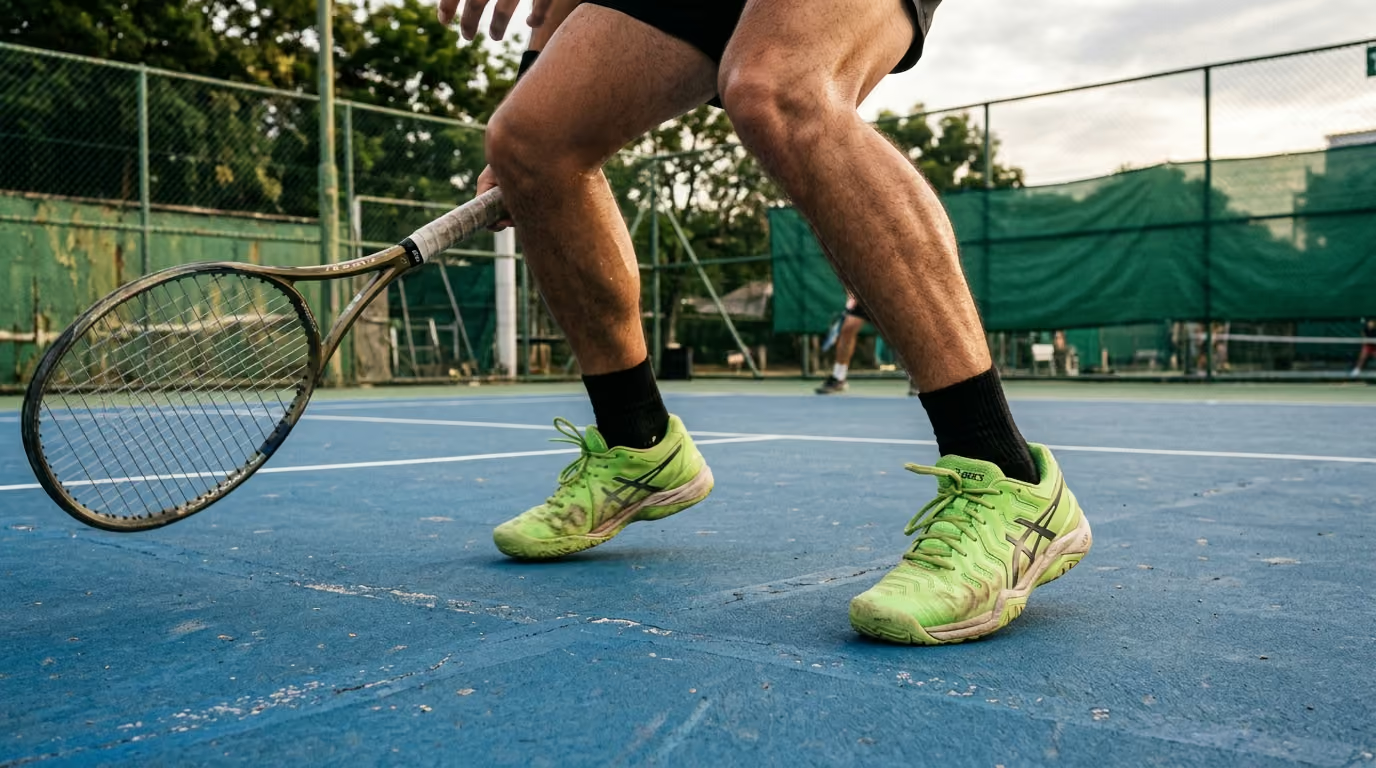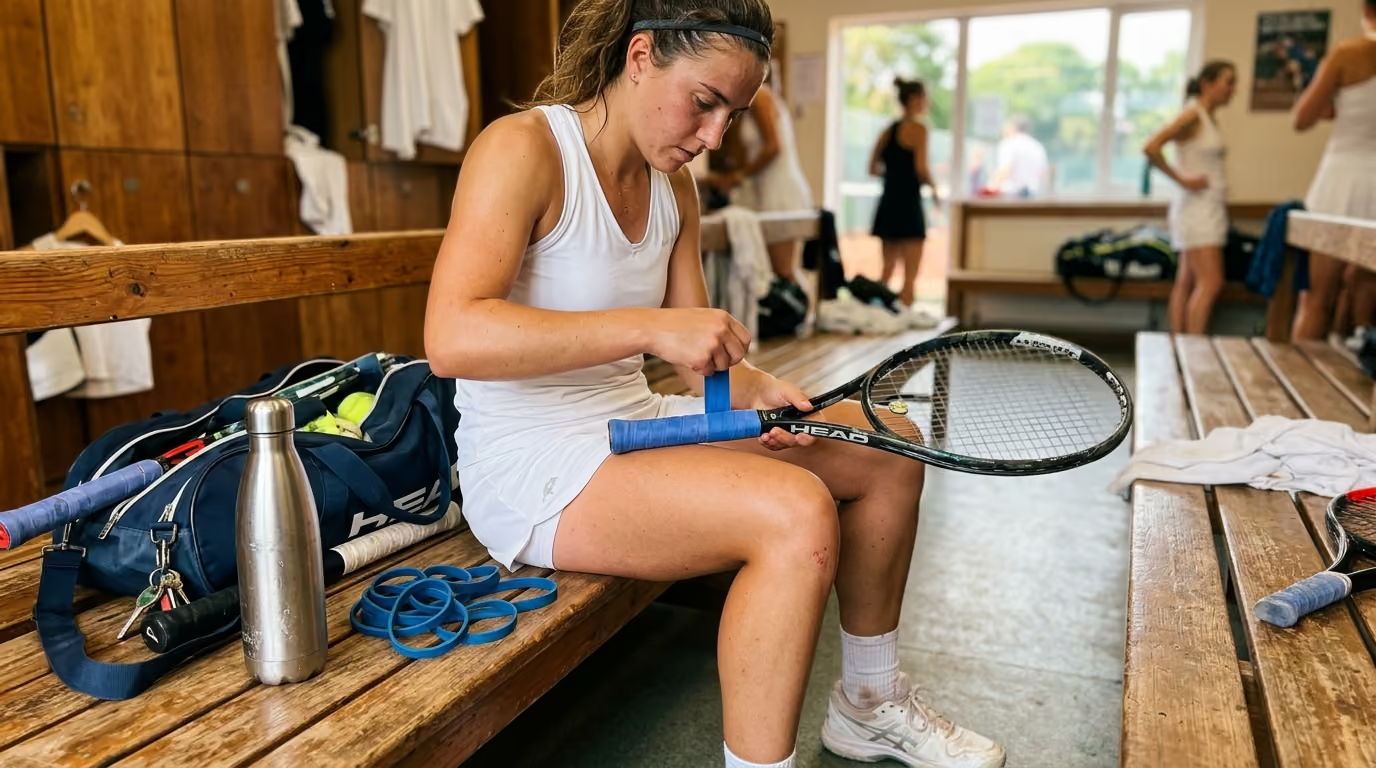

You will learn how to build a reliable pre-match routine for racquet sports by designing a resilient warm-up, nutrition, and mental plan.




A pre-match routine is a systematic, functional sequence of preparation steps designed to prepare the mind and body for competition. It is not an inflexible series of superstitions that cause panic if they are broken. To build a reliable routine, you must focus on controllable behaviors that raise physical readiness and focus attention. This comprehensive guide outlines how to design a resilient warm-up, nutrition, and mental plan that supports healthy movement and long-term athletic longevity.
Preparing for a match involves many variables, but control is the ultimate goal. When players rely on rigid superstitions, they become vulnerable to unexpected changes in schedule or facilities. By focusing on functional preparation, you can protect your physical health and play with confidence. If you are looking for more structured guidance on maintaining your physical health over time, our collection of athletic longevity resources offers excellent foundational advice.
To build a reliable pre-match routine, you must understand what a routine actually is. A pre-performance routine is a sequence of task-relevant thoughts and actions performed before executing a sport skill. A broader pre-match routine extends this concept to the hours, or even the day, before your match.
The primary difference between a functional routine and a superstition lies in the purpose behind each action. A functional routine is chosen deliberately because it serves a direct performance purpose. Examples include raising your core body temperature, checking your string tension, or performing controlled breathing exercises to manage your heart rate.
Superstitious rituals, by contrast, are actions linked to external luck. Athletes often believe these behaviors can control external variables or outcomes that are actually unpredictable. A 2025 systematic review published in sports science literature reported that over half of athletes use some form of superstition. While these rituals may offer a temporary feeling of reassurance, they become highly risky when an athlete believes they cannot perform without them.
A functional routine is highly adaptable. If your preferred pre-match meal is unavailable, you can substitute a similar carbohydrate source without distress. If your warm-up court is occupied, you can perform dynamic movements on a nearby patch of grass. Standardizing the purpose of your actions, rather than every minor detail, keeps you calm and prepared. This adaptability is central to protecting your body from sudden stress, which is covered thoroughly in our injury prevention resources.
A reliable pre-match routine is not a single action. It is a layered framework designed to prepare your mind and body systematically. Each layer serves a specific purpose and operates with a primary plan alongside a compressed fallback option.
The six layers of pre-match readiness are:
Using this structured approach ensures you do not overlook important details. If you are rushed, you do not abandon the routine. Instead, you switch to the compressed version of each layer to maintain readiness.
This model prevents you from interpreting a disrupted schedule as a sign of failure. If your travel is delayed, you can still execute your compressed physical and tactical plans. This structure keeps you grounded, logical, and ready to compete under any circumstances.
Sleep is a critical preparation variable that requires practical planning rather than anxiety-driven perfection. The evening before a match should prioritize a realistic opportunity for sleep. This means managing your schedule to allow for adequate rest without obsessively worrying about exact sleep hours.
A helpful concept is to distinguish between sleep opportunity and actual sleep quantity. Sleep opportunity is the total time you allocate for resting in bed. Sleep quality refers to how continuous and restorative your rest feels. A 2021 expert consensus on athlete sleep highlighted that consistent sleep opportunities are more important than single-night perfection.
If you experience poor sleep before a match, you must shift your focus from sleep control to readiness control. One night of disrupted sleep does not determine your athletic performance. You can manage feelings of sluggishness by slightly extending your physical activation on match day. Keep your tactical plans simple and focus on controllable physical behaviors on the court.
For early-morning matches, adjust your preparation the night before. Pack all of your equipment in advance to avoid rushing in the morning. Prepare a portable breakfast that you can digest easily on the way to the court. These simple steps ensure you protect your energy and support your tissues, which are topics explored in detail across our recovery science resources.
Your pre-match nutrition should provide stable energy without causing gastrointestinal discomfort. The Academy of Nutrition and Dietetics, along with the American College of Sports Medicine, recommends meals that are high in carbohydrate, moderate in protein, and low in fat and fiber. This combination ensures your muscles have sufficient fuel while minimizing digestive strain.
This is the ideal window for your main pre-match meal. Aim to consume approximately 1 to 2 grams of carbohydrate per kilogram of your body weight. Choose foods you have tested thoroughly during normal training sessions.
Good examples of this meal include:
During this window, begin your active hydration. The American College of Sports Medicine suggests consuming 5 to 7 mL of fluid per kilogram of body weight. For a 70-kilogram player, this is roughly 350 to 500 mL of water. Drinking this fluid early allows your body to excrete any excess before you step onto the court.
If you were unable to eat a full meal earlier, consume a small, easily digestible snack. The goal is to top off your energy reserves without creating a feeling of heaviness in your stomach.
Suitable options for this window include:
Avoid high-fat or high-fiber foods during this time. These nutrients slow down stomach emptying, which can lead to cramping or sluggishness when you start running.
For matches that last longer than one hour, fuel management remains important. The International Society of Sports Nutrition recommends consuming 30 to 60 grams of carbohydrate per hour during prolonged, high-intensity exercise.
You can meet this requirement by taking small sips of a sports drink during changeovers. Alternatively, you can eat small bites of a banana or a carbohydrate gel. Do not wait until you feel completely exhausted to start consuming energy. Use natural breaks in the match to maintain your blood glucose levels.
Logistical preparation is about removing unnecessary decisions on match day. When you arrive at a venue with clear timing, your nervous system remains calm. Calculate your arrival time backward from your expected start time to ensure you have a comfortable buffer.
A standard backward-planning timeline looks like this:
This means arriving at least 40 minutes before your scheduled match. This timeframe is particularly important because competition regulations vary. For example, some local tournaments allow only a five-minute warm-up on court before play begins. If you have already completed your physical activation off court, this short window is more than enough.
An equipment check is another easy way to remove pre-match anxiety. Complete this process the night before so you do not search for gear in a rush.
A reliable equipment checklist includes:
To learn more about how Evercourts supports athletes with practical, research-led advice on court lifestyle, you can read more about Evercourts and our editorial standards.
A warm-up should progressively prepare your cardiovascular system and joint mechanics for explosive movement. Do not use static stretching as your primary warm-up method. Holding cold muscles in stretched positions can temporarily reduce power output and does not prepare you for dynamic movement.
Instead, use a progressive dynamic sequence. This approach raises your core body temperature and prepares your nervous system for the specific demands of court movement.
Begin with light cardiovascular movement to increase your heart rate and circulation.
Perform movements that take your joints through their functional ranges of motion.
Add short, explosive movements to prepare your muscles for rapid reaction.
If you have limited time due to scheduling delays, prioritize Phase 2 and Phase 3. A compressed physical warm-up of three minutes focusing on split-steps, lunges, and shadow swings is highly effective. It ensures your joints are lubricated and your nervous system is active before you hit your first ball.
Your mind requires the same structured preparation as your body. Many players suffer from attentional overload because they try to remember too many tactical tips. A reliable routine simplifies your strategy into a three-layer tactical plan.
The three-layer plan consists of:
This tactical framework focuses your attention on executable tasks rather than the final score. Believing you must win every point creates unnecessary tension. Focusing on hitting your targets with high margins keeps you focused on the process.
Emotional readiness does not mean you must feel completely calm. Nervousness is a normal physiological response to competition. Interpret this activation as your body preparing to perform rather than a sign of danger.
If you feel your heart racing or your hands shaking, use a simple breathing reset. Take a slow breath in through your nose, and exhale slowly through your mouth. This simple action stimulates your parasympathetic nervous system, which helps lower your heart rate and restores your focus.
While the core principles of preparation apply to all court athletes, the specific physical demands differ between tennis, pickleball, and padel. Understanding these nuances allows you to tailor your warm-up and equipment checks to your specific sport.
Tennis requires high levels of cardiovascular endurance, multi-directional speed, and rotational power. The larger court size demands longer sprint intervals during your warm-up. You must prepare your shoulder joints for the high-impact stress of serving and hitting from the baseline.
Check your string tension before playing. Changes in temperature and humidity can alter how your strings behave. If you play outdoors, carry dry clothing to change into during long matches. This simple habit helps cool your body down and reduces the risk of heat-related fatigue.
Pickleball is characterized by rapid hand speed, frequent low lunging, and constant split-step adjustments. Because the court is smaller, the physical demands focus heavily on reaction times and lateral agility. Your warm-up should emphasize deep knee flexion and hip mobility to prepare you for low dinks at the kitchen line.
Before your match, check the surface of your paddle for wear or debris. Spend your on-court warm-up finding your touch and rhythm with the ball. Pay close attention to your split-step timing, as the ball travels quickly over the short distance of the court.
Padel involves rapid transitions, overhead smash movements, and spatial awareness regarding wall rebounds. The physical prep must target your core rotators and shoulder stability to handle frequent overhead shots. Your dynamic warm-up should include rotational movements and backpedaling drills to simulate moving back for high lobs.
Ensure you check the strap on your padel racket before stepping on court, as this is a safety requirement. Use your warm-up time to get used to the rebound speed off the glass walls. Work with your doubles partner to establish communication cues for court coverage before the match starts.
Understanding what to avoid is just as valuable as knowing what to do. Many recreational players make preparation mistakes that actively harm their physical performance and increase their recovery times.
A warm-up is designed to prepare your body, not to exhaust your muscles. Hitting too hard or sprinting excessively before the match depletes your glycogen stores and causes early fatigue. Keep your warm-up short and save your peak energy for the actual game.
Professional athletes have different physical capabilities, support staff, and schedules than recreational players. Trying to replicate a complex, multi-hour warm-up routine can leave you physically exhausted and mentally stressed. Design a simple, functional routine that fits your lifestyle and physical needs.
Trying to make up for a lack of fluids by drinking a massive amount of water right before play is ineffective. This habit often leads to bloating, stomach discomfort, and frequent restroom breaks. Hydrate gradually over the 24 hours leading up to your match to ensure your tissues are properly prepared.
Poor preparation has a direct impact on your post-match recovery. When you play with cold, tight muscles, your body relies on inefficient movement patterns to generate power. This increases muscle micro-tears and joint stress, leading to severe post-match soreness and prolonged recovery times. A structured warm-up protects your tissues and helps you return to the court sooner, a concept discussed in our strength and conditioning resources.
A reliable pre-match routine can manage normal stiffness, but it cannot resolve underlying structural injuries. You must learn to distinguish between general pre-match coldness and pain that requires medical attention.
Consult a qualified healthcare provider, such as a physiotherapist or sports physician, if you experience:
Ignoring these warning signs can turn minor tissue strains into chronic injuries that keep you off the court for months. A professional can help identify physical limitations and design a targeted strength and mobility plan to keep you playing safely.
You do not need a partner to complete an effective warm-up. Focus on your off-court physical activation, including dynamic movements, lunges, and shadow swings. On the court, use the backboard if one is available, or use the official five-minute warm-up with your opponent to find your timing and rhythm.
Stay flexible by focusing on the purpose of your routine rather than the timing. If your match is delayed, do not sit still in your cold gear. Keep your muscles warm by performing light mobility movements every 20 minutes, and consume small sips of water and simple carbohydrates to maintain your energy levels.
Caffeine can improve focus and reaction times when used correctly, but it should be tested thoroughly during training first. If you choose to use it, consume a moderate dose about 45 to 60 minutes before your match. Avoid high doses, which can cause jitteriness, elevated heart rate, and gastrointestinal distress on court.
Follow Evercourts for practical insights on tennis, pickleball and padel performance, movement, recovery and healthy ageing. Stay connected for new articles, research-led guidance and ideas to help you play well and keep playing for years.


Read practical guidance for better movement, smarter preparation and a game that keeps working for you.
explore the Blog