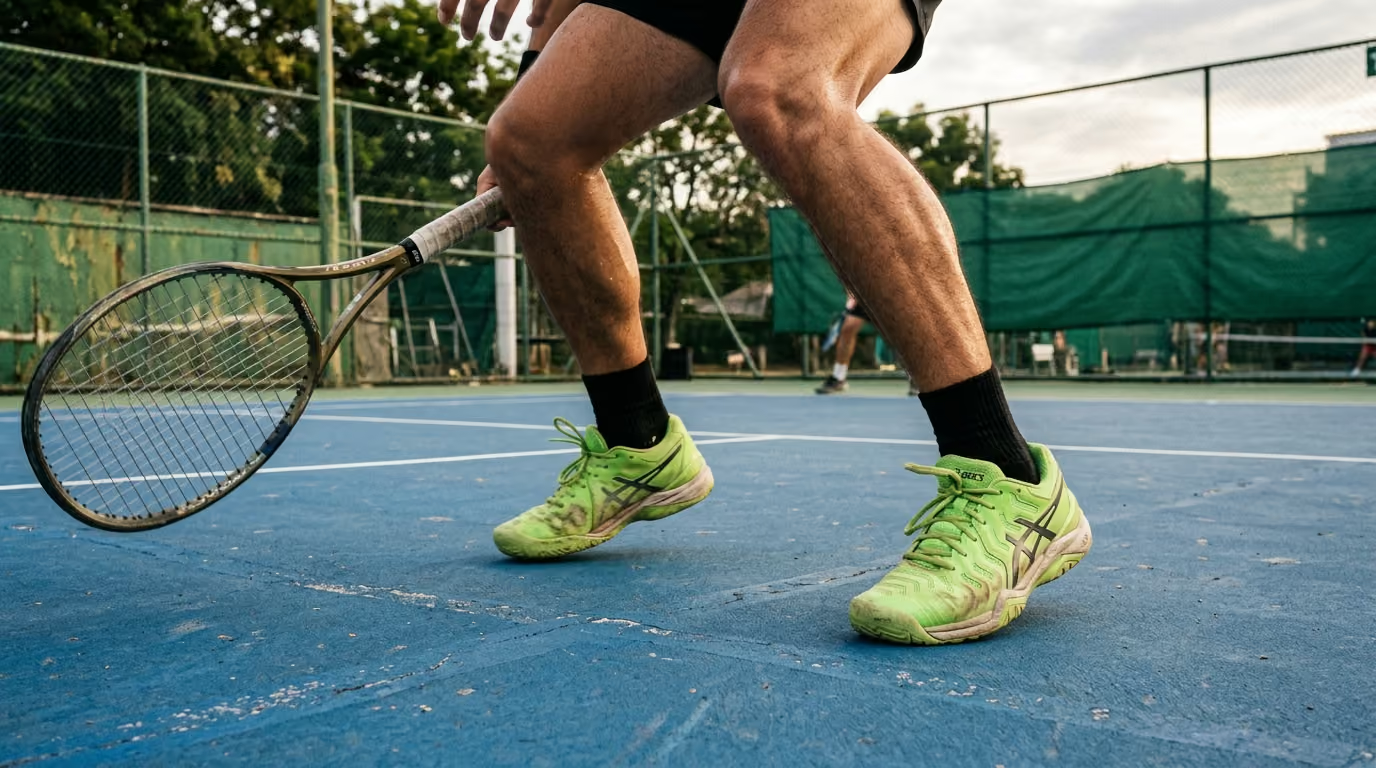
While many believe complete rest between matches is best, effective match load management in racquet sports involves proactive strategies to keep the body primed.




Many racquet sports players believe that the only way to survive a long tournament weekend is to rest completely between matches. However, sitting still for hours can cause your muscles to tighten and reduce your reaction times when you return to the court. Successful tournament play relies on a proactive strategy that keeps your body primed while removing unnecessary physical waste.
Managing match load requires balancing the total work you perform on court against your body's current recovery capacity. By monitoring your internal response, organizing your match spacing, and adjusting your warm-up and nutrition, you can protect your performance without sacrificing your competitive drive. This approach ensures you remain competitive through the final round of the event.
To maintain athletic longevity on the court, you need a clear blueprint for managing the stress of multiple matches. This resource provides a practical framework based on sports science and clinical experience to help you navigate demanding competition weekends.
To manage your physical load, you must first understand the distinction between external and internal court demands. External load is the objective work you perform on the court. This includes match duration, total sets played, and the number of explosive changes of direction. It also covers the number of serves you hit and the distance you run. These numbers remain constant regardless of how tired you feel afterward.
Internal load represents your body's physiological and mental response to that external work. This response is measured by your heart rate, muscle soreness, and your session rating of perceived exertion. Two players can complete the exact same three-set match but experience completely different internal loads. A well-conditioned player might feel light fatigue, while an underprepared player might experience severe muscle damage.
We can use these definitions to understand why simple match counts do not tell the whole story. A short match played in extreme heat can cause higher internal stress than a longer match in cool weather. Tracking both types of load allows you to make better decisions about your recovery and warm-up needs. It helps you preserve your physical capacity for the matches that matter most.
By looking at both factors, you can prevent sudden performance drops during a tournament. You can adjust your preparation based on how your body actually feels rather than just looking at the schedule. This form of monitoring is a cornerstone of long-term healthy aging and athletic success.
Current research in sports science shows that racquet sports are uniquely demanding due to their intermittent, high-intensity nature. Players must perform rapid accelerations, sudden decelerations, and overhead actions with minimal recovery. The short breaks between points do not allow your cardiovascular system to return to baseline. This creates a state of cumulative physical fatigue as the tournament progresses.
A systematic review of highly trained tennis players demonstrated that playing multiple matches per day significantly impairs jump height, sprinting speed, and lateral movement agility. The players in these studies also reported substantial increases in muscle soreness and perceived fatigue. These performance drops can alter your stroke mechanics and increase the strain on your joints.
To predict injury risk, researchers often look at the acute-to-chronic workload ratio. This metric compares your short-term training load with your rolling four-week average. A study on junior tennis players found that rapid spikes in weekly load were associated with a higher risk of injury. Specifically, those with an acute-to-chronic ratio above 1.5 had a much greater chance of experiencing physical setbacks.
However, the scientific evidence on these workload ratios is mixed. Some professional tennis case studies found no direct link between total workload ratios and injury rates. This indicates that you cannot rely on a single formula to predict your safety on the court. You must combine workload calculations with subjective readiness indicators like sleep quality, localized pain, and morning stiffness. You can read more about these protective strategies in our dedicated injury prevention resources.
To prevent sudden fatigue, you should run a complete audit before your tournament begins. The first factor to analyze is total volume. Look at the number of scheduled matches, expected sets, and any practice sessions you plan to hold. You must also account for travel time and the hours spent standing at the venue.
The second factor is intensity. Consider the playing style of your opponents, the court surface, and the importance of each round. A clay-court tournament typically involves longer rallies and more sliding, which increases physical demand. Hard courts, by contrast, place higher impact forces on your knees and lower back.
The third factor is match density. Calculate the time gaps between your scheduled rounds and how many times you must play in a 24-hour window. Short gaps leave little time to replenish energy stores and lower your core temperature. If you have multiple matches in one day, your recovery strategy must start the moment the first match ends.
The remaining factors are readiness, environment, and strategic value. Assess your sleep quality, existing muscle soreness, and current hydration status. Monitor local weather reports for high heat, humidity, or wind that could increase physical strain. Finally, identify which matches are essential for your goals and which practices can be shortened or skipped entirely.
I remember finishing a tough two hour padel match on a cold Tuesday night and waking up the next morning feeling like my lower back was locked in concrete. For a long time, I just accepted this as the price of playing hard in my forties. But once I started spending just ten minutes on targeted hip mobility before heading to the club, the stiffness almost completely vanished. It taught me that we do not have to accept pain as a default state of aging. We can actively manage our joint health through deliberate physical preparation.
When you have limited time between tournament rounds, your recovery routine must be highly structured. If your gap is less than two hours, focus on immediate hydration and carbohydrate intake. Change into dry clothes to keep your muscles warm and prevent rapid chilling. Avoid sitting still for the entire break, as this can cause joint stiffness.
If your turnaround time is between two and four hours, you can implement a more comprehensive protocol. Sit down in a cool, shaded area to lower your heart rate and core temperature. Eat a light, digestible snack containing both carbohydrates and protein to initiate muscle repair. You can also use a foam roller or gentle stretching to address tight areas.
For gaps longer than four hours, prioritize a balanced meal and a short nap if possible. A 20-minute sleep session can restore mental clarity and reduce central nervous system fatigue. Before you head back to the court, perform a concise activation routine to wake up your nervous system. This ensures you do not step onto the court feeling sluggish or stiff. For more advice on tournament lifestyle management, look through our competition and court lifestyle resources.
A common mistake among competitive players is exhausting themselves before the match even begins. Your warm-up should prepare your body to perform, not serve as a conditioning workout. A minimum-effective warm-up raises your core body temperature and activates key muscle groups without draining your energy reserves.
Start with three to five minutes of light, low-impact movement. This can include jogging, side-shuffling, and skipping. The goal is to produce a light sweat and increase blood flow to your working muscles. Keep the intensity low to preserve your glycogen stores.
Next, perform dynamic mobility exercises for your hips, shoulders, and thoracic spine. Focus on arm circles, leg swings, and gentle trunk rotations. These movements improve your dynamic range of motion without the negative performance effects of long static stretches. This phase prepares your joints for the extreme angles required in racquet sports.
Follow this with sport-specific movement preparation. Execute several light shadow swings, focusing on smooth footwork and clean technical form. Gradually increase the speed of your movements over two minutes. Include a few short, explosive accelerations to prime your fast-twitch muscle fibers.
Finish the routine with stroke calibration on the court. Spend five minutes hitting easy rallies with your partner to find your rhythm and timing. Practice a small number of serves and returns to prepare your shoulder and eyes. Stop as soon as you feel warm, coordinated, and mentally focused.
Tennis, pickleball, and padel each present distinct physical challenges during competition. In tennis, the primary hurdle is the sheer volume of work and the unpredictable duration of matches. A single singles match can last over three hours, requiring sustained endurance and high-impact lateral movement. Tennis players must focus heavily on maintaining their aerobic capacity and protecting their shoulders from repetitive serving. You can read about specific conditioning techniques in our tennis articles.
Pickleball matches are shorter but are typically played at a much higher density. A tournament player might compete in six to eight matches over a single weekend. The sport requires constant low lunging, rapid hand-eye coordination, and abrupt deceleration at the non-volley zone. Pickleball players should prioritize knee and lower back comfort, as the hard court surfaces and frequent bending can stress these areas. We share tailored movement advice in our pickleball articles.
Padel competitions combine elements of both sports within an enclosed glass court. The presence of walls leads to longer rallies and highly complex tactical patterns. The physical load is characterized by frequent overhead smashes, explosive vertical jumps, and rapid rotational movements. Padel athletes must focus on thoracic spine mobility and calf health to manage the constant spring-like actions. Check out our padel articles for more specific structural preparation ideas.
Understanding these sport-specific differences allows you to tailor your recovery and preparation. A pickleball player needs quick, frequent refueling strategies between many short matches. A tennis player needs sustained energy protocols for long individual battles. A padel player needs rotational mobility work to manage the multi-directional demands of the glass court.
To manage load effectively, you must learn to read your body’s subtle warning signs before they turn into injuries. Performance decline is often the first indicator that your physical capacity is dropping. If you find yourself consistently late to the ball, it means your nervous system is fatigued. A loss of split-step timing or a sudden drop in serve speed also signals a need for load adjustment.
Subjective symptoms are equally valuable for tracking your readiness during a busy weekend. Pay attention to unusual muscle soreness that worsens rather than settles between matches. Lingering headaches, mild nausea, and a general feeling of irritability are also common signs of systemic fatigue. If you experience poor sleep quality despite being physically exhausted, your stress hormones may be elevated.
Environmental conditions can accelerate physical decline, making heat-illness monitoring essential. Dehydration often presents as extreme thirst, dark urine, and muscle cramping in multiple areas. According to guidance from the United States Tennis Association, these symptoms require immediate cooling and fluid replacement. If you experience dizziness, confusion, or a rapid pulse, you must stop playing immediately to protect your health.
Do not let competitive drive override your physical safety. If you observe alterations in your natural movement patterns, your risk of joint injury increases. Shortening your swings or limping to avoid discomfort are clear signs that you should withdraw. Protecting your long-term athletic longevity is always more important than finishing a single match.
Replenishing your energy stores between rounds is a critical component of match-load management. When your matches are spaced closely together, carbohydrate consumption is your top nutritional priority. Sports nutrition research shows that consuming 30 to 60 grams of easily digestible carbohydrates per hour keeps your energy stable. For rapid recovery, aim to consume 1.0 to 1.2 grams of carbohydrates per kilogram of body weight each hour after your match.
If an athlete weighs 80 kilograms, they should target 80 to 96 grams of carbohydrates per hour for four hours following their match. This can be achieved through combinations of sports drinks, bananas, and simple grains.
Pairing your carbohydrates with moderate amounts of protein supports muscle tissue repair. Consuming 20 to 25 grams of protein after a tough round can limit muscle breakdown. Practical options include chocolate milk, Greek yogurt with fruit, or a turkey sandwich. Avoid high-fat and high-fiber foods between matches, as they slow down digestion and can cause stomach cramps.
Hydration should be managed based on your individual sweat rate and the ambient temperature. To estimate fluid loss, weigh yourself before and after your matches whenever possible. For every pound of body mass lost, try to drink 20 ounces of fluid to restore balance. If you are playing in high heat, use sports drinks containing 600 to 900 milligrams of sodium per liter.
Avoid the temptation to drink large volumes of plain water in a short period. Overdrinking without adequate sodium can dilute your blood minerals and lead to a dangerous condition called hyponatremia. Sip fluids consistently rather than gulping them down right before you step on the court. This approach ensures optimal hydration without causing gastrointestinal discomfort during play.
Many club players unknowingly make decisions that increase their injury risk and hurt their performance. The first common error is counting only your official match hours while ignoring your total court exposure. Warm-ups, practice sessions, and prolonged standing all add to your physical load. You must track every physical activity to get an accurate picture of your tournament stress.
Another frequent mistake is treating all matches as if they demand the same physical effort. A quick straight-set win is far less demanding than a long, three-set baseline battle. Similarly, playing on a hot clay court requires more physical output than playing on a cool indoor hard court. Always adjust your recovery plan based on the actual intensity of each specific match.
Many athletes also treat doubles matches as if they carry zero physical load. While doubles requires less total running than singles, it still involves explosive sprints, heavy serving, and quick changes of direction. Ignoring these demands can lead to shoulder and knee issues over time. Track your doubles play as part of your overall weekly volume.
The remaining common tournament pitfalls include:
By recognizing these mistakes, you can adjust your tournament habits to support healthy aging. Address tight areas and early signs of fatigue before they worsen. If you want to learn more about scientific recovery methods, explore our recovery science resources.
Effective recovery techniques can significantly reduce your fatigue and protect your joint health between demanding sessions. Cooling strategies are highly effective for managing muscle soreness and lowering your core body temperature. Using cold-water immersion, cold towels, or ice packs can reduce local tissue inflammation after a tough match. These methods help restore your movement quality before your next round.
Sleep remains the most powerful recovery tool available to court athletes. Aim for eight to ten hours of high-quality sleep during tournament weekends to allow your nervous system to recover. Create a relaxing evening routine that avoids screens and matches your body's natural circadian rhythm. This simple habit supports cellular repair and keeps your focus sharp for the following day.
The choice between passive rest and active recovery depends on your level of fatigue. If you feel extremely stiff, a short period of light walking or gentle mobility can restore comfortable movement. However, if your muscles are deeply fatigued, passive rest is often the better choice. Avoid hard recovery workouts that add unnecessary physical stress to an already tired body.
By protecting your tissue health during tournaments, you support your long-term athletic longevity. Consistently managing your physical load prevents the accumulation of micro-damage in your joints and tendons. This disciplined approach allows you to stay active and continue playing the sports you love for many years to come. You can find more expert advice on this topic in our player health articles.
While managing minor fatigue is a normal part of competitive sports, you must know when to seek professional help. If you experience sharp, localized pain that does not improve after a few days of rest, consult a doctor or physical therapist. Swelling, joint instability, or a complete loss of strength are clear signs of a structural issue. Do not attempt to play through these symptoms, as doing so can cause long-term damage.
You should also seek medical attention if you show signs of severe heat-related illness. Persistent dizziness, confusion, vomiting, or an inability to sweat are serious medical emergencies. If a player collapses or loses consciousness, call emergency services immediately. These situations require professional intervention rather than simple court-side recovery.
Finally, if you find that minor aches consistently prevent you from enjoying your sport, seek a professional evaluation. A physical therapist can identify movement imbalances and help you build a personalized strength routine. Partnering with a qualified specialist ensures you can navigate competitive tournaments safely and confidently. For any inquiries regarding our player health guides, feel free to visit our contact page.
By applying these load management strategies, you can enjoy competitive racquet sports for many years to come.
Follow Evercourts for practical insights on tennis, pickleball and padel performance, movement, recovery and healthy ageing. Stay connected for new articles, research-led guidance and ideas to help you play well and keep playing for years.


Read practical guidance for better movement, smarter preparation and a game that keeps working for you.
explore the Blog