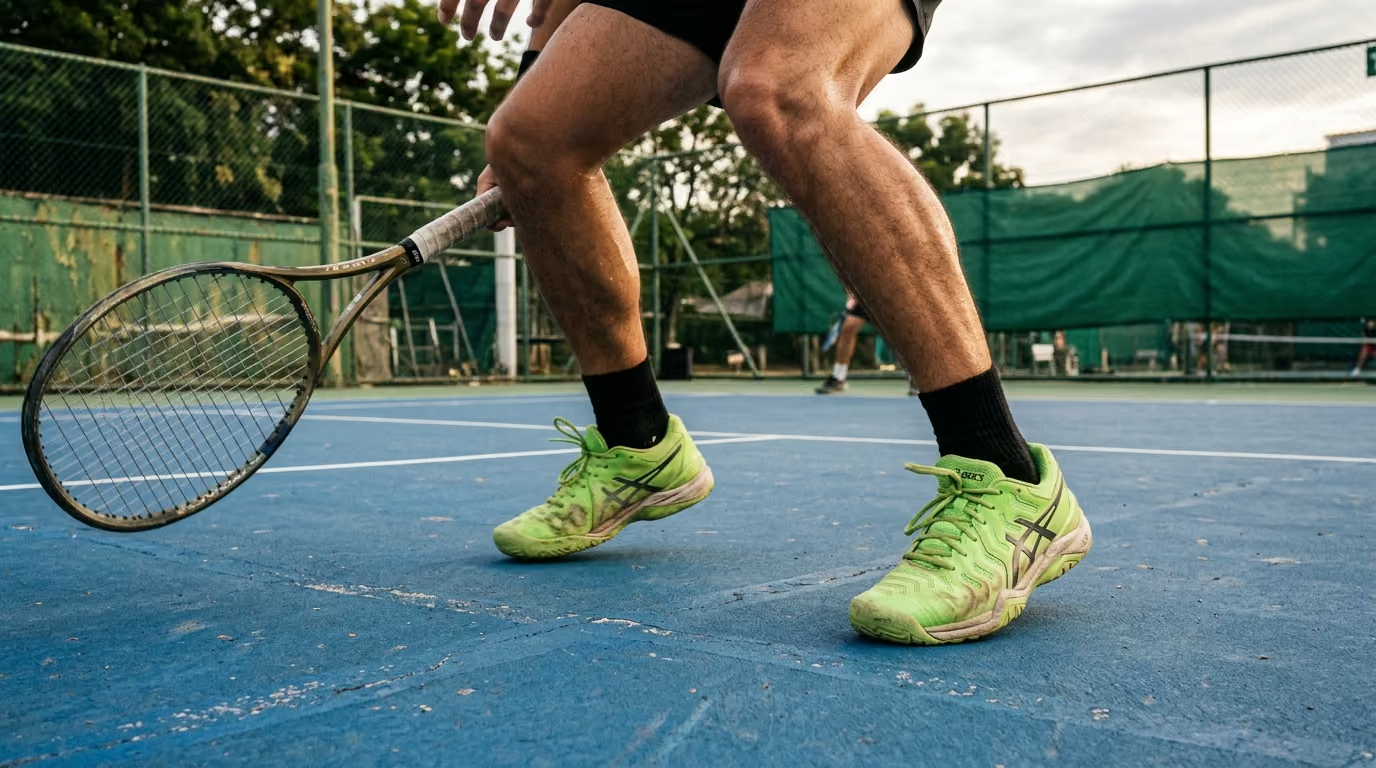
Immediate post-match protein shakes matter far less than your total daily intake when repairing muscle tissue after demanding sessions on the court.




Many players believe they must drink a protein shake within moments of leaving the court to prevent muscle loss. In reality, this frantic rush to the locker room is mostly marketing noise. Your total protein intake across twenty four hours matters far more than any narrow post match window. This comprehensive guide explains how to approach your dietary needs with clarity and patience.
Protein supports recovery by supplying essential amino acids to repair and remodel muscle tissue after strenuous court sessions. To optimize your recovery, you should focus on meeting a daily target of 1.4 to 2.0 grams of protein per kilogram of body weight, distributed evenly across three to five meals. This steady nutritional supply ensures your body has the materials it needs to adapt, maintain lean mass, and support athletic longevity.
To make informed choices about recovery, you must first understand how your body responds to the physical stress of court sports. When you play tennis, pickleball, or padel, your muscles undergo repetitive stress. This stress comes from rapid changes of direction, explosive overheads, and deep lunges. These movements cause micro-tears in the muscle fibers, which is a normal part of training.
Your body manages this tissue damage through two ongoing processes. The first is muscle protein synthesis, which is the creation of new muscle proteins to repair and strengthen your tissues. The second is muscle protein breakdown, which is the degradation of damaged proteins. The relationship between these two processes determines your net muscle protein balance. If synthesis exceeds breakdown, your body maintains or builds muscle. If breakdown dominates, you risk losing muscle mass and experiencing prolonged fatigue.
Physical exercise stimulates muscle protein synthesis, but this stimulation requires a supply of amino acids to proceed. Amino acids are the chemical building blocks of protein. Your body can produce some of these compounds on its own, but it cannot produce essential amino acids. You must obtain these essential amino acids from your diet. Without a regular supply of these nutrients, your body cannot efficiently complete the repair process.
Among the essential amino acids, one specific compound plays a signaling role. Leucine acts as a chemical switch that initiates muscle protein synthesis. Research from the International Society of Sports Nutrition shows that an effective recovery meal should contain 700 to 3,000 milligrams of leucine. However, consuming leucine in isolation is not sufficient. You still need a complete array of essential amino acids to actually construct the new muscle tissue.
It is important to manage expectations regarding what protein can and cannot do for your immediate recovery. Many athletes consume protein shakes to reduce muscle soreness after a hard match. However, systematic reviews of recovery science show that protein supplementation has a weak effect on short term muscle soreness. While protein ensures your muscles have the building blocks to rebuild over time, it does not instantly remove the discomfort of a demanding session. Long term tissue adaptation, rather than immediate pain relief, is the true purpose of your recovery strategy.
Your primary nutrition goal is to establish a consistent daily protein target. This target is calculated based on your body weight rather than a flat percentage of your daily calories. For active individuals, the International Society of Sports Nutrition recommends a daily range of 1.4 to 2.0 grams of protein per kilogram of body weight. This range is designed to support lean mass maintenance and muscle remodeling.
To find your target, divide your weight in pounds by 2.2 to determine your weight in kilograms. Then multiply that number by your chosen protein factor. For example, an active player who weighs 154 pounds is approximately 70 kilograms. At 1.4 grams per kilogram, their daily target is 98 grams of protein. At the higher end of 2.0 grams per kilogram, their daily target is 140 grams.
You can adjust your position within this range based on your training load. If you are in a lighter training phase, the lower end of the range is sufficient. If you are playing multiple matches per week, aim for the middle or upper portion. During periods of calorie restriction, your protein needs actually increase to protect your existing muscle tissue. In these phases, sports nutrition guidelines recommend targets of 2.3 to 3.1 grams per kilogram of fat-free mass to prevent tissue loss.
Masters athletes require a distinct approach to protein intake. As we age, our muscles become less responsive to smaller doses of protein, a phenomenon known as anabolic resistance. To support healthy aging, active older adults must pay closer attention to their intake. The PROT-AGE Study Group recommends that active older adults consume at least 1.2 to 1.6 grams of protein per kilogram of body weight daily. This target supports muscle retention and physical independence, which are essential for staying active on the court.
Once you have calculated your daily target, you must plan how to distribute it. Consuming your entire daily target in a single evening meal is highly inefficient. Your body is limited in how much protein it can use for muscle repair at one time. A more effective strategy is to divide your intake across three to five meals spaced three to four hours apart.
For most players, a practical target is 0.25 to 0.40 grams of protein per kilogram of body weight per meal. This typically translates to 20 to 40 grams of high-quality protein per feeding. This amount is sufficient to maximize muscle protein synthesis. Spreading your meals throughout the day provides your body with a steady supply of amino acids.
Breakfast is the meal most frequently lacking in protein. Many players start their day with toast, fruit, or cereal, which provide minimal amino acids. To improve your distribution, ensure your breakfast contains a distinct protein source. Good options include eggs, Greek yogurt, cottage cheese, or a high-quality protein smoothie. Adding protein to your first meal of the day stabilizes your appetite and starts the muscle repair process early.
Your midday and evening meals should also center on a clear protein source. Instead of relying on small portions scattered through a mixed dish, make protein the anchor of your plate. If you train in the afternoon, your post-workout meal can serve as one of your primary daily feedings. If you face a long overnight fast, a small protein snack before bed can support tissue remodeling while you sleep. Utilizing dairy products or slow-digesting proteins like casein is particularly effective for this pre-sleep window.
While all racquet sports require quick reactions and hand-eye coordination, they impose different physical demands on your body. Understanding these differences allows you to customize your recovery strategy. Your nutrition should reflect the specific physiological stress of your preferred game.
Tennis matches are highly unpredictable in duration, often lasting anywhere from one hour to over three hours. The sport features long rallies, explosive serves, and continuous lateral movement. This combination of aerobic endurance and anaerobic sprinting drains your glycogen stores. The eccentric loading on your lower body during deep baselining is exceptionally high.
To support your recovery, you must prioritize both protein and carbohydrates. A pure protein drink is insufficient after a grueling three-set singles match. You must pair your protein with easily digestible carbohydrates to restore muscle glycogen. If you want to refine your overall approach, studying tennis recovery plans can help you balance these two nutrients.
Pickleball is played on a smaller court, which reduces the total distance you must run during a single point. However, the game requires constant low lunges, rapid dinks, and explosive reaction volleys. Matches are typically shorter, but players often participate in multi-match tournament formats. This means you may play four to six matches in a single day.
Because pickleball has a large demographic of masters players, managing anabolic resistance is a priority. Older pickleball players should ensure their post-play meals contain at least 30 to 40 grams of high-quality protein. This larger dose helps overcome the age-related decline in muscle protein synthesis. Keeping portable, protein-rich snacks in your court bag is essential for tournament days.
Padel is a fast-paced game played within an enclosed glass court. The sport requires constant acceleration, rapid deceleration, and frequent overhead smash actions. The presence of the walls means rallies are long and change direction constantly. This creates significant eccentric stress on your calves, Achilles tendons, and quadriceps.
To recover from the high-frequency impact of padel, focus on consistent daily protein distribution. The heavy eccentric load means your muscles require steady structural repair. Ensure you consume a protein-rich meal within two hours of leaving the court. This practice helps kickstart the remodeling of damaged muscle fibers.
A common error among court athletes is viewing protein as the sole component of recovery. While protein repairs muscle tissue, it does not replenish your primary energy source. Racquet sports rely heavily on muscle glycogen to fuel high-intensity sprints and explosive strokes. Glycogen is the stored form of carbohydrates in your muscles.
When you finish a demanding match, your glycogen stores are depleted. Consuming only protein after play forces your body to convert amino acids into energy, which is an inefficient process. To prevent this, you should always pair your post-match protein with a source of carbohydrates. This combination accelerates glycogen replenishment and stops muscle protein breakdown.
The ideal ratio of carbohydrates to protein depends on the length and intensity of your session. For a standard recreational match, a simple one-to-one or two-to-one ratio is sufficient. For example, a meal with 30 grams of protein and 60 grams of carbohydrates works well. For long tournament days or singles matches, you may need to increase this ratio to three-to-one.
Hydration is another crucial element that must accompany your recovery meal. Sweat loss during indoor or outdoor play depletes your body of fluids and essential sodium. When preparing your post-match food, include a tall glass of water or an electrolyte drink. Adequate hydration ensures that nutrients are efficiently transported to your recovering muscles.
You do not need to follow a specific lifestyle diet to meet your protein needs. Highly effective recovery plans can be built around omnivorous, vegetarian, or vegan eating patterns. The key is to select high-quality sources that fit your personal preferences and daily schedule.
Omnivorous players have access to a wide range of highly bioavailable proteins. Animal proteins naturally contain all essential amino acids in optimal ratios, along with generous amounts of leucine. Excellent options include chicken, turkey, wild-caught fish, eggs, and dairy.
To maintain a balanced diet, avoid relying solely on red or highly processed meats. Incorporate lean poultry and omega-3 rich fish like salmon to support overall health. Portable options like canned tuna packets, hard-boiled eggs, and Greek yogurt are ideal for quick post-match fueling.
Vegetarian players can easily meet their recovery goals by utilizing dairy, eggs, and plant-based staples. Greek yogurt and cottage cheese are exceptionally high in protein and are easy to consume after training. Eggs provide an excellent source of leucine and healthy fats.
For main meals, combine dairy with plant sources like lentils, beans, and chickpeas. Tempeh and tofu are versatile options that can be seasoned to taste. Keep a high-quality whey or vegetarian protein powder on hand for busy days when cooking is not possible.
Vegan players can successfully support their recovery, but they must be more intentional with their meal planning. Plant-based proteins generally contain lower concentrations of essential amino acids and are less digestible than animal proteins. To compensate, vegan athletes should aim for slightly larger serving sizes.
According to a 2025 systematic review, plant-protein blends are more effective for muscle repair than single-source plant proteins. Consuming plant servings of 30 to 40 grams ensures you obtain enough leucine to trigger repair. Base your meals around soy products, seitan, lentils, and protein-fortified dairy alternatives.
If you balance your court time with a busy work or family schedule, prep is essential. Creating a portable protein kit prevents you from skipping meals or choosing low-nutrient fast food. Keep shelf-stable options in your gym bag so you are never without options.
Your kit could include roasted chickpeas, unsalted almonds, high-protein bars, and pre-measured protein powder. If you have access to a cooler, keep pre-made smoothies or single-serve yogurts cold during your matches. Planning your snacks in advance ensures you maintain a consistent recovery schedule. If you are looking for practical lifestyle planning, exploring recovery science strategies can help you streamline your nutrition.
Even well-intentioned players can fall victim to common nutrition misconceptions. By recognizing these errors, you can save time and money while protecting your health.
One of the most common mistakes is replacing complete protein foods with branched-chain amino acid (BCAA) supplements. BCAAs contain only three of the nine essential amino acids your body needs to rebuild muscle. While they may stimulate the initial signal for repair, your body cannot actually build tissue without the remaining amino acids. Always choose complete protein sources over isolated BCAA powders.
The belief that you must consume protein within thirty minutes of stepping off the court is outdated. The muscle-building response to exercise remains active for at least twenty four hours after play. If you ate a balanced meal a few hours before your match, there is no need to panic. Simply eat your next scheduled meal when it is convenient.
Protein powders are highly convenient, but they should not replace whole foods. Whole food protein sources contain essential vitamins, minerals, and dietary fiber that supplements lack. For example, fish provides omega-3 fatty acids, and beans provide iron and fiber. Use protein powders as a helpful supplement to a nutrient-dense diet rather than the foundation of your nutrition.
Consuming excessive amounts of protein can crowd out other vital nutrients from your diet. If your plate is filled only with chicken and egg whites, you may not leave room for fruits, vegetables, and healthy fats. This can lead to micronutrient deficiencies and low energy levels. Balance is essential for athletic longevity.
While a high-protein diet is safe for most healthy individuals, it is not suitable for everyone. Your nutritional strategy must align with your personal medical history. Before making significant changes to your diet, consider your health status.
There is a common belief that high-protein diets cause kidney damage in healthy individuals. Current scientific literature does not support this claim for those with normal organ function. Studies in healthy athletes have found no adverse effects on kidney health at intakes up to 2.8 grams per kilogram of body weight. However, this safety profile does not apply to individuals with pre-existing kidney disease. If you have a history of renal issues, you must work closely with a healthcare provider.
Persistent gastrointestinal distress after consuming certain proteins is another indicator that you need professional help. This distress could stem from a food intolerance, such as lactose sensitivity to whey, or an allergy. A registered dietitian can help you identify trigger foods and select safe alternatives.
Finally, younger players and adolescent athletes require specialized care. Growing bodies have unique nutritional needs that focus on overall development rather than athletic performance alone. Restricting calories or aggressively supplementing protein in teens can impair growth. For young athletes, consulting a pediatric sports dietitian is the safest path forward. To find expert guidance on these issues, review our player health resources for trusted support.
If you are looking to combine your nutrition with a structured exercise routine, exploring strength and conditioning advice can help you construct a balanced plan. Tailoring your diet to your training intensity is the safest way to support long-term physical health.
By focusing on daily protein totals, consistent meal distribution, and smart carbohydrate pairing, you can support your muscles and maintain your performance on the court for years to come.
Follow Evercourts for practical insights on tennis, pickleball and padel performance, movement, recovery and healthy ageing. Stay connected for new articles, research-led guidance and ideas to help you play well and keep playing for years.


Read practical guidance for better movement, smarter preparation and a game that keeps working for you.
explore the Blog