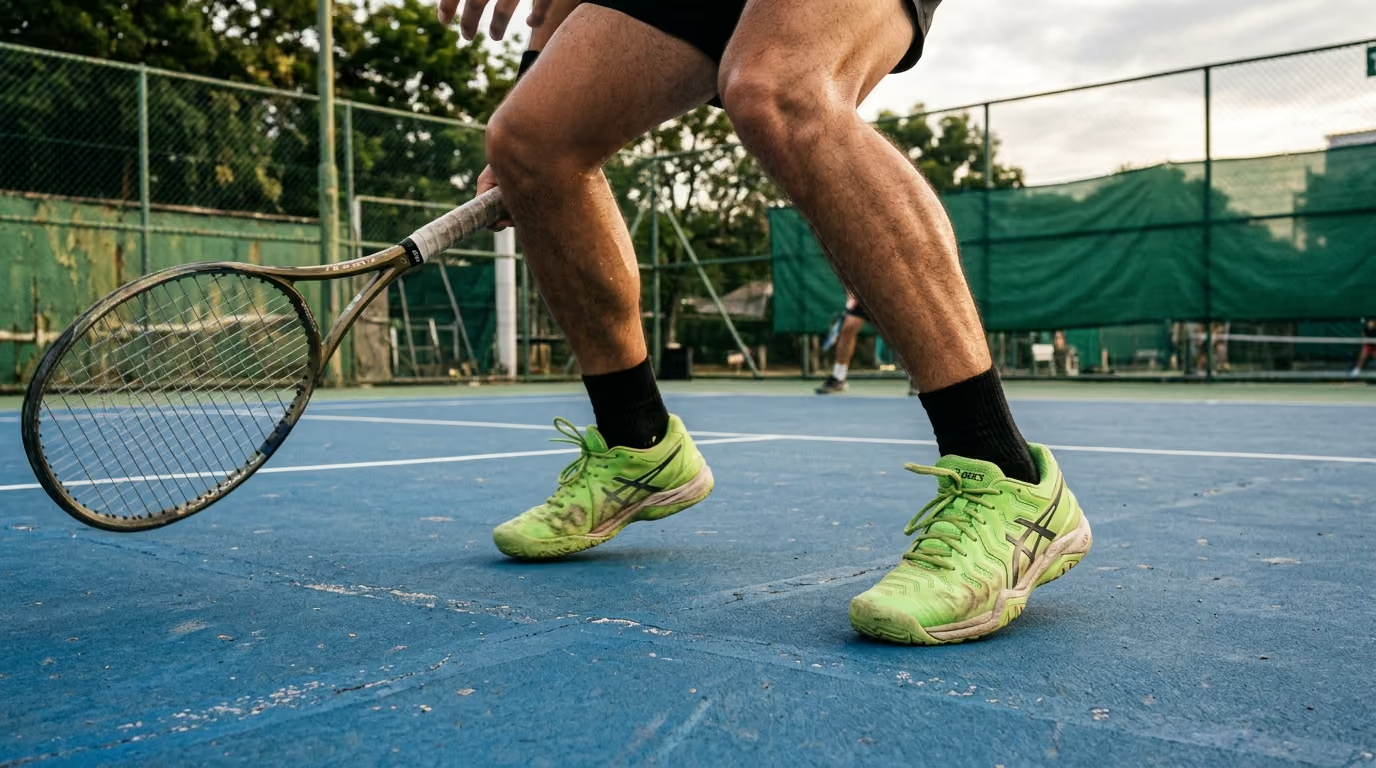
While many assume chronological age dictates recovery needs, effective recuperation for racquet sports players actually depends on training age and court exposure.




Many racquet sports players assume that their birth year is the ultimate guide to how they should feel after a hard match. Standard recovery templates suggest that a fifty year old player always needs more rest than a twenty year old player. This simple assumption ignores how the human body actually adapts to the demands of court sports.
Your chronological age is often a misleading guide for managing court fatigue and injury risk. Effective recovery depends on your training age, your recent court exposure, and your movement skill rather than just the year on your driver's license. By matching your recovery strategies to your specific player profile, you can protect your tissues, build lasting physical capacity, and remain on the court for years.
Training age measures the total history of structured exposure to physical demands. It is not the same as the number of years since you first picked up a racquet. A player who has played consistently for twenty years has built resilient connective tissue, dense bones, and highly adapted muscle fibers. This baseline capacity remains highly functional even as the athlete grows older.
In contrast, a younger player with a low training age has limited tissue preparation. If a young player returns to the court after a long layoff, their risk of injury is high despite their youth. Their tendons and muscles are not prepared for the extreme forces of sudden braking and deep lunging. This is why we must prioritize training age when designing recovery plans.
According to a review of masters athletes published in Current Reviews in Musculoskeletal Medicine, systematic physical training can preserve performance capacity. The study suggests that sedentary behavior often explains the recovery declines that people assume are caused by aging alone. Consistent activity helps maintain muscle quality, joint lubrication, and cardiovascular efficiency over time. This means a highly trained older player may tolerate more match play than an untrained younger player.
However, older athletes still face physiological changes that require smart management. Connective tissues lose some elasticity, and muscle protein synthesis can become less efficient with age. If you are an older player, you can still train at a high level. You simply need to design your schedule with a realistic understanding of how your tissues repair. You can learn more about these physiological principles by reading our player health articles.
Court stress is the combined mechanical and metabolic burden of racquet sports. Every time you sprint, stop, or change direction, your body absorbs massive ground forces. These actions require intense eccentric muscle contractions, which act as brakes for your movement. Eccentric contractions create micro-tears in muscle fibers, leading to soreness and temporary strength loss.
Understanding your total workload requires measuring both external and internal loads. External load is the physical work you perform on the court. This includes your total playing time, the number of games played, and your total sprint distance. It also includes the number of overhead serves you hit during a match.
Internal load describes how demanding that physical work was for your individual body. For example, a ninety minute singles match in hot weather creates a high internal load. Your heart rate, your rate of perceived exertion, and your fluid loss will all be elevated. Two players can complete the identical ninety minute session but experience very different internal loads.
A systematic review published in the British Journal of Sports Medicine analyzed the relationship between training load and health. The researchers found moderate evidence of a significant relationship between training load and injury in ninety three percent of the analyzed studies. The review also linked high training loads to increased illness rates in seventy five percent of the studies. This highlights why managing sudden spikes in workload is critical for keeping players healthy.
To manage these workloads, you should consult modern recovery science resources. These guides can help you monitor your weekly court hours to prevent sudden spikes. When you avoid abrupt increases in playing time, you give your tendons and muscles time to adapt. This approach builds long term tolerance and keeps you on the court.
Every player fits into a specific profile based on their training history, movement skill, and match intensity. Identifying your profile helps you choose recovery actions that match your physical needs. It also helps you avoid the common trap of using recovery tools that do not address your actual limitations.
Beginners are usually limited by movement inefficiency and low tissue exposure. They have not yet developed the coordination, braking skill, or tendon conditioning needed to repeat intense court movements safely. A beginner may feel cardiovascularly fit, but their joints and tendons are often unprepared for court stress.
Data on adult recreational players show that injury rates vary widely in this group. Beginners frequently experience overuse issues in their wrists, elbows, and knees because of poor stroke mechanics. They also tend to over-grip the racquet, which increases the stress on the forearm muscles. This often leads to lateral epicondylitis, which is commonly known as tennis elbow.
For a beginner, the primary recovery priority is to control total court exposure. You should build your playing volume slowly rather than playing multiple hours of competitive singles right away. It is also important to learn to separate normal muscle soreness from joint or tendon pain. If you experience pain that alters how you move, you must reduce your playing volume.
Beginners should track their playing time and subjective soreness in a simple daily diary. Note any areas of stiffness that last longer than twenty four hours. This practice helps you identify patterns of overload before they become chronic injuries. Focus on building consistent habits like sleeping well and hydrating rather than purchasing expensive recovery gadgets.
Returning players often have an inflated sense of their current physical capacity. They remember how they used to move and try to play at that same intensity immediately. This creates a dangerous mismatch between their mental expectations and their actual physical preparation. A return to play after a long break must be treated as an exposure phase.
Research on training loads shows that periods of rapid intensification carry the highest risk of injury. When you return after illness, injury, or a busy work season, your tissues are deconditioned. Your cardiovascular fitness might return quickly, but your tendons and ligaments take much longer to remodel. This lag in tissue adaptation makes gradual progression essential.
A returning player should focus on rebuilding session frequency before adding high intensity match play. Start with short hitting sessions where your movement is controlled and predictable. Avoid playing competitive singles matches where you must scramble and brake aggressively. Use cooperative drills with a partner to keep your movements smooth and measured.
A practical return path should begin with short technical hitting sessions of thirty minutes. If your body tolerates this workload, you can transition to controlled movement drills. From there, progress to restricted court games and practice sets. Only after completing these stages without pain should you return to full competitive match play.
Intermediate competitors usually have enough skill to play long and intense rallies. However, they often suffer from inconsistent playing schedules and poor load management. They might play very little during the busy work week, then play several matches over a single weekend. This pattern creates severe acute workload spikes.
These players often describe a busy weekend as just a few friendly matches. In reality, the mechanical load of playing consecutive matches is extremely high. The repeated lunging, twisting, and jumping can overwhelm their recovery capacity. This often results in deep muscle soreness, lower back stiffness, and joint fatigue.
To manage this, intermediate players should focus on establishing a stable weekly rhythm. Try to distribute your playing hours evenly across the week instead of saving them all for the weekend. This consistent exposure helps your body maintain its structural adaptations. It also reduces the severity of post match muscle soreness.
We have experienced this pattern firsthand on the court. I remember finishing a tough two hour padel match on a cold Tuesday night and waking up the next morning feeling like my lower back was locked in concrete. For a long time, I just accepted this as the price of playing hard in my forties. But once I started spending just ten minutes on targeted hip mobility before heading to the club, the stiffness almost completely vanished. It taught me that we do not have to accept pain as a default state of aging. You can find targeted routines to manage this stiffness by looking at mobility and movement resources.
Advanced amateurs face a unique combination of high training intensity, frequent competition, and busy personal schedules. They often play multiple times per week at a very high physical level. They also travel for tournaments, which introduces fatigue from sitting and disrupted sleep patterns. These players demand a lot from their bodies but have limited professional support.
Research on consecutive days of competitive play shows that physical performance declines rapidly without proper recovery. During multi day tournaments, players experience reductions in movement velocity and serving power by the third day. Effective playing time also decreases as players become fatigued and use slower, more conservative movement strategies.
For these high level competitors, recovery must focus on managing high intensity training density. You cannot perform at your maximum level every day of the week. You must deliberately schedule lower intensity training days to allow your nervous system to recover. This approach helps maintain your reaction time, coordination, and stroke accuracy.
Advanced amateurs must also prioritize shoulder, elbow, and hip health. High level players have a higher incidence of shoulder pain due to their serving volumes. Your recovery routine should include specific exercises for scapular control and rotator cuff strength. You must also manage your total weekly serve count to prevent tendon irritation.
Masters athletes are older competitors who want to maintain their physical capabilities for years to come. In our material, we focus on promoting healthy aging and athletic longevity. This means we avoid looking at older players as naturally frail or limited. Instead, we help them understand how to adapt their training to their changing physiology.
A review of older athletes shows that individuals aged fifty and older can experience slower recovery after muscle damaging exercise. This slower repair rate is particularly evident after unfamiliar or highly eccentric training sessions. However, this does not mean older players should avoid hard matches. It simply means they must allow more time between demanding sessions.
Masters athletes must continue to perform resistance training to preserve their muscle mass and bone density. Strength training is a vital recovery tool because it increases your structural capacity to handle court stress. A strong muscle can absorb more force, which protects your tendons and joints from wear. You can read more about building this physical resilience in our healthy aging and athletic longevity resources.
Additionally, older players must pay close attention to their daily protein intake. Research suggests that older muscles have a reduced sensitivity to amino acids, which is known as anabolic resistance. To overcome this, masters athletes should consume about twenty grams of high quality protein per meal. This helps stimulate muscle protein synthesis and supports tissue repair after matches.
Managing your recovery requires creating a structured weekly schedule that balances stress and rest. You should not wait until you are completely exhausted to think about recovery. A proactive approach helps prevent chronic fatigue and keeps your training consistent. Use the following weekly schedules to guide your planning.
This schedule is designed for a player who wants to play three times per week while avoiding acute load spikes. It prioritizes rest and strength training between court sessions.
This schedule is for highly trained players who need to manage high weekly court volumes. It includes dedicated recovery blocks and structural strength work.
You do not need complicated technology to track your daily recovery status. A simple self assessment each morning can provide valuable information about your readiness to train. Ask yourself three basic questions before you start your day.
First, how would you rate your muscle soreness on a scale from one to ten? Mild soreness is normal, but severe soreness indicates you need to reduce your training intensity. Second, how was your sleep quality last night? If you woke up frequently or feel tired, your body may need more time to recover. Third, what is your motivation to play today? A sudden drop in training motivation is a common sign of systemic fatigue.
No recovery tool can compensate for a chronic lack of sleep or poor nutrition. Sleep is the most effective recovery strategy available to court athletes. During deep sleep, your body releases growth hormones that stimulate tissue repair and muscle growth. Sleep also allows your nervous system to recover, which restores your coordination and reaction times.
The athlete sleep consensus recommends an individualized approach to sleep duration. Most healthy adults need seven to nine hours of sleep per night to perform well. If you are training heavily or recovering from a match, your sleep needs may increase. Teenagers and highly active young players often require eight to ten hours of sleep.
To improve your sleep quality, establish a consistent sleep schedule by going to bed and waking up at the same time. Keep your bedroom cool, dark, and quiet to prevent nighttime awakenings. Avoid using screens or consuming caffeine late in the evening. These simple habits can dramatically improve your sleep efficiency and overall recovery.
Fueling your body correctly is equally important for recovery and performance. A study of tennis players during a training camp showed that many athletes operate in a severe energy deficit. The players expended an average of nearly four thousand calories per day but consumed only twenty five hundred calories. This daily deficit of fifteen hundred calories led to poor sleep and increased muscle fatigue.
To support your recovery, you must consume enough carbohydrates to replenish your glycogen stores. Glycogen is the primary fuel source for high intensity sprinting and court movement. If you play several times per week, aim to eat carbohydrates with every meal. Excellent sources include whole grains, potatoes, fruit, and rice.
Hydration is another critical factor that affects your performance and recovery. The American College of Sports Medicine recommends that athletes start exercise well hydrated. You should drink enough fluid during play to replace what you lose through sweat. To estimate your sweat rate, weigh yourself before and after a hard match. Any weight lost during play is primarily fluid, which you must replace with water and electrolytes.
While all racquet sports share common movement patterns, each sport places unique physical demands on your body. Understanding these differences allows you to tailor your recovery to your specific sport.
Tennis is played on a large court, which requires long sprints, deep lateral slides, and explosive jumps. The matches can last for several hours, demanding high levels of cardiovascular endurance. The repetitive nature of the tennis serve also places extreme stress on the shoulder and lower back.
Because of these demands, tennis players often experience overuse injuries in the upper body. Lateral epicondylitis and shoulder impingement are common among recreational players. Your recovery should focus on restoring thoracic mobility and shoulder external rotator strength. Consistent mobility work for the hips is also necessary to support the deep lateral movements of tennis. You can find more targeted advice by reading our tennis articles on Evercourts.
Pickleball is played on a smaller court, which reduces the amount of long distance sprinting. However, the game requires rapid reactions, quick lateral steps, and constant bending. Players spend a lot of time in a low, crouched position during close rallies at the kitchen line.
This bent over posture places significant stress on the lower back, knees, and Achilles tendons. The quick, repetitive paddle actions also demand high forearm and wrist endurance. If you play pickleball, your recovery should prioritize hamstring and calf flexibility to protect your Achilles tendons. Spending time on lower back mobility after a long session can also help prevent chronic stiffness. For more tips on managing these demands, check out our pickleball resources.
Padel is a fast paced game played inside a glass enclosure, requiring players to react to unpredictable ball rebounds. The sport involves frequent rotational movements, sudden changes of direction, and a high volume of overhead overhead strokes. Players must constantly twist their trunks to return balls coming off the walls.
These movements place heavy demands on the rotational core muscles, the hips, and the shoulder joints. The frequent overhead actions can lead to shoulder fatigue and rotator cuff irritation. Padel players should focus on recovery strategies that address thoracic rotation and hip stability. Incorporating gentle core exercises and shoulder mobility drills into your routine can help you manage these specific forces. To learn more about managing these unique court demands, explore our padel-focused guides.
Many players make simple mistakes that hinder their recovery and increase their injury risk. Recognizing these pitfalls can help you make better decisions for your long term health.
It is common to see players using massage guns, compression boots, or ice baths immediately after a match. While these tools can feel pleasant, they cannot make up for poor sleep or inadequate nutrition. If you only sleep five hours a night and do not eat enough food, a massage gun will not help your muscles repair.
Always prioritize the foundational recovery habits before spending money on expensive recovery products. Focus on getting eight hours of sleep, eating balanced meals, and staying hydrated. Once you have established these habits, you can use passive tools as minor additions to your routine. They should never replace high quality rest and proper nutrition.
Many athletes believe they are fully recovered as soon as their muscle soreness disappears. This is a mistake because physical readiness involves more than just the absence of pain. Your nervous system can remain fatigued even when your muscles no longer feel sore.
This central fatigue can reduce your reaction time, impair your coordination, and lower your serving power. If you return to high intensity competition while your nervous system is still fatigued, your movement quality will suffer. This poor movement quality increases your risk of acute injuries like ankle sprains. Pay attention to your mood, your sleep quality, and your movement precision to gauge your actual readiness.
Adequate recovery is essential for maintaining the health of your muscles, tendons, and joints over time. When you train or play a match, your tissues experience micro damage. This damage is a normal part of the athletic process and serves as the signal for your body to adapt.
However, these adaptations only occur during periods of rest. If you do not allow enough recovery time, your tissues cannot rebuild themselves completely. Over time, this unresolved micro damage accumulates, leading to chronic overuse conditions like tendinopathy. This is particularly common in the Achilles tendon and the patellar tendon of court players.
Active recovery is a highly effective way to promote tissue healing without adding mechanical stress. Light activities like walking, easy cycling, or gentle swimming increase blood flow to your muscles. This increased circulation delivers essential nutrients and oxygen to your tissues, which accelerates the repair process. Keep these sessions short and ensure the physical intensity remains very low.
While a structured recovery framework can help you manage normal court fatigue, it is important to recognize when you need professional help. Playing through pain can turn a minor issue into a chronic injury that keeps you off the court for months.
You should consult a qualified healthcare provider if you experience any of the following warning signs:
A physical therapist or sports physician can provide an accurate diagnosis and design a targeted rehabilitation plan. They can also help you identify movement compensations that may be contributing to your discomfort. Seeking professional advice early is a key strategy for protecting your physical capabilities.
By understanding your physical profile and managing your weekly workloads, you can protect your joints, improve your performance, and continue to enjoy your favorite racquet sports for years to come.
Follow Evercourts for practical insights on tennis, pickleball and padel performance, movement, recovery and healthy ageing. Stay connected for new articles, research-led guidance and ideas to help you play well and keep playing for years.


Read practical guidance for better movement, smarter preparation and a game that keeps working for you.
explore the Blog