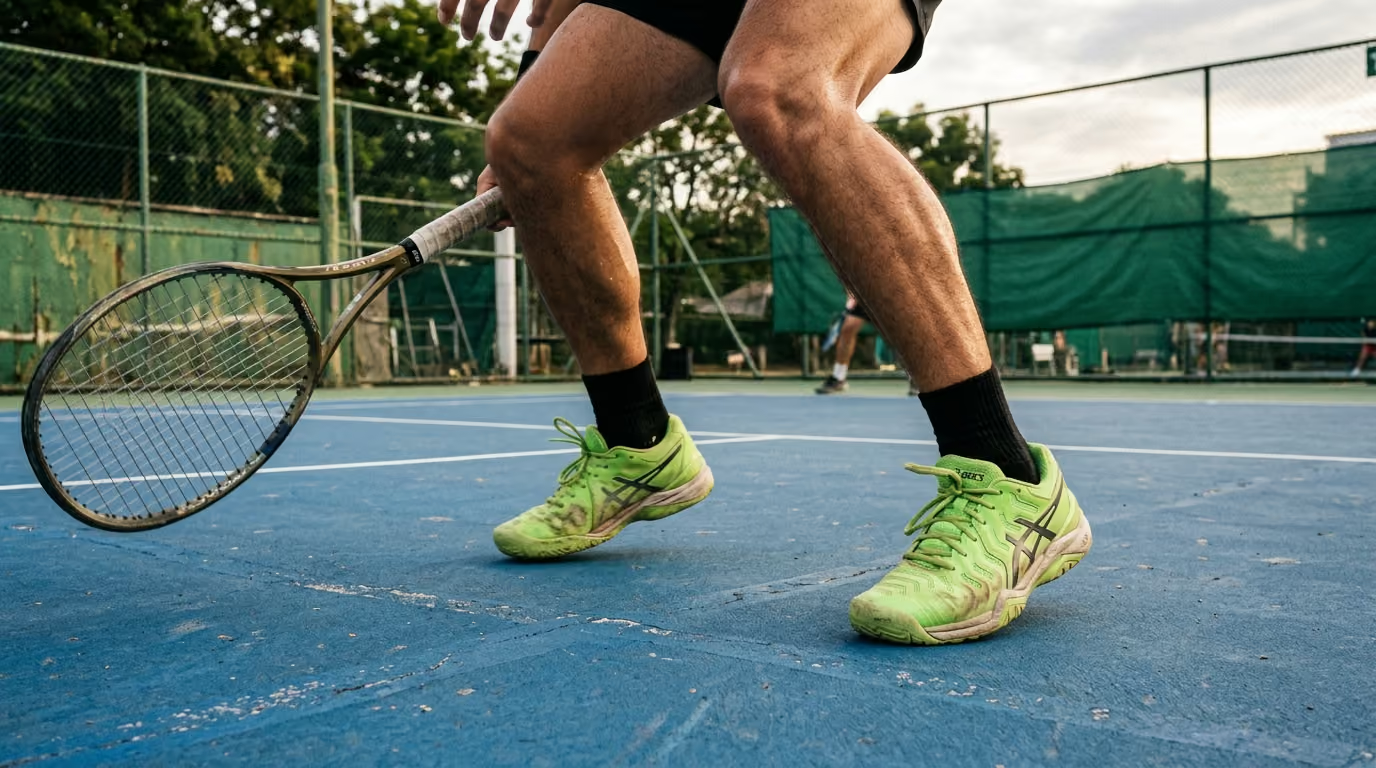
While many assume recovery is simple after odd-hour play, it actually demands precise management of sleep, nutrition, and load to protect performance.




Odd-hour play refers to any court session that falls outside the standard daylight hours of a conventional working day. This category includes late-night indoor league matches ending after 10:00 PM, early-morning practice sessions starting before 7:00 AM, and weekend tournament double-headers with multi-hour gaps between rounds. It does not refer to standard afternoon recreation or matches played during regular business hours. Instead, it represents the reality of the modern racquet sports enthusiast who must fit court time into a busy professional and family life.
Managing physical recovery around these unusual hours requires more than a simple post-match stretch. When you play during non-traditional hours, you disrupt the natural biological rhythms that govern sleep, digestion, and tissue repair. This guide provides a detailed blueprint for managing sleep, nutrition, and physical load when your court schedule is irregular. By understanding the physiological impacts of odd-hour matches, you can protect your performance and maintain your athletic longevity.
To recover effectively from odd-hour matches, you must actively align your light exposure, nutritional timing, and physical wind-down routines with your biological clock. Prioritizing consistent total sleep volume over a rigid sleep schedule prevents cumulative fatigue. Tailoring your pre-match and post-match habits to the specific time of day ensures your nervous system can transition smoothly between high-intensity competition and deep restorative sleep.
Your body operates on a internal twenty-four hour clock known as the circadian rhythm. This biological system is regulated by the suprachiasmatic nucleus, a tiny region in the brain that responds directly to light and dark signals from your eyes. When your eyes register bright light, your brain signals the release of cortisol and other hormones that promote alertness, muscle tension, and high body temperature. As light fades, the brain releases melatonin, a hormone that facilitates physical relaxation, lowers your core temperature, and prepares you for deep sleep.
Playing a high-intensity match late at night or early in the morning disrupts this delicate hormonal balance. High-intensity exercise stimulates the sympathetic nervous system, commonly known as the fight-or-flight response. This physical state increases your heart rate, elevates cortisol levels, and raises your core body temperature by several degrees. Under normal circumstances, your core body temperature must drop by about two degrees Fahrenheit for high-quality sleep to occur.
When you play a competitive match under bright court lights at 9:00 PM, you present your body with two conflicting signals. The physical exertion and artificial light tell your brain that it is midday, which suppresses melatonin production and raises your core temperature. Meanwhile, the actual time of day demands rest. This conflict delays your sleep onset, decreases the amount of deep slow-wave sleep you receive, and reduces the time your body spends in rapid eye movement sleep.
According to research from the National Sleep Foundation, losing even one hour of sleep can decrease your reaction time, impair your motor control, and reduce your cognitive processing speed on the court the next day. For players interested in athletic longevity resources, understanding these circadian disruptions is essential. Regular sleep disruption reduces the rate of tissue repair, which can lead to chronic joint stiffness and increased susceptibility to overuse injuries over time.
Early morning matches present a different set of physiological challenges. Waking up at 5:30 AM to play a 6:30 AM match means you are competing when your core body temperature is at its lowest point. During this early hour, your joints are less lubricated, your spinal discs are more hydrated and susceptible to stress, and your central nervous system is not fully primed for explosive movements. Forcing high-intensity lateral movements without proper preparation can strain cold tissues and lead to acute injuries.
Managing a late-night match requires a deliberate strategy that begins several hours before you step onto the court and continues until you turn off the lights at home. The main goal of this protocol is to perform well during the match while minimizing the time it takes to wind down afterward.
Your preparation for a late-night match should begin in the mid-afternoon. Avoid consuming any caffeine after 2:00 PM. While caffeine can improve your court performance, its half-life ranges from five to seven hours, meaning half of the stimulant remains in your bloodstream long after your match ends. This residual caffeine blocks adenosine receptors in your brain, preventing you from feeling sleepy even if your body is physically exhausted.
When warming up for a late-night match, focus on dynamic movements that prepare your joints without over-stimulating your nervous system. Spend ten minutes on light aerobic work, followed by targeted mobility exercises. You can find comprehensive movement patterns in our guide on mobility and movement resources. Keep your pre-match routine focused and calm, avoiding high-energy music or excess stimulants that can make it harder to wind down later.
The moment the match ends, your primary objective shifts from competition to nervous system down-regulation. You can achieve this transition by following a structured sequence of actions immediately after your final point:
I remember finishing a tough two hour padel match on a cold Tuesday night and waking up the next morning feeling like my lower back was locked in concrete. For a long time, I just accepted this as the price of playing hard in my forties. But once I started spending just ten minutes on targeted hip mobility before heading to the club, the stiffness almost completely vanished. It taught me that we do not have to accept pain as a default state of aging.
Nutrition for odd-hour matches requires a careful balance. You must provide your muscles with enough glycogen to perform well without overloading your digestive system right before you try to sleep or immediately after you wake up.
When you play a match at 8:30 PM or 9:00 PM, eating a heavy dinner beforehand can cause indigestion, sluggishness, and poor sleep quality. Your body cannot digest a large, complex meal while diverting blood flow to your working muscles.
Your pre-match dinner should occur three to four hours before court time. This meal should consist of easily digestible carbohydrates and lean proteins, such as chicken breast with white rice or a small bowl of pasta with marinara sauce. Avoid high-fiber foods, cruciferous vegetables, and high-fat meats, as these foods slow down digestion and can cause stomach discomfort on the court.
If you feel hungry an hour before the match, eat a small snack of simple carbohydrates. A banana, a handful of dried fruit, or a serving of applesauce will provide quick energy without burdening your stomach.
During the match, prioritize hydration over solid food. Sip water mixed with electrolytes, focusing on sodium, potassium, and magnesium. These minerals support muscle function, help prevent cramping, and assist with fluid balance.
After a late-night match, your muscles need nutrients to begin the repair process, but eating a full meal at 11:00 PM can disrupt your sleep. Instead, opt for a liquid or semi-solid recovery snack within thirty minutes of finishing your match. A protein shake made with whey or plant-based protein, combined with a fast-digesting carbohydrate like tart cherry juice, is an excellent option. Tart cherry juice is rich in antioxidants and contains natural melatonin, which can help improve your sleep quality.
Playing a 6:30 AM match presents the opposite challenge. Your body has fasted overnight, meaning your liver glycogen levels are low, and your muscles need quick energy. However, waking up early enough to digest a full breakfast is rarely practical.
If you have less than an hour between waking up and stepping on the court, do not try to eat a large meal. Instead, consume a small, fast-digesting carbohydrate snack as soon as you wake up. A slice of toast with a thin layer of jam, a banana, or a small sports drink will provide the necessary blood glucose to fuel your muscles and brain.
Keep your hydration simple in the morning. Drink twelve to sixteen ounces of water with electrolytes immediately upon waking to combat overnight dehydration. Avoid starting your match with a large amount of coffee, as excessive caffeine on an empty stomach can cause jitteriness and gastrointestinal distress during lateral movements.
Save your main meal for after the morning session. Once your match is complete, enjoy a balanced breakfast containing twenty to thirty grams of high-quality protein, complex carbohydrates, and healthy fats. This meal will replenish your depleted glycogen stores, support muscle tissue repair, and keep your energy stable for the rest of the day.
While all racquet sports require agility, coordination, and endurance, the specific physical demands of tennis, pickleball, and padel influence how you should manage your recovery during odd hours. Understanding these differences allows you to tailor your approach to your chosen sport.
Tennis is characterized by long matches, explosive lateral sprints, and high rotational forces on the spine and joints. A single tennis match can easily last over two hours, resulting in significant muscle damage and glycogen depletion.
If you are playing a late-night tennis match, the physical load is much higher than in other racquet sports. The constant stopping and starting on hard courts places stress on your knees, hips, and lower back. Because of this high physical demand, post-match recovery must prioritize joint care and muscle repair.
If you play tennis at odd hours, you must pay close attention to structural recovery. For more guidance on managing this load, refer to our injury prevention resources. After a late-night tennis session, spending extra time on active foam rolling and static stretching of the lower limbs is essential to prevent morning joint stiffness.
Pickleball is played on a smaller court, which reduces the total running distance compared to tennis. However, the game requires rapid reactions, constant low-squatting positions, and a high volume of quick, short steps. The rapid exchange of volleys at the kitchen line demands high cognitive focus and fast hand-eye coordination.
When playing pickleball at odd hours, the mental fatigue can be as significant as the physical fatigue. The high-stimulus nature of quick volleys can keep your nervous system elevated long after the match ends. If you play late-night pickleball, your wind-down routine should focus on calming your mind.
For early morning pickleball, the primary concern is the lower back and knees. Because the game requires you to stay in a low, bent-over athletic stance, playing early in the morning when your spinal discs are fully hydrated and stiff can increase your risk of back strain. Spend extra time warming up your hips and core before hitting your first shot.
Padel is played in an enclosed glass cage, leading to long, continuous rallies with few interruptions. The sport involves constant changes of direction, frequent overhead smash movements, and rebounding off the walls. This combination of movements puts stress on the shoulders, Achilles tendons, and calves.
Late-night padel matches can be physically draining due to the high humidity and temperature variations inside indoor centers. The continuous nature of the play means your heart rate remains elevated for extended periods.
After a late-night padel match, focus on shoulder mobility and calf recovery to prevent tightness. The overhead movements can strain the rotator cuff, while the sandy artificial turf courts can place extra stress on the Achilles tendons. Ensure you hydrate well to replace the fluids lost in enclosed indoor court environments.
Many recreational and competitive players struggle with irregular schedules because they fall into common recovery traps. Recognizing and avoiding these mistakes can improve your sleep and performance on the court.
Many players enjoy a cold beer or a glass of wine after a late-night match to help them relax. While alcohol can make you feel drowsy and reduce the time it takes to fall asleep, it disrupts your sleep architecture.
Alcohol suppresses rapid eye movement sleep during the first half of the night, which is crucial for cognitive recovery and memory consolidation. It also increases your heart rate and keeps your sympathetic nervous system active, preventing your body from entering deep, restorative slow-wave sleep. The result is waking up feeling unrefreshed, dehydrated, and physically stiff, which hinders your recovery.
Waking up early for a morning match often prompts players to drink large amounts of coffee or pre-workout stimulants. While this practice provides a temporary energy boost, it can lead to a severe energy crash later in the day.
High doses of caffeine on an empty stomach can also cause gastrointestinal distress, rapid heart rates, and anxiety. Instead of relying on stimulants, focus on a gradual warm-up, proper hydration, and a light carbohydrate snack to wake up your body naturally.
When a match ends late at night, it is tempting to pack your bags and head straight to your car. Skipping the warm-down process, however, leaves your heart rate elevated and keeps your nervous system in a high-alert state.
Taking just five minutes to walk and stretch on the court can reduce your recovery time. This simple routine helps transition your body from competition mode to rest mode, making it easier to fall asleep once you arrive home.
Going straight from the high-intensity environment of the court to your bed rarely works. Your brain needs time to process the physical activity and wind down before it can fall asleep.
Trying to force sleep when your heart is still beating fast can lead to frustration and sleeplessness. Plan for at least forty-five minutes of quiet, screen-free time at home before turning off the lights. This buffer period allows your core body temperature to drop and your heart rate to return to its resting level.
Your body performs most of its physical repair work during the deep stages of sleep. This is when the pituitary gland releases growth hormone, which stimulates protein synthesis, tissue repair, and muscle growth.
When your sleep is shortened or disrupted by irregular match times, this natural repair process is compromised. This can lead to a build-up of micro-tears in your muscles, tendons, and ligaments, increasing your risk of chronic overuse injuries. For players looking to learn more about managing these risks, our player health articles offer valuable guidance on maintaining physical health.
Irregular play schedules can also affect your hormonal balance. Chronic sleep restriction raises baseline cortisol levels, which can promote muscle breakdown and slow down the healing of soft tissues. High cortisol levels can also suppress your immune system, making you more susceptible to illnesses that can keep you off the court.
Tendons and ligaments have a limited blood supply compared to muscles, meaning they take longer to repair. When you play on consecutive days with irregular sleep in between, these connective tissues do not have sufficient time to recover. This lack of recovery can lead to conditions like Achilles tendinitis, patellar tendinitis, and lateral epicondylitis, commonly known as tennis elbow.
To mitigate these risks, you must manage your overall training load. If you have a late-night match scheduled, reduce the intensity of your workouts the following day. Give your body the time it needs to complete the repair process before placing high demands on your tissues again.
While occasional fatigue is a normal part of playing competitive sports, persistent recovery problems can indicate a more serious issue. You should consult a qualified healthcare provider, physiotherapist, or sports medicine specialist if you experience any of the following warning signs:
A sports medicine professional can help you develop a personalized recovery plan, assess your movement patterns for injury risks, and ensure you can continue playing safely.
If a late-night match cuts your sleep short, you can try to make up for it with a short nap the next day. A twenty to thirty-minute nap in the early afternoon can help restore your alertness and reduce physical fatigue without disrupting your sleep the following night. Avoid sleeping for longer than thirty minutes during the day, as this can lead to groginess and interfere with your evening sleep schedule.
This depends on the intensity of your session and your personal preference. For light practices or drills, playing fasted is fine if you hydrate well. For high-intensity matches, however, eating a small, fast-digesting carbohydrate snack thirty to forty-five minutes beforehand is recommended to provide your muscles with readily available energy.
Melatonin supplements can be helpful for resetting your sleep cycle after a late-night match, but they should be used with care. If you choose to use melatonin, take a low dose of 0.5 to 3 milligrams about thirty to sixty minutes before your target bedtime. Consult with your healthcare provider before starting any new supplement routine to ensure it is safe and appropriate for you.
If you struggle to wind down after a match, focus on relaxing, screen-free activities. Try reading a book, practicing deep breathing exercises, or listening to calming music in a dimly lit room. Taking a warm bath or using a foam roller can also help release muscle tension and signal to your nervous system that it is time to rest.
For more in-depth articles, practical movement guides, and expert advice on staying healthy on the court, visit the Evercourts blog. Whether you play tennis, pickleball, or padel, our resources are designed to help you move well, perform better, and enjoy your sport for years to come.
Follow Evercourts for practical insights on tennis, pickleball and padel performance, movement, recovery and healthy ageing. Stay connected for new articles, research-led guidance and ideas to help you play well and keep playing for years.


Read practical guidance for better movement, smarter preparation and a game that keeps working for you.
explore the Blog