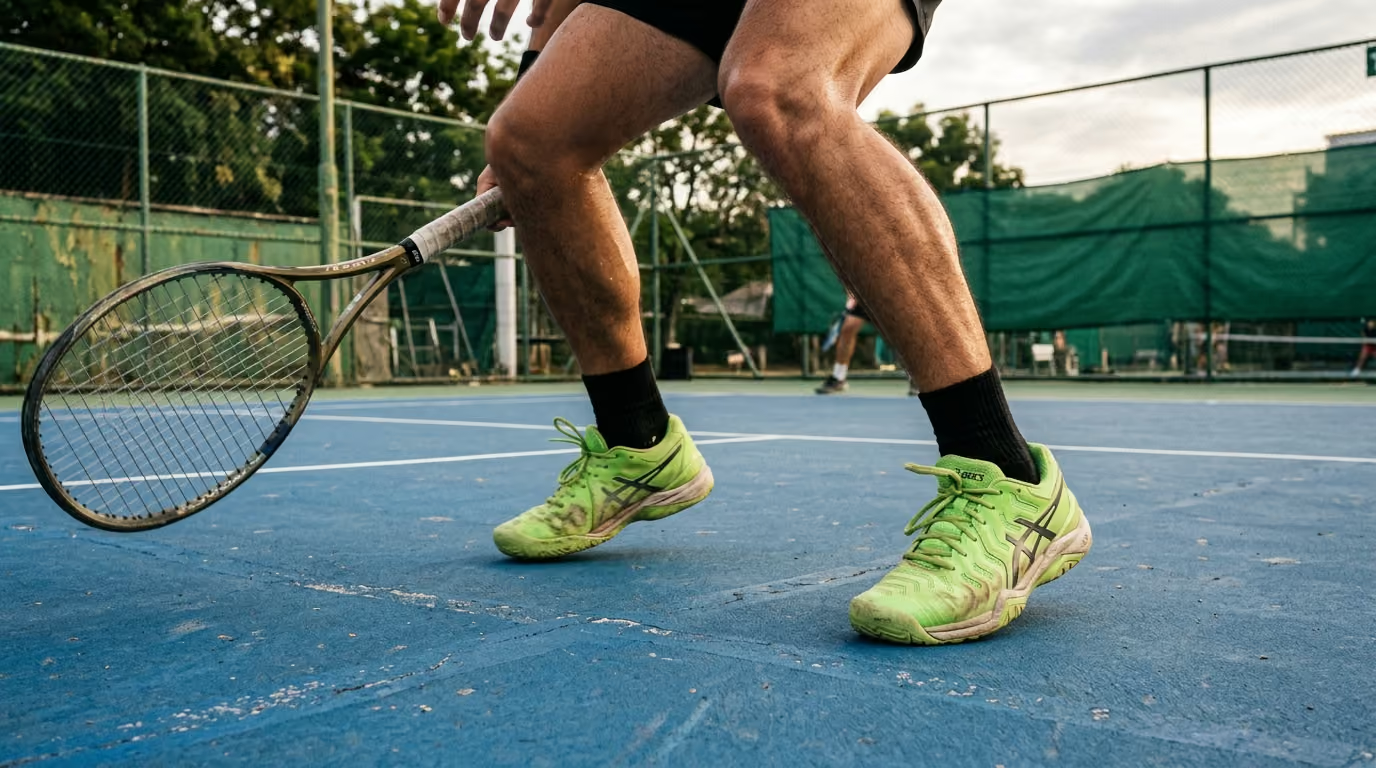
While many mature racquet sports players attribute fatigue to aging, optimal sports nutrition is a powerful tool for maintaining performance and accelerating recovery.




You stand on the baseline in the third set of a grueling match. Your legs feel heavy, your concentration is slipping, and the ball seems to be moving twice as fast as it did an hour ago. Many mature players assume this late match fatigue is simply an unavoidable consequence of getting older. However, the root cause is often found on your plate rather than your birth certificate.
I remember finishing a tough two hour padel match on a cold Tuesday night and waking up the next morning feeling like my lower back was locked in concrete. For a long time, I just accepted this as the price of playing hard in my forties. But once I started spending just ten minutes on targeted hip mobility before heading to the club, the stiffness almost completely vanished. It taught me that we do not have to accept pain as a default state of aging. In the same way, the meals we choose before and after we step onto the court play a massive role in how we feel the next morning.
A structured sports nutrition plan is one of the most effective tools for maintaining physical capability over time. By aligning what you eat with the specific physical demands of racquet sports, you can maintain your speed and recover faster. This guide outlines a practical nutrition framework designed to support performance, preserve muscle tissue, and promote healthy body composition.
An effective nutritional strategy for aging racquet sports players focuses on matching carbohydrate intake to physical demand while securing adequate, well-distributed protein to protect muscle mass. This approach maintains glycogen stores for high-intensity efforts, accelerates muscle repair after tough sessions, and prevents chronic energy deficits. By balancing healthy fats and individualized hydration, players can sustain court speed and extend their athletic longevity.
To make this work, you must view nutrition as a active system. Your energy needs fluctuate depending on whether you are playing a tournament, practicing drills, or resting. Our team regularly discusses these principles in our player health articles tailored for mature court athletes. Eating with purpose prevents you from falling into the trap of chronic under-fueling.
The physiological profile of a master's athlete is distinct from that of a sedentary older adult. Regular court training and resistance exercise help preserve physical function and metabolic health. However, certain aging processes still require targeted nutritional adjustments.
Anabolic resistance is a term used to describe a reduced muscle protein synthesis response to dietary protein. Research shows that older muscles require a stronger nutritional stimulus to trigger repair and growth compared to younger muscles. A meta-analysis published in the journal Ageing Research Reviews reported modest but statistically significant reductions in post-meal muscle protein synthesis in older cohorts.
Fortunately, this resistance is not an insurmountable barrier. Exercise acts as a primary sensitizer for muscle tissue. A controlled study in the Journal of Physiology demonstrated that high-quality protein combined with resistance exercise increased muscle protein synthesis by approximately 108% in both young and older adults. To overcome anabolic resistance, your strategy must focus on protein quality, portion size, and timing.
Active players sometimes unintentionally consume fewer calories than their training demands. Low energy availability occurs when the energy left over for basic physiological functions is too low after subtracting exercise expenditure. This state can occur during periods of high match volume, early morning sessions, or intentional weight loss.
According to a review in the International Journal of Sport Nutrition and Exercise Metabolism, energy availability below 30 kilocalories per kilogram of lean body mass per day is associated with metabolic, hormonal, and immunological issues. It also impairs bone health and reduces the rate of muscle repair. For the mature athlete, chronic low energy availability accelerates muscle loss and increases injury rates.
Maintaining adequate caloric intake is a cornerstone of athletic longevity resources designed for older competitors. Your goal should be to provide enough energy to support both your daily life and your court performance. Leaner is only better if it does not come at the expense of your strength and recovery.
While total daily food intake is the foundation of nutrition, timing becomes highly valuable when training demands are high. Properly timed meals ensure that glucose is available in your bloodstream during long rallies. It also ensures that amino acids are present to begin muscle repair immediately after play.
The concept of a narrow anabolic window has been updated by modern sports science. A review in the Journal of the International Society of Sports Nutrition indicates that the muscle-building response to exercise remains elevated for many hours. However, distributing nutrients evenly throughout the day remains the most practical way to maximize this effect.
Muscle mass naturally tends to decline with age, a process known as sarcopenia. For a racquet sports player, losing muscle means losing court speed, explosive power, and joint stability. Ensuring you eat enough high-quality protein is your primary defense against this decline.
The International Society of Sports Nutrition recommends a daily protein intake of 1.4 to 2.0 grams per kilogram of body weight for active individuals. For older adults, the PROT-AGE Study Group recommends at least 1.2 to 1.5 grams of protein per kilogram of body weight daily to support healthy aging. When you combine these guidelines, a clear framework emerges for the mature court athlete.
If you are a healthy older player with modest activity, target 1.2 to 1.4 grams per kilogram daily. If you play regular tennis, padel, or pickleball and participate in strength training, aim for 1.4 to 1.8 grams per kilogram daily. During periods of energy restriction or high match volume, increase your target to 1.6 to 2.0 grams per kilogram daily.
For example, a player weighing 75 kilograms who targets 1.6 grams per kilogram daily requires 120 grams of protein. You should distribute this total across several meals rather than consuming it all at dinner. This approach ensures your body has a steady supply of amino acids throughout the day.
To trigger muscle protein synthesis effectively, each meal should contain a specific threshold of protein. Research suggests that a dose of 0.4 to 0.5 grams of high-quality protein per kilogram of body weight per meal is ideal for older athletes. For a 75-kilogram player, this equates to roughly 30 to 38 grams of protein per meal.
Protein quality is determined by the concentration of essential amino acids, particularly leucine. Leucine acts as a chemical trigger that initiates the muscle repair process. You should aim for 700 to 3,000 milligrams of leucine per protein serving.
Excellent sources of leucine-rich, complete proteins include:
If you follow a plant-based diet, you may need to increase your portion sizes by about 10% to account for the lower digestibility of plant proteins. Combining different plant protein sources, such as rice and beans, also helps ensure you get a complete amino acid profile.
Consuming a moderate protein serving before sleep can support muscle recovery overnight. The long fasting period during sleep is a time when muscle breakdown can exceed muscle synthesis. A study in the Journal of Nutrition found that pre-sleep protein is effectively digested and absorbed, stimulating muscle protein synthesis throughout the night.
A practical pre-sleep snack should contain 30 to 40 grams of slow-digesting protein, such as casein. Excellent options include a cup of cottage cheese with fruit or a bowl of Greek yogurt. This is an optional but highly effective tool when your daily protein intake is otherwise difficult to meet.
During weight loss phases, maintaining a high protein intake is essential. Slicing calories too quickly without protecting your protein intake will lead to muscle loss. To maintain your strength on the court, focus on losing fat gradually while keeping your resistance training and protein intake consistent.
Carbohydrates are the primary fuel source for high-intensity efforts. Racquet sports require repeated sprints, quick lateral movements, and sudden changes of direction. These explosive actions rely heavily on muscle glycogen, which is replenished through the carbohydrates you eat.
Sustaining your energy levels during a long match requires adequate carbohydrate availability. Research in the Journal of Sports Sciences shows that carbohydrate ingestion during prolonged tennis matches helps maintain blood glucose levels. It also helps reduce the rise in cortisol, a primary stress hormone, compared to a placebo.
A comprehensive tennis nutrition review suggests a daily carbohydrate intake of 7 to 10 grams per kilogram of body weight for elite players. However, recreational and club players rarely require such high amounts. For most mature players, a periodized approach that matches carbohydrate intake to your daily workload is more appropriate.
You should adjust your carbohydrate intake based on how much you plan to move each day. This prevents unnecessary fat gain on rest days while ensuring you are fully energized on match days.
On rest or light mobility days, keep your carbohydrate portions moderate. Focus on high-fiber, nutrient-dense sources such as vegetables, berries, legumes, and whole grains. These foods provide essential micronutrients without causing large blood sugar spikes.
On practice days, include moderate carbohydrate portions in the meals before and after your session. For hard training or match days, increase your carbohydrate portions across all meals. If you are playing a tournament with multiple matches, you should also consume easily digestible carbohydrates during play.
Your pre-match meal should be consumed three to four hours before you step onto the court. This meal should be carbohydrate-forward, moderate in protein, and low in fat and fiber to prevent stomach discomfort. Excellent choices include oatmeal with banana and honey, or a plate of chicken with rice and fruit.
For matches lasting longer than 60 to 90 minutes, consuming carbohydrates during play can help maintain your speed and coordination. Sports nutrition guidelines recommend 30 to 60 grams of carbohydrate per hour during prolonged exercise. A study in the British Journal of Sports Medicine demonstrated that carbohydrate-electrolyte intake during a match improved serve success and groundstroke accuracy late in play.
Practical options for during-play fuel include:
After a demanding match, your body needs to replenish its depleted glycogen stores. This is particularly important if you plan to play again within the next 24 hours. Consuming 1.2 to 1.5 grams of carbohydrate per kilogram of body weight within two hours of finishing play will accelerate this process.
Combining these carbohydrates with 25 to 40 grams of protein further enhances recovery. This combination stimulates muscle repair and glycogen synthesis simultaneously. A rice bowl with salmon and vegetables, or a recovery smoothie made with oats, milk, and fruit, are excellent post-match options.
Dietary fat is an essential component of a healthy athletic diet. It supports hormone production, aids in the absorption of fat-soluble vitamins, and provides a concentrated source of energy. However, the type of fat and the timing of its consumption require careful consideration.
Sports nutrition guidelines generally recommend that fat make up 20% to 35% of your total daily energy intake. For the mature athlete, focusing on unsaturated fats supports cardiovascular health and joint integrity. Oily fish, such as salmon and mackerel, are rich in omega-3 fatty acids, which help manage exercise-induced inflammation.
On ordinary days, incorporate nutrient-dense fat sources into your meals. These include extra virgin olive oil, avocados, almonds, walnuts, chia seeds, and flaxseeds. These fats add satiety to your meals, helping you maintain a stable energy level throughout the day.
While healthy fats are beneficial for long-term health, they should be limited in the hours immediately leading up to a match. Fat slows down the rate of gastric emptying, meaning food stays in your stomach longer. Consuming a high-fat meal before playing can lead to bloating, cramping, and sluggishness on the court.
Keep your pre-match meals lean, and save your avocado, nuts, and oils for your post-match recovery meals or rest days. This simple timing shift can significantly improve your comfort and agility during play.
A common pitfall among master's athletes is relying too heavily on highly processed sports nutrition products. A systematic review published in the journal Nutrients found that older athletes often consume plenty of protein but insufficient amounts of micronutrients and carbohydrates. To protect your health, base your diet on whole, minimally processed foods rather than relying solely on protein powders and energy bars.
Dehydration can rapidly impair your court performance. A fluid loss of just 2% of your body weight can degrade your coordination, slow your reaction times, and increase your rate of perceived exertion. For mature players, the sensation of thirst often becomes less sensitive with age, making a proactive hydration plan essential.
Sweat rates and sodium losses vary dramatically from player to player. Some players lose minimal fluid, while others sweat heavily and lose significant amounts of sodium. The most reliable way to determine your fluid needs is to perform a simple sweat test.
To estimate your sweat rate, weigh yourself in kilograms immediately before and after a 60-minute training session. Track the volume of fluid you drink during the session, and try to avoid using the bathroom. You can calculate your approximate fluid loss using this simple formula:
Sweat loss = (Pre-exercise body mass - Post-exercise body mass) + Fluid consumed during play
Your goal is not necessarily to replace every drop of sweat during play, but rather to prevent a body mass loss of greater than 2%. For example, if you weigh 70 kilograms, you should aim to keep your weight loss during a match under 1.4 kilograms.
To ensure you start your match adequately hydrated, drink approximately 500 milliliters of fluid two hours before play. This timing allows your body to absorb the water and excrete any excess through urination before you warm up.
During play, a general guideline is to drink 200 milliliters of fluid every 15 minutes in mild conditions, and up to 400 milliliters every 15 minutes in hot and humid conditions. For sessions lasting longer than an hour, your fluid should contain 0.5 to 0.7 grams of sodium per liter. Sodium helps maintain fluid balance, promotes the absorption of water in the gut, and prevents muscle cramps.
While dehydration is a common concern, drinking excessive amounts of plain water can also be dangerous. Overhydration can dilute the sodium levels in your blood, leading to a condition called exercise-associated hyponatremia. This condition is serious and can cause headaches, confusion, nausea, and in severe cases, physical collapse.
Watch for these warning signs of an unsuitable hydration plan:
If you experience confusion, vomiting, or extreme dizziness, seek immediate medical attention. To optimize your performance during active recovery, review our dedicated recovery science resources.
Applying these nutritional principles requires a structured but flexible routine. Below are practical dietary frameworks for both match days and ordinary training days, designed to fit into a busy schedule.
Your match-day nutrition should focus on maximizing glycogen stores, maintaining hydration, and preventing gastrointestinal distress.
Eat a large, carbohydrate-rich meal to top off your liver and muscle glycogen levels. Keep fat and fiber minimal to speed up digestion.
Consume a small, easily digestible snack to maintain blood glucose levels as you begin your warm-up.
Focus on consistent fluid and electrolyte intake. If the match extends beyond 90 minutes, start consuming small amounts of carbohydrates.
Initiate the recovery process immediately with a balance of carbohydrates, protein, fluid, and sodium.
On days when you are not playing a demanding match, your nutrition should focus on maintaining muscle mass, supporting general health, and managing body composition.
To keep things simple, use a visual plate method for your main meals:
By using this structure on your rest and light training days, you can easily manage your caloric intake without feeling restricted. On days with higher training volumes, simply increase the carbohydrate portion of your plate to match your energy expenditure.
While the fundamental principles of sports nutrition apply to all court athletes, the specific physical demands of tennis, padel, and pickleball require distinct tactical adjustments. Understanding these differences allows you to tailor your nutrition to your chosen sport.
Tennis matches are notoriously unpredictable in duration. A match can be over in 60 minutes or stretch past three hours. Additionally, tennis players are often exposed to direct sunlight and high heat on open outdoor courts.
Because of this, tennis players must prioritize large glycogen reserves and substantial fluid volumes. If you are preparing for a singles tournament, a deliberate carbohydrate-loading phase the day before competition is highly beneficial. Your hydration plan must also account for high sweat rates, meaning sodium replacement is critical to prevent cramping during long, hot matches.
Whether you are fine-tuning your tennis performance strategies or mastering the fast exchanges of padel, nutrition is your primary recovery lever. Be prepared with extra fuel in your court bag.
Pickleball matches are typically shorter than tennis matches, but tournaments often require you to play multiple matches in a single day. The court is smaller, but the play requires constant lateral lunging and rapid-fire hand-eye coordination.
The primary nutritional challenge for pickleball players is managing energy and hydration between matches. Consuming a large meal between consecutive matches can cause sluggishness and stomach cramping. Instead, rely on small, frequent snacks rich in simple carbohydrates and protein, such as a turkey wrap, rice pudding, or a sports drink paired with a banana.
This approach keeps your blood sugar stable and your reflexes sharp without overloading your digestive system. To find more tips on managing tournament play, check out our pickleball articles.
Padel is played on an enclosed court, combining high-intensity sprints with constant changes of direction off the glass walls. The physical demands are highly repetitive, featuring frequent overhead smashes and deep lunges.
Because padel requires continuous power output, maintaining muscle glycogen is essential. Additionally, the fast pace of the game means you have fewer opportunities to drink during play. You must make the most of short breaks between games to consume small, frequent sips of an electrolyte-rich drink.
For padel players, post-match recovery is especially important to combat the muscle soreness associated with repetitive lunging. Be sure to consume a high-quality protein and carbohydrate snack within an hour of stepping off the court. Learn more about optimizing your physical preparation in our dedicated padel play tips.
Even well-intentioned players can make nutritional errors that compromise their health and performance. Recognizing these common pitfalls can save you from unnecessary fatigue and injury.
In an effort to manage body weight, some mature players severely restrict their carbohydrate intake. While low-carbohydrate diets are popular, they are often poorly suited for high-intensity court sports.
Without adequate carbohydrates, your muscle glycogen stores remain chronically depleted. This leads to premature fatigue, a higher rate of perceived exertion, and a decline in coordination late in a match. Over time, chronic carbohydrate restriction can also impair immune function and thyroid health in active athletes.
The Correction: Instead of eliminating carbohydrates, scale them to your daily activity. Eat more on match days to fuel your performance, and reduce your portions on rest days when your energy needs are lower.
Many players believe that drinking as much plain water as possible is the best way to stay hydrated. However, during long, sweaty matches, you lose both water and essential minerals, primarily sodium.
Drinking large volumes of plain water without replacing sodium dilutes the concentration of electrolytes in your blood. This can lead to muscle cramps, headaches, sloshing in the stomach, and in severe cases, hyponatremia. It also triggers your kidneys to produce more urine, causing you to lose even more fluid.
The Correction: For any session lasting longer than 60 minutes, or when playing in hot and humid conditions, use a sports drink or electrolyte tablet containing sodium. This supports fluid absorption and helps maintain proper electrolyte balance.
What you eat directly influences how quickly your body repairs itself between matches. For the mature athlete, recovery is not just about resting; it is an active process driven by nutritional building blocks.
Proper nutrition supports recovery in several ways:
By treating post-match nutrition with the same importance as your warm-up, you can significantly reduce muscle soreness and stay on the court longer. For a comprehensive look at optimizing your post-play routine, refer to our strength and conditioning guidelines.
While general sports nutrition principles provide an excellent foundation, individual health considerations must always take priority. Certain medical conditions and physical symptoms require personalized guidance from a qualified healthcare professional.
Consult a physician or registered dietitian if you experience any of the following:
If you are dealing with persistent joint discomfort or recurring strains, consult our injury prevention resources for guidance on physical rehabilitation. Your nutrition should support, not complicate, your overall health management.
You should return to this sports nutrition framework whenever your training volume changes, such as when transition from indoor winter play to a busy summer tournament schedule. Re-evaluating your protein distribution and hydration strategies as you modify your training will help ensure your body always has the exact fuel it needs.
Optimal nutrition is not about following a restrictive diet, but rather about creating a flexible, supportive framework that evolves with your athletic lifestyle. By feeding your body strategically, you protect your strength, accelerate your recovery, and ensure you can enjoy the sports you love for many years to come.
Follow Evercourts for practical insights on tennis, pickleball and padel performance, movement, recovery and healthy ageing. Stay connected for new articles, research-led guidance and ideas to help you play well and keep playing for years.


Read practical guidance for better movement, smarter preparation and a game that keeps working for you.
explore the Blog