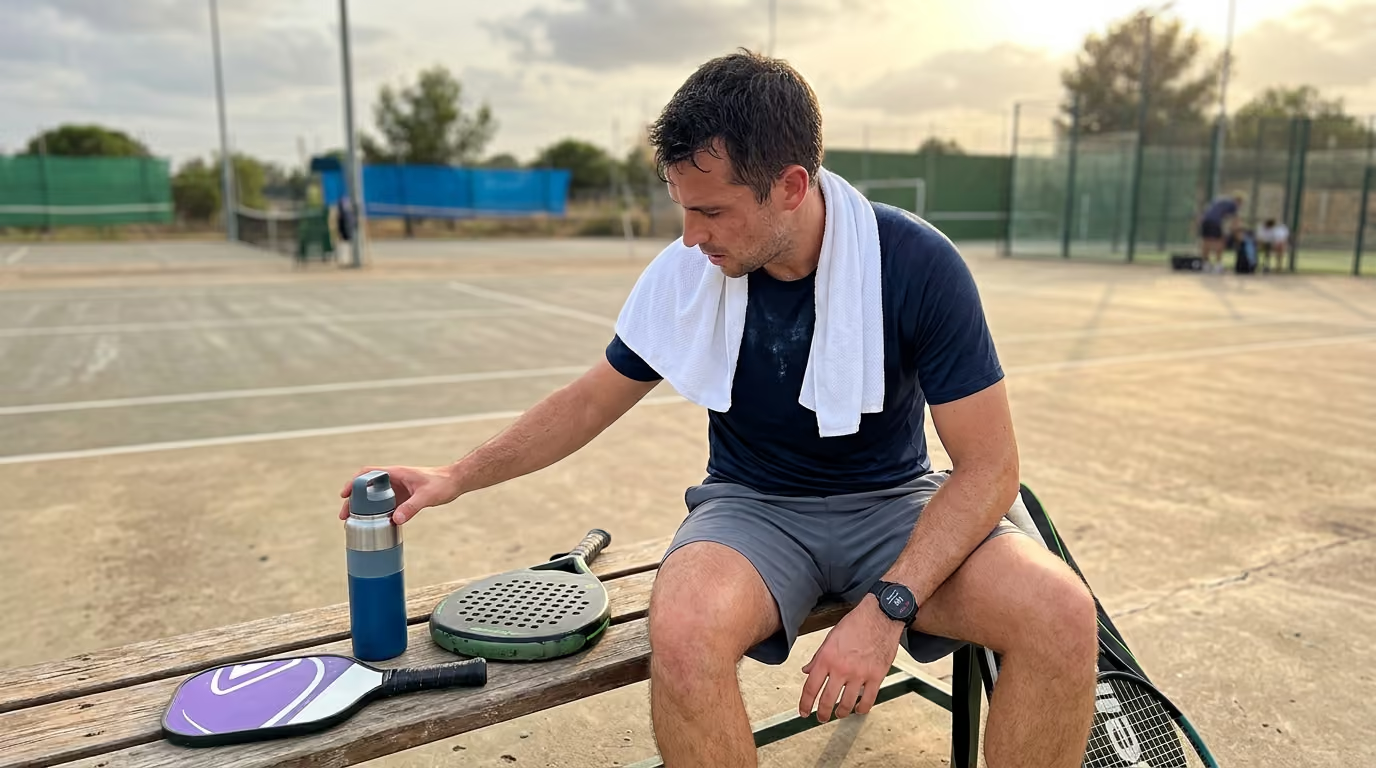

While many believe recovery between back-to-back matches is simple, it actually requires a systematic approach to manage overlapping physiological challenges.




A back-to-back tournament schedule is not just two separate matches separated by a clock interval. It is a complex physical challenge where multiple bodily systems overlap. A player must manage body temperature, fluid balance, fuel levels, muscular soreness, and mental focus all at once. If you do not manage these variables systematically, your performance in the second match will suffer.
When playing multiple matches in a short period, your success depends on managing overlapping physiological systems. To recover effectively, you must focus on rapid body cooling, targeted fluid replacement, and timely carbohydrate intake based on the exact time available. This approach prevents cumulative fatigue and helps maintain your physical performance across consecutive sessions.
This playbook is organized around the time you have available. It does not offer a single magic recovery method. Instead, it provides a realistic, step-by-step framework to help you restore what limits you most before your next start time.
To recover effectively between matches, you must first understand the physiological stress of racket play. Your muscles burn stored energy, your body sheds water to stay cool, and your nervous system fires continuously. If the recovery interval is short, your body must repair this wear and tear on the fly.
Thermal strain is one of the most immediate challenges, especially when playing outdoors or in humid conditions. Your internal core temperature rises as your muscles produce heat. According to a tennis cooling review, targeted cooling strategies are essential in hot conditions to protect player health and limit performance decline.
In a simulated hot-weather tennis study, researchers tested several cooling methods. They used cold-water ingestion, electric fans, and ice towels. While these methods did not dramatically change group-level physical performance, they significantly improved thermal comfort and lowered local skin temperatures. Individual players responded differently, showing that cooling must be tailored to how you feel.
Hydration is another critical factor. Dehydration occurs when you sweat faster than you drink. The American College of Sports Medicine (ACSM) recommends starting exercise in a well-hydrated state. You should drink regularly during play and replace fluid losses immediately afterward. The ACSM cautions against drinking more fluid than you actually lose.
To calculate your fluid deficit, you can use a simple body-mass estimate. One kilogram of lost body weight equals roughly one liter of fluid deficit. If you weigh 75 kilograms before a match and 73.8 kilograms afterward, you have lost about 1.2 liters of fluid. Rapid recovery of this balance requires consuming 1.0 to 1.5 liters of sodium-containing fluid for every kilogram lost. Sodium is crucial because it helps your body retain the water you drink.
Carbohydrate availability determines your physical endurance. Your body stores carbohydrates as glycogen in your muscles and liver. During high-intensity play, these stores deplete rapidly. For prolonged sessions, the ACSM recommends consuming 30 to 60 grams of carbohydrate per hour.
When your next match starts in less than eight hours, you must replenish these stores immediately. Tennis recovery research suggests consuming 1.0 to 1.2 grams of carbohydrate per kilogram of body weight right after your first match. You should repeat this intake hourly for up to four hours.
Finally, you must distinguish between perceived recovery and actual physiological readiness. You might feel fine subjectively while still being dehydrated or glycogen-depleted. Conversely, you might feel stiff but perform well once you restore your fluid and carbohydrate levels.
Research on repeated tennis sessions has compared subjective soreness with objective measures like vertical jump height, heart rate, and lactate levels. A dual check is the safest approach. Assess your subjective feelings of energy and soreness, but also monitor objective markers like your urine color, body weight, and warm-up quality.
The recovery window begins the moment you win or lose the final point of your first match. The clock is ticking, and every minute counts. You can organize your response into distinct phases to maximize your readiness for the next round.
The first five minutes are about stopping the physiological decline. Do not immediately sit down or collapse onto a bench. Walk slowly to keep your blood circulating and help clear metabolic waste. Move into a shaded, air-conditioned, or well-ventilated space as soon as possible. Start sipping water or an electrolyte drink immediately rather than waiting for extreme thirst to set in.
Loosen tight clothing, remove your shoes, and take off any restrictive gear. Avoid replaying tactical errors or arguing about close calls during these first few minutes. Your brain needs a break from high stress just as much as your muscles do. Focus entirely on lowering your heart rate and calming your breathing.
From minutes five to twenty, focus on cooling down and changing your gear. Sweaty clothing holds moisture against your skin and can make you feel cold and clammy during rest. Put on a dry shirt, clean socks, and dry shoes. Changing your clothes acts as a physical reset, signaling to your brain that the first match is truly over.
If you are playing in high heat, use active cooling methods during this window. Apply cold, damp towels to your neck, forehead, and underarms. If you have access to a pool or tub, brief cold-water immersion can be highly effective. A study on repeated tennis sessions found that combining cold-water immersion, compression garments, and sleep hygiene reduced muscle soreness and lowered heart rates.
However, do not assume aggressive cooling is always necessary. A five-day simulated tournament study showed that a complex recovery package did not improve tennis performance compared to simple passive rest. If the weather is mild or cool, heavy cooling is counterproductive. Use it when thermal strain is your main limitation.
From minutes 15 to 45, you must fuel and rehydrate. If your turnaround time is short, select simple carbohydrates that digest quickly. A sports drink paired with a banana is a reliable choice. You can also eat white rice, pretzels, or fruit purees. These foods enter your bloodstream rapidly without straining your digestive system.
If you have a moderate gap of one to two hours, you can add a small amount of lean protein. A turkey sandwich, yogurt with cereal, or a low-fat smoothie works well. Avoid high-fat or high-fiber foods during this time. Fat and fiber slow down digestion, which can cause bloating and stomach cramps when you start running again.
From minutes 30 to 90, prioritize quiet rest without becoming completely immobile. Lie down or sit in a comfortable chair. If your legs feel heavy, elevate them on a bag or chair to assist blood flow. Limit your screen time and avoid scrolling through social media. This passive rest helps lower your mental fatigue and calm your nervous system.
Do not stay completely still for hours, however. Stand up every 30 minutes to stretch lightly and walk around. This keeps your muscles from locking up and prevents joint stiffness. If you enjoy naps, keep them under 20 minutes to avoid waking up groggy. Sleep extension research shows that longer sleep improves overall athletic performance, but a long midday nap can disrupt your night sleep.
During the final 20 to 40 minutes, you must re-warm and re-prime your body. Do not step onto the court for your second match cold. Begin with light aerobic movement like jogging or skipping to raise your heart rate. Follow this with dynamic mobility work, focusing on your hips, shoulders, and trunk.
Perform sport-specific movements like split-steps, lateral shuffles, and shadow swings. Hit a few practice shots or serves at a gradual intensity. Use this re-warm-up to check your coordination and rhythm. Keep the volume low so you do not waste valuable energy before the first official point.
The physical demands of tournament play vary significantly across different racket sports. A recovery plan that works for a tennis player might need adjustments for a pickleball or padel player. Understanding these differences helps you tailor your approach.
Tennis matches are characterized by long, high-intensity rallies, explosive sprints, and sudden changes of direction. The physical toll on your joints and muscles is exceptionally high. However, tennis rules usually guarantee longer rest periods between games and sets.
A key study showed that after three two-hour tennis matches played over 36 hours, players maintained their physical performance when they rested for three hours and ate a balanced meal. This suggests that tennis players can recover well if they prioritize proper nutrition and hydration. Tennis players must focus heavily on replacing glycogen stores because their matches often exceed two hours. To support your longevity on the court, you can learn more by reading our athletic longevity and healthy aging resources.
Pickleball matches are generally much shorter, but they are played at a high density. A tournament day often involves four, five, or more matches with very short breaks in between. Do not let the smaller court size fool you into skipping recovery.
A study on pickleball singles and doubles found that players spent over 70 percent of their match time in moderate-to-vigorous heart-rate zones. Another study recorded an average energy expenditure of 350 calories per hour of play. The danger in pickleball is cumulative fatigue from repeated cold starts and constant lunging. You must treat every break as a recovery opportunity, even if it only lasts 15 minutes. For more specific advice, check out our pickleball performance guides.
Padel presents a unique combination of high rally density and intense physical work. Padel players perform constant overhead smash attempts, quick wall reactions, and deep squats. A systematic review describes padel as an aerobic sport with frequent, explosive anaerobic bursts.
Comparative research between tennis doubles and padel reveals that tennis involves larger movement distances and higher running speeds. However, padel features more rallies, more frequent volleys, and longer overall playing times. The cardiovascular strain and lactic acid levels are remarkably similar between the two sports. Padel players must focus on lower-back and hip mobility to counter the strain of low bounces. For court-tested strategies, explore our padel player tips.
In our experience, ignoring these sport-specific movement demands is a recipe for chronic stiffness. I remember finishing a tough two hour padel match on a cold Tuesday night and waking up the next morning feeling like my lower back was locked in concrete. For a long time, I just accepted this as the price of playing hard in my forties. But once I started spending just ten minutes on targeted hip mobility before heading to the club, the stiffness almost completely vanished. It taught me that we do not have to accept pain as a default state of aging.
Even experienced athletes often fall into common recovery traps. These mistakes can ruin your performance in subsequent rounds and increase your risk of injury. Recognizing these errors is the first step toward correcting them.
The first major mistake is the all-or-nothing nutritional error. Some players finish a match and eat a massive, greasy meal at a nearby restaurant during a two-hour break. This forces your body to divert blood flow away from your muscles and toward your digestive tract, leaving you feeling sluggish, bloated, and heavy. Conversely, other players eat nothing because nerves or fatigue have suppressed their appetite. This guarantees a severe energy crash mid-way through your second match.
The second mistake is drinking too much plain water too quickly. When you sweat, you lose both water and crucial electrolytes like sodium. If you drink massive amounts of plain water without replacing sodium, you dilute your blood chemistry. This can cause bloating, frequent bathroom trips, and in severe cases, a dangerous condition called hyponatremia. Always pair your fluid intake with a pinch of salt, an electrolyte tablet, or salty snacks like pretzels.
The third mistake is using aggressive cooling methods when they are not appropriate. Some players use ice baths or freezing towels after every single match regardless of the weather. If you are playing in cold indoor conditions, heavy cooling will cause your muscles to contract and tighten. This increases your stiffness and makes your next warm-up much more difficult. Only use cooling when heat or humidity is a clear, limiting factor.
The fourth mistake is resting in a completely static position for hours. While passive rest is valuable, sitting or lying down without moving can cause your muscles and joints to stiffen. Lactic acid and metabolic byproducts can pool in your limbs, making you feel incredibly heavy when you stand back up. Balance your rest with short walks and gentle range-of-motion exercises every 30 minutes.
The choices you make between back-to-back matches do not just affect your immediate performance. They also dictate how your body feels the next day and how well your tissues recover over the following weeks. Inadequate recovery between matches creates a physiological debt that can take days to pay off.
When you fail to replenish your muscle glycogen stores promptly, your body must work harder to repair damaged muscle fibers. This prolongs muscle soreness, commonly known as DOMS, and leaves you feeling drained for days after the tournament ends. Rapid carbohydrate and protein intake helps kickstart the muscle-repair process immediately.
Your tendons and ligaments are also highly sensitive to how you manage your recovery. Tendons have a limited blood supply compared to muscles, meaning they take longer to warm up and recover. If you start a second match with cold, stiff joints, you place excessive stress on your Achilles, patellar, and rotator cuff tendons. Over time, this repetitive stress can lead to chronic tendinopathy and overuse injuries. You can protect your joints by utilizing our injury prevention strategies.
Finally, poor between-match management can compromise your immune system. Intense exercise temporarily dampens your body's immune defenses. If you do not refuel, rehydrate, and rest properly, you remain in this vulnerable state for longer. This increases your risk of catching minor illnesses, such as colds or upper respiratory infections, in the days following a competition.
It is normal to feel tired, sore, and physically challenged during a long tournament day. However, you must be able to distinguish between normal fatigue and serious medical issues. Knowing when to stop playing and seek help is vital for your health.
If you experience extreme dizziness, confusion, nausea, or persistent vomiting, you must stop playing immediately. These are key warning signs of heat exhaustion or heat stroke, which are medical emergencies. Do not attempt to push through these symptoms with willpower or cooling towels. Move to a cool area and seek immediate medical assistance from tournament staff or a healthcare professional.
You should also seek professional help if you experience sudden, sharp joint pain or a cracking sound during play. Normal muscle soreness is usually dull and bilateral, affecting both sides of your body. Sharp, localized pain that worsens with movement often indicates a ligament sprain, muscle tear, or joint injury. Continuing to play on an acute injury can turn a minor strain into a severe, long-term issue.
Lastly, pay attention to your cardiovascular system. If you experience chest tightness, shortness of breath that does not improve with rest, or a racing heart rate that stays elevated long after you finish playing, seek medical care. These symptoms require professional evaluation to rule out underlying heart or vascular issues. If you are ever unsure about a symptom, consult the resources in our court athlete health articles or speak to a doctor.
To help you apply these principles, we have designed three practical case studies based on common tournament situations. You can use these examples to build your own custom recovery plan.
This scenario carries a high risk of heat illness, severe dehydration, and glycogen depletion. Your main priorities are lowering your core body temperature and replacing lost fluids and fuel.
This scenario is about managing density and avoiding stiff joints. Because your breaks are short and unpredictable, you must recover in small, frequent increments.
This scenario carries a high risk of muscular stiffness, especially in your lower back, calves, and shoulders. Your focus is on maintaining joint mobility and systemic recovery overnight.
A cold shower can help lower your skin temperature and make you feel refreshed, but it is not as effective as a cold-water immersion bath. Water immersion applies hydrostatic pressure to your body, which helps reduce swelling and promotes blood flow back to your heart. If you do not have access to a cold bath, a cold shower is still a useful alternative for thermal comfort.
The exact amount of sodium you need depends on your sweat rate and the weather conditions. As a general rule, aim for 500 to 1,000 milligrams of sodium per liter of fluid you drink during recovery. You can get this from electrolyte tablets, sports drinks, or salty snacks like pickles, pretzels, and salted crackers.
Caffeine can be a highly effective tool to boost alertness and reduce your perception of fatigue before your second match. However, caffeine can also increase your heart rate and cause jitteriness if you consume too much. If you choose to use caffeine, keep the dose moderate and consume it about 30 to 45 minutes before you start playing. Avoid using it late in the afternoon, as it can severely disrupt your overnight sleep and hinder your long-term recovery.
If you feel a muscle cramp starting, stop what you are doing and gently stretch the affected muscle. Drink a concentrated electrolyte beverage immediately, as sodium depletion is a major contributor to cramping. Gently massage the area to encourage blood flow, and avoid sudden, explosive movements until the cramp completely subsides.
Follow Evercourts for practical insights on tennis, pickleball and padel performance, movement, recovery and healthy ageing. Stay connected for new articles, research-led guidance and ideas to help you play well and keep playing for years.


Read practical guidance for better movement, smarter preparation and a game that keeps working for you.
explore the Blog



