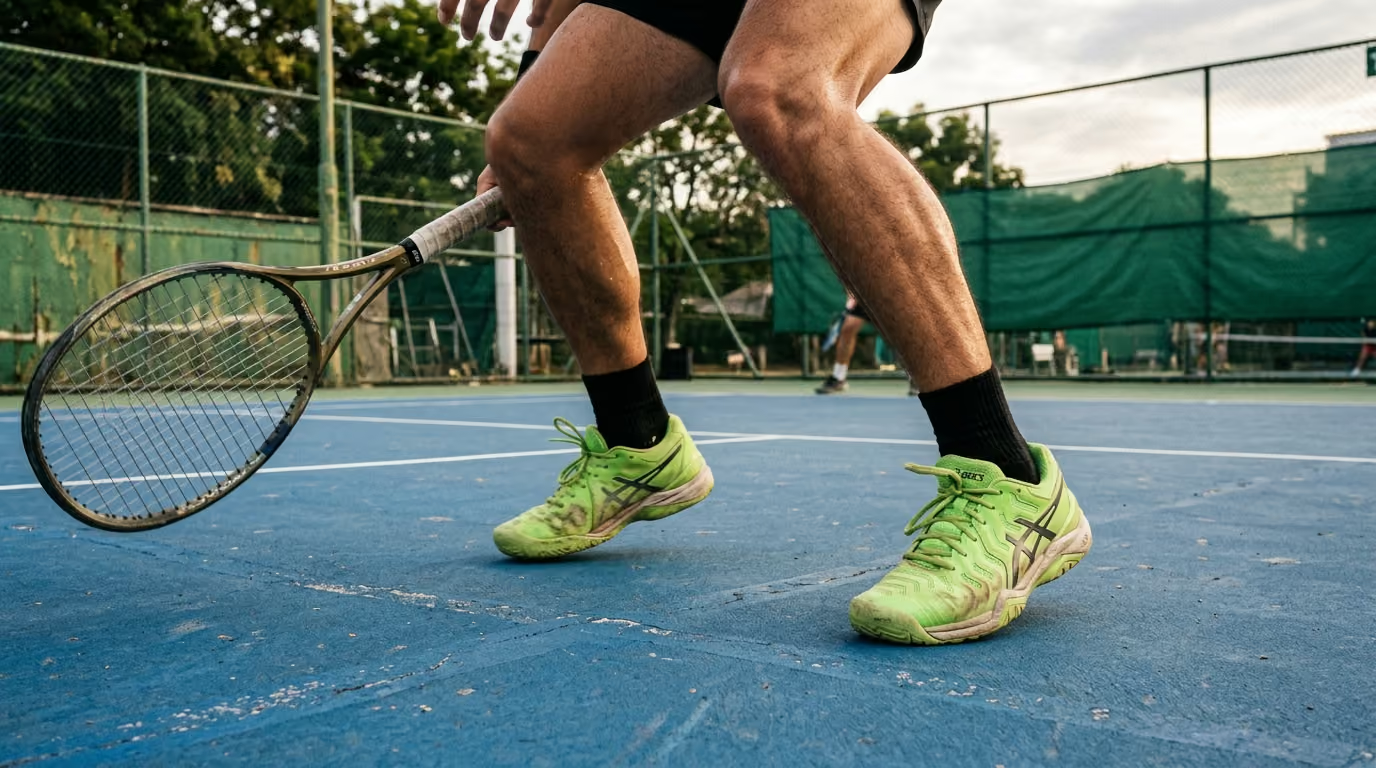
While many believe last-minute warm-ups suffice, optimal racquet sports competition preparation requires an integrated system beginning weeks before the match.




If you have ever Googled how to prepare for a racquet sports tournament, you have likely found a confusing mix of last-minute warm-ups and general advice. You want to know exactly how to walk onto the court feeling fresh, focused, and free from nagging pain. This guide provides a definitive, step-by-step framework to prepare your body, mind, and equipment for peak performance.
To achieve your best results on the court, you must treat match preparation as an integrated system rather than a single pre-match routine. Real readiness requires a structured plan that begins weeks before the first point is played. By organizing your preparation into distinct physical, tactical, mental, and logistical stages, you can minimize competitive stress and play with confidence.
Competitive racquet sports require a unique combination of physical traits. Players must execute rapid, explosive movements while maintaining a high level of aerobic endurance. These movements place significant stress on both the cardiovascular system and the musculoskeletal system.
Research in sports science highlights the physical toll of competitive play. According to a prospective study of fifty-two professional female tennis players published in the British Journal of Sports Medicine, injury rates during competition are remarkably high. The researchers recorded an injury incidence of over fifty-six injuries per one thousand hours of competitive match play. Interestingly, lower-limb injuries represented over half of all recorded issues, with muscle and tendon strains being the most common.
This data underscores the importance of physical preparation. Competitive matches often last several hours, with unpredictable rest periods and high thermal stress. The repetitive nature of serving, hitting overheads, and executing groundstrokes also exposes the upper body to chronic overuse injuries. The shoulder, elbow, and wrist joints are particularly vulnerable to repetitive loading.
To perform at your best, you must build tissue tolerance and cardiorespiratory fitness long before your match. Attempting to get in shape during the week of a tournament is a recipe for fatigue and injury. Instead, use a structured preparation timeline to build a robust physical foundation.
The psychological challenges of tournament play are just as demanding as the physical ones. Research on competitive athletes demonstrates that tournament match play causes a significant increase in both physical and somatic anxiety. This stress response is often much higher than what players experience during regular training sessions.
High levels of anxiety can disrupt your performance in several ways. It can cause muscle tightness, reduce your coordination, and impair your decision-making on court. To manage this response, sports psychologists recommend using structured pre-performance routines.
A pre-performance routine is a consistent sequence of thoughts and actions performed before a specific task, such as a serve or return. According to research published in the Journal of Applied Sport Psychology, these routines help focus your attention on controllable behaviors. They redirect your mind away from anxiety-provoking cues, such as the score or the crowd. By focusing on a simple, practiced sequence, you can regulate your physiological arousal and maintain your concentration under pressure.
Additionally, sleep plays a critical role in cognitive function and athletic performance. A systematic review of sleep interventions in sports medicine revealed that extending your sleep opportunity has a profound impact on athletic success. Getting extra sleep in the days leading up to a tournament improves reaction time, tactical decision-making, and physical endurance. Trying to catch up on sleep the night before a match is rarely effective, as cumulative sleep debt can still impair your performance.
Six weeks before your target tournament, you must shift your focus toward tournament-specific demands. This is not the time to introduce drastic changes to your physical training. Instead, focus on progressive loading and structural balance to prepare your body for the upcoming physical stress.
Evaluate your current training and match play hours. If you plan to play multiple matches in a single weekend, you must gradually expose your body to similar workloads during practice. Gradually increase the duration of your high-intensity court sessions over a three-week period. Monitor how your joints and muscles recover after consecutive training days.
Pay close attention to any lingering aches in your shoulders, elbows, knees, or lower back. Addressing minor discomforts during this phase prevents them from turning into limiting injuries during competition. For detailed guidance on physical preparation, you can review our injury prevention resources to keep your body moving smoothly.
This phase is also the time to define your tournament goals. Avoid focusing solely on winning, as match outcomes are never fully in your control. Instead, establish a clear hierarchy of objectives:
Focusing on process goals provides a sense of control and reduces performance anxiety. Write these goals down and refer to them during your training sessions.
Do not try to learn complex new techniques immediately before a tournament. Under pressure, your brain will naturally revert to your most practiced habits. Instead, focus on refining your minimum reliable technical package. This package consists of the strokes and patterns you can trust when you are nervous or tired.
Structure your practice sessions to build technical repeatability. Start with simple technical rehearsals to find your rhythm and timing. Next, transition to patterned repetitions with a practice partner, focusing on depth and target accuracy. Once you feel comfortable, introduce decision-making drills with a live opponent. Finally, play short, high-pressure games where you must apply these patterns under score-based constraints.
Build an opponent-neutral tactical framework during this month. Your primary plan should reflect your personal strengths, whether that means using high-margin groundstrokes or attacking short balls. Write down a simple Plan A for your preferred style of play.
You must also prepare a backup Plan B for situations where your primary tactics are ineffective. For example, if your opponent is successfully defending your deep baseline drives, your Plan B might involve using short angles to pull them out of position. Finally, prepare a stabilizing Plan C for difficult environmental conditions, such as high winds or extremely fast courts. Having these plans written down prevents panic when things do not go perfectly on court.
Two weeks before your competition, you must transition from building fitness to protecting freshness. This is achieved through a structured physical taper. Tapering involves reducing your total training volume while maintaining your movement intensity.
According to a study published in the Pertanika Journal of Social Sciences and Humanities, a structured taper improves reaction times, sleep quality, and physical performance. To execute a successful taper, reduce your training volume by thirty to fifty percent. Keep your court sessions short, but maintain your explosive movements, sprint starts, and tactical rehearsals.
Avoid long, exhausting conditioning workouts that leave you sore for days. Your goal is to arrive at the tournament feeling slightly undertrained but physically fresh. If you are looking for specific ways to adjust your physical training, our strength and conditioning resources offer practical routines for this phase.
Dehydration can significantly impair your aerobic performance, coordination, and mental focus. Because sweat rates vary widely, generic hydration guidelines are rarely sufficient. You should calculate your individual hourly sweat rate during a representative training session.
To do this, weigh yourself without clothing immediately before a sixty-minute practice session. Track the exact volume of fluids you consume during the workout. Weigh yourself again immediately after the session, making sure to wipe away any excess sweat.
To calculate your sweat loss, subtract your post-workout weight from your pre-workout weight. Add the weight of the fluid you drank, and subtract any urine volume. This calculation provides a clear estimate of your hourly fluid replacement needs. Repeat this test in different weather conditions, as heat and humidity will dramatically increase your sweat rate.
During matches lasting longer than ninety minutes, you must also replace lost electrolytes, particularly sodium. If you notice white salt rings on your clothing after playing, you are likely a salty sweater. In this case, include a high-sodium electrolyte mix in your fluids to prevent muscle cramping and maintain fluid balance.
Your digestive system is highly sensitive to anxiety and physical stress. A sports gel or snack that works during a relaxed practice may cause stomach cramping under tournament pressure. Use your training sessions during this two-week window to test your entire competition nutrition plan.
Research shows that racquet sports players should consume thirty to sixty grams of carbohydrates per hour during long matches. Test various carbohydrate sources, such as sports drinks, energy gels, or easily digestible foods like bananas and pretzels. Ensure these choices do not cause gastrointestinal distress when you are running at high intensities.
Establish a consistent pre-match meal that you enjoy and tolerate well. The International Tennis Federation suggests eating a carbohydrate-rich, low-fat meal approximately three hours before competition. If you are playing early in the morning, test lighter options like oatmeal, toast with honey, or a fruit smoothie. Testing these foods now ensures you will have no surprises on match day.
The final two days before your tournament should focus on minimizing logistical stress and protecting your energy. Check your equipment to ensure you have everything you need. If possible, prepare at least two identical racquets with fresh overgrips and reliable string tension.
Pack a comprehensive tournament bag with all necessary items. This should include:
Confirm your travel arrangements, parking options, and check-in procedures. Arriving at the venue early prevents last-minute panic and allows you to prepare calmly.
If you know who your opponent is, perform a brief, objective tactical analysis. Focus on their preferred serving targets, their weakest groundstroke, and how they handle high or low balls. Do not spend hours watching video or searching for every minor detail of their game.
Overcomplicating your tactical plan can lead to cognitive overload and hesitation on court. Write down two or three simple, actionable cues that you can remember under stress. For example, your tactical cues might be as simple as: "hit with high net clearance" or "move them wide before attacking."
Ensure you protect your sleep during these final forty-eight hours. Keep a consistent sleep schedule, and avoid using your phone or computer late at night. If you struggle to fall asleep due to nerves, focus on deep, rhythmic breathing rather than worrying about the clock. Remember that your cumulative sleep over the entire week is more important than a single night of restless sleep.
While the general principles of preparation apply to all racquet sports, each discipline has unique physical and mechanical demands. Tailoring your preparation to your specific sport is essential for preventing injury and optimizing performance. For a broader look at lifestyle factors, our competition and court lifestyle resources offer valuable insights.
Tennis matches are characterized by their unpredictable duration and large court dimensions. A single match can easily exceed two hours, requiring significant aerobic capacity and muscular endurance. The larger court size demands longer, more explosive lateral sprints and deceleration efforts.
This movement pattern places high stress on the knees, ankles, and lower back. Your physical preparation should focus on lower-limb durability and lateral movement mechanics. Ensure your warm-up includes progressive lateral movements, side shuffles, and deep deceleration lunges.
Because tennis matches can be long and hot, your hydration and nutrition plans must be robust. You must carry enough fluid to support several hours of high-intensity play, and you should actively consume carbohydrates throughout the match to maintain your muscle glycogen levels.
Padel is played on a smaller, enclosed court, which changes the mechanical demands of the sport. It features rapid, continuous changes of direction and a high volume of overhead strokes. The presence of the glass walls requires unique positional awareness and quick adjustments.
The low bounce of the padel ball demands constant deep knee flexion and significant trunk rotation. This repetitive bending and twisting can place immense stress on the lumbar spine and hips.
I remember finishing a tough two hour padel match on a cold Tuesday night and waking up the next morning feeling like my lower back was locked in concrete. For a long time, I just accepted this as the price of playing hard in my forties. But once I started spending just ten minutes on targeted hip mobility before heading to the club, the stiffness almost completely vanished. It taught me that we do not have to accept pain as a default state of aging.
To protect your back during padel, you must prioritize hip and thoracic mobility. Incorporating dynamic hip openers and spinal rotations into your warm-up can significantly reduce the load on your lower spine. This preparation helps you retrieve low wall bounces safely and hit overheads with greater comfort. For more padel-specific tips, you can explore our mobility and movement training guides.
Pickleball is played on a compact court, placing a premium on fast reaction times and hand-eye coordination. While the total running distance is shorter than in tennis, the rapid transitions between defense and offense require exceptional hand speed and quick lateral footwork.
Your pickleball warm-up should emphasize hand speed, shoulder mobility, and quick reaction drills. Practice short, rapid volleys with a partner to sharpen your reflexes before stepping onto the court.
Additionally, pickleball tournaments often feature a multi-match schedule packed into a single day. You may play several matches with short, unpredictable breaks between them. This structure requires a unique recovery and nutrition strategy.
Keep easily transportable snacks, like energy bars, bananas, and electrolyte drinks, in your bag. Use your brief rest periods to rehydrate and refuel immediately. Avoid sitting still for long periods between matches, as this can cause your joints and muscles to stiffen. Perform light movement and gentle dynamic stretching ten minutes before your next match to stay loose.
Many dedicated players unintentionally compromise their performance by making common preparation mistakes. Recognizing and avoiding these pitfalls can give you a significant advantage on court.
A frequent error among recreational players is performing long, passive static stretches before playing. While stretching may feel like a helpful way to prepare, research suggests otherwise. Prolonged static stretching immediately before explosive activity can temporarily reduce your muscle power and reaction speed.
Instead, prioritize a dynamic warm-up that actively raises your core body temperature and prepares your nervous system. A dynamic routine includes movements like arm circles, high knees, butt kicks, and lateral lunges. These exercises prepare your muscles for the explosive movements of racquet sports. Save deep, passive static stretching for your post-match recovery session, when it can help restore resting muscle length.
Never test a new supplement, energy gel, shoe, or racquet on the day of a competitive match. This is one of the most common errors players make under stress. A player might buy a new brand of energy gel at the venue because they feel tired, only to experience severe stomach cramping during their match.
Keep your routine entirely consistent. Every food, drink, supplement, and piece of equipment you use in competition should be thoroughly tested in training. This consistency minimizes variables and ensures your body knows exactly what to expect.
Many players spend too much mental energy analyzing their opponent or trying to execute highly complex strategies. Under match pressure, your brain struggles to process too much information. This can lead to hesitation, poor timing, and a lack of confidence.
Keep your tactical focus simple and positive. Choose two or three basic patterns that match your strengths, and commit to executing them fully. If things go wrong, focus on your process goals rather than trying to fix your entire game.
Your preparation for your next match begins the moment your current match ends. This is particularly true during multi-day tournaments, where cumulative fatigue can quickly degrade your performance.
Spend the first half-hour after your match focusing on active recovery and nutritional replenishment. Drink a beverage containing both carbohydrates and electrolytes to replace sweat losses. Consuming carbohydrates immediately after exercise accelerates the restoration of muscle glycogen stores.
Additionally, consume a small snack containing high-quality protein to support muscle tissue repair. A simple two-to-one carbohydrate-to-protein ratio is highly effective for early recovery. Good options include a protein shake with a banana, or a yogurt with fruit.
Change out of your damp match clothing as soon as possible. Putting on dry, warm clothes prevents rapid cooling and helps maintain your physical comfort. If you have minor aches or muscle stiffness, perform gentle active recovery movements like slow walking or light stationary cycling. For deeper insights into recovery, you can explore our player health articles to protect your body between matches.
Playing multiple matches over consecutive days creates significant physiological and psychological fatigue. To manage this cumulative stress, you must prioritize high-quality sleep. Keep your bedroom dark, quiet, and cool to support deep rest.
Avoid engaging in long, emotional post-match discussions or over-analyzing your performance. Keep your post-match review brief and objective. Identify one positive takeaway and one minor adjustment for your next match, then let the rest go. This boundary protects your mental energy and prevents cognitive fatigue.
Avoid aggressive, untested recovery methods like extremely cold ice baths if you have never tried them before. Stick to simple, proven recovery strategies: consistent hydration, balanced nutrition, quality sleep, and gentle movement. These practices are the foundation of athletic longevity.
While minor muscle soreness is a normal part of competitive sports, you must be able to recognize when physical symptoms require professional attention. Ignoring serious pain can lead to long-term injuries that keep you off the court for months.
Do not ignore sharp, localized pain that worsens with movement. Pain that alters your running gait, grip strength, or stroke mechanics is a clear signal to stop playing. Attempting to push through mechanical pain often leads to compensatory injuries in other areas of your body.
Dizziness, nausea, extreme headache, or confusion during hot matches are serious warning signs of heat-related illness. If you experience any of these symptoms, seek immediate shade, cool fluids, and medical assistance. Do not let competitive desire compromise your physical safety.
Consult a qualified healthcare provider, such as a sports physical therapist or sports medicine physician, if you experience:
A qualified professional can provide an accurate diagnosis, guide your recovery, and help you return to play safely. Prioritizing your long-term health ensures you can continue enjoying racquet sports for years to come. For more information on maintaining your physical health, visit the Evercourts homepage for expert resources.
To help you implement this advice, use this step-by-step checklist to prepare for your next important match or tournament.
Follow Evercourts for practical insights on tennis, pickleball and padel performance, movement, recovery and healthy ageing. Stay connected for new articles, research-led guidance and ideas to help you play well and keep playing for years.


Read practical guidance for better movement, smarter preparation and a game that keeps working for you.
explore the Blog