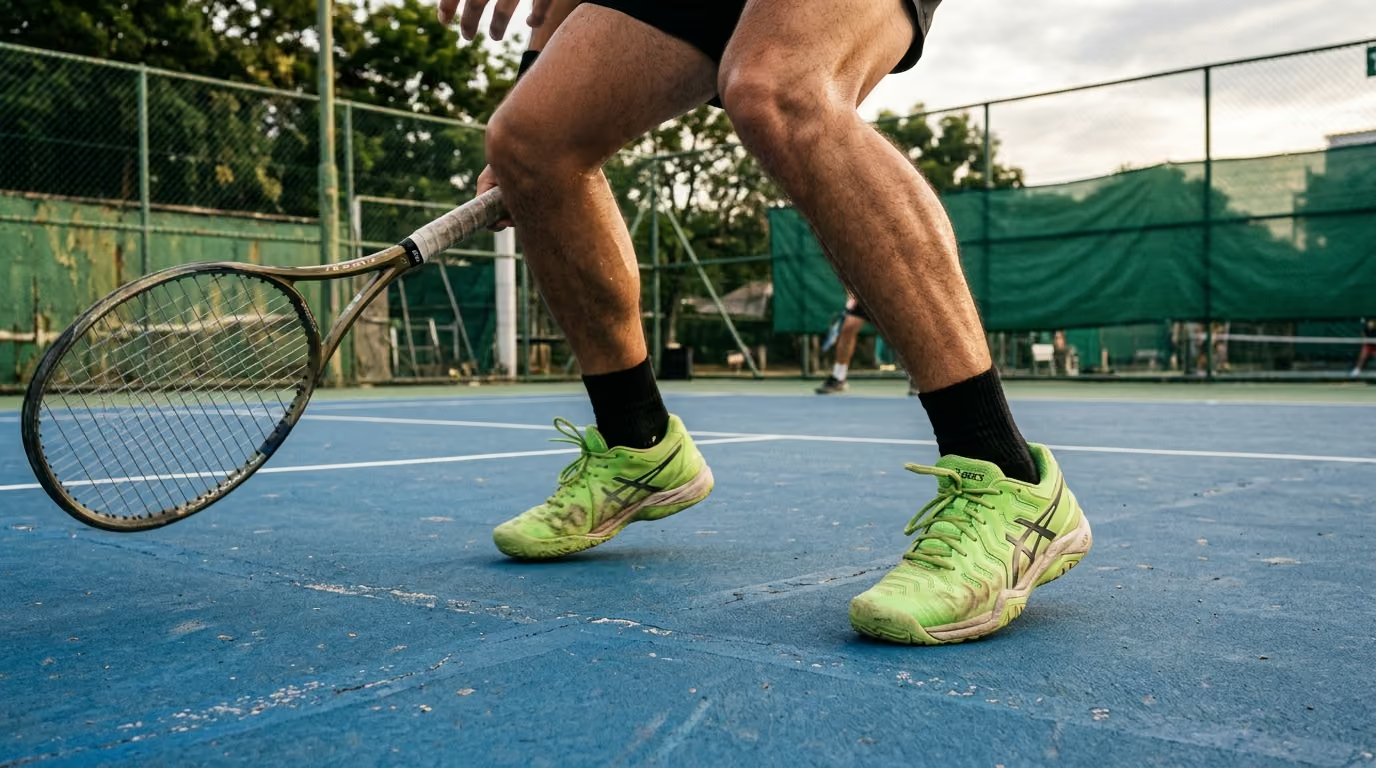
Optimal post-match nutrition for racquet sports involves structured whole foods to replenish glycogen, repair muscles, and rehydrate the body efficiently.




Many racquet sports players believe that expensive recovery supplements are required after a hard match. They spend significant money on specialized powders, pills, and drinks. In reality, the body recovers more efficiently through plain, structured whole foods. This guide offers a practical, research-backed blueprint for post-match replenishment.
We will examine the exact physical demands of your sport and show you how to fuel for long-term health. Utilizing court performance resources can help you sustain your game without relying on fitness industry hype.
Post-match recovery requires a structured approach targeting glycogen replenishment, muscle tissue repair, and fluid replacement based on the actual duration of play. Players should consume approximately 1.0 to 1.5 grams of carbohydrate per kilogram of body mass per hour during the first four hours after high-intensity matches. Combining this with 20 to 40 grams of high-quality protein and 150 percent of lost body fluid ensures optimal recovery for the next session.
When you step onto a racquet court, your body initiates a complex series of energetic processes. High-intensity directional changes deplete glycogen stores in your working muscles. The International Olympic Committee consensus statement notes that carbohydrate availability directly dictates subsequent athletic output. Without sufficient glycogen, your movement patterns slow down and your concentration wavers during long rallies.
During extended sessions, your muscle fibers also experience microscopic tears from eccentric braking forces. These forces occur every time you bend low for a volley or change direction quickly. This muscle damage is a natural part of training, but it requires specific amino acids to heal. If you do not provide these building blocks, your muscles will remain sore and weak for days.
Sweating causes significant losses of water and essential minerals, particularly sodium. Research shows that sweat rates vary from 0.3 to 2.5 liters per hour depending on environmental heat and genetics. Leaving this fluid deficit unaddressed compromises your cardiovascular efficiency during your next match. It also increases the risk of early muscle fatigue and heat-related issues.
The speed of your recovery depends heavily on when you consume your post-match nutrients. Your cells are highly sensitive to insulin during the first few hours off the court. This sensitivity allows for rapid glycogen synthesis when carbohydrates are consumed early. If you have another match tomorrow, utilizing this initial recovery window is highly beneficial.
Understanding the biochemistry of recovery can help you make better nutritional choices. Glycogen synthase, the enzyme responsible for storing carbohydrates, is highly active immediately after exercise. Muscle contraction stimulates glucose transporters to move to the cell membrane. This process occurs independently of insulin for a short time after play. Consequently, your body is primed to absorb nutrients efficiently during this period.
Applying recovery science on the court requires a simple decision tree. You must first evaluate the duration and intensity of your playing session. You must also consider how much time remains before you play again.
For a casual single session followed by a rest day, your recovery demands are moderate. You do not need to consume aggressive quantities of carbohydrates immediately. Simply drinking water to satisfy thirst and eating a balanced meal within two hours is sufficient. This meal should contain moderate protein and complex carbohydrates to support normal tissue repair.
When facing a doubleheader or a tight tournament turnaround, your approach must change. You must begin refueling within 15 to 30 minutes of stepping off the court. Target 1.0 to 1.5 grams of carbohydrate per kilogram of body weight per hour. For a 70-kilogram player, this requires 70 to 105 grams of easily digestible carbohydrates each hour.
If you are competing in a multi-day tournament, your daily carbohydrate needs will remain elevated. The Expert Group Statement on Nutrition in Tennis suggests aiming for 6 to 10 grams of carbohydrate per kilogram of body weight daily. It is helpful to carry portable, low-fat snacks directly in your racquet bag. This allows you to start the recovery process before leaving the venue.
Let us look at specific body weight calculations to make this practical:
For a 60-kilogram player:
For a 75-kilogram player:
For a 90-kilogram player:
I remember finishing a tough two hour padel match on a cold Tuesday night and waking up the next morning feeling like my lower back was locked in concrete. For a long time, I just accepted this as the price of playing hard in my forties. But once I started spending just ten minutes on targeted hip mobility before heading to the club, the stiffness almost completely vanished. It taught me that we do not have to accept pain as a default state of aging. Combining mobility & movement resources with smart nutritional timing is the true foundation of long-term play.
While tennis, pickleball, and padel share court boundaries, their metabolic demands differ in subtle ways.
Tennis matches are highly unpredictable in duration. A single match can last anywhere from 60 minutes to over three hours. This unpredictability requires a large glycogen reserve. Tennis involves explosive linear sprints and deep lunges, which place heavy eccentric strain on the quadriceps. Players must prioritize high total carbohydrate replenishment to match these massive energetic demands.
Clay court play often extends rally times, increasing endurance needs. Hard courts place higher impact stress on joints and skeletal structures, requiring adequate protein for tissue repair. Grass courts demand lower athletic stances, placing greater tension on the gluteal muscles and lower back. Each surface subtly shifts your physical recovery requirements. Learn more about structural demands with our strength and conditioning guidelines.
Pickleball matches are typically shorter but involve rapid, repetitive lateral movements at the kitchen line. Tournament days often feature a doubleheader or a round-robin schedule with brief rest periods. Because matches are played in rapid succession, the recovery focus shifts toward rapid, small-volume carbohydrate snacks. A tournament player should utilize portable, low-fat options to avoid stomach heaviness during quick turnarounds. Learn more about optimizing your court experience with our pickleball articles.
The continuous squatted posture required in pickleball puts constant isometric tension on the quadriceps. This stance can restrict local blood flow during long games, leading to metabolic waste accumulation. Fast-acting carbohydrates and targeted hydration help clear these byproducts quickly. This approach keeps your leg muscles responsive for subsequent matches.
Padel is played on a smaller court enclosed by glass walls. The rallies are frequently longer than in tennis, with constant acceleration and deceleration. This creates a high eccentric workload on the lower back and glutes. The enclosed court environment can also trap humidity, leading to elevated sweat rates. Padel players should focus on sodium replacement alongside moderate carbohydrate intake to prevent post-match cramping. For specialized tips on this fast-growing sport, refer to our padel articles.
The use of the walls in padel requires players to turn, twist, and react to unpredictable rebounds. This rotational movement pattern demands high core stability and oblique muscle engagement. Rebuilding these muscle groups requires consistent daily protein intake distributed evenly across your meals.
Carbohydrates are the primary fuel source for high-intensity court movement. When you sprint, change direction, or strike a ball, your body relies on stored muscle glycogen. After a demanding match, replenishing these stores must be your top priority. The rate of replenishment depends on the timing and type of carbohydrates you choose.
For rapid refueling, simple carbohydrates with a high glycemic index are highly effective. These foods are digested quickly and enter the bloodstream rapidly. This rapid absorption triggers insulin, which helps transport glucose into depleted muscle cells. Excellent immediate options include ripe bananas, white rice, sports drinks, and plain bagels.
If you have 24 hours of rest before your next match, you can rely on complex carbohydrates. These foods are digested slowly, providing a steady release of glucose into your system. Complex carbohydrates also contain essential fiber, vitamins, and minerals that support overall health. Examples include sweet potatoes, brown rice, oats, and quinoa.
To calculate your daily needs, consider your training volume. On easy training days, aim for 5 to 7 grams of carbohydrate per kilogram of body weight. On heavy training or tournament days, this target should increase to 7 to 10 grams per kilogram. For a 70-kilogram player, this equates to 490 to 700 grams of carbohydrates daily.
Choosing carbohydrates that agree with your digestive system is vital. Some athletes experience mild stomach irritation from high-fiber foods immediately after exercise. If you are prone to bloating, stick to low-fiber options for your first post-match meal. You can gradually reintroduce high-fiber foods as your digestive system settles.
While carbohydrates restore your energy, protein is responsible for repairing your muscle fibers. High-intensity play causes structural damage to muscle tissue, which can lead to soreness and strength loss. Consuming high-quality protein after a match initiates muscle protein synthesis. This process repairs the damaged fibers and helps adapt your body to the training stimulus.
The International Society of Sports Nutrition recommends a daily protein intake of 1.4 to 2.0 grams per kilogram. For a 70-kilogram player, this means consuming 98 to 140 grams of protein daily. To maximize muscle protein synthesis, this total should be divided into multiple servings throughout the day. A practical target is 0.25 to 0.40 grams of protein per kilogram per serving.
Each post-match serving should provide approximately 20 to 40 grams of high-quality protein. High-quality proteins contain all the essential amino acids, particularly leucine. Leucine acts as a chemical trigger to turn on the muscle repair process. Excellent animal-derived sources include chicken breast, wild salmon, Greek yogurt, eggs, and whey protein.
Plant-based athletes can meet these targets by combining diverse protein sources. Soy products like tofu and tempeh contain excellent amino acid profiles. Lentils, chickpeas, and black beans are also highly effective when paired with whole grains. You may need slightly larger portions of plant proteins to reach the same leucine threshold as animal sources.
Consuming protein also helps reduce muscle protein breakdown after exercise. When you play a long match, your body may enter a catabolic state where it breaks down muscle tissue for fuel. Providing immediate amino acids halts this breakdown process quickly. This protective effect is especially important for maintaining muscle mass as you age.
Hydration is more than just drinking water after you step off the court. Complete rehydration requires replacing both the fluid and the sodium lost through sweat. Failing to replace sodium can lead to poor fluid retention and muscle cramps. To build an effective hydration plan, you must first estimate your sweat rate.
Weigh yourself immediately before and after your match to determine your fluid loss. For every kilogram of body mass lost, you should consume 1.5 liters of fluid. This extra volume accounts for the water you will continue to lose through breathing and urination. For example, if you finish a match one kilogram lighter, drink 1.5 liters of fluid over the next few hours.
Sodium is the primary electrolyte lost in sweat, and its replacement is crucial. Sodium helps maintain fluid balance by encouraging your kidneys to retain water. It also stimulates your thirst mechanism, prompting you to drink adequate fluids. The American College of Sports Medicine recommends including 0.5 to 0.7 grams of sodium per liter of water during long sessions.
You can replace sodium through electrolyte drinks or by eating salty foods with your meals. Pretzels, salted crackers, and pickles are excellent post-match snacks that provide both sodium and carbohydrates. Avoid relying solely on plain water if you have experienced heavy, visibly salty sweat. Diluting your sodium levels can lead to a condition called hyponatremia, which causes headache and fatigue.
Monitoring your urine color is a simple way to track your hydration status. Pale, straw-colored urine generally indicates adequate hydration. Dark, concentrated urine suggests you still need to consume more fluids. However, be aware that high-dose vitamin supplements can temporarily alter urine color, making this tool less reliable.
To make these guidelines easy to apply, we have designed several post-match menu options. These templates are structured around different dietary preferences and appetite levels. Each option is designed for a hypothetical 70-kilogram player requiring roughly 70 grams of carbohydrates and 25 grams of protein.
This meal is ideal for players who want a substantial, nutrient-dense dinner after an evening match.
This combination delivers high-quality protein, complex carbohydrates, and essential sodium to jumpstart the recovery process.
This plant-forward option provides a balanced mix of amino acids and complex carbohydrates.
This meal is rich in iron, magnesium, and plant-based protein to support cellular health.
This portable, plant-based option is perfect for eating in the car or directly at the court.
This snack is easy to digest and quickly restores glycogen without animal products.
Many players experience appetite suppression after high-intensity matches in hot weather. This liquid smoothie is easy to consume when solid food feels unappealing.
This liquid recovery shake is highly bioavailable and helps cool down your core temperature.
The most frequent mistake racquet athletes make is overestimating their protein needs while ignoring carbohydrate replenishment. Protein is essential for rebuilding muscle fibers, but it cannot restore depleted glycogen. Drinking a pure protein shake after a grueling two-hour match leaves your energy stores empty. Always pair your protein with a clean carbohydrate source to maximize recovery.
Another common error is believing the recovery window closes exactly 30 minutes after play. While early nutrition is beneficial for tight turnarounds, it is not a rigid biological deadline. For a single-match day, consuming your nutrients across normal meals over the next several hours is highly effective. You do not need to rush to consume a heavy shake immediately on the court.
Overdrinking plain water after heavy sweating is another critical misstep. Consuming large volumes of plain water without sodium can dilute your blood sodium levels. This condition can lead to bloating, muscle weakness, or a headache. Always include a source of sodium or a salty snack when rehydrating after a hot outdoor match.
Finally, some players rely too heavily on commercial recovery powders that contain unnecessary additives. These products often contain artificial sweeteners, excessive caffeine, or unproven herbal extracts. These ingredients can irritate your gastrointestinal tract and disrupt your sleep patterns. Choosing simple, whole foods is generally safer and more cost-effective for everyday recovery.
Post-match nutrition directly influences how quickly your muscle tissue recovers from exercise-induced damage. Consuming high-quality protein stimulates muscle protein synthesis, which repairs the microscopic tears in your muscle fibers. This repair process reduces post-match muscle soreness and helps maintain physical capability over time. Proper nutrition also lowers systemic fatigue, allowing you to return to training with high energy levels.
Neglecting recovery nutrition can lead to persistent fatigue and joint stiffness. Without adequate carbohydrates, your body may begin to break down muscle tissue to meet its energetic demands. Over time, this chronic under-fueling compromises your immune system and increases your susceptibility to minor injuries. Prioritizing your dietary habits supports player health articles and long-term athletic longevity.
Inadequate glycogen restoration also affects your nervous system. Your brain relies on glucose as its primary fuel source during fast-paced sports. When glycogen levels remain low, your reaction times slow down and your decision-making on court suffers. Proper post-match nutrition ensures your mental sharpness is restored before your next session.
Persistent dehydration from poor fluid recovery can cause chronic low-grade headaches. It also places extra stress on your kidneys and limits physical performance. Retaining a high state of hydration helps lubricate your joints, reducing friction during deep lunges. This simple habit plays a large role in protecting your joint health as you age.
While general nutrition guidelines are highly effective for most players, certain symptoms require professional support. If you experience persistent, unexplained fatigue that lasts for several days despite resting, consult a healthcare provider. Chronic muscle cramping that does not respond to fluid and sodium adjustments also warrants professional evaluation. These symptoms could point to underlying nutrient deficiencies or metabolic imbalances.
You should also seek expert guidance if you suffer from frequent, recurring soft tissue injuries. A registered sports dietitian can perform an in-depth analysis of your daily energy intake. This ensures you are not suffering from low energy availability, which can weaken bone and muscle tissue. For personalized advice, you can use our contact page to find local resources or connect with qualified professionals.
Sudden, unintended weight loss is another warning sign that you are under-fueling. This issue can lead to compromised bone density and hormonal imbalances. A medical professional can help run blood panels to check your iron, vitamin D, and thyroid markers. These tests ensure your recovery systems are functioning optimally.
Finally, if you experience chronic gastrointestinal distress during or after play, seek professional help. A specialist can help identify food intolerances or design a low-FODMAP protocol for match days. Resolving these digestive issues is essential for absorbing the nutrients needed to support your athletic longevity.
Implementing these practical post-match nutritional strategies will protect your athletic longevity and help you enjoy racquet sports for many years to come.
Follow Evercourts for practical insights on tennis, pickleball and padel performance, movement, recovery and healthy ageing. Stay connected for new articles, research-led guidance and ideas to help you play well and keep playing for years.


Read practical guidance for better movement, smarter preparation and a game that keeps working for you.
explore the Blog