
A racquet sports competition bag checklist organizes essential gear into six functional layers, ensuring players are prepared for any match-day scenario.




Imagine arriving at a regional tournament venue after a long drive. You step onto the court, warm up, and feel the outer wrap of your grip begin to unravel. You reach into your bag, only to realize your spare overgrips are sitting on your kitchen table. This scenario is all too common for competitive court players.
A competition bag should function as a portable match-support system designed to preserve performance and prevent preventable match disruptions. The ideal setup relies on redundancy for high-consequence items, organized by your actual sequence of play rather than product categories. This systematic approach ensures you remain physically capable and prepared for unexpected weather, scheduling shifts, or gear failures. For players looking to refine their tournament readiness, integrating this system into your competition lifestyle prep is the first step toward consistent performance.
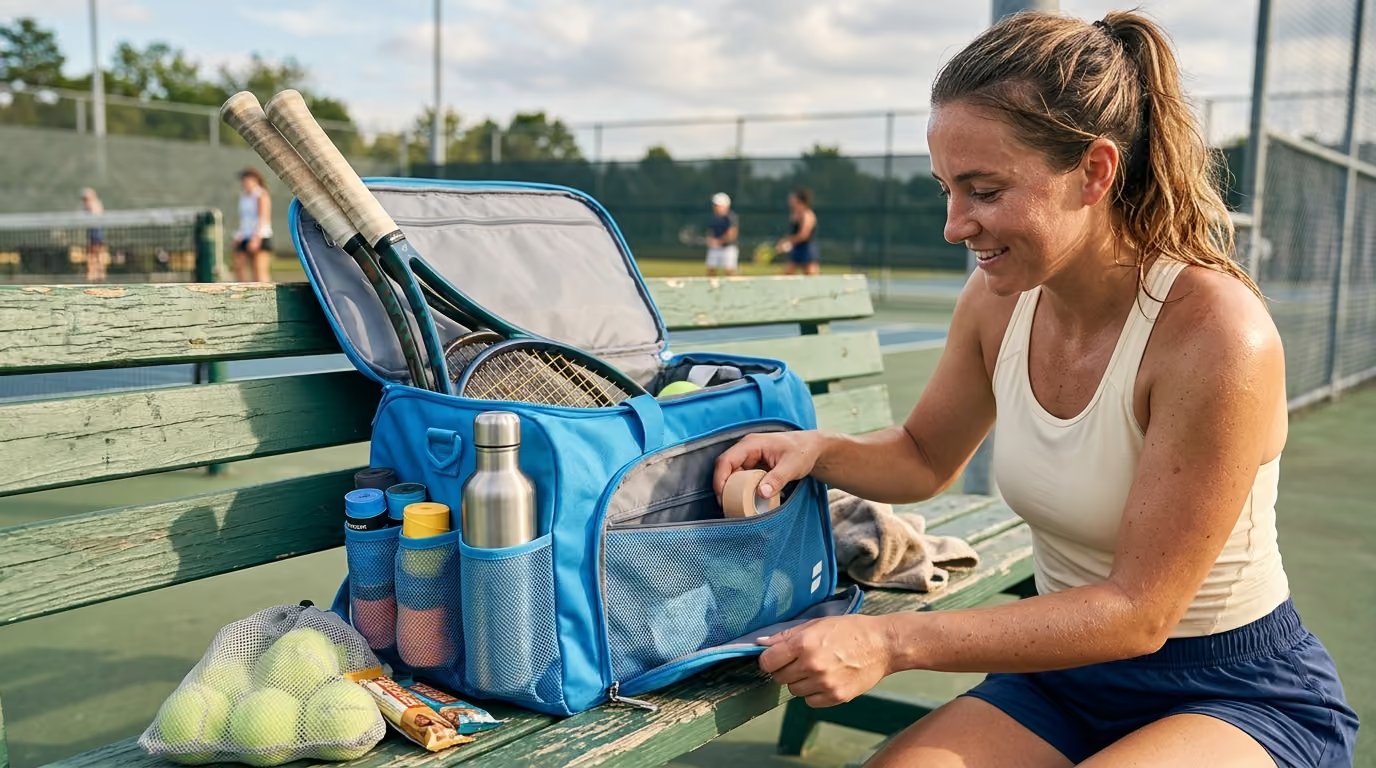
To avoid a disorganized pile of gear, we structure the competition bag into six functional layers. Each layer serves a specific purpose on match day. Grouping items this way prevents decision fatigue and saves precious time during rapid transitions.
The first layer is match-critical equipment. These are the items without which you cannot legally or physically step onto the court. This includes your primary and backup racquets, sport-specific footwear, and required clothing. If any item in this layer is missing, your tournament is over before it begins.
The second layer is performance continuity. This covers backups and consumables that keep you playing if a minor equipment issue occurs. Items like overgrips, spare strings, replacement laces, and vibration dampeners fit here. These items prevent a small mechanical failure from turning into a forfeit.
The third layer is body management. This focuses on keeping your physical engine running smoothly. It includes hydration, performance nutrition, sun protection, and cooling aids. Proper organization of this layer directly influences your endurance and concentration.
The fourth layer is recovery and medical support. This layer manages physical wear and minor discomfort between or after matches. It contains basic first-aid supplies, mobility tools, and clean post-match apparel. It serves as your personal training room on the go.
The fifth layer is contingency equipment. This protects you against unpredictable elements such as sudden rain, extreme cold, intense heat, or long match delays. Having these items ready prevents environmental changes from ruining your mental focus.
The sixth layer is administrative and personal logistics. This includes your identification, tournament registration details, charging cables, and payment methods. By separating your gear into these distinct layers, you can locate crucial items instantly when stress levels rise during a tournament.
To perform well during multiple matches, you must understand the physiology of sweat and energy depletion. Racquet sports demand high-intensity, intermittent efforts that drain glycogen stores and deplete fluids. Managing these variables requires a systematic approach based on current sports science.
According to the American College of Sports Medicine, athletes should consume approximately 500 milliliters of fluid about two hours before exercise begins. This pre-hydrating window allows your body to establish fluid balance before you strike your first ball. Once the match begins, fluid intake should start early and continue at regular intervals. Waiting until you feel thirsty often means you are already experiencing mild dehydration.
Sweat rates vary wildly based on body mass, climate, and match intensity. Research from the International Tennis Federation notes that some players can sweat up to four liters of fluid per hour. However, the human gastrointestinal tract can generally only absorb about 1.0 to 1.5 liters of fluid per hour. This gap proves that you cannot simply replace every drop of sweat in real time.
Trying to force excessive fluids during a match can lead to gastrointestinal distress or hyponatremia. To manage this balance, the United States Tennis Association suggests consuming 6 to 12 ounces of fluid every 15 to 20 minutes as tolerated. Using changeovers to sip fluids is a highly practical strategy.
For matches lasting longer than one hour, the American College of Sports Medicine suggests adding carbohydrates and electrolytes to your water. Electrolytes, especially sodium, help your body retain fluids and prevent cramping. You should always test these products during training before using them in a competitive environment.
If you must undergo rapid rehydration between matches, sports medicine guidelines suggest drinking approximately 1.5 liters of fluid for every kilogram of body mass lost. This highlights the value of carrying a small scale for multi-day events. Tracking fluid loss accurately helps you customize your recovery drink volume.
Carrying multiple racquets or paddles is not about luxury, it is about risk management. A single racquet represents a single point of failure. A broken string, a worn-out grip, or a cracked frame can instantly end your tournament if you do not have a matched backup.
Research in sports injury literature shows that racquet variables, court surfaces, footwear, and string tension significantly influence overuse injuries. Changing to an unfamiliar racquet with different strings mid-match can alter the load on your elbow and shoulder. This sudden shift in physical demand increases your risk of acute strain. Understanding these factors is a cornerstone of smart injury prevention for competitive athletes.
We suggest carrying at least one identical backup racquet strung at the same tension as your primary frame. If you play a sport with stringing services on-site, keep their contact information in your bag. If you play pickleball or padel, having a backup paddle ensures that a damaged edge guard or loose grip will not force a forfeit.
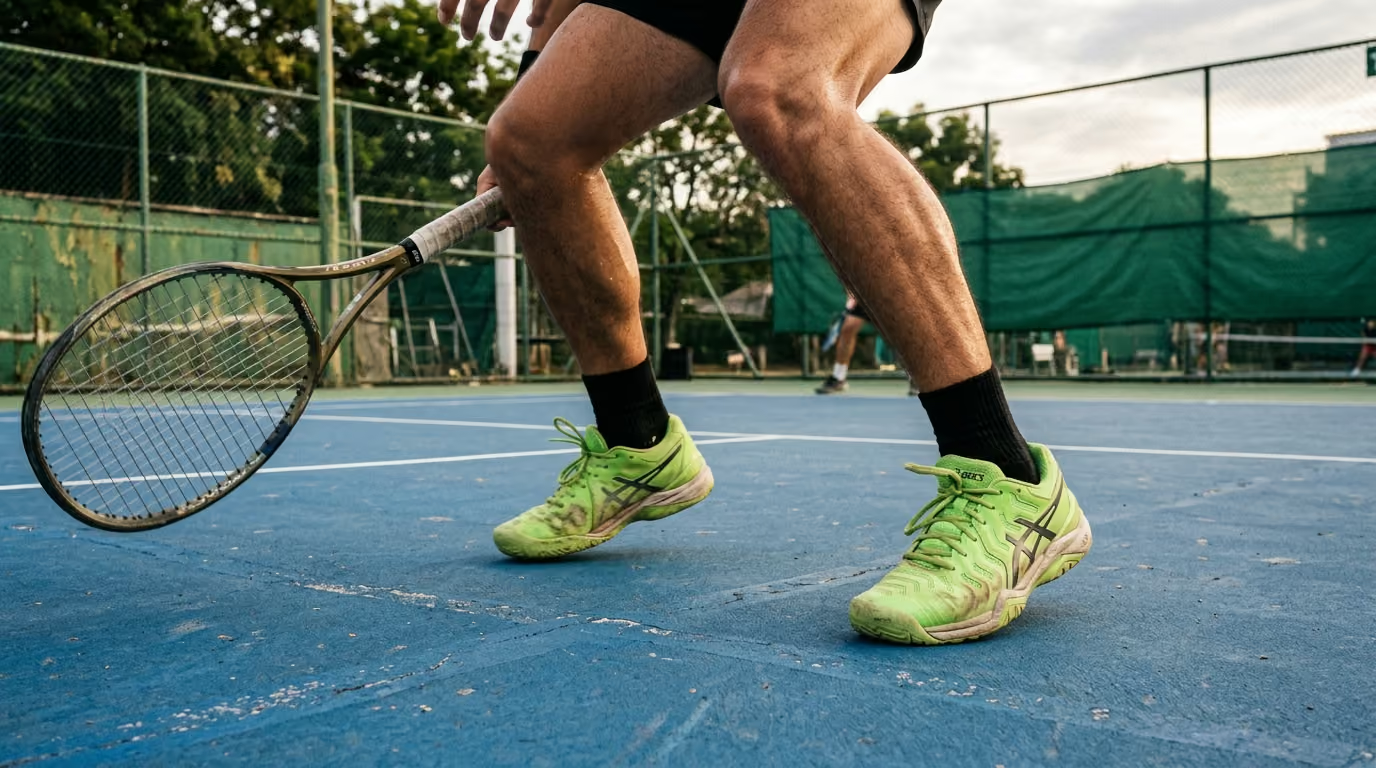
Footwear is another critical component of injury prevention. Your court shoes absorb massive lateral forces during change-of-direction movements. If your shoes get wet from sweat or rain, their traction decreases, which increases your slip risk. Wet outsoles can lead to joint instability and ligament strains.
Bringing a backup pair of shoes allows you to swap them out during long multi-match days. This simple swap protects your feet from friction blisters caused by damp socks and soft shoe interiors. Always ensure your backup shoes are thoroughly broken in before tournament day. Never debut a brand-new pair of shoes at a competitive event.
When packing clothes for competition, do not pack for the scheduled matches. Pack for the maximum plausible duration of your stay. Weather delays, long three-set matches, and unexpected consolation rounds can easily double your time on court.
For a local day-trip, use a simple matching formula. Pack one complete playing outfit for each scheduled match block, plus one full backup outfit. A single outfit consists of a competition shirt, shorts or skirt, clean underwear, and socks. This formula ensures you are prepared for unexpected schedule extensions.
Always carry more socks than outfits. A fresh pair of socks can revive tired feet and reduce friction that causes blisters. We recommend packing at least one extra pair of socks beyond the total number of outfits. High-quality synthetic or wool-blend socks are superior to basic cotton socks for moisture management.
If you are preparing for a full weekend event, the mathematical requirements increase. You must pack for the entire tournament without assuming you will have access to laundry facilities. This means preparing multiple warm-up layers, rain gear, and a dedicated dry outfit for post-match travel. Clean gear keeps your body comfortable and helps maintain a professional mindset.
Keep governing body rules in mind when selecting your apparel. For example, Badminton World Federation rules treat towels, headbands, bandages, and wristbands as part of your clothing system. International Table Tennis Federation regulations restrict certain shirt colors that might conflict with the color of the ball. Always review the specific clothing rules of your tournament before packing.
Nutrition for racquet sports is about maintaining stable blood glucose and sparing muscle glycogen. To achieve this, you must categorize your nutrition into three distinct fueling windows. This approach prevents energy crashes and keeps your focus sharp. Utilizing these strategies as part of your physical conditioning plan will yield better results on court.
The first window is pre-match fueling. This meal should be eaten two to three hours before your match and consist primarily of familiar, easily digestible carbohydrates. Carbohydrates provide the primary fuel source for high-intensity court movements. Avoid high-fat or high-fiber foods, which slow digestion and can cause stomach cramps.
The second window occurs during or between your matches. Here, you need fast-acting carbohydrates that do not require significant digestive effort. Bananas, applesauce pouches, pretzels, and specialized sports chews are ideal options. These foods provide quick glucose to your bloodstream, keeping your energy levels stable.
The third window is post-match recovery. The Women's Tennis Association guidelines recommend consuming a recovery snack within 30 minutes of finishing play. This snack should contain more than 30 grams of carbohydrates and 15 to 25 grams of protein. This combination jumpstarts muscle repair and replenishes depleted glycogen stores.
Never experiment with new supplements, energy gels, or high-sodium products on match day. A tournament is a testing ground for your skills, not your digestion. Keep a small cooler in your bag to preserve fresh food items like fruit, yogurt, or low-fat milk. Preparedness in your nutrition prevents you from relying on low-quality venue concessions.
Weather can change a comfortable tournament into a test of physical survival. Your bag should contain modular systems to handle heat, rain, cold, wind, and harsh sun. These systems keep you competitive regardless of environmental changes.
In extreme heat, your primary goal is temperature regulation. The International Tennis Federation notes that heat-illness risks increase significantly when the heat index reaches or exceeds 32.2 degrees Celsius, which is 90 degrees Fahrenheit. Your heat module should include a cooling towel, insulated bottles filled with ice, extra light-colored shirts, and high-SPF sunscreen. Applying cold towels to your neck and underarms during changeovers helps lower core body temperature.
A rain module protects your equipment from water damage. Wet grips lose their tackiness, and damp strings lose their tension. Keep waterproof bags in your compartment to seal away wet clothes and protect dry grips from humidity. Carry an absorbent microfiber cloth to dry your racquet handle between games.
Cold weather demands layers that preserve joint mobility. When the temperature drops, your muscles take longer to warm up, which can increase the risk of acute strains. Pack thermal base layers, a wind-resistant jacket, hand warmers, and a thermos with warm fluids. Staying warm between matches preserves your reaction time and power.
Wind and sun require secure accessories. A well-fitting visor or hat prevents glare, while polarized sunglasses can protect your eyes during overhead shots. Carry extra finishing tape and overgrips, as dry wind can degrade grip adhesives quickly. Secure your gear with heavy clips so lightweight items do not blow away.
How you organize your bag matters just as much as what you put inside it. If you have to dig past wet towels and dirty socks to find a backup grip during a brief changeover, your bag is failing you. We recommend packing your bag according to your actual use sequence on match day. Practicing this layout during your physical movement preparation sessions will make court transitions seamless.
Before play begins, keep your credentials, schedule, sunscreen, and warm-up bands easily accessible at the top of your bag. This keeps you from rummaging through your main compartments before you even strike a ball. Having these items ready allows for a calm, professional transition onto the court. It sets a positive, focused tone for the day.
During the match, your primary focus should be on your racquet compartment and side pockets. Your fluids, towels, extra grips, and vibration dampeners should be organized so they can be retrieved in under thirty seconds. Keeping your court towel in an outer pocket ensures you can grab it quickly between points. This keeps your mind clear and your routine consistent.
Between matches, transition to your recovery and clothing compartments. This is the time to swap your wet socks for a dry pair, eat your recovery snack, and use a massage ball on tight muscles. Keeping your clean clothes physically separated from your dirty gear prevents cross-contamination and odor build-up. This separation keeps your mental state fresh for the next round.
After the day is done, complete a systematic inventory check. Put all dirty gear into sealed waterproof bags, restock your consumables, and check your racquets for any string wear. This structured routine ensures you are never surprised by missing or broken equipment when you arrive for the next round of play. It transforms your bag from a simple storage sack into a professional toolkit.
While the core packing principles apply to all court sports, each discipline has specific equipment demands and regulations. Understanding these nuances prevents unexpected penalties or equipment failure on game day. Your checklist must adapt to the physical realities of your chosen sport.
Tennis players must manage string tension and court surface variations. Damp clay or abrasive hard courts wear down tennis balls rapidly, so carrying a fresh can of pressurized balls is often mandatory. Tennis bags must also be large enough to accommodate multiple long-frame racquets without bending the frames. Ensure your tennis shoes match the specific court surface of the tournament.
Pickleball players face unique paddle and ball challenges. Pickleball paddles do not have strings, but their surfaces can degrade, and edge guards can come loose. Many outdoor tournaments require specific ball colors based on court color, so players should carry both yellow and green outdoor balls. A paddle eraser should also be kept handy to clean ball residue from the paddle face.
Padel players must protect their rackets from extreme temperature changes. Padel rackets contain EVA foam cores that can soften in intense heat or stiffen in freezing cold, altering their playing characteristics. Using an insulated thermal compartment in your padel bag is essential for maintaining performance consistency. Padel players should also carry spare wrist straps, which are mandatory in many sanctioned events.
Badminton players require highly specialized gear. Badminton racquets are incredibly lightweight and fragile, meaning they require padded, rigid compartments to prevent frame warping. Players must also carry shuttlecocks stored in protective tubes to avoid feather damage, along with specialized towel grips for sweat absorption. Keep a pair of sharp, small scissors to cut broken strings immediately, which prevents frame warping from uneven tension.
Table tennis players must comply with strict International Table Tennis Federation rules. Your racket blade must consist of at least 85 percent natural wood by thickness, and your rubber coverings must be authorized. Carrying approved racket-cleaning spray and protective cases is critical to keeping the rubber sticky and compliant. Table tennis apparel must also contrast clearly with the color of the competition ball.
One of the most common errors competitive players make is the "one racquet is enough" mindset. Assuming that your strings will not break or that your grip will not slick over is a recipe for an early exit. Even recreational tournaments require at least two functional paddles or racquets to manage equipment failures.
Another frequent mistake is treating the competition bag as a testing ground for new products. Never debut a brand-new pair of shoes, a different string tension, or an untried nutritional gel during a tournament. The physical stress of competition amplifies minor discomforts, turning a tiny shoe pinch into a debilitating blister. Keep your competition setup identical to your successful practice sessions.
Many players also underestimate how long tournament matches can last. A scheduled one-hour match can easily stretch into a three-hour battle if weather delays or long tiebreaks occur. Packing only enough food and water for the scheduled time will leave you depleted during the final, decisive points. Always pack enough nutrition for the longest possible scenario.
Finally, do not assume that every venue will provide basic amenities. While some premium clubs offer water, ice, towels, and medical staff, many public facilities do not. Always pack as if you are traveling to a completely self-supported venue. This self-reliance protects your performance from poor local tournament organization.
Your performance on day two of a tournament depends entirely on how you manage your recovery on day one. Your competition bag should contain the tools necessary to kickstart this process immediately after you step off the court. Fast recovery preserves your physical capabilities over a long weekend.
I remember finishing a tough two hour padel match on a cold Tuesday night and waking up the next morning feeling like my lower back was locked in concrete. For a long time, I just accepted this as the price of playing hard in my forties. But once I started spending just ten minutes on targeted hip mobility before heading to the club, the stiffness almost completely vanished. It taught me that we do not have to accept pain as a default state of aging. We can find more healthy aging and athletic longevity tips to keep us on the court for years to come.
The first step in your post-match routine is removing your damp playing clothes and socks. Wet clothing pulls heat away from your body, causing muscles to tighten and stiffen rapidly. Swapping into dry recovery clothes and sandals allows your skin to breathe and keeps your muscles warm. This simple shift supports circulation and reduces post-match muscle tightness.
Next, consume your recovery nutrition within the crucial thirty-minute window. This rapid delivery of carbohydrates and protein speeds up muscle tissue repair and reduces next-day soreness. Once your nutrition is secured, perform light movement, such as walking or slow mobility drills, rather than static stretching. This active recovery helps clear metabolic waste from your muscles.
Before you leave the venue, reset your equipment bag for the next day. Empty out all wet clothing, wipe down your racquet handles, and restock your water bottles. This simple discipline ensures you start the next day with dry, functional gear rather than damp, smelling equipment. It turns preparation into an automatic habit.
While a well-stocked first-aid kit can manage minor cuts, blisters, or brief muscle tightness, it should never be used to mask serious physical issues. Competitive drive can sometimes cloud our judgment, leading us to play through pain that deserves medical attention. Understanding your limits is key to athletic longevity.
You should consult a qualified healthcare provider if you experience sudden, sharp joint pain, or persistent swelling that does not respond to rest. Neurological symptoms, such as numbness, tingling, or radiating pain down your arms or legs, require immediate professional assessment. You can reach out to our team if you need guidance on finding reputable sports clinical resources in your area.
Additionally, if you experience systemic symptoms during play, such as persistent dizziness, confusion, nausea, or an inability to retain fluids, stop playing immediately. These are warning signs of severe heat illness or dehydration, which require urgent medical evaluation rather than self-treatment. Playing through these signals can lead to serious health complications.
To make preparation seamless, we have created three distinct packing lists tailored to your tournament format. Use these templates to audit your bag before leaving home.
Before you zip your bag and walk out the door, conduct a physical "touch test" of your match-critical items. Touch your primary racquet, backup racquet, court shoes, and identification to verify they are physically in the bag. This simple sensory check prevents the panic of arriving at a venue only to find your shoes are still drying on the porch.
At the end of each tournament day, make it a rule to empty your bag completely. Hang up your warm-up layers to air out, discard any food wrappers, and plug in your portable power bank so it is ready for the next morning. Preparing your gear systematically allows you to step onto the court with a clear mind, fully focused on the match ahead.
When to revisit this resource: Review this guide before your first tournament of the season, when transitioning from indoor to outdoor play, or whenever you upgrade your playing equipment.
Keeping your competition bag structured is the simplest way to protect your performance and enjoy the competitive side of court sports for years to come.
Follow Evercourts for practical insights on tennis, pickleball and padel performance, movement, recovery and healthy ageing. Stay connected for new articles, research-led guidance and ideas to help you play well and keep playing for years.


Read practical guidance for better movement, smarter preparation and a game that keeps working for you.
explore the Blog