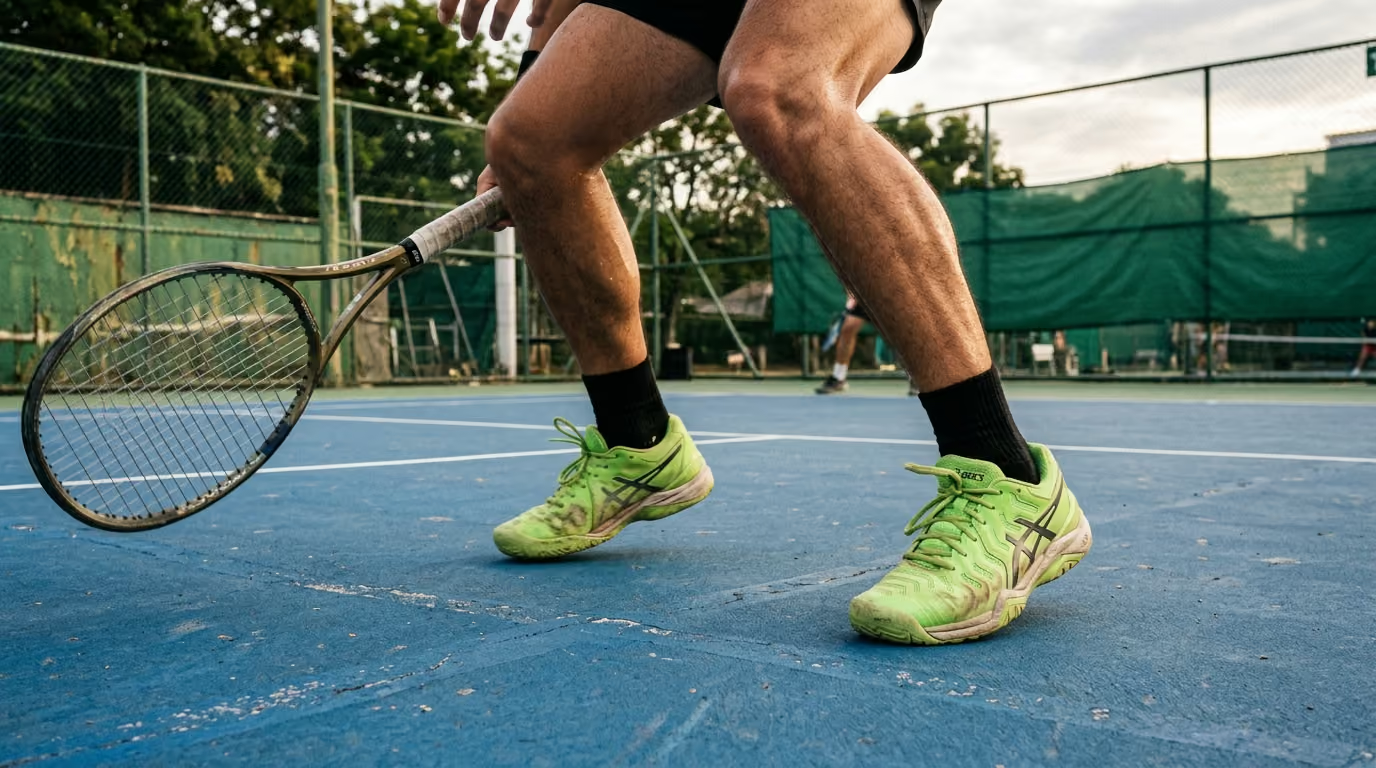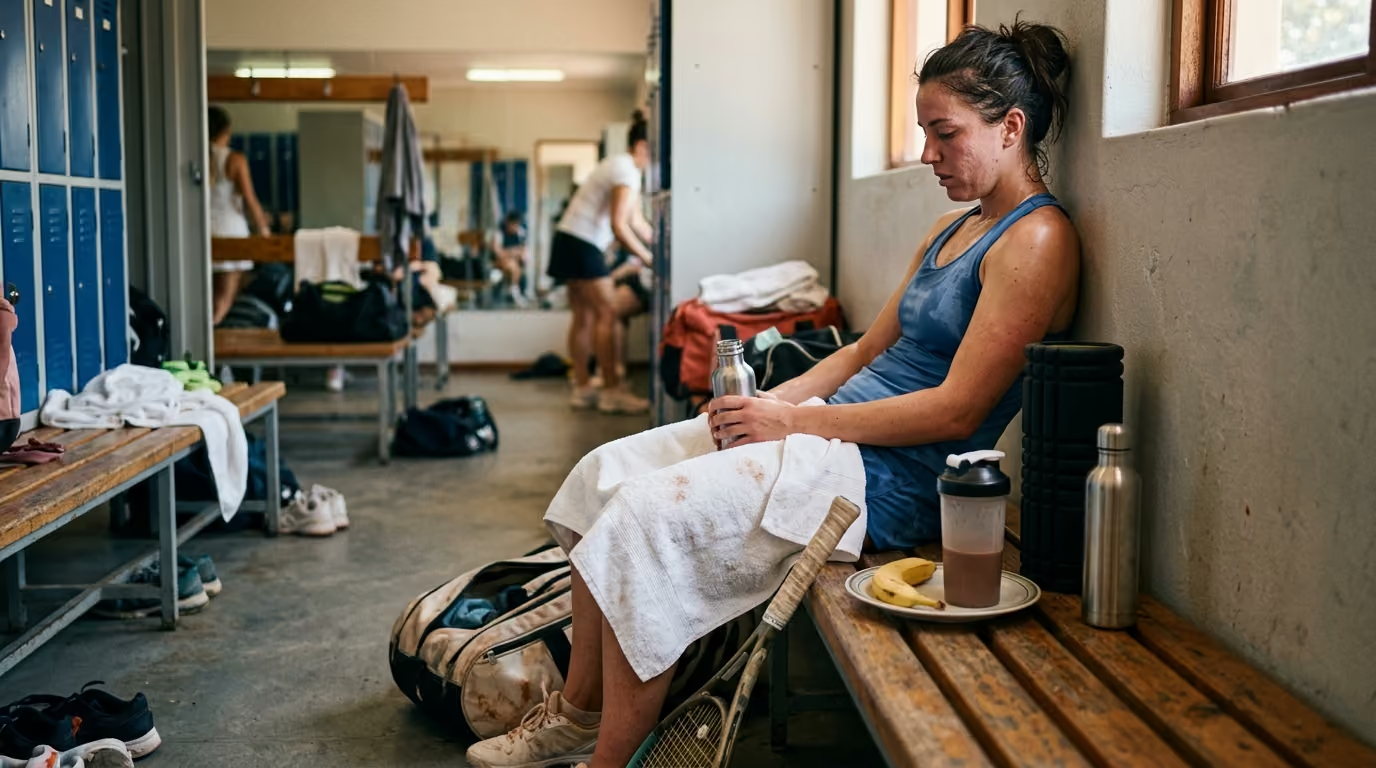

A complete post-match recovery routine ensures athletes optimally restore their bodies and minds during the critical six-hour window after intense physical exertion.




Imagine walking off the court after a grueling three-set tennis singles match or a rapid-fire pickleball session. Your shirt is soaked, your calves are tight, and your lower back aches from hours of split steps. How you spend the next six hours determines how you will move tomorrow.
The first six hours after a match require a structured sequence of stabilization, hydration, targeted nutrition, and physical unloading to restore depleted resources. By progressively replacing fluids, consuming balanced carbohydrates and proteins, and protecting your sleep environment, you transition your nervous system from stress to repair. This deliberate timeline helps maintain long-term court availability and prevents cumulative soft-tissue strain.
To optimize your recovery, look at the post-match window as a sequence of overlapping objectives. Many court athletes view recovery as a single, isolated action like drinking a protein shake or taking a cold plunge. In reality, effective restoration requires a systematic progression.
The first objective is to stabilize the body by reducing physiological stress and cooling down safely. The second objective is to replace lost fluids, sodium, carbohydrates, and protein to kickstart tissue repair. The third objective is to unload the body by changing clothes, sitting down, and using gentle movement patterns.
The fourth objective involves assessing your physical state to differentiate normal fatigue from actual injury. The fifth objective focuses on sleep preparation by lowering environmental stimulation and cooling your body temperature. Finally, the sixth objective is to plan your next training session based on how your body responded to the match.
Understanding these distinct phases is essential when implementing science-backed recovery strategies after strenuous matches. By following a structured timeline, you can make informed decisions that support your overall health.
This framework distinguishes between physiological restoration and symptom management. Restoration involves rebuilding your energy reserves and rehydrating your tissues. Symptom management, such as massage or cold therapy, alters your perception of soreness without directly restoring physical performance capacity.
Your recovery begins the exact moment the match ends. Before you leave the court, you must transition your body from a state of high autonomic arousal to a state of calm. This transition protects your cardiovascular system and allows your heart rate to return to baseline.
The immediate priority during this phase is to screen for any urgent medical symptoms. If you or your opponent experience extreme dizziness, confusion, severe headaches, or nausea, halt any standard recovery plans. These signs can indicate heat illness or a head injury.
For example, the National Athletic Trainers' Association states that rapidly lowering core temperature below 102.5 degrees Fahrenheit is the emergency priority for exertional heat stroke. If no urgent symptoms are present, you can proceed with a basic cool-down.
An active cool-down should consist of five to ten minutes of low-intensity walking or light cycling. Research indicates that active cool-downs do not reliably prevent delayed onset muscle soreness (DOMS). However, light movement prevents blood from pooling in your lower extremities, which can cause lightheadedness.
Think of this short period as a transition and symptom-screening routine rather than a soreness cure. Once you finish your easy walk, sit down and record your immediate post-match metrics. If a scale is available, measure your body weight to determine fluid loss.
Weighing yourself before and after a match provides the most accurate estimation of sweat loss. For rapid and complete rehydration, the standard guideline is to consume 1.5 liters of fluid for every kilogram of body mass lost. This translates to roughly 23 ounces of fluid per pound of weight lost.
Do not try to drink this entire volume immediately. Gulping down massive amounts of plain water can trigger rapid urine production and dilute your blood sodium levels. Instead, sip your fluids progressively over the next three hours.
To ensure proper hydration, choose drinks that contain sodium. A sodium concentration of 20 to 30 milliequivalents per liter is ideal for fluid retention. Plain water alone is insufficient when you have sweated heavily during a long match.
Once you have stabilized your heart rate and begun rehydrating, your focus must shift to nutrition. The window between 30 and 90 minutes post-match is critical for muscle glycogen restoration. Glycogen is the primary carbohydrate fuel source stored inside your muscles.
During high-intensity rallies, your body burns through these glycogen stores rapidly. If you have another match or training session within the next 24 hours, restoring glycogen is your top nutritional priority. Delaying your carbohydrate intake can significantly slow down the rate of glycogen synthesis.
To maximize this process, target an intake of 1.0 to 1.2 grams of carbohydrate per kilogram of body weight per hour. For a player weighing 70 kilograms (approximately 154 pounds), this means consuming 70 to 84 grams of carbohydrates shortly after play. For a player weighing 85 kilograms (approximately 187 pounds), the target is 85 to 102 grams.
Pairing these carbohydrates with a moderate serving of protein is highly beneficial. Protein provides the amino acids necessary to rebuild damaged muscle fibers and support muscular adaptation. Aim for 20 to 30 grams of high-quality protein during this initial feeding window.
If your carbohydrate intake is slightly below the ideal target, adding protein can actually speed up glycogen synthesis. However, if you are already consuming the maximum carbohydrate target, extra protein will not further accelerate glycogen storage. Instead, it serves to stimulate muscle protein synthesis directly.
Select foods that are easy to digest and familiar to your digestive system. High-intensity exercise diverts blood flow away from your stomach, which can temporarily suppress your appetite or cause mild nausea. Liquid or semi-solid foods are often easier to tolerate than heavy meals.
Excellent options include chocolate milk, dairy-free recovery shakes, or Greek yogurt with honey and sliced banana. You can also eat a turkey sandwich on sourdough bread paired with a piece of fresh fruit. Avoid foods that are exceptionally high in fat or fiber during this immediate window, as they can delay digestion and cause stomach discomfort.
After eating, change out of your damp, sweaty court gear. Putting on clean, dry clothes is a simple way to improve comfort and regulate your body temperature. It also allows you to perform a closer inspection of your skin for blisters, scrapes, or joint swelling.
This is the ideal time to focus on physical unloading. Sit or lie down in a comfortable position to reduce the constant gravity load on your spine and legs. If your legs feel heavy or swollen, prop them up on a few pillows to encourage fluid drainage.
Many players believe they should stretch aggressively after a match to prevent next-day soreness. However, systematic reviews have shown that static stretching before or after exercise does not reliably reduce DOMS. It also does not accelerate the recovery of joint range of motion or muscular strength.
Instead of forced stretching, focus on gentle, unloaded mobility exercises. Move your joints through their natural, pain-free ranges of motion without pushing into sharp discomfort. This movement pattern promotes healthy blood flow and helps calm down tight muscles.
If you enjoy using specific recovery tools, understand their true purpose. Massage and foam rolling are excellent for reducing perceived muscle tension and improving subjective comfort. However, they do not repair structural muscle fiber damage or restore raw physical performance.
Cold-water immersion is another popular tool that can temporarily reduce muscle soreness after grueling matches. Be aware that cold therapy can sometimes limit long-term muscular adaptations if used constantly during building phases. Use it selectively when immediate comfort is your primary goal.
If you choose to use cold-water immersion, keep the water temperature between 50 and 59 degrees Fahrenheit. Limit your exposure to 10 or 15 minutes at most. Avoid cold exposure if you have medical conditions that affect your circulation, such as Raynaud's syndrome.
As you unload, assess how your body is feeling. It is common to experience generalized muscle fatigue and mild, symmetrical soreness after a long match. However, you must remain vigilant for signs of actual joint or tissue injury.
Use a simple traffic-light screening system to evaluate your physical state. This mental checklist helps you determine whether your sensations are normal or require professional attention.
If you fall into the green category, you can safely proceed with your standard recovery plan. A yellow light means you should modify your upcoming physical activity and monitor the area closely. A red light requires you to halt all training and seek an assessment from a healthcare professional.
Remember that concussion symptoms can sometimes take hours to fully emerge after a fall or collision. If you bumped your head or fell hard during a rally, monitor yourself for headaches, visual changes, or cognitive fog. Never attempt to play through suspected head injuries.
As the evening progresses, your body should transition fully into a resting state. The physical demands of a high-stakes match can leave your nervous system highly stimulated. This elevated state of arousal can disrupt your ability to fall asleep.
Your evening recovery meal should support this transition. Ensure this meal contains complex carbohydrates, lean protein, and healthy fats. Foods like brown rice, sweet potatoes, grilled fish, and steamed vegetables are excellent choices.
Avoid extremely large, heavy, or highly spiced meals close to bedtime, as they can disrupt sleep quality. If your match ended late in the evening, prioritize a compact meal and quick hygiene routine. Do not stay up late to complete a complicated recovery ritual, as this defeats the purpose of rest.
Sleep is the absolute cornerstone of athletic recovery. While gadgets and massages offer comfort, nothing replaces the physiological restoration that occurs during deep sleep. Active court athletes should aim for 8 to 10 hours of high-quality sleep nightly.
I used to think a tough conditioning block was the only way to improve my court endurance. Then I started tracking my sleep. I noticed that on days I slept less than six hours, my reaction time at the net was noticeably sluggish, and I felt gassed by the second set. Prioritizing consistent rest did more for my late match stamina than any extra sprints ever did. Recovery is the true foundation of performance.
To improve your sleep quality, create a dark, quiet, and cool environment. Keep your bedroom temperature around 65 degrees Fahrenheit to help lower your core body temperature. Minimize your exposure to bright blue light from smartphones or tablets for at least an hour before sleep.
Psychological downshifting is also highly beneficial. Spend five minutes practicing slow, deep abdominal breathing to shift your nervous system into a parasympathetic state. This simple practice helps quiet a racing mind and prepares your body for deep, restorative rest.
Before you go to sleep, make a practical decision about your activity for the following day. Do not wait until you wake up stiff and sore to decide on your training schedule. Use your evening assessment to choose one of three pathways.
If your body feels good and you have no localized joint pain, you can plan for a normal training session tomorrow. If you feel moderately sore or slightly fatigued, opt for a modified training session instead. This means reducing your court time, limiting high-speed sprints, and focusing on technical drills.
If you are experiencing sharp pain, swelling, or cognitive symptoms, dedicate the next day to rest or seek a medical assessment. Pushing through significant physical warning signs increases your risk of sustaining a more serious injury.
Developing this habit of daily reflection supports your long-term athletic longevity. It allows you to build a sustainable relationship with your sport and keep playing for years to come.
While the general principles of recovery apply to all sports, the specific physical demands of tennis, pickleball, and padel differ. Tailoring your post-match routine to these unique movement patterns can enhance your results.
Tennis matches often feature long durations, wide court coverage, and powerful, explosive movements. Players experience high eccentric braking forces as they slide or plant their feet to change direction. This eccentric loading causes micro-tears in the muscle fibers, which leads to significant soreness in the quads, glutes, and calves.
Furthermore, the repetitive, high-velocity serving motion places immense stress on the dominant shoulder and trunk. Tennis players should prioritize thorough shoulder mobility exercises, such as gentle sleeper stretches, during their post-match routine. Rehydration is also highly critical for tennis players, as matches can easily stretch past two hours in hot conditions.
To keep your movement fluid, incorporate specific court mobility and movement patterns into your warm-ups and cool-downs. Consistently focusing on joint health will pay massive dividends over your playing career.
Pickleball involves rapid, short-distance lateral movements, quick hand-eye coordination, and persistent low-to-high lunging. The constant low athletic stance required at the non-volley zone line places a heavy load on the lower back, quadriceps, and knees. Pickleball players often experience localized stiffness in their lower back and Achilles tendons.
To offset these patterns, pickleball recovery should emphasize gentle hip flexor and lower back unloading. Tournament players frequently play multiple matches in a single day, making rapid nutrition and hydration paramount. If you have only an hour between tournament matches, focus entirely on fast-digesting carbohydrates and electrolyte replacement rather than stretching.
Implementing a strategy of proactive injury prevention is particularly helpful for pickleball players aiming to protect their joints. Focus on building lower-body stability to handle the rapid, repetitive directional changes.
Padel is played on a smaller, enclosed court, which creates a highly chaotic, fast-paced environment. Players perform a high volume of vertical jumps, overhead smashes, and sudden, reactive turns off the glass walls. This style of play demands a high level of thoracic mobility and places significant stress on the shoulder, calves, and Achilles tendons.
Padel players should focus on thoracic spine mobility and calf unloading during Phase 3 of their recovery. Because padel courts are concrete-based with turf, the impact forces can be quite high. Ensure your footwear offers adequate cushioning, and prioritize lower-body decompression after playing on hard surfaces.
To understand how these recovery principles translate to the real world, consider these six distinct player scenarios. These examples demonstrate how to adjust your routine based on match conditions and physical responses.
A 45-year-old tennis player finishes a competitive singles match at 8:30 PM. The match lasted two hours, and the player feels normal, generalized fatigue. They weighed themselves before and after the match, noting a weight loss of 1 kilogram (2.2 pounds).
The player starts with a five-minute slow walk on the court to cool down. They change into dry clothes, sip 1.5 liters of water mixed with an electrolyte tablet over the next three hours, and eat a turkey sandwich. Once home, they practice gentle hip and lower back mobility, eat a light dinner, and head to bed by 10:30 PM to secure eight hours of sleep.
A pickleball player is competing in a weekend tournament and has another match scheduled in four hours. They feel tired but have no joint pain or injuries.
The player skips a prolonged cool-down to save energy. They immediately consume a recovery drink containing 60 grams of carbohydrates and 20 grams of protein, along with 24 ounces of an electrolyte fluid. They spend the remaining time resting with their legs elevated, avoiding unnecessary standing or heavy stretching, to preserve their muscle glycogen stores.
During a padel rally, a player lunges for a ball and feels a sudden, sharp pinch in their right knee. By the time they reach the sidelines, the knee feels unstable and is beginning to swell.
The player recognizes this as a Red Light symptom. They do not attempt to stretch the knee or roll it out with a foam roller. Instead, they apply a light compression wrap, elevate the leg, avoid bearing weight, and schedule an appointment with a physical therapist for a professional assessment.
During a doubles tennis match, a player collides with their partner and hits the back of their head on the court surface. They feel slightly dazed but want to continue playing.
Their partner insists they stop playing immediately. The player is removed from the court and monitored closely for concussion symptoms, such as headache, dizziness, or confusion. They avoid standard physical recovery protocols and consult a healthcare provider to establish a safe, supervised return-to-play plan.
A player completes a high-intensity squash match and immediately sits in a 50-degree ice bath for 15 minutes. They feel numb and refreshed afterward, so they skip dinner and stay up late watching television.
The next morning, the player wakes up feeling incredibly stiff, weak, and exhausted. This case demonstrates that temporary pain relief does not equal true physiological recovery. Without adequate carbohydrates, protein, and sleep, the body cannot repair muscle tissue, regardless of how cold the ice bath was.
A player competes in a hot, humid pickleball tournament and loses 2 kilograms (4.4 pounds) of body weight during the match. They feel lightheaded and have a mild headache.
The player slowly drinks 3 liters of fluid over the next four hours, ensuring the drinks contain a high concentration of sodium to replace what was lost in sweat. They rest in an air-conditioned room to lower their body temperature and avoid any further physical activity for the rest of the day.
Avoiding classic recovery mistakes is just as important as following a structured routine. Many athletes accidentally hinder their own restoration by falling for common myths.
Drinking massive quantities of plain water after heavy sweating is a common mistake. Without sodium, your kidneys quickly filter out the excess water, leading to increased urine output rather than deep tissue rehydration. Always pair your post-match fluids with sodium-rich foods or electrolyte powders to ensure proper hydration.
Just because a recovery tool makes your muscles feel less sore does not mean your body has fully recovered. Cold plunges and massage can reduce pain signals, but they do not rebuild depleted muscle glycogen or repair torn fibers. Always base your training decisions on your actual movement quality and performance capacity, not just your pain levels.
A protein shake is a convenient tool when you are on the go, but it is not a substitute for a balanced recovery meal. Shakes often lack the necessary carbohydrates, healthy fats, and micronutrients your body needs to recover fully. Use shakes as an immediate bridge, but follow up with a real, whole-food meal as soon as possible.
When a muscle feels tight or strained, the natural instinct is to stretch it as hard as possible. However, if the muscle tissue has sustained micro-tears, aggressive static stretching can worsen the damage. Opt for gentle, unloaded joint mobility work instead, which supports blood flow without placing excess tension on damaged fibers.
Consistently prioritizing the first six hours after a match supports your overall athletic longevity. When you play racquet sports, your tendons, ligaments, and joints absorb immense forces. These connective tissues require adequate nutrients and rest to repair their collagen structures.
Without a structured recovery routine, your body remains in a state of chronic, low-grade inflammation. Over time, this cumulative stress can lead to tendinopathies, muscle strains, and joint stiffness. This chronic depletion can ultimately force you to take extended breaks from the sports you love.
By actively managing your post-match recovery, you preserve your joint cartilage and maintain healthy tendon compliance. This proactive approach allows you to train consistently, improve your skills, and enjoy the physical benefits of court sports for decades.
Investing in your physical recovery is an investment in your future self. It ensures you can step onto the court with confidence, knowing your body is resilient, strong, and fully prepared for the next challenge.
To build a strong foundation for your game, consider incorporating structured strength and conditioning programs into your weekly routine. Strengthening the muscles around your joints is one of the most effective ways to support long-term court performance.
Implementing these practices helps build a lifestyle focused on healthy aging and athletic longevity. Protecting your body today ensures you can continue playing the sports you love for years to come.
While a structured recovery routine is highly effective for managing normal match fatigue, it cannot resolve structural injuries. Learn to recognize the warning signs that indicate a need for professional medical evaluation.
Consult a qualified healthcare provider if you experience any of the following:
A physical therapist, sports physician, or athletic trainer can provide an accurate diagnosis and design a safe rehabilitation plan. Do not attempt to play through significant pain or structural warning signs.
Revisit this recovery guide at the start of every new competitive season, when tournament schedules intensify, or if you begin experiencing persistent, next-day stiffness. Returning to these foundational principles will keep your recovery efficient, effective, and closely aligned with current sports science.
A structured post-match routine is the ultimate key to staying healthy, moving well, and playing the court sports you love for years to come.
Follow Evercourts for practical insights on tennis, pickleball and padel performance, movement, recovery and healthy ageing. Stay connected for new articles, research-led guidance and ideas to help you play well and keep playing for years.


Read practical guidance for better movement, smarter preparation and a game that keeps working for you.
explore the Blog