
Racquet sports players can optimize their tournament-week performance by understanding how to reduce training volume while maintaining movement intensity.




Most competitive players believe that a tournament week is the perfect time to test their physical limits. In reality, trying to build new strength or endurance during a multi-day event is highly counterproductive. To maintain high performance during a tournament week, you must reduce your total training volume while keeping your movement intensity high. This approach preserves your explosive power, protects your joints from overload, and prevents muscle soreness between matches. By focusing on low-volume activation and rapid refueling, you ensure your body is fully prepared for every point.
Many athletes make the mistake of training too hard immediately before a major competition. They fear that a few days of reduced workload will cause them to lose their physical conditioning. However, physiological adaptations like aerobic capacity and muscular strength do not disappear over a single week. The main challenge during a tournament is managing the physical fatigue and mental stress that accumulate over consecutive days of play.
To perform your best, you must understand the difference between chronic fitness and acute readiness. Chronic fitness is the physical foundation you built during the preceding months of training. Acute readiness is how prepared your body is to perform right now. During a tournament week, you cannot build more chronic fitness without creating fatigue that damages your acute readiness. Therefore, your primary goal is to protect your readiness by reducing extra physical stress.
Adopting smart athletic longevity strategies is key to playing well as you age. If you want to maintain your speed and agility on the court, you must learn to taper your training correctly. A successful taper reduces your weekly training volume while preserving your movement speed and technical precision. This strategy allows your muscles and nervous system to recover from prior hard training.
This approach is supported by sports science research on competitive athletes. A systematic review published in the Olympic literature indicates that tapering can improve physical performance by 0.5% to 6%. These improvements are especially valuable in racquet sports, where matches are often decided by small margins. By reducing your extra training load, you allow your body to express its full physical potential.
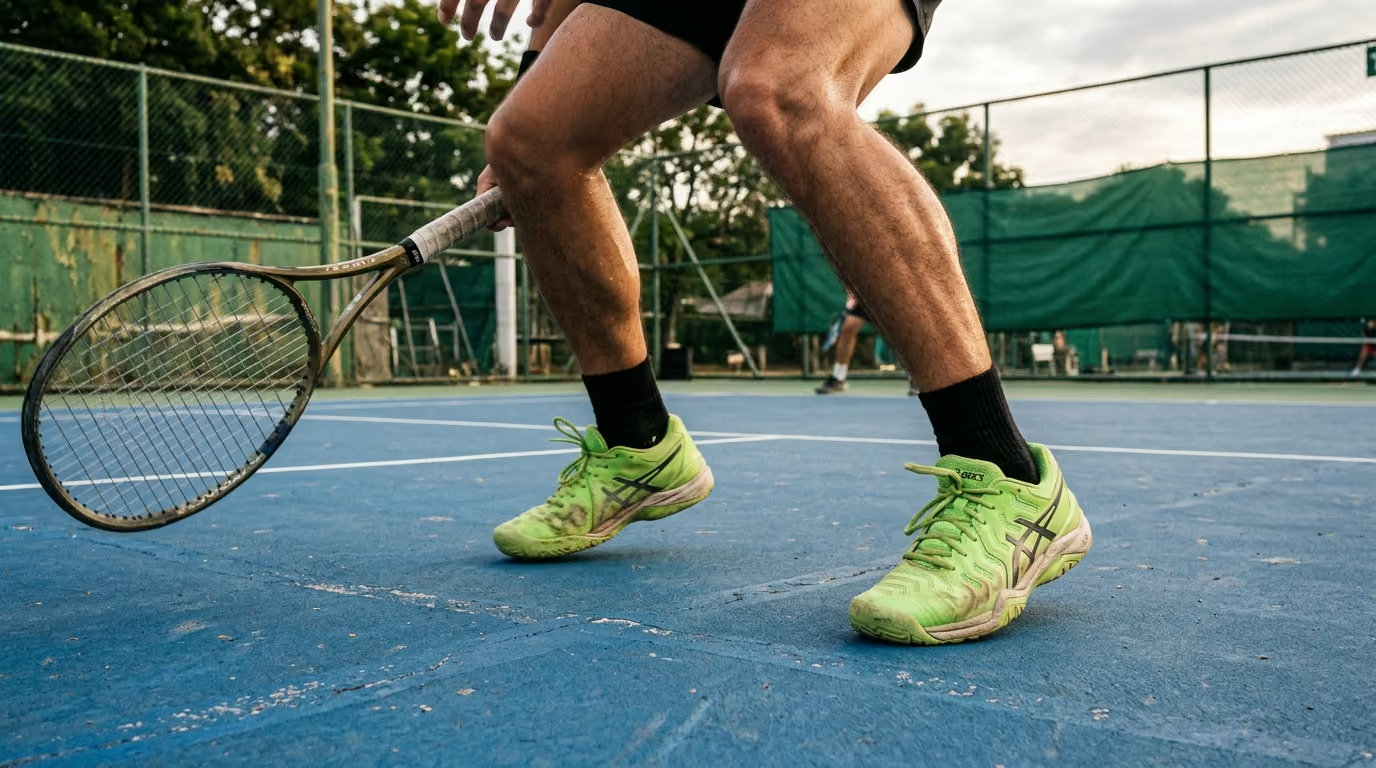
Racquet sports place unique physical demands on the human body. Every match involves hundreds of explosive accelerations, rapid decelerations, and sudden changes of direction. These movements cause microscopic damage to your muscle fibers, particularly during the braking phases. This muscle damage leads to soreness, stiffness, and a temporary decline in your explosive power.
Scientific research shows that tennis matches can significantly impair your physical capabilities. A study of tennis players found that two hours of match-play reduced repeated-sprint ability, vertical jump power, and leg stiffness. These performance markers did not return to normal until 24 hours after the match. This means that if you play consecutive matches without enough recovery time, you will start the next match with physical deficits.
The type of court surface you play on also changes the physical demands on your body. Research on junior tennis players shows that rallies on clay courts are about 22% longer than those on hard courts. These longer rallies lead to higher heart rates, elevated blood lactate levels, and greater perceived exertion. If your tournament is on clay, you will need to adjust your recovery and nutrition strategies to match the increased energy demands.
Other racquet sports show a similar pattern of physical fatigue. In badminton, studies on players competing in multiple matches on the same day revealed rising levels of blood lactate and muscle-damage markers. Specifically, playing consecutive matches reduced the athletes' hip range of motion and lowered their vertical jump performance. To offset these physiological changes, your tournament-week schedule must prioritize recovery over extra workouts.
During a tournament week, your gym sessions should look very different from your normal off-season workouts. You should not perform any exercises that leave you feeling sore, stiff, or exhausted the next day. Instead, you should focus on a concept known as the minimum effective dose. This means doing just enough physical work to keep your nervous system alert and your joints moving smoothly.
To design an effective pre-tournament gym session, you must reduce your overall training volume. A practical guideline is to cut your total sets and repetitions by 41% to 60%. However, you must maintain the movement speed and technical focus of your exercises. This combination keeps your muscles responsive without depleting your energy reserves.
When planning your gym work, look for specific strength and conditioning advice that fits your competition schedule. Your exercises should be familiar movements that you have performed many times before. A tournament week is the worst time to try a new exercise, because novelty often causes muscle soreness. You should also avoid carrying your strength sets to muscle failure.
Here is a practical template for a pre-tournament gym session to be completed two days before competition:
This sample session should leave you feeling energized rather than tired. If you feel exhausted or sore after this workout, your weights or volume were too high.
To make smart decisions during a tournament, you need a simple way to track your recovery. You do not need expensive laboratory equipment to monitor your physical readiness. Simple subjective questionnaires are often more sensitive to fatigue than complicated technological tests. By checking in with your body every morning, you can adjust your preparation to match your physical state.
Every morning before breakfast, take a moment to rate the following items on a scale of one to five:
If you want a more objective test, you can use a simple vertical jump or a grip strength test. Research shows that drop-jump height is highly sensitive to the physical fatigue caused by racquet sports. If your vertical jump height drops by more than 10% compared to your normal baseline, your nervous system is still recovering.
To help make training decisions, you can use a simple traffic-light system:
You slept well, your muscles feel comfortable, and you have no joint pain. Your jump performance is close to your normal baseline.
You feel mild muscle soreness, your sleep was slightly disrupted, or your joints feel stiff. Your jump performance has dropped slightly.
You have sharp or persistent pain, your joints are swollen, or you feel exhausted and dizzy. Your movement patterns look altered or clumsy.
Using this simple system helps you avoid the common mistake of ignoring your body's warning signs. It allows you to adjust your physical load in real time, which is essential for protecting your health.
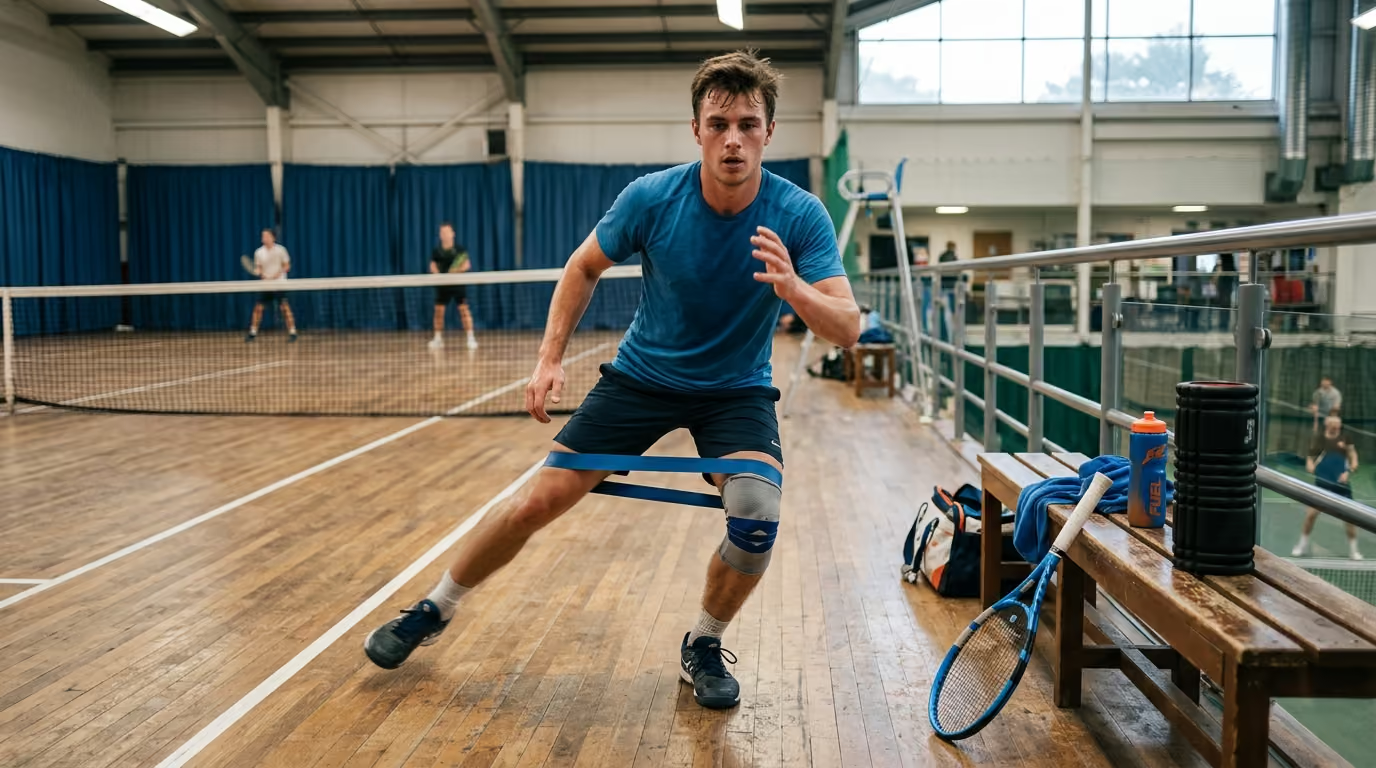
The time spent between matches is critical for maintaining your physical readiness. If you sit still for hours, your muscles will become stiff and your joints will lose their comfortable range of motion. However, if you move too much, you will waste precious energy that you need for your next performance. The solution is to use specific, low-fatigue mobility and movement training to keep your body prepared.
Immediately after your match ends, your primary goal is to help your body transition out of competition mode. Do not sit down immediately on the bench. Instead, walk slowly for three to five minutes to help your heart rate return to normal. Drink a carbohydrate beverage and change into dry clothing as soon as possible.
If you have a short gap of two hours or less before your next match, your movement should be minimal. Find a quiet place to lie down, elevate your legs, and focus on slow, deep breathing. This helps calm your nervous system and preserves your energy. About twenty minutes before your next match, perform a short, modified warm-up to prepare your muscles.
Your second warm-up of the day should be much shorter than your morning routine. It should include the following steps:
This sequence should make you feel coordinated and warm without causing you to sweat heavily. By keeping the warm-up brief, you protect your energy while ensuring your joints are ready to move.
The physical demands of racquet sports vary depending on court dimensions, equipment weight, and match duration. A strategy that works perfectly for a tennis player might be inappropriate for a pickleball or padel player. To get the best results, you must tailor your tournament preparation to the specific rules and movements of your sport.
Tennis players face long match times, highly explosive serves, and heavy eccentric forces during deep lateral slides. If you are preparing for a tennis event, you should use practical tennis resources to design your tournament-week schedule. Because tennis matches can last several hours, your recovery plan must focus on restoring glycogen stores and protecting your shoulders from repetitive stress. You should also pay close attention to the court surface, as clay courts require more sliding and longer physical efforts.
Pickleball players often face a different challenge, as they must play multiple short matches in a single day. The quick reflexes and low kitchen-line positions require exceptional hip and knee mobility. To prepare, consult specialized pickleball guides to understand the physical demands of these rapid exchanges. Your between-match routine should focus on keeping your knees and lower back loose, as the deep squats and quick lateral steps can cause early muscle fatigue.
Padel players must deal with a high volume of overhead strokes, quick turns, and explosive jumps near the glass walls. The rotational demands of the sport can place a large amount of stress on your lower back and shoulders. If you play padel, look at targeted padel guides to help design your activation routines. Your physical preparation should focus on thoracic spine mobility and shoulder stabilization to handle the high volume of overhead shots.
Regardless of your chosen sport, the core principle remains the same. You must match your physical preparation to the specific movement patterns and duration of your games. This tailored approach prevents unnecessary fatigue while keeping your performance high.
Your physical performance during a tournament is heavily dependent on your nutrition and hydration status. If you run out of energy or become dehydrated, your reaction times will slow, your decision-making will suffer, and your muscles will fatigue faster. To avoid these issues, you must follow a structured nutrition plan based on evidence-based recovery strategies.
According to the International Olympic Committee consensus statement on sports nutrition, you should start every match with well-stocked muscle glycogen stores. To do this, you must eat carbohydrate-rich meals in the days leading up to your tournament. Good choices include rice, potatoes, pasta, fruit, and oatmeal. These foods provide a steady supply of energy for your working muscles.
If your matches last longer than one hour, the American College of Sports Medicine recommends consuming 30 to 60 grams of carbohydrate per hour. You can get these carbohydrates from sports drinks, energy gels, or bananas. These easily digested snacks help maintain your blood glucose levels and prevent physical performance drops during long rallies.
For rapid recovery between matches, you should also consume carbohydrate and protein soon after walking off the court. A practical post-match recovery snack should follow these guidelines:
Your hydration plan is just as important as your food intake. You should drink about 500 milliliters of fluid two hours before your match to ensure you start hydrated. During play, drink early and regularly, choosing beverages that contain sodium if you are sweating heavily. After your match, aim to drink enough fluid to replace any weight lost during play, preferably using water containing electrolytes to help your body retain the moisture.
No amount of stretching, foam rolling, or massage can replace the recovery benefits of high-quality sleep. Sleep is the primary time when your body repairs damaged muscle tissue and restores neurotransmitters in your brain. If you are sleep-deprived, your reaction speed, coordination, and mood will decline, making it much harder to win tough matches.
Scientific reviews on athletic performance recommend getting 8 to 10 hours of sleep per night during intense competition periods. If your match schedule forces you to wake up early or play late, you should try to take a short nap during the day. A nap of 20 to 30 minutes in the early afternoon can restore your mental alertness without disrupting your nighttime sleep.
To get the most out of your sleep, you should create a consistent evening routine. Keep your bedroom cool, dark, and quiet to encourage deep rest. Avoid looking at bright screens like smartphones or televisions for at least one hour before bed, as the blue light can interfere with your body's natural sleep hormones.
Beyond sleep, you can use other evidence-based recovery methods to help your body feel better. These options can be helpful if used correctly:
A very gentle walk or an easy spin on a stationary bike for 15 minutes can help reduce muscle stiffness after a match. Keep the intensity low so that you do not burn extra energy.
Using a foam roller for 10 to 20 minutes can temporarily improve your range of motion and relieve muscle tension. Avoid rolling directly over painful joints or fresh injuries.
Sitting in a cold bath for 5 to 15 minutes at a temperature of 10 to 15 degrees Celsius can help reduce the perception of muscle pain and swelling. Use this method only if you have tried it before and find that it makes your body feel refreshed.
These recovery tools should be used to support your sleep and nutrition, not to replace them. Always choose the recovery methods that make you feel the most comfortable and relaxed.
Even experienced athletes can make mistakes when planning their tournament-week routines. Often, these errors come from a desire to do more, rather than a focus on quality and rest. By recognizing these common pitfalls, you can protect your performance and ensure your body remains healthy throughout the event.
The first major mistake is trying to make up for missed workouts during the tournament week. If your training was inconsistent in the weeks leading up to the event, you cannot fix that problem now. Trying to lift heavy weights or run hard intervals during a competition week will only make you tired and sore. Accept your current physical state and focus entirely on resting and preparing for your matches.
Another common error is changing your warm-up or nutrition routine on the day of the tournament. It can be tempting to try a new supplement, eating plan, or recovery tool that you saw another player using. However, unfamiliar foods or routines can cause stomach upset, muscle stiffness, or unexpected fatigue. Stick to the meals and warm-up movements that you have already tested and trusted during your normal training weeks.
Finally, you must know when to stop playing and consult a healthcare professional. While some mild muscle soreness is normal, you should never ignore signs of a real injury. You should stop playing and see a doctor if you experience any of the following warning signs:
If you experience these symptoms, continuing to play can lead to serious physical issues that may keep you off the court for months. Prioritizing your long-term health is the most important decision you can make for your athletic future.
Managing your physical energy during a tournament week is a skill that takes practice and patience. By focusing on rest, nutrition, and low-fatigue movement, you can keep your body feeling strong and continue enjoying your favorite racquet sports for many years to come.
Follow Evercourts for practical insights on tennis, pickleball and padel performance, movement, recovery and healthy ageing. Stay connected for new articles, research-led guidance and ideas to help you play well and keep playing for years.


Read practical guidance for better movement, smarter preparation and a game that keeps working for you.
explore the Blog