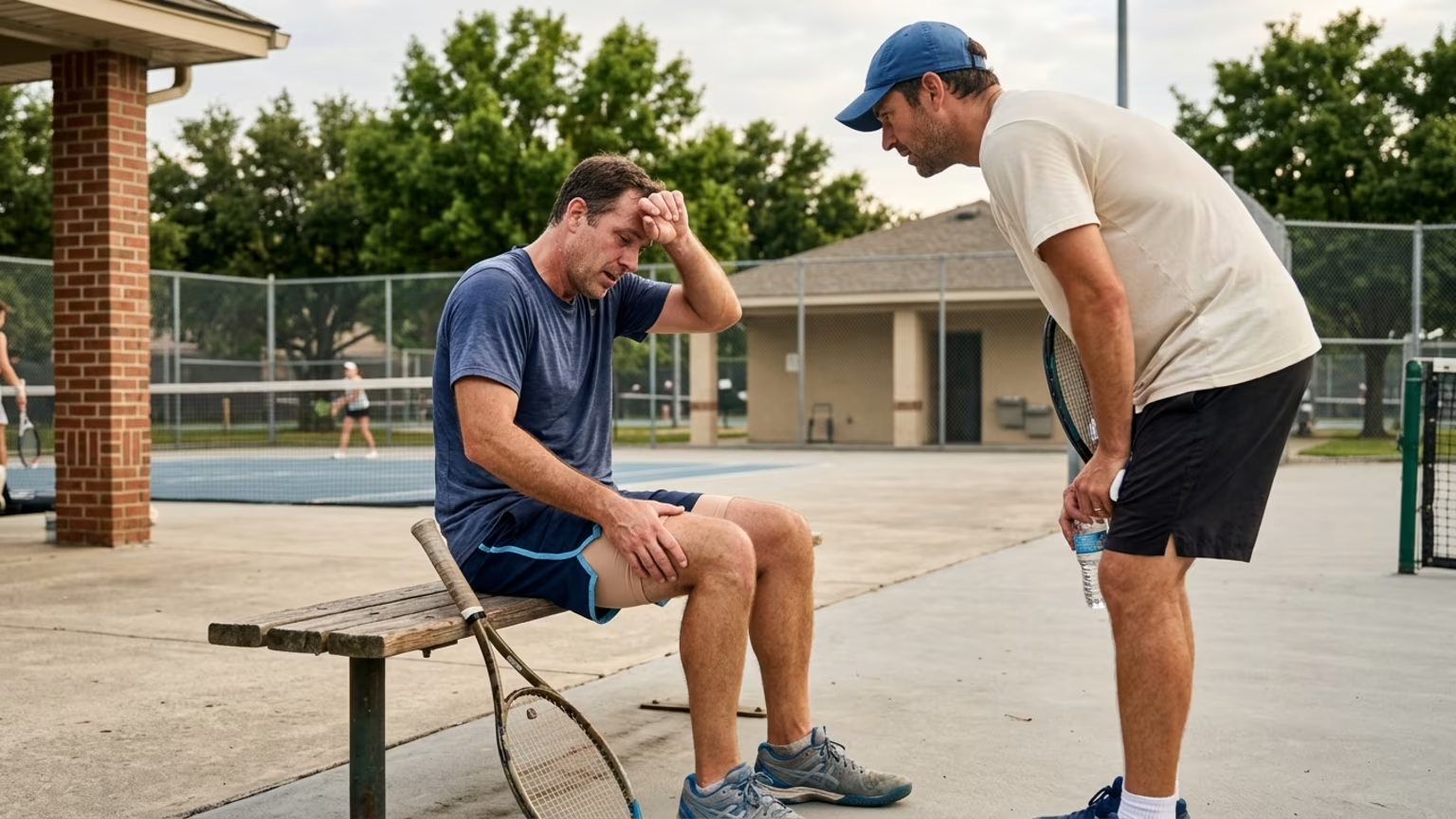

World No. 1 Jannik Sinner and Carlos Alcaraz highlight the physical toll of modern racquet sports. Learn how strategic periodization prevents court injuries.




Continuous competition load involves playing matches constantly without factoring in adequate recovery windows. According to a Tennis365 report, several prominent players experienced significant injury-related interruptions during the 2026 season. The publication listed prominent contenders like Sinner, Alcaraz and Arthur Fils among those facing extensive time off. Tennis commentator Gill Gross described this season as the worst ATP injury situation he had personally seen.
Gross noted that walkovers, retirements and withdrawals had increased in recent years based on his compiled data. Former French Open champion Adriano Panatta suggested that the sheer number of matches is only part of the problem. Players are increasingly required to move and hit at very high intensity on every point. This modern style of play creates a severe physical stress profile that demands respect.
Without built-in breaks, continuous competition degrades physical capabilities and rapidly increases overall injury risk. This relentless schedule forces players to manage emerging injuries cautiously before they become catastrophic. The competitive consequences extend well beyond individual player rankings. As Arthur Fils won the Cincinnati Masters 1000 tournament following the Sinner withdrawal, the competitive field constantly reshaped itself.
For recreational athletes, trying to mimic this continuous competition model usually ends poorly. The body eventually dictates the rest you refused to schedule yourself. Pushing through early warning signs only guarantees longer recovery times later.
Strategic workload periodization involves tracking your total physical load and deliberately scheduling easier training periods. It stands in direct contrast to the continuous competition model that breaks down elite athletes. Roger Federer has advocated for a balanced schedule, adequate breaks and prioritizing key tournaments. This method treats rest as a vital performance tool rather than a frustrating roadblock.
A smart periodization plan accounts for match duration, practice intensity, serving volume and weekly strength training. It requires athletes to strictly cap their high-intensity days. For instance, players should avoid stacking a long competitive match and intense lower-body training on consecutive days. You must alternate hard and easy days to facilitate true physical recovery and tissue adaptation.
This approach also demands treating persistent pain as useful information rather than an annoyance. When symptoms do not settle, athletes must reduce the provoking load and obtain a qualified assessment. You should not simply increase physical therapy treatments while maintaining the same aggressive match schedule. Structuring a sustainable competitive schedule helps recreational players implement this strategy effectively.
Periodization does not mean you have to stop playing racquet sports entirely during a rest block. A lower-volume week can include easy hitting, mobility work, technique-focused practice and appropriately scaled strength training. The goal is to maintain movement quality without adding excessive systemic fatigue.
The physical demands of racquet sports vary significantly across different disciplines and court surfaces. Tennis demands explosive sprints, repeated acceleration and heavy overhead serving actions throughout a match. Continuous competition in tennis rapidly depletes shoulder strength and vital calf capacity. Strategic periodization is highly advantageous here because it allows the body to rebuild power between major tournaments.
Pickleball presents a completely different challenge with its frequent stop-start nature and rapid volleys. The quick directional changes and lower net require athletes to maintain constant knee flexion and trunk control. While the overall court size is smaller, the repeated lower-body deceleration places massive stress on the knees and Achilles tendons. Capping high-intensity pickleball days prevents cumulative joint fatigue and protects lower-body tissues.
Padel combines explosive overhead actions with continuous multidirectional movement inside an enclosed glass court. Players must track the ball off the glass and react instantly to unpredictable rebound angles. This chaotic environment demands exceptional hip mobility, core stability and upper-back strength. Using a strategic periodization plan helps padel players sustain this high athletic demand without breaking down prematurely.
Regardless of your primary sport, planning a smart tournament calendar keeps you physically prepared for its specific demands. Modifying your training load ensures your joints can handle the unique stresses of your preferred court.
The tools players use directly influence how much physical stress the body absorbs during competition. Gross suggested that lighter racquets may contribute to more arm-related problems in modern tennis. Players generate massive swing speeds with these modern lightweight frames. The resulting impact forces the arm and shoulder to absorb significant shock on every single stroke.
This equipment factor makes continuous competition even more hazardous for the modern racquet sport athlete. Lighter racquets facilitate harder hitting, which creates a much greater physical burden over time. When athletes combine fast racquet speeds with an unrelenting tournament schedule, the arm rarely gets a chance to recover. The accumulated vibration and force easily overload unprepared wrist and elbow tendons.
Executing a gradual return after time off becomes essential when testing new equipment under these stressful conditions. If you change your racquet weight, you must strictly limit your playing volume during the transition. Ignoring this gear-related stress often leads to persistent tendon inflammation and disrupted seasons. Smart equipment choices must always align with sensible load management.
The ongoing disruptions across the ATP Tour offer a clear lesson for adult recreational players. Continuous competition load creates an unsustainable cycle of physical fatigue and frustrating injury interruptions. The modern game requires too much explosive movement to support year-round play without deliberate, planned rest. Your body needs time to repair the micro-damage caused by repetitive court movements.
Strategic workload periodization stands as the absolute winner for healthy aging in racquet sports. It allows players to build capacity outside the court through sensible, progressive strength training. By capping high-intensity days, you protect your joints from the compounding stress of modern equipment and harder hitting. This proactive approach prevents minor aches from escalating into season-ending problems.
You cannot always copy the exact schedules of professional athletes, but you can learn from their physical struggles. Just as Sinner and Alcaraz learned the harsh consequences of cumulative load, recreational players must respect their own physical limits. Prioritizing meaningful rest ensures you can continue competing safely at a high level. Strategic workload management keeps you out of the physical therapy clinic and on the court for years to come.
Follow Evercourts for practical insights on tennis, pickleball and padel performance, movement, recovery and healthy ageing. Stay connected for new articles, research-led guidance and ideas to help you play well and keep playing for years.


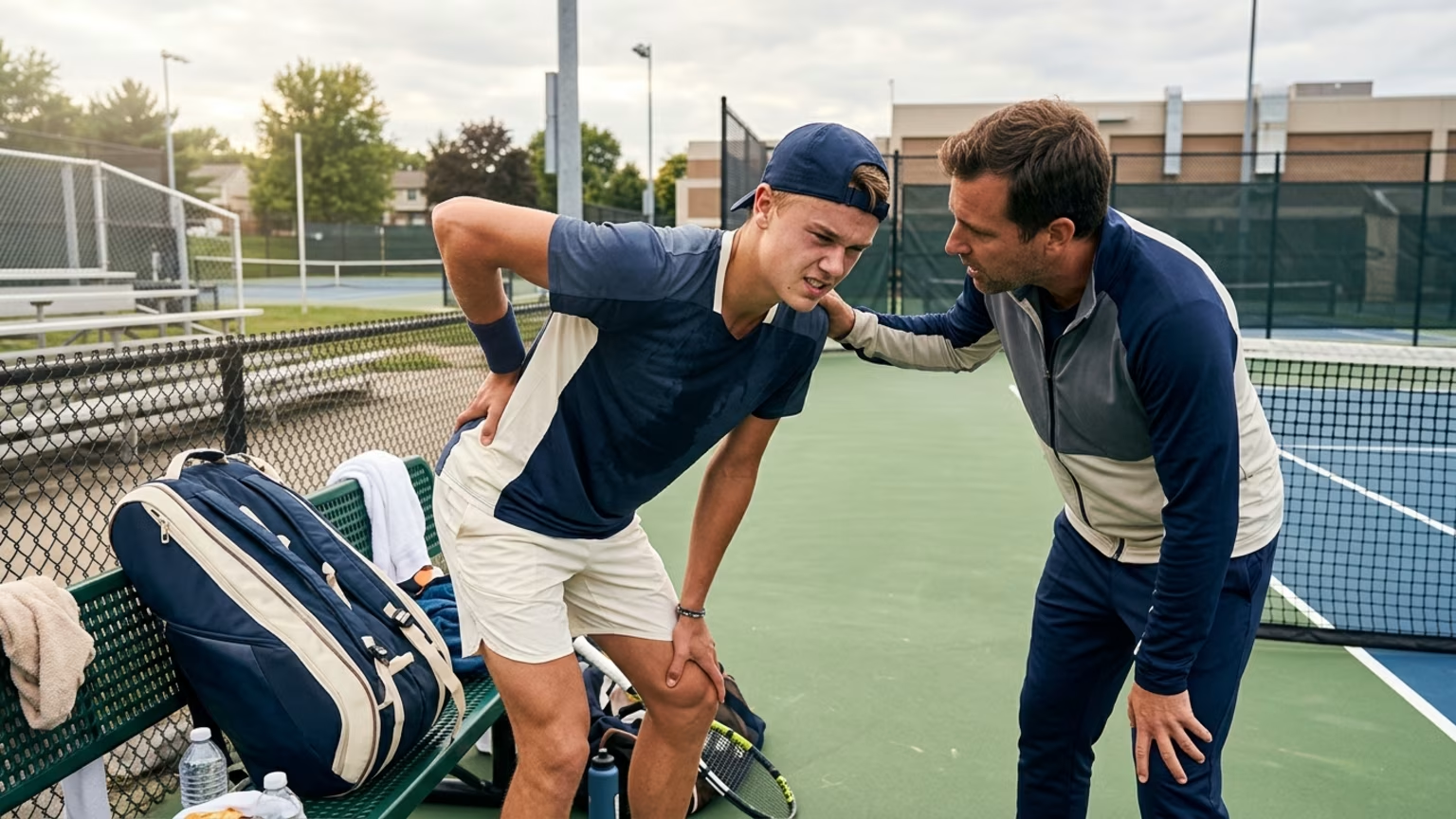
Holger Rune withdrew from the European Open with a back problem. The facts behind his decision and a grounded perspective for recreational players.

The Dink’s October 17 guide emphasizes deep returns, ball-height decisions and positioning against faster pickleball opponents.

A new report outlines padel and tennis gear trends. Learn how to assess adjustable rackets, sensor feedback and smart-court claims.
Read practical guidance for better movement, smarter preparation and a game that keeps working for you.
explore the Blog
