

The Dink’s October 17 guide emphasizes deep returns, ball-height decisions and positioning against faster pickleball opponents.




On October 17, 2026, The Dink Media Team published “How to Play Smart When Playing Against Younger Faster Opponents” in The Dink’s Pickleball 101 section.
The guide frames the matchup around controlling pace and placement rather than matching an opponent’s foot speed. Its central advice is to hit deep returns, choose the third shot according to the incoming ball and advance toward the kitchen line behind the shot.
This is not a recommendation to play every ball softly. The Dink distinguishes between low balls that call for a drop or dink and higher balls that offer an opportunity to drive or attack. It also recommends placement targets that can make opponents move or hesitate.
The Dink’s related article, “The Experience Advantage for Senior Pickleball Players,” also emphasizes deep returns and kitchen-line positioning. Together, the articles establish a consistent editorial theme: use the ball to shape the movement demands of the point instead of accepting a faster opponent’s preferred pace.
The useful distinction between professional and recreational play is the expectation attached to the advice. At the elite level, the focus is on executing the sequence under competitive pressure. For a weekend league player, the more practical starting point is recognizing the available choice and making it deliberately.
The Dink’s recommendations are practitioner guidance rather than findings from a controlled study or a named expert interview. Its related senior-player article is from the same outlet rather than independent corroboration. The main guide provides no measured reduction in court coverage or improvement in results.
That makes this a framework to practice rather than a promise to win. For adult players, the goal is to connect shot selection with positioning while keeping movement ability and physical preparation in view. Being the older player does not require adopting an entirely defensive identity.
The Dink recommends a deep return because it can keep opponents behind the baseline and give the returning player more time to advance. The important connection is between the return and what happens next. Depth is not presented as an isolated achievement but as support for reaching the kitchen line.
For recreational practice, that suggests reviewing the whole sequence rather than judging the return alone. Did the return land deep? Did the player use the opportunity to move forward? Was the advance compatible with maintaining balance?
Those questions stay close to the guide’s recommendations without turning them into a race. The practical aim is not simply to arrive at the kitchen line as quickly as possible. It is to use the return to support an advance that fits the player’s abilities.
This also keeps the lesson specific. The recommendation concerns a deep return and the movement it supports, not a general instruction to hit every shot harder.
The Dink’s third-shot guidance is conditional: drop low balls, drive high balls and follow the shot toward the kitchen line. That is a more useful distinction than treating the third-shot drop as the automatic answer against a faster opponent.
A recreational player can organize practice around those choices:
The same principle applies to the article’s discussion of dinking. The Dink says a low dink can neutralize speed, but it does not advise softening a high ball that could be attacked.
The practical interpretation is to avoid choosing a style before reading the ball. “I need to play softly against this opponent” is a blanket plan. “This ball is low, so the guide favors a drop” is a decision tied to the actual situation.
Evercourts’ resource on distinguishing dinks, drops and resets provides a related place to consider those shot categories. Here, the newsworthy point is the guide’s emphasis on selection rather than loyalty to a single shot.
The Dink suggests targeting the outside foot, the middle or an opponent’s body to create movement or hesitation. These are placement options rather than instructions to increase pace on every ball.
For the recreational player, the useful practice question is straightforward: was there an intended target? That shifts attention from the opponent’s apparent speed to the decision the player can actually make. It also gives the player something more specific to review than whether the rally felt too fast.
The guide’s advice on lobs belongs in the same discussion. It recommends using them sparingly because faster players may recover. A lob is therefore a selective option in this framework, not the default response to being outpaced.
Taken together, these recommendations resist a simple age-based formula. The Dink is not proposing “older players dink while younger players attack.” Its advice includes soft shots and attacking shots, with placement connecting both approaches.
The article also emphasizes stability and balance. That matters to how its instruction to follow the shot should be interpreted: advancing is part of the plan, but so is adapting movement to the player’s abilities.
For adult recreational players, this keeps tactics and physical capacity in the same conversation. A positioning idea should not become pressure to imitate an elite player’s movement. The relevant question is how the player can apply the shot choice and advance within their own capabilities.
That sits alongside Evercourts’ broader focus on matching court demands to physical capacity. Athletic longevity means keeping performance and the ability to continue playing in view together. In this context, smart tactics are part of that discussion rather than a replacement for preparation.
Over the next season, the useful development to watch is whether tactical guidance becomes more specific about the connection between the shot and the movement that follows it. “Use experience” is broad advice. Deep returns and ball-height decisions give players something concrete to practice and review.
The Dink’s guide offers a clear starting point for that conversation: create time with depth, select the shot from the incoming ball and use placement with purpose. Future coverage would be more useful if it continued to distinguish the ambition of the tactic from the individual player’s execution.
For weekend league players, the standard should remain practical: clearer decisions and balanced movement, not an attempt to turn every point against a faster opponent into a footrace.
Follow Evercourts for practical insights on tennis, pickleball and padel performance, movement, recovery and healthy ageing. Stay connected for new articles, research-led guidance and ideas to help you play well and keep playing for years.


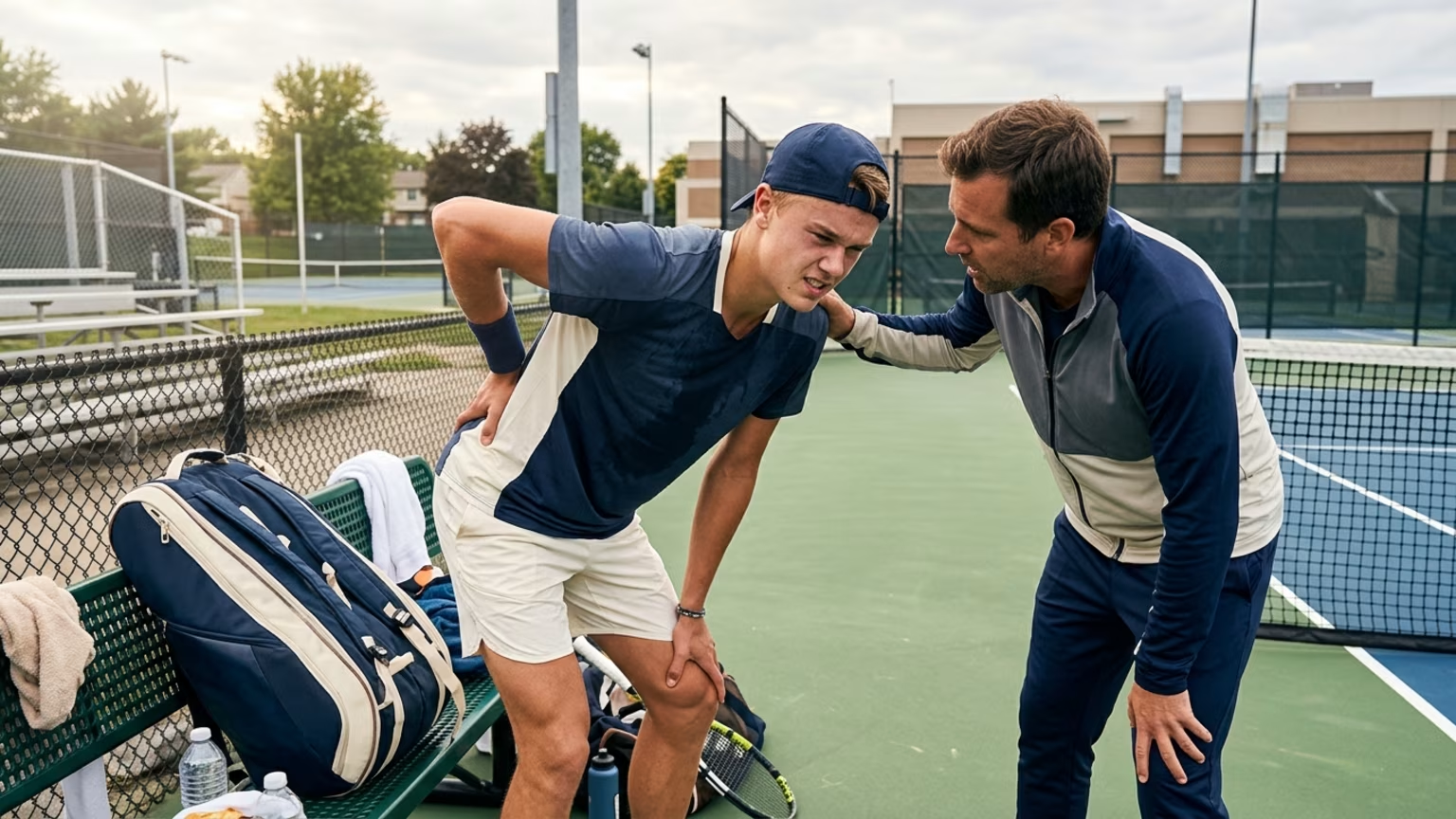
Holger Rune withdrew from the European Open with a back problem. The facts behind his decision and a grounded perspective for recreational players.

A new report outlines padel and tennis gear trends. Learn how to assess adjustable rackets, sensor feedback and smart-court claims.
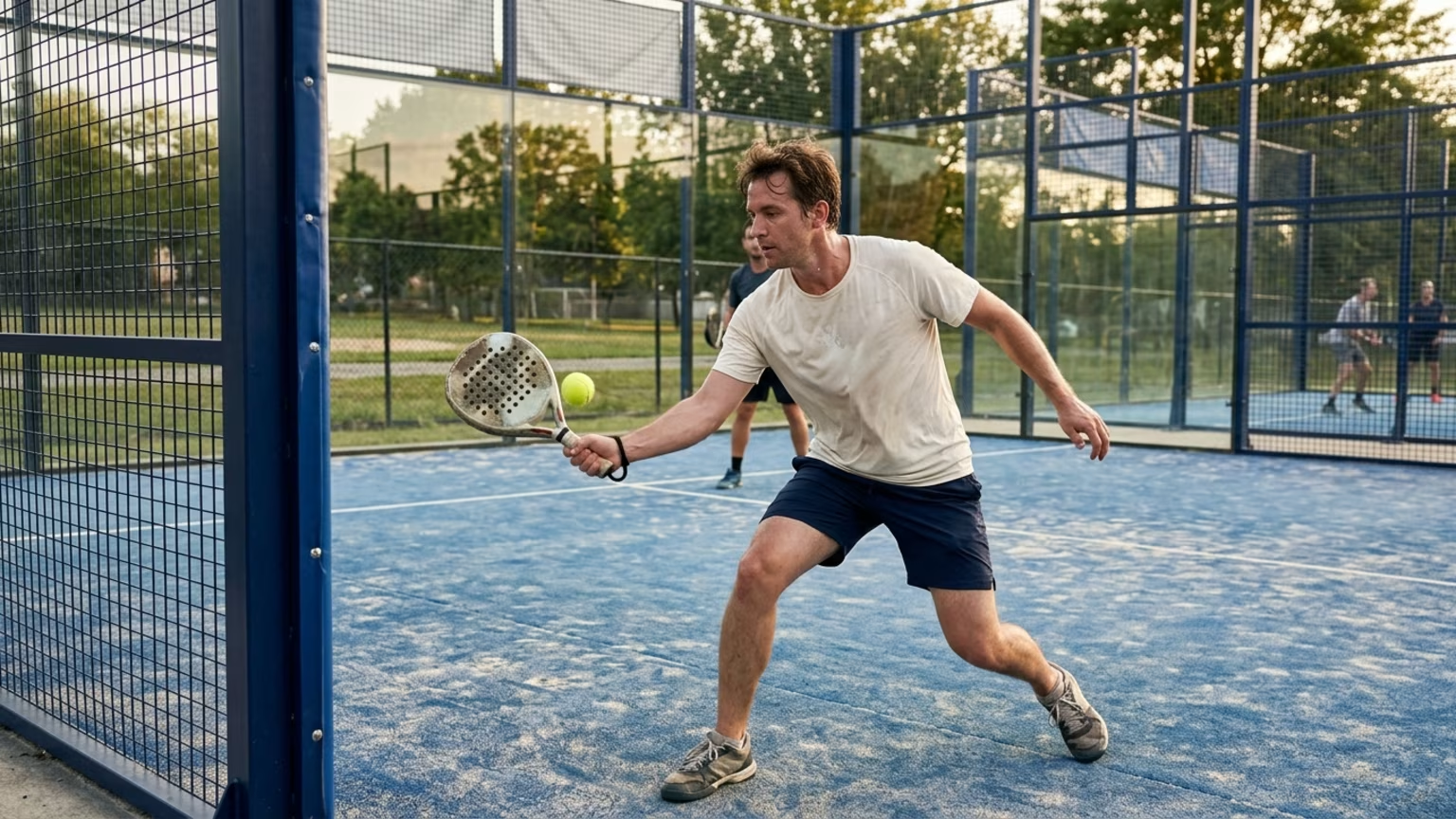
NDTV’s October 16 padel explainer highlights quick direction changes, gradual progression and practical preparation for recreational players.
Read practical guidance for better movement, smarter preparation and a game that keeps working for you.
explore the Blog
