

Carlos Alcaraz's nutritionist Álex Ruiz explains how sleep and nutrition act as essential building materials for injury recovery and athletic longevity.




On September 9, 2026, ABC Bienestar published an interview with Álex Ruiz, Carlos Alcaraz's physiotherapist and nutritionist. The conversation detailed nutrition, injury recovery and sleep. The interview was originally reported as a Diario SPORT conversation conducted before the 2026 US Open. This focus on multidisciplinary care became highly relevant after ABC reported that Alcaraz returned to competition following a 138-day absence due to a wrist injury.
Coverage before his return described the layoff as more than four months. This extended break emphasized uncertainty about whether his wrist would tolerate competition. After returning, Alcaraz said he was concentrating on physical recovery with his team and doing the appropriate things away from the court. He subsequently reported recovering well between matches and finding his physical condition better than expected.
Ruiz argues that nutrition contributes substantially to injury recovery because food provides both the energy and the building material needed during tissue repair. He says rehabilitation after an injury requires specific adjustments to nutrition, food intake and supplementation. These adjustments help injured tissue recover as quickly and as effectively as possible. Ruiz connects these nutritional choices directly to recovery quality and the prevention of future issues.
His stated goal is reducing the risk of the original injury recurring or a different injury developing elsewhere. He stresses that rehabilitation is a comprehensive process that demands adequate resources. When an athlete suffers a setback, their body needs continuous structural support to rebuild damaged areas. Proper fueling ensures that the biological mechanisms required for healing can function efficiently.
Ruiz takes an expansive view of recovery by describing sleep as a form of nutrition itself. He argues that the body carries out repair processes during the night when it enters a more parasympathetic state. He specifically cautions that going to bed later may not be equivalent to obtaining the same number of hours earlier. Delaying bedtime can mean losing part of the vital period of deep sleep.
Ruiz identified mobile phone use and other nighttime technology as a major pre-sleep problem. He believes that using screens before bed can actively undermine the recovery process. Alcaraz's own reported habits include generally avoiding very late bedtimes and using naps to support his routine. This disciplined approach to rest allows elite players to maintain their physical readiness over long tournaments.
Coverage of Ruiz's role portrays it as far broader than simple meal planning. His work extends to hydration, rest, injury prevention and heat management. In a related explanation of pre-match nutrition, Ruiz said the final meal should be simple, easy to digest and not overly heavy. He gives an example such as chicken with rice to combine protein and carbohydrates efficiently.
Alcaraz reportedly favors a relatively light breakfast that might include fruit, toast or eggs. This preference aligns with the overarching strategy of keeping pre-match food familiar and easy to process. Heavy or complex meals can cause gastrointestinal discomfort when an athlete faces high physical demands. Simplicity allows the body to focus its energy on performance rather than digestion.
For adult recreational tennis, pickleball and padel players, the relevant trend is not copying an elite meal plan. The practical message is recognizing that recovery capacity depends on more than court time alone. We must treat recovery days as part of training rather than as wasted time. A player returning from wrist problems should coordinate court work, strength training, nutrition and sleep.
We strongly advise against increasing hitting volume alone when trying to find your previous form. Many amateur athletes assume that rest simply means the absence of exercise. Ruiz's perspective highlights that recovery is an active biological phase demanding specific physiological resources. You should not treat elite athlete comebacks as a rigid recovery guide, but you can adopt their foundational principles.
Our team has seen how systemic habits dictate athletic longevity. I used to think a tough conditioning block was the only way to improve my court endurance. Then I started tracking my sleep. I noticed that on days I slept less than six hours, my reaction time at the net was noticeably sluggish, and I felt gassed by the second set.
Prioritizing consistent rest did more for my late-match stamina than any extra sprints ever did. Recovery is the true foundation of performance for any court athlete. Without adequate rest, our bodies cannot rebuild the muscle fibers broken down during intense lateral movement. Building a reliable evening routine makes a massive difference in how we feel the next morning.
Recreational players should be cautious about reducing food intake during an injury layoff. Reduced training does not automatically mean that the body has no repair-related nutritional needs. It is critical to build meals around adequate overall energy and ordinary nutrient-dense foods before considering supplements. Keep pre-match food familiar and easy to digest, just as Ruiz suggests for professionals.
When we reduce our calorie intake dramatically because we are injured, we might unintentionally stall our healing process. Proper energy availability remains a foundational priority for limiting muscle loss during rehabilitation. Players should seek professional input for persistent pain, unexplained fatigue or major dietary changes. Nutrition and sleep support rehabilitation but cannot substitute for proper medical assessment or ongoing player health monitoring.
Alcaraz returned to competition after 138 days away from the court. The available reporting does not establish that this specific nutrition approach single-handedly caused his successful return. However, broader scientific sources support this emphasis on sufficient fuel for recovering athletes. The updated International Olympic Committee consensus reviewed more than 170 original research publications regarding energy availability.
This consensus describes low energy availability as capable of affecting bone health, immunity, protein synthesis and athletic performance. The IOC guidance applies to both male and female athletes across various sports. A successful return to competition requires progressive adaptation rather than an immediate return to high-intensity play. Feeling better after a few light practice sessions is not the same as demonstrating that injured tissue can tolerate tournament conditions.
The British Journal of Sports Medicine athlete sleep consensus recommends avoiding ongoing risks to sleep. It also strongly promotes establishing positive habitual sleep behavior. That consensus supports treating sleep as a regular recovery behavior rather than relying only on occasional extra rest after a hard match. This aligns nicely with prioritizing recovery and lifestyle choices outside the lines.
The scientific recommendations emphasize consistent sleep behavior and reducing avoidable disruption rather than prescribing one universal routine. We can all focus on creating an environment that supports deep rest. A quiet room, a cool temperature and zero screens can dramatically improve our nightly recovery metrics. Small environmental changes often yield significant improvements in our morning readiness.
Looking ahead to the next season, expect elite racquet sports to continue moving toward multidisciplinary recovery systems. The conversation will likely shift further away from isolated technical practice and toward comprehensive workload management. We expect to see more coaches and players discussing how hydration, sleep monitoring and travel planning integrate with daily routines. These broader conversations help normalize the idea that off-court choices directly impact on-court results.
For adult players, this evolution reinforces the necessity of viewing recovery habits as equal partners to on-court drilling. Building a resilient foundation through ordinary, consistent recovery practices will remain the most dependable path forward. Understanding these principles is central to maintaining good court life and better play throughout a long recreational season. Treating your body with respect between sessions ensures you can keep stepping up to the baseline with confidence.
Follow Evercourts for practical insights on tennis, pickleball and padel performance, movement, recovery and healthy ageing. Stay connected for new articles, research-led guidance and ideas to help you play well and keep playing for years.


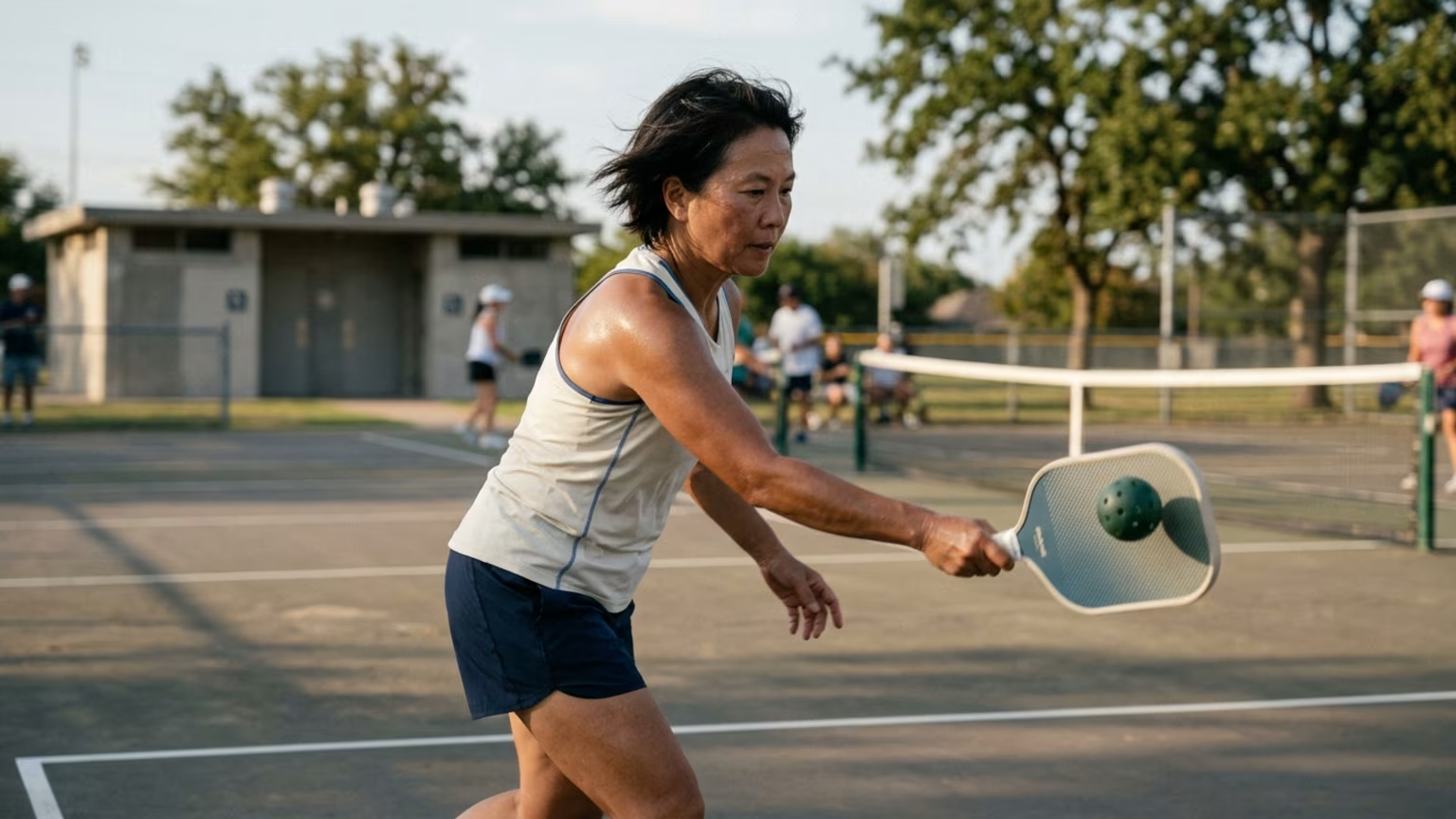
A recent live-play test of a silent pickleball highlights its value for practice, but standard balls still perform better for match play and power control.

An evidence check on sports supplements like tart cherry juice. Learn why racquet sports players should prioritize core nutrition over functional foods.
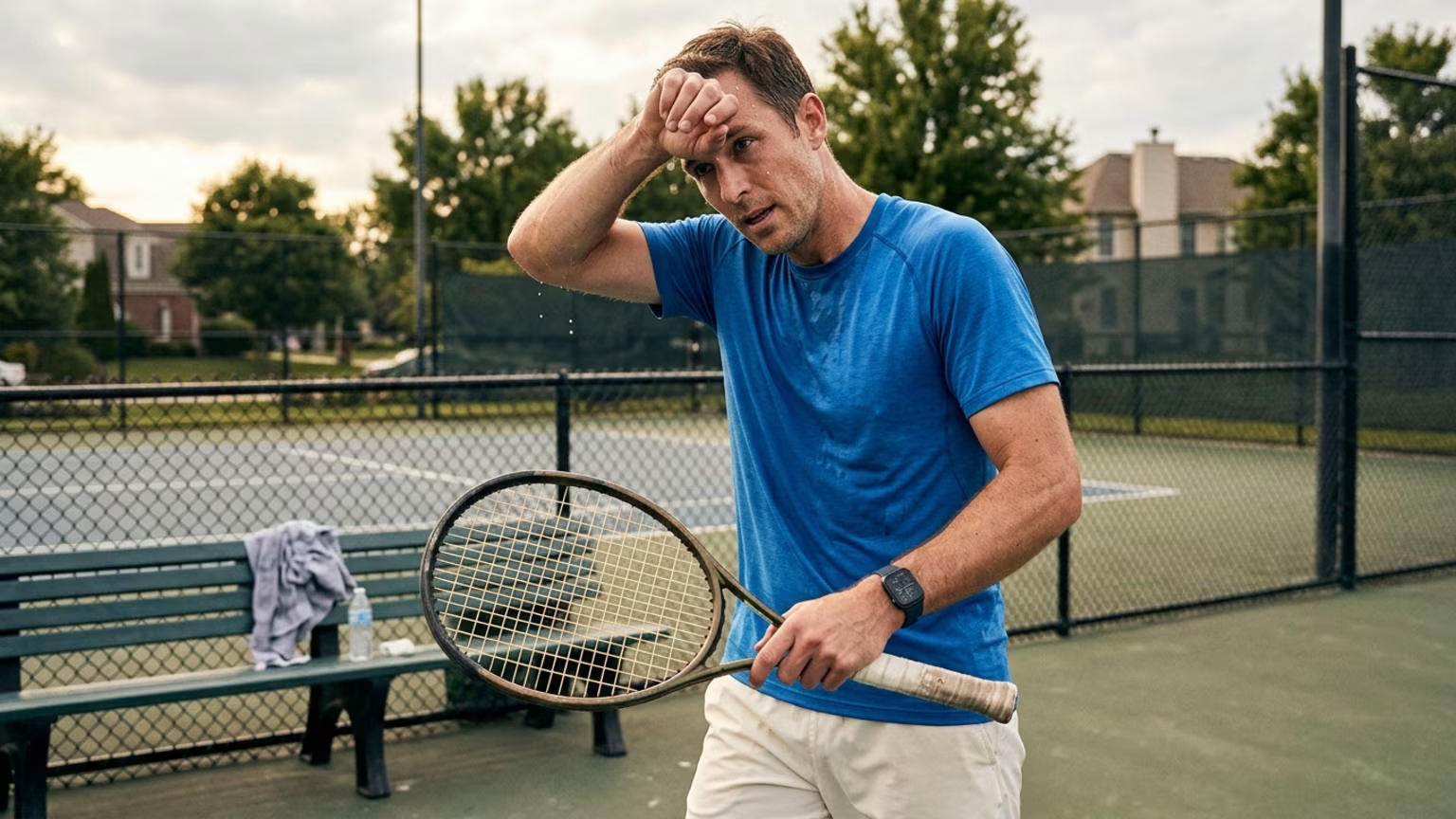
In late 2026, Oura analyzed wearable data to see how recreational tennis impacts heart health and recovery. Learn what this means for your athletic longevity.
Read practical guidance for better movement, smarter preparation and a game that keeps working for you.
explore the Blog
