

Compare multi-sport racquet clubs by court access, booking rules, social play, coaching and shared-space expectations before joining.




How do I find a multi-sport racquet club that fits my game? Choose a club whose confirmed court access and booking rules match your preferred mix of social play, coaching and competition.
Start with access, not the club's name. A venue can advertise several sports while offering different booking arrangements for each. For Evercourts, the useful question is whether the membership covers the games you actually want to play.
The evidence here consists of venue descriptions, membership listings and an industry release. These show specific facilities and policies rather than independently verified quality or universal rules for access and etiquette.
PGA National Resort in Florida lists 16 tennis courts and 12 pickleball courts, along with two Pop Tennis courts. It also describes coaching, open play and leagues alongside social events. That example covers several sports, but a player seeking padel still needs to confirm padel access separately.
An industry release from Bobby Jones Links describes a different arrangement at Hope Valley Country Club. It reports three dedicated pickleball courts and a tennis court marked for pickleball that adds two more courts for larger events.
Before joining, ask:
If a club uses shared courts, ask whether the layout changes for ordinary sessions or only for larger events. Then confirm who publishes those changes and where you will see them before arriving.
Ask to see these answers together. A list of courts tells you what exists; the membership terms and calendar tell you what you can use.
If one sport is your main priority, assess that access first. A secondary sport is a useful option only if its available times work for you.
The practical test is to look at availability during your usual playing hours. A quiet weekday visit will not answer much if you expect to play after work or on weekends. Visit at a relevant time and compare the published schedule with what is happening on site.
On Playtomic, The Racquet Collective's membership listing describes social, competition and group-play sessions. It also states a limit of two bookings per day and one active booking at a time, with bookings subject to availability.
Use that example to identify the details you need from any club, rather than searching for the same booking cap everywhere. A clear rule is useful because you can work out how it fits your plans.
Ask staff to show you the booking process for the sport you will play most. Look at a normal session and one affected by organised programming. That makes the conversation concrete: you are assessing usable access rather than an abstract promise of flexibility.
Then ask the question that matters to a player using more than one sport: can you reserve each activity through the same membership and system? Do not leave this as an assumption based on the venue's name.
If the club hosts leagues or tournaments, check how those dates affect ordinary court access. Comparing them with your wider competition plans keeps the decision focused on the calendar you intend to follow.
Start by deciding what you want most from the club. Regular games with familiar players are a different priority from structured coaching or organised competition. Thinking about the playing style you want to develop can make the programme comparison more specific.
Ask for a current calendar rather than relying on a list of possible activities. Check the session level and booking process for each format that interests you. If you are new to a sport, ask how the club helps you find an appropriate starting group.
PGA National Resort describes adult tennis drills and clinics alongside private instruction and group lessons. Its published options also include round robins, leagues and USTA adult and senior teams.
For a tennis player, that makes useful comparison categories: instruction, informal organised play and team competition. Ask which of these are actually running at the times you can attend. A club with plenty of team play may not be the right match if your main aim is regular lessons.
PGA National Resort also lists pickleball coaching and open play. Those are distinct offerings worth checking separately rather than treating every organised session as interchangeable.
If social games are your priority, ask how open play works and how newcomers find suitable groups. If you want instruction, check whether coaching is available at your level. Also ask whether your preferred session uses dedicated courts or shared space.
A club-directory listing for Padel at Mad Swans in the Mendips describes padel and pickleball at one site. It lists daily ability-matched padel social sessions and weekly rotating-partner formats at different levels, along with padel coaching and reservations through Playtomic.
For padel, ask how the club assigns players to social sessions and how partner rotation works. Confirm the coaching options and how you join a session. If you also play tennis or pickleball, check those activities separately rather than assuming the padel programme describes the whole venue.
Across all three sports, the best comparison is your preferred week of play against the club's actual calendar. Keep the focus on available sessions rather than the longest programme list.
Ask the club to explain its own expectations before joining. The useful issue is not whether tennis, pickleball or padel deserves priority. It is whether players understand how booked time and shared areas are managed.
Keep the questions neutral and practical. Clear answers let you assess the arrangement without turning the visit into a debate about which sport belongs there.
During your visit, watch whether newcomers can find their session and whether the schedule matches court use. Ask how players get help when they cannot find a suitable game. These observations make the club's description easier to compare with the experience you want.
The right multi-sport club is one where access is understandable and the programme fits how you want to play. Over time, a familiar court and a workable routine can matter more than the number of sports on the sign.
Follow Evercourts for practical insights on tennis, pickleball and padel performance, movement, recovery and healthy ageing. Stay connected for new articles, research-led guidance and ideas to help you play well and keep playing for years.


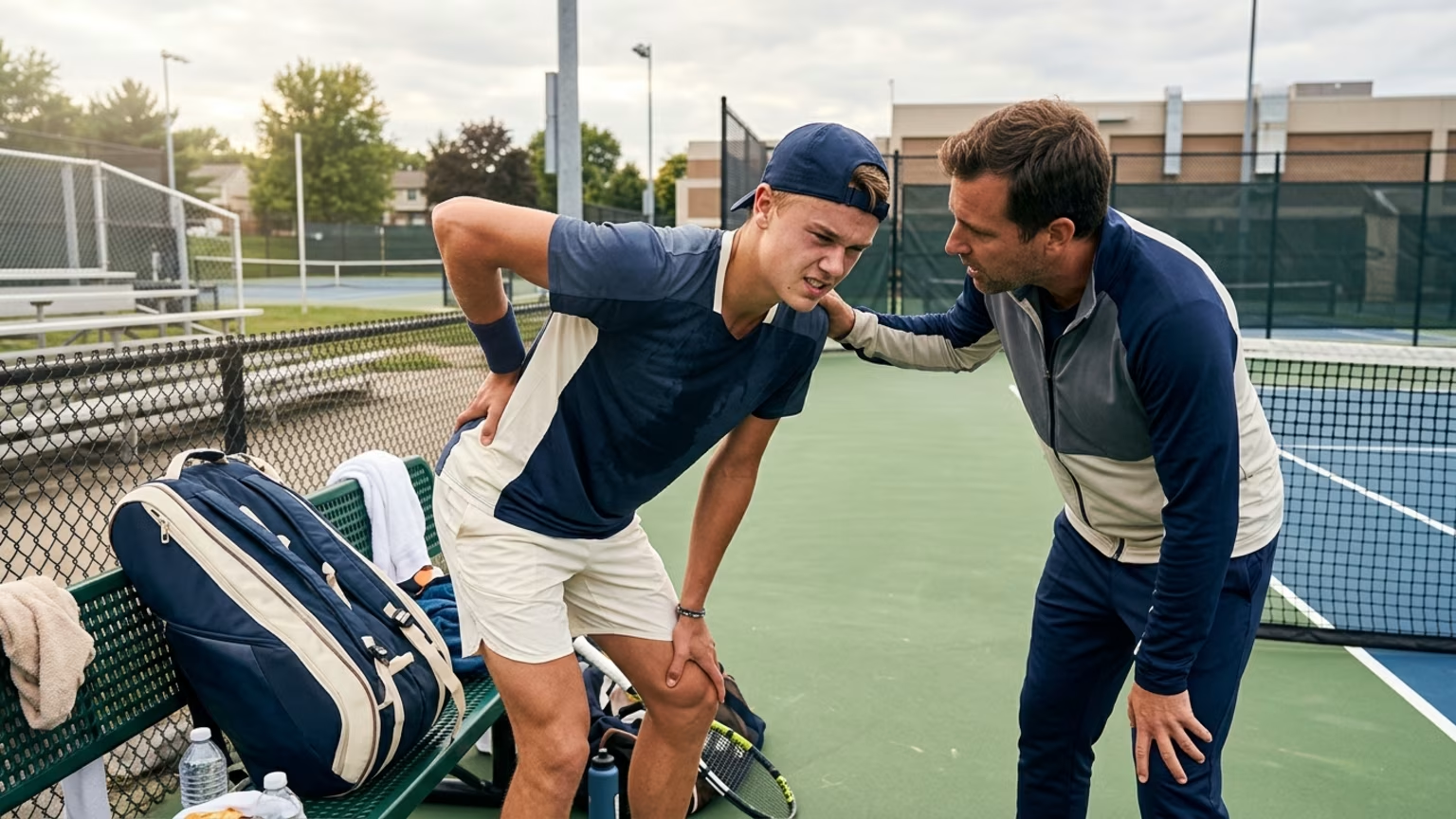
Holger Rune withdrew from the European Open with a back problem. The facts behind his decision and a grounded perspective for recreational players.

The Dink’s October 17 guide emphasizes deep returns, ball-height decisions and positioning against faster pickleball opponents.

A new report outlines padel and tennis gear trends. Learn how to assess adjustable rackets, sensor feedback and smart-court claims.
Read practical guidance for better movement, smarter preparation and a game that keeps working for you.
explore the Blog
