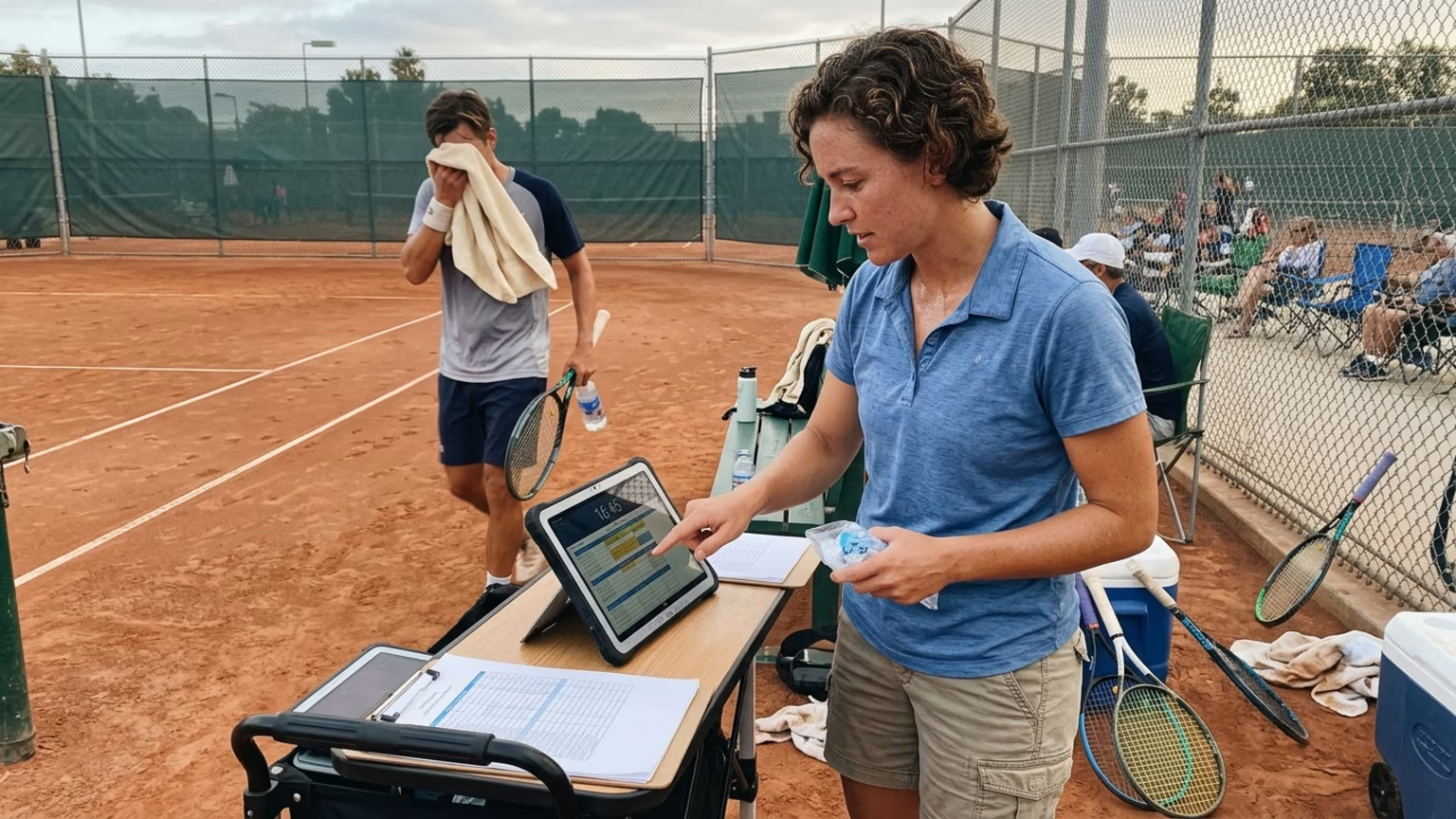

Learn how to build a sustainable racquet sport tournament calendar. Manage your physical load, balance court time, and maintain strength for lifelong play.




The 2026 World Tennis Masters 30 & 35 Team Championships schedule round-robin matches from Sunday through Tuesday, followed by quarterfinals, semifinals, and finals from Wednesday through Friday. This dense format shows how competitive stress accumulates rapidly across consecutive days. Managing this continuous load requires precise planning and realistic expectations.
"How do I play a full tournament calendar without breaking down?"
You must manage your total physical load by balancing court time with strategic recovery and foundational strength work.
Recreational players often ask how many matches they should accept in a single weekend. The answer lies in understanding how repeated physical efforts tax your musculoskeletal system. We consistently remind evercourts readers that adult competitors need strict boundaries on court time. For example, USTA adult tournament regulations generally limit players to no more than two singles matches or three doubles matches in one day.
There is a notable exception to this rule. A player entered in both singles and doubles may be required to play two singles and one doubles match. When you plan your season, you must respect these daily biological limits. Pushing past a reasonable match volume increases your risk of lingering joint pain.
A smart competitor evaluates an event based on its expected match exposure. Entering fewer divisions often leads to better performance and a much faster recovery period. You should resist the temptation to sign up for every available bracket. This disciplined approach protects your joints and keeps your movement sharp.
Instead of playing every possible event, you should categorize your tournaments by priority. Select one or two major competitions where you truly want to peak. Fill the rest of your calendar with lower-stakes matches to test new tactics. This simple strategy helps you avoid burnout during the season while maintaining your enthusiasm.
Another frequent question asks if daily life stress affects tournament readiness. The answer is an absolute yes. A demanding week at work alters your physical capacity on the court. Medical professionals recognize that lifestyle factors directly impact athletic recovery.
The International Olympic Committee consensus treats load management as a continuous process. It involves the prescription, monitoring, and adjustment of both training and non-training stressors. Adult players must account for long commutes, poor sleep, and family duties. These everyday factors drain your energy just as much as a heavy practice session.
If you travel long distances for a tournament, you add physical stiffness to your baseline load. Sitting in a car or airplane restricts your mobility and tightens your hips. A sustainable plan requires you to adjust your scheduled court time when life becomes overwhelming. You should never force a high-intensity session when you are already exhausted.
You must track how you feel after your intense competitive matches. Monitoring your sleep quality and muscle soreness provides reliable feedback about your current recovery status. When your real-world week is chaotic, you should proactively reduce your practice volume. This simple habit helps you manage your training load effectively and prevents prolonged fatigue.
Many players wonder if a tennis training schedule works for padel or pickleball. While the underlying movement patterns overlap, the actual tournament formats vary significantly. Each sport places unique timing pressures on your recovery windows. You must tailor your rest periods to the specific demands of your game.
In team tennis competitions, the physical requirements are highly structured. During official events, each tie consists of two singles and one doubles match. Singles are best-of-three tiebreak sets, while doubles use two tiebreak sets and a 10-point match tiebreak. This format demands extended endurance and requires significant rest between event days.
Pickleball events typically feature shorter matches but much more frequent play. Pickleball tournament-planning guidance recommends at least one match-slot break between pool matches. Planners also advise additional recovery before semifinals and finals. The same guidance suggests more rest for singles matches and longer breaks in hot weather.
Tournament organizers also warn against overlapping matches for players entered in multiple pickleball divisions. Padel tournaments require a completely different approach to court time management. One tournament-planning guide recommends allowing approximately 45 minutes to 1 hour 15 minutes per match. Planners must also build additional schedule slack for inevitable delays.
Because of these structural differences, you cannot copy a tennis schedule directly into a padel season. You must adjust your weekly racquet sports schedule based on your specific sport. Planning generous buffers between your matches ensures you step onto the court fully prepared.
Competitors frequently ask if they should stop lifting weights during the active tournament season. Maintaining your foundational strength is absolutely essential for athletic longevity. You should never completely abandon your physical conditioning to make room for more match play. General physical activity keeps your joints resilient and your muscles responsive.
Public health guidelines emphasize the importance of consistent physical conditioning. UK government guidance recommends at least 150 minutes of moderate activity or 75 minutes of vigorous activity weekly. These guidelines also advise completing muscle-strengthening work on at least two days per week. You should view these clear recommendations as a baseline for maintaining robust physical health.
For older adults, incorporating balance exercises helps reduce the risk of frailty and falls. Your competitive play should complement your weekly strength routine rather than replace it entirely. During a heavy tournament block, you might need to shorten your gym sessions slightly. You can lower your lifting volume to avoid excessive soreness while preserving your structural integrity.
Consistent strength work ensures you remain physically capable on the court year after year. Skipping your gym sessions might save time today, but it sacrifices your future durability. A well-rounded physical routine provides the stability required to handle aggressive changes of direction. This balanced approach protects your body from the unpredictable forces of competitive play.
Building a reliable tournament calendar ultimately comes down to respecting your body and planning with intention. By treating recovery and strength training as non-negotiable components of your schedule, you ensure that competing remains a rewarding part of your life for decades.
Follow Evercourts for practical insights on tennis, pickleball and padel performance, movement, recovery and healthy ageing. Stay connected for new articles, research-led guidance and ideas to help you play well and keep playing for years.


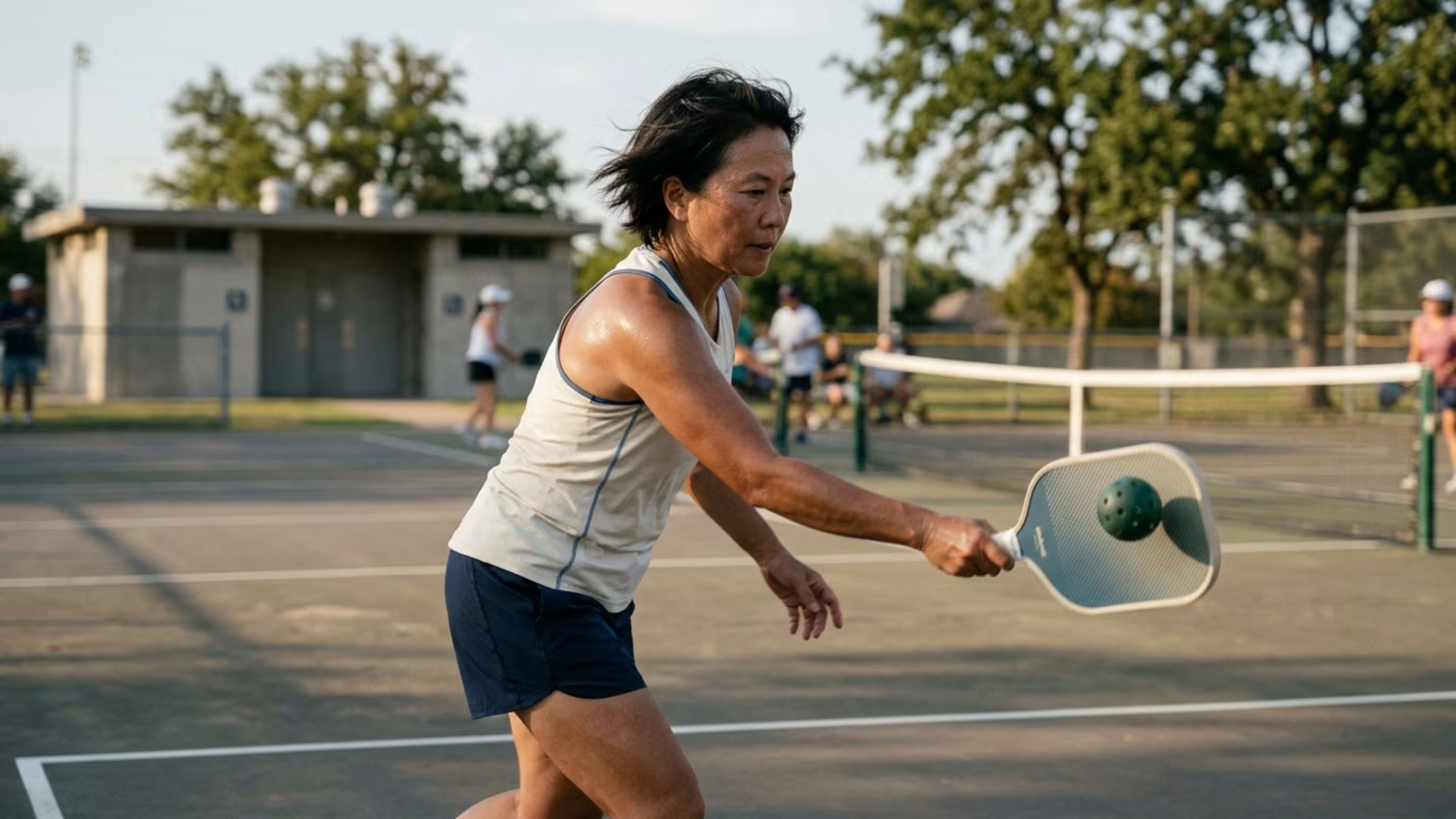
A recent live-play test of a silent pickleball highlights its value for practice, but standard balls still perform better for match play and power control.

An evidence check on sports supplements like tart cherry juice. Learn why racquet sports players should prioritize core nutrition over functional foods.
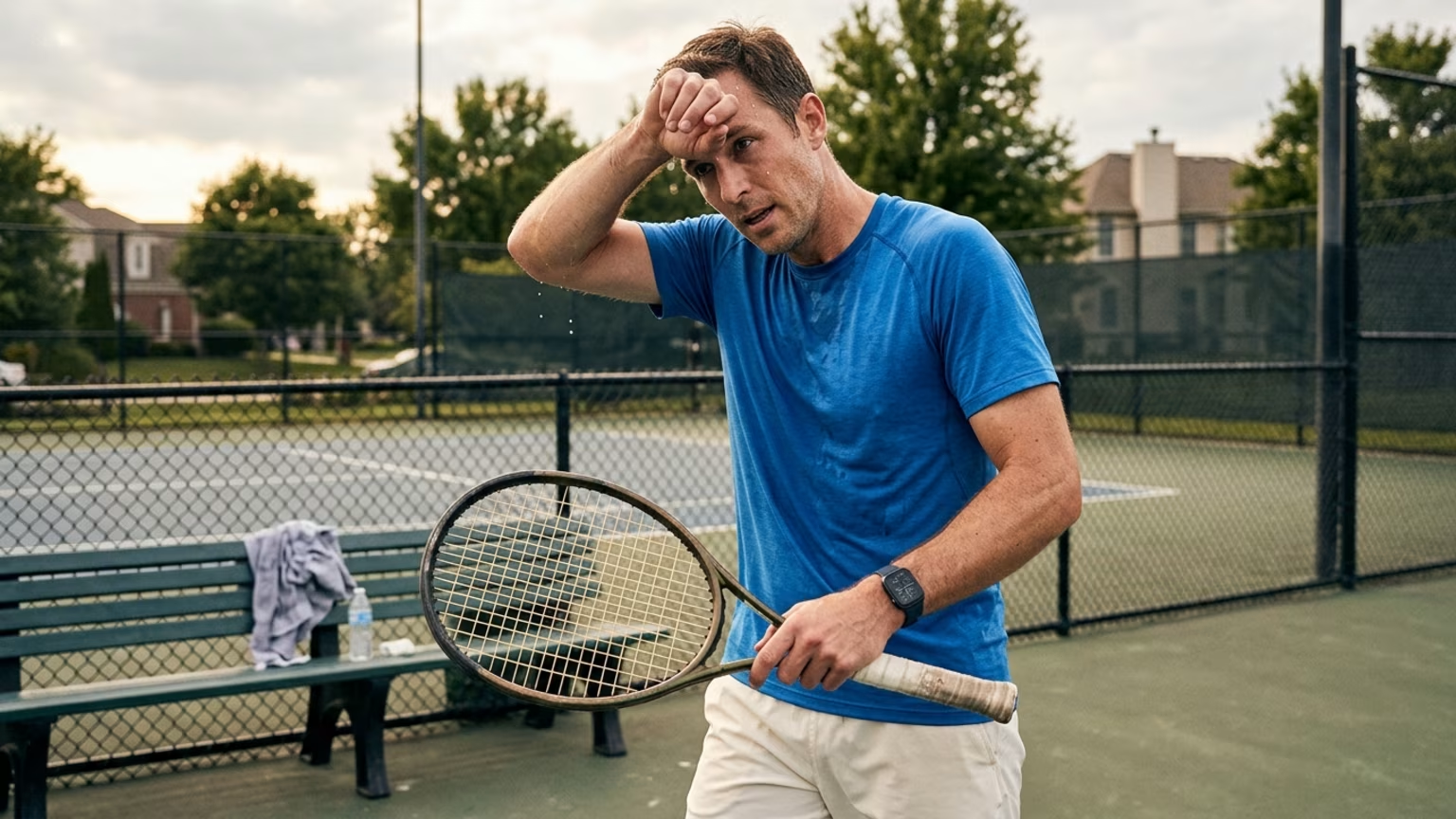
In late 2026, Oura analyzed wearable data to see how recreational tennis impacts heart health and recovery. Learn what this means for your athletic longevity.
Read practical guidance for better movement, smarter preparation and a game that keeps working for you.
explore the Blog
