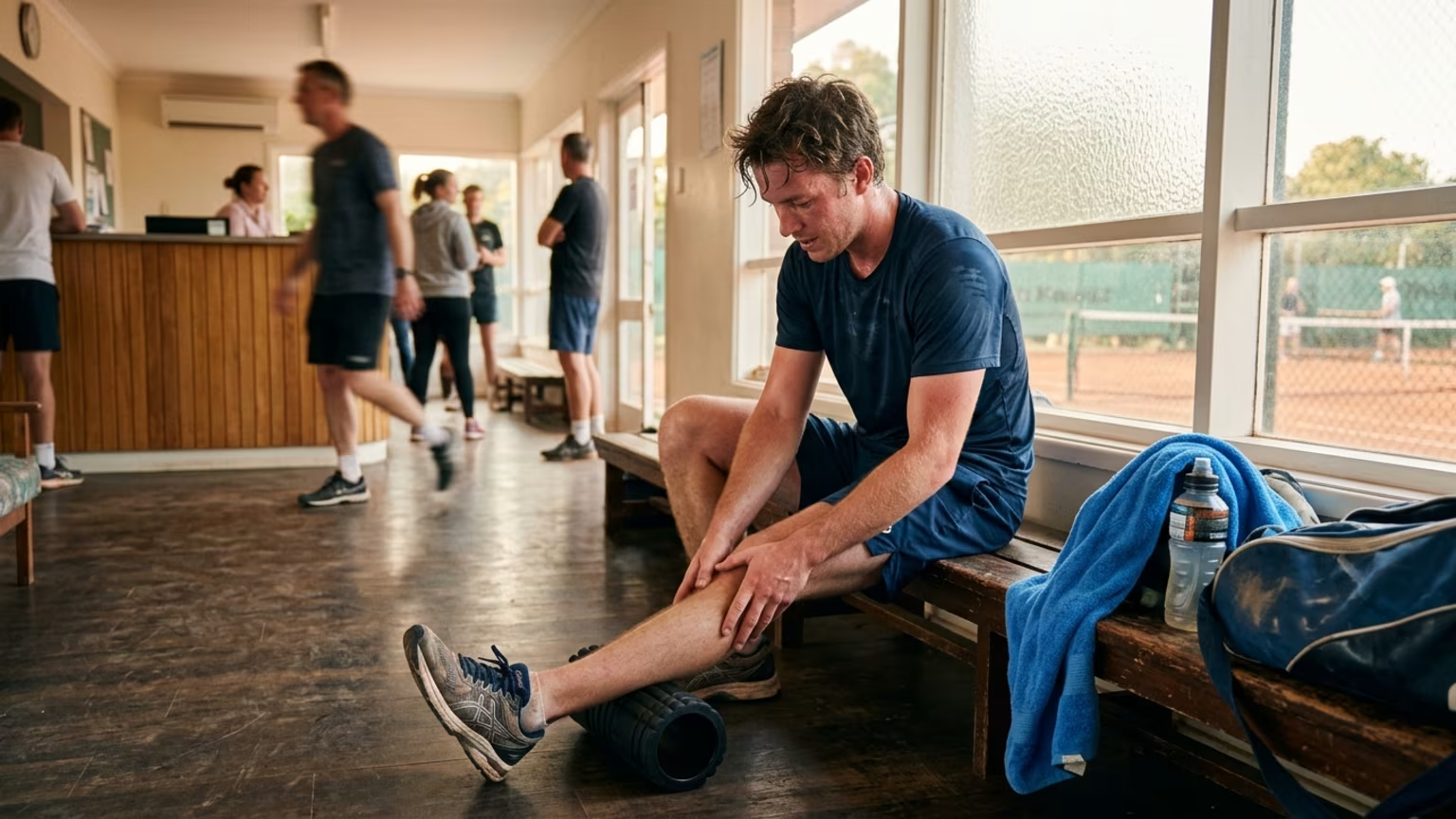

Build a practical post match recovery plan for tennis, pickleball, and padel players. Learn how to manage hydration, nutrition, and sleep for healthy aging.




The trunk slams shut on the gear bag. The parking lot is quiet, and the immediate heaviness of a tough match settles into the legs. The drive home is usually spent mentally replaying missed volleys. This quiet window is exactly where the most critical phase of physical readiness begins.
You have heard it a million times: you must consume a specialized recovery shake within thirty minutes of finishing your match. Here is why that is outdated. Current evidence most consistently supports adequate food intake alongside appropriately replacing fluids and sodium. You must also prioritize sleep, distribute protein across the day, and use carbohydrates when another demanding session is close.
The idea of a strict time limit for nutrient absorption made sense to players trying to maximize their results. Racquet sports demand rapid changes of direction, leaving muscles depleted and players desperate for a quick fix. Supplement companies provided a convenient narrative that a single drink could solve the problem instantly. It is easy to understand why busy adult players adopted this rule.
The promise of a shortcut is always appealing when you feel exhausted. Players want to maintain athletic longevity without complicating their schedules. Buying a specific product feels like taking control of the situation. Marketing campaigns successfully turned ordinary fatigue into a problem requiring a commercial solution.
However, the science points to a much more sustainable approach. Real readiness comes from consistent daily habits rather than isolated interventions. Relying on an expensive powder or a vibrating gadget can give a false sense of security. It distracts players from the fundamental practices that actually matter.
The reality of restoring physical readiness is far less frantic than older advice suggests. The right plan depends heavily on what comes next on your schedule. A 2026 systematic review reported that no recovery modality outperformed passive recovery for delayed onset muscle soreness, creatine kinase, or sport-specific performance across the outcomes examined. Expensive gadgets and immediate shakes do not automatically beat rest and food.
Guidance summarized in the available sports nutrition material recommends repeating protein containing meals or snacks every few hours instead of concentrating all protein in one single shake. Your muscles repair themselves steadily over time. This makes your overall daily eating pattern much more important than any immediate snack. Your body requires consistent support instead of a sudden overload of nutrients.
Furthermore, sports supplements generally lack robust safety evidence across the category. Relying entirely on powders and pills is often unnecessary and potentially unreliable. True readiness is built by managing your workload and eating regular balanced meals. The focus should always return to the foundational habits that support joint and muscle health.
One of our editors notes, "I remember finishing a tough two hour padel match on a cold Tuesday night and waking up the next morning feeling like my lower back was locked in concrete. For a long time, I just accepted this as the price of playing hard in my forties. But once I started spending just ten minutes on targeted hip mobility before heading to the club, the stiffness almost completely vanished. It taught me that we do not have to accept pain as a default state of aging."
This realization changes how we approach the hours following a match. Sensible management of your body yields better results than forcing an intense regimen.
Once the match ends, start by walking easily for a few minutes. This allows your heart rate to drop gradually and keeps blood moving through tired muscles. If you want a structured plan, a consistent routine makes a huge difference for staying ready. Assess yourself for any unusual pain or severe dehydration.
Begin replacing fluids steadily without forcing massive amounts of water all at once. If you sweated heavily, appropriately replacing fluids and sodium is a clear priority. Carbohydrate timing is crucial when your next session is soon. When recovery time is short, a practical target is 1.0 to 1.2 grams of carbohydrate per kilogram of body mass per hour during the first four hours.
For a 70 kilogram player, that equals approximately 70 to 84 grams per hour during that short recovery period. If you do not have another match the same day, a normal balanced meal is typically sufficient. You do not need to force aggressive carbohydrate intake after a casual hit. Simple foods like rice, potatoes, or fruit work perfectly well.
Protein rebuilds damaged tissue, but it does not need to be consumed immediately on the sideline. One practical range is 20 to 40 grams of quality protein at the next meal, scaled to body size and the work performed. Spread your intake throughout the day. Eggs, yogurt, or fish are excellent choices for adult players.
Finally, protect your sleep at all costs. Keeping a cool bedroom and avoiding late night match debriefing will significantly improve your ability to rest. The body does its best repair work while you are fully asleep. A solid night of rest is your most powerful tool for ensuring you feel fresh.
It is tempting to collapse onto the couch after a demanding tournament day. However, a light walk can help you transition out of a competitive state. Choose comfortable mobility exercises that do not increase pain or fatigue. Simple shoulder or hip movements can keep joints feeling loose.
You should not try to force a second workout or push through sharp joint pain. Listen to your body and stick to gentle movements. This is often more effective than doing nothing at all when dealing with normal muscle fatigue. Focus on comfort rather than forcing aggressive stretching.
A casual hit with friends is very different from a long tournament weekend. For a routine session with no match the next morning, drinking to thirst and eating a normal meal is generally fine. You should perform only comfortable mobility and prioritize a normal night of sleep. There is little justification for automatically buying a specialized recovery drink after every recreational session.
A tournament day introduces much higher physical demands. After several matches or a long singles battle, you must begin rehydrating promptly. You need to use a carbohydrate rich meal or snack soon after the final match. The shorter the time until your next demanding effort, the more valuable deliberate nutrient replacement becomes. This is when planning your fluid intake really pays off.
Products like compression garments, massage devices, and electrolyte powders can be convenient in specific circumstances. A powder can be useful when you have no appetite or cannot easily access a meal. An electrolyte drink can be highly practical during an exceptionally hot tournament. Convenience is a legitimate benefit, but it is not the same as proven superiority.
These items should not be treated as inherently superior to ordinary food, water, and rest. High value habits include consistently drinking before, during, and after long or hot play. They involve including protein at the next meal and actively protecting your sleep environment. These actions align directly with the strongest recurring themes in the scientific evidence.
A proper post match routine also involves knowing when to stop treating your condition as normal fatigue. You must seek medical assessment immediately if you experience dizziness, severe nausea, unusual weakness or a persistent headache. Chest pain or sudden confusion are reasons to bypass the kitchen entirely and call a professional. You cannot solve severe dehydration or heat illness with a standard snack.
Even guidance on concussions now distinguishes light daily activity from strict prolonged rest. However, this always requires clinical oversight when symptoms are present. Persistent swelling, sharp joint pain, or limping should never be ignored. Diagnosing an acute injury as routine soreness is a quick way to lose months of court time.
Players managing specific health conditions must also individualize their approach. If you have kidney, heart, endocrine, or blood pressure issues, ask a clinician about appropriate fluid and sodium choices. The standard estimates do not apply universally to everyone. Safe recovery requires working within your own medical context rather than following a general checklist.
The New Golden Rule: True recovery is built on a continuous daily pattern of adequate nutrition, sensible movement, and prioritized sleep, not a frantic race to consume supplements in the locker room.
Evercourts remains committed to helping you play smarter and maintain your capabilities. Keep the basics strong, listen to your body, and we will see you back on the court.
Follow Evercourts for practical insights on tennis, pickleball and padel performance, movement, recovery and healthy ageing. Stay connected for new articles, research-led guidance and ideas to help you play well and keep playing for years.


Holger Rune withdrew from the European Open with a back problem. The facts behind his decision and a grounded perspective for recreational players.

The Dink’s October 17 guide emphasizes deep returns, ball-height decisions and positioning against faster pickleball opponents.

A new report outlines padel and tennis gear trends. Learn how to assess adjustable rackets, sensor feedback and smart-court claims.
Read practical guidance for better movement, smarter preparation and a game that keeps working for you.
explore the Blog
