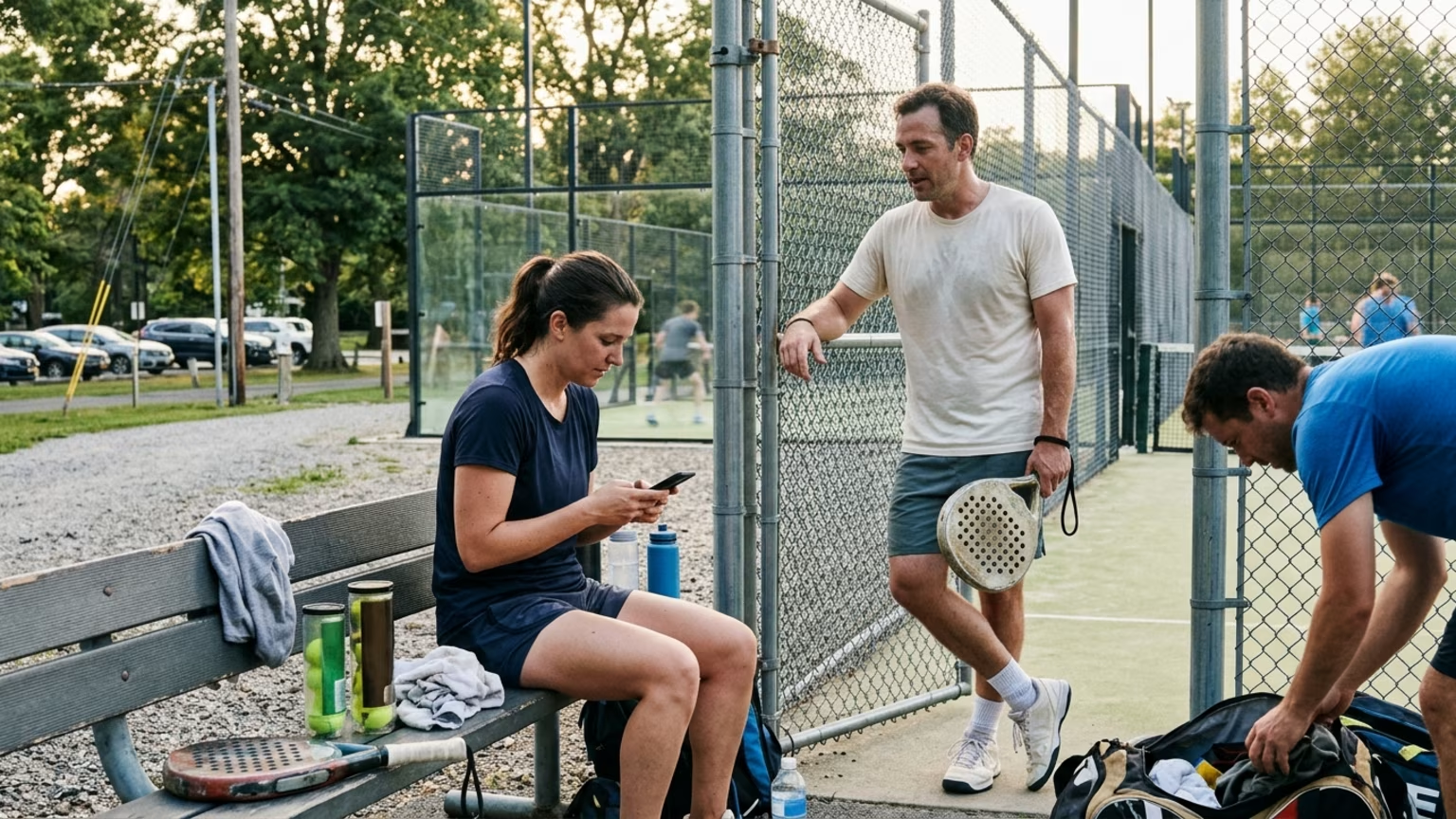

Build up your padel week by tracking match length and effort, then make small changes based on how you respond.




Padel matches produced mostly moderate physiological responses in a 2022 systematic review summarized in a padel fitness guide, but players rated their effort from moderate to fairly high.
A padel match is not one continuous effort. Bursts of activity and changes of direction are broken up by pauses. The overall response can be moderate without every rally feeling that way. The hard points still count when you look back on what the match asked of you.
That matters when you’re new to padel or coming back after time away. A calendar can tell you how often you played, but it can’t tell you whether those bookings felt alike. A manageable match and a match that repeatedly pushed your pace both take up a slot. They give you different information about what you’d be adding to if you booked more court time.
It’s worth separating the pace of play from the length of the outing. A prolonged match can be a substantial session even if the pace feels moderate for much of it. If you’re more tired at the end than the pace led you to expect, account for that instead of filing the match away as an easy outing.
The review also reported that distance covered and movement speed varied by playing standard. Distance describes how much ground players covered. Speed describes how quickly they moved. Perceived effort answers a different question: how demanding did the match feel to the person playing it?
Those measures are useful together because they keep you from giving any of them too much weight. How fast a match looked doesn’t tell you how hard it felt. And a distance reported for players at a different standard isn’t a target to match on your own court. The useful comparison is with the kind of play you’ve been doing recently.
For planning purposes, start with the time you actually spent playing rather than only the time you booked. Then put that duration beside your impression of the effort. A long match at a manageable pace and a shorter match that felt demanding are worth describing in different terms. That’s more useful than putting both down as simply “played padel.”
The review’s findings on distance, speed and effort describe padel. They don’t establish whether a padel match is more or less demanding than a tennis or pickleball session, or give you a way to trade playing time across the three sports.
There’s still a practical comparison you can make. If padel joins a week that already includes tennis or pickleball, notice whether it adds to the week or replaces something. A swap may leave the booking count unchanged while giving the week a different mix of demands. An extra outing is an addition even if the rest of your schedule stays the same.
Use the same questions for each outing: How long did you play? How hard did it feel? Was that typical of the sessions you’ve played recently? Looking at session format and movement demands gives you a better starting point than assuming the sport’s name tells you how much effort the booking will take.
A padel injury prevention guide reports that it found no published trial testing a padel-specific prevention program. A separate padel training guide presents its sample week as a practical proposal rather than a plan tested in a study. The evidence doesn’t establish an ideal match count or a mandatory rest interval. Building gradually is a way to manage workload, not a proven way to prevent injury.
Start from the week you’ve actually been playing. If you’re new to padel, get a sense of how your current outings feel before filling more openings. If you’re returning, use your recent play as the reference rather than the schedule you kept before the break. Your old week may be something to work back toward, but it doesn’t have to be the starting point.
When you’re ready to change the week, make a small change you can recognize. If you want to play more often, keep the pace of the added outing familiar rather than making it a harder match as well. If you want to try a more demanding match, keep the rest of the week familiar. Either approach makes it easier to tell what you changed and how you responded.
Before your next booking, take a moment to look beyond the time on court. Note how long your last outing ran, how hard it felt and how you felt afterward. Use that short recap to decide whether to add to the week or repeat the one you’ve just handled.
Follow Evercourts for practical insights on tennis, pickleball and padel performance, movement, recovery and healthy ageing. Stay connected for new articles, research-led guidance and ideas to help you play well and keep playing for years.


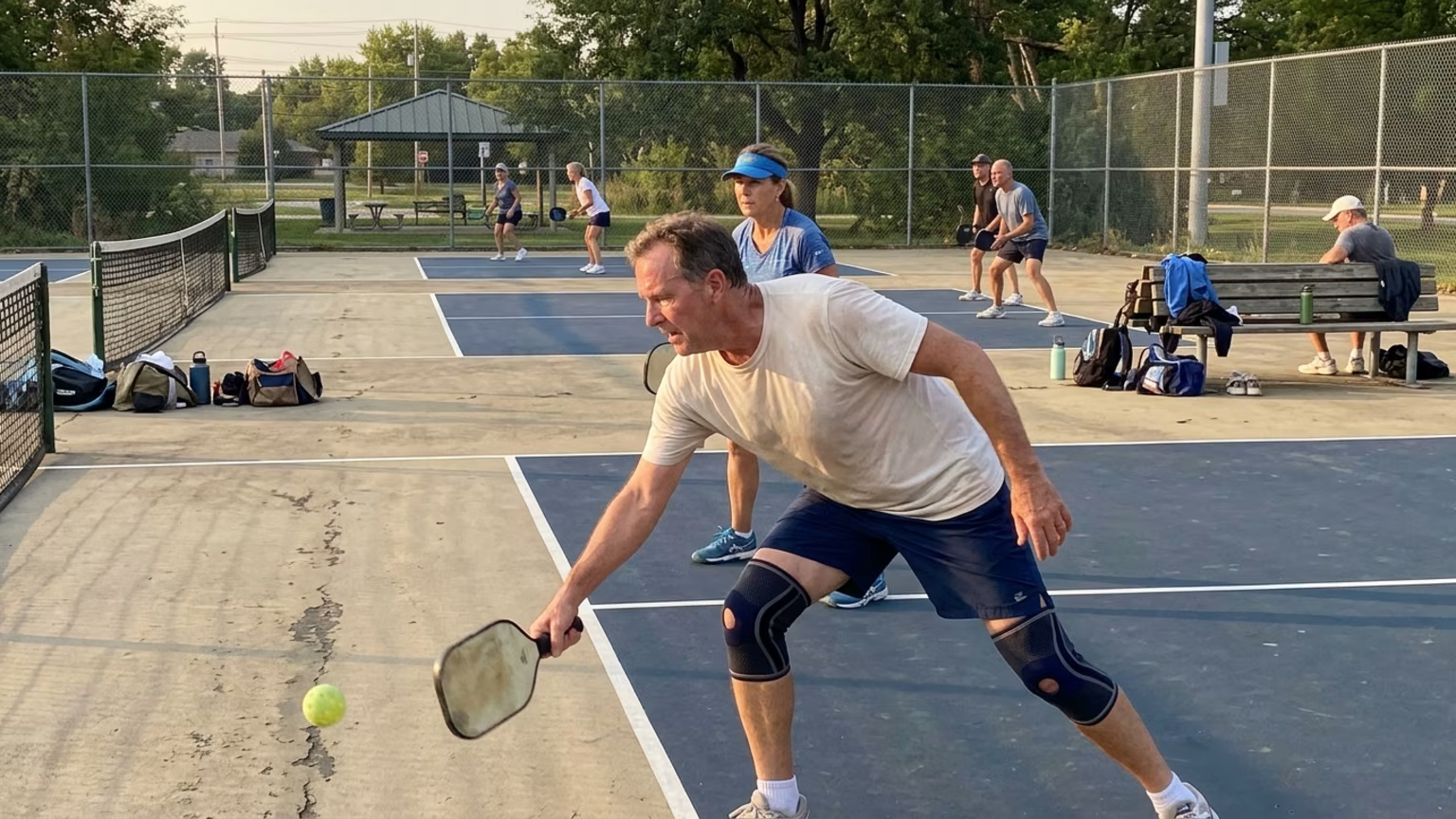
Falls led pickleball and tennis injury cases seen in U.S. emergency departments. Here’s how recreational players can put the findings in context.

Moving from tennis to padel? Keep the compact volley, learn when to use the back glass and see how partner movement and lobs change the point.

Plan a flexible week of racquet sports, strength work and recovery, with adjustments for hard matches, time away and lingering fatigue.
Read practical guidance for better movement, smarter preparation and a game that keeps working for you.
explore the Blog
