

Compare court size, singles and doubles formats, and wall rebounds to choose tennis, pickleball or padel around your preferences and schedule.




Should I choose tennis, pickleball or padel? Choose the sport and session format that match the movement you enjoy, the people you want to play with and the time you can realistically make available.
Not automatically: a smaller playing area does not tell you how hard a particular session will feel. Court coverage matters, but playing intensity and rally length also belong in the comparison. The other players and the format matter too.
A 2026 systematic review of racket-sport interventions in older adults found that the evidence was concentrated in table tennis. No trial directly compared racket sports, and the authors concluded that the available evidence was insufficient to determine whether one sport was superior. That limits the case for naming a universally best sport for healthy aging.
The practical response is to compare actual sessions rather than sport labels. “Tennis” might mean singles or doubles. “Pickleball” leaves that same choice open, while padel's official format is doubles.
Before deciding which option sounds more manageable, consider:
These are practical selection questions rather than a scientific scoring system. They also respect something experienced players already bring to the decision: preferences that may be more specific than wanting an “easy” game.
For Evercourts, the useful starting point is a match between player and session, not a winner's podium for the sports themselves.
Court dimensions give you a concrete starting point. They describe the marked playing area rather than the full space needed around it.
Tennis offers different singles and doubles layouts. Sports Booking Management lists a court length of 78 feet. The width is 27 feet for singles and 36 feet for doubles. Compared with pickleball, that gives tennis a substantially larger marked playing area and makes open-court coverage a useful feature to consider.
For someone choosing a game, the practical question is whether covering that space appeals. It is also worth keeping the format attached to the dimensions: sharing a doubles court is a different proposition from choosing singles.
Pickleball keeps the same footprint for both formats. Sports Booking Management's pickleball dimensions guide gives the court size as 44 by 20 feet for either singles or doubles. Changing format changes how many players share the court, not its marked dimensions.
That makes “smaller court” only the beginning of the description. When considering a session, establish whether it is singles or doubles before deciding how well it matches your preferences.
Padel adds an enclosed playing environment. A beginner's guide to padel describes the enclosed court and the use of wall rebounds. The distinction is therefore about the ball's route as well as the space players cover.
As a practical interpretation, tennis offers more open court to cover while padel asks players to account for rebounds. Pickleball offers a smaller marked court with both singles and doubles options. Those are meaningful differences to try for yourself, without turning them into a difficulty ranking.
Start with the experience you want from the session. A preference for shared coverage or independent play can help narrow your choice before you compare the sports themselves.
Tennis has both singles and doubles court layouts. If you like the idea of tennis but would rather share court coverage, doubles belongs in your comparison rather than being treated as an afterthought.
If playing without a partner on your side is the attraction, singles is the relevant option. You do not need to reject tennis simply because one format sounds less appealing than the other.
Our article on adjusting movement between singles and doubles provides further context for thinking about that choice across courts.
Because singles and doubles use the same dimensions, the format deserves particular attention when considering pickleball. Ask whether the session you can attend actually offers the version you want to play.
A smaller court may be part of its appeal. If shared coverage is equally important to you, make doubles part of the choice rather than assuming the sport's name tells you enough.
Padel's official format is doubles, with two players on each side of the net. It is therefore a natural option to consider when playing alongside a partner is central to what you enjoy.
The enclosed environment is another part of the decision. Someone attracted to wall rebounds may find padel especially interesting to try, while someone who prefers open-court play may look elsewhere.
Across the sports, compare the sessions you can actually join. A preference for playing with others does not require choosing a particular sport when doubles options are available in each.
Choose an actual session before making a permanent commitment to another sport. The useful starting points are availability, format and the kind of movement you want.
For broader context, Evercourts has free resources on considering playing load across your week and switching between court sports.
Where symptoms or a health condition make the decision personal, seek guidance from a qualified healthcare professional rather than using a sport comparison as individual advice.
A good court choice supports enjoyment now and leaves room for your preferences to change over time. A useful step today is to note your preferred format and one realistic session that fits your week.
Follow Evercourts for practical insights on tennis, pickleball and padel performance, movement, recovery and healthy ageing. Stay connected for new articles, research-led guidance and ideas to help you play well and keep playing for years.


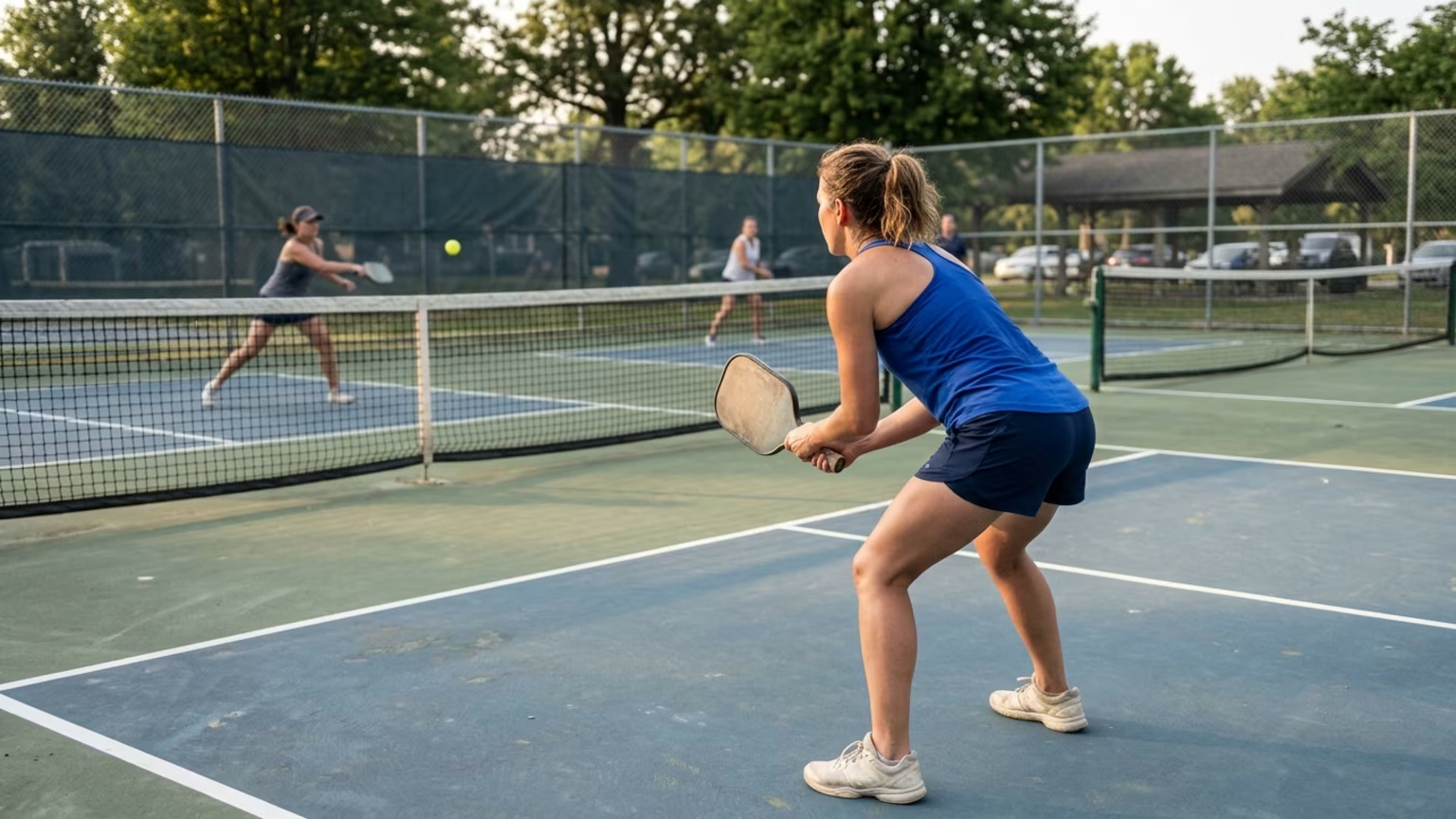
How anticipation informs movement in tennis, pickleball and padel, with research-backed distinctions and practical coaching cues for the next ball.
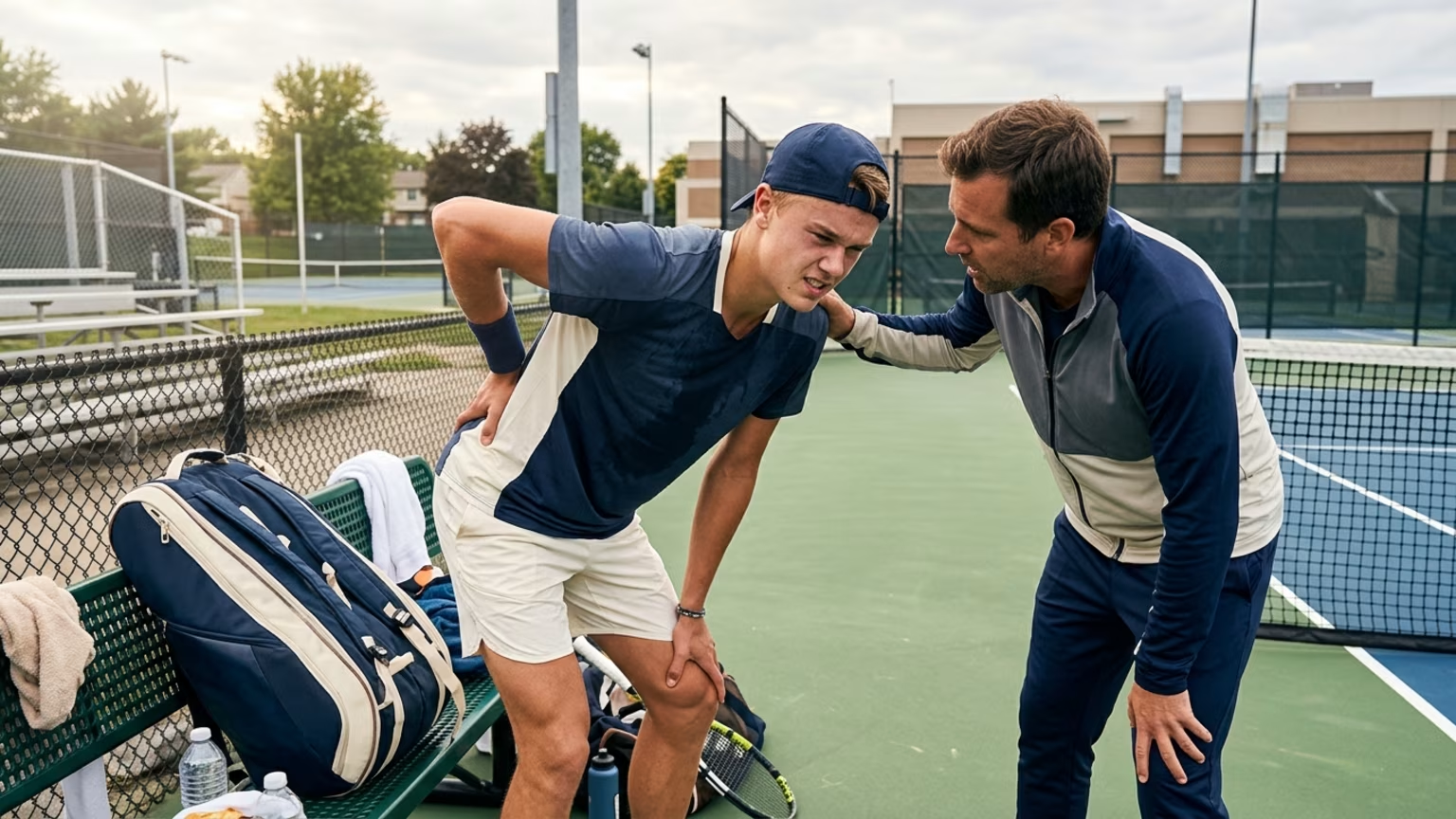
Holger Rune withdrew from the European Open with a back problem. The facts behind his decision and a grounded perspective for recreational players.

The Dink’s October 17 guide emphasizes deep returns, ball-height decisions and positioning against faster pickleball opponents.
Read practical guidance for better movement, smarter preparation and a game that keeps working for you.
explore the Blog
