

Plan the move from league night to tournament weekend with practical answers on practice, recovery, travel, meals and match-day arrangements.




How do I move from weeknight league play to a tournament weekend without turning preparation into another source of pressure?
Treat the weekend as a change in playing load and organize practice, recovery and between-match logistics around the event’s actual format.
Extra practice should not become an automatic response to entering a tournament. A practitioner injury-prevention guide recommends increasing playing time gradually and including recovery in weekly planning. It also advises avoiding long sessions or consecutive-day tournaments when symptoms are already present.
Evercourts’ practical interpretation is to start with the playing routine you already have rather than the preparation you wish you had completed. Tournament entry does not create a reason to compress unfinished preparation into the remaining days.
A useful comparison has three parts:
The purpose is not to calculate a perfect preparation score. It is to make an abrupt increase visible before extra sessions become commitments.
For someone balancing competition with work and family, preparation can also mean deciding what not to add. A familiar routine with room for recovery is a more sensible planning reference than a last-minute attempt to make every session count.
Evercourts’ resources for organizing recovery around playing commitments offer a place to develop that part of the plan alongside practice.
Begin with the event format rather than an imagined version of tournament day. DUPR’s guide to pickleball tournament formats explains that some formats involve multiple matches. It highlights recovery, hydration, energy management and preparation between matches as relevant considerations.
That makes the space around matches part of the planning conversation. The useful question is not simply when play begins. It is what the event requires across the whole period you expect to participate.
An organizational outline can separate confirmed information from decisions that remain flexible:
There is an important difference between having a plan and assigning every part of the weekend a fixed time. Where match information is uncertain, a flexible arrangement is more appropriate than an invented timetable.
For meals, the useful editorial focus here is logistics: how eating fits into the event you have entered. It is not a reason to adopt a new fueling formula. Likewise, travel planning is about coordinating the weekend rather than meeting an assumed performance requirement.
A simple distinction helps: event details describe what is scheduled, while your personal plan describes how other commitments fit around it. Keeping those separate makes the assumptions easier to spot.
For more context on organizing a day around repeated play, see Evercourts’ guidance on planning beyond the opening match.
The evidence here is mainly pickleball guidance rather than a trial-tested tournament preparation protocol. It does not establish a universal taper, rest interval, meal schedule or travel buffer across these sports.
The practical approach is therefore to keep the planning questions consistent without copying a schedule from one sport into another. For tennis and padel, the points below apply that organizational logic rather than claim a research-tested preparation routine.
For a tennis player, the planning reference is the event’s actual format alongside the player’s established routine. The relevant comparison is between usual play and proposed tournament play, not between an ideal preparation week and real life.
A planning sheet can show which existing commitments remain in place and what the event would add. Rest and off-court arrangements belong on that same sheet.
For padel, use the same comparison between established play and the proposed event. A sport label is not a substitute for checking the format or understanding the commitments involved.
The practical distinction is between administrative readiness and physical readiness. Having travel and event details organized does not settle a personal decision about how much play is appropriate. That decision deserves its own attention rather than being hidden inside the booking process.
A pickleball recovery guide identifies match intensity and match count as factors in recovery needs. It also names weather, baseline fitness and health history.
Those considerations belong beside the format information highlighted by DUPR. Counting scheduled matches is useful, but the recovery guide’s framework includes the circumstances of play and the individual player as well.
Across all three sports, the aim is a plan that reflects the event being entered. Evercourts’ overview of different routes into competition provides related context when comparing playing opportunities.
The practitioner guidance about avoiding long sessions when symptoms are present is particularly relevant here. A tournament entry does not answer a personal health question, and adding practice is not a substitute for addressing that question.
Persistent or concerning symptoms warrant discussion with a qualified health professional. Decisions about participation or changes to activity belong with someone who can assess the individual situation rather than with a generic tournament checklist.
Taking that decision seriously is consistent with valuing competition and wanting to keep playing for years.
A thoughtful transition makes room for competition and enjoyment without demanding a perfect performance. Today’s practical takeaway is to write down how the event’s expected playing demands differ from your usual league session.
Follow Evercourts for practical insights on tennis, pickleball and padel performance, movement, recovery and healthy ageing. Stay connected for new articles, research-led guidance and ideas to help you play well and keep playing for years.


Put tennis point timings in context, track court and strength work, and compare your activity without borrowing workload targets from other sports.
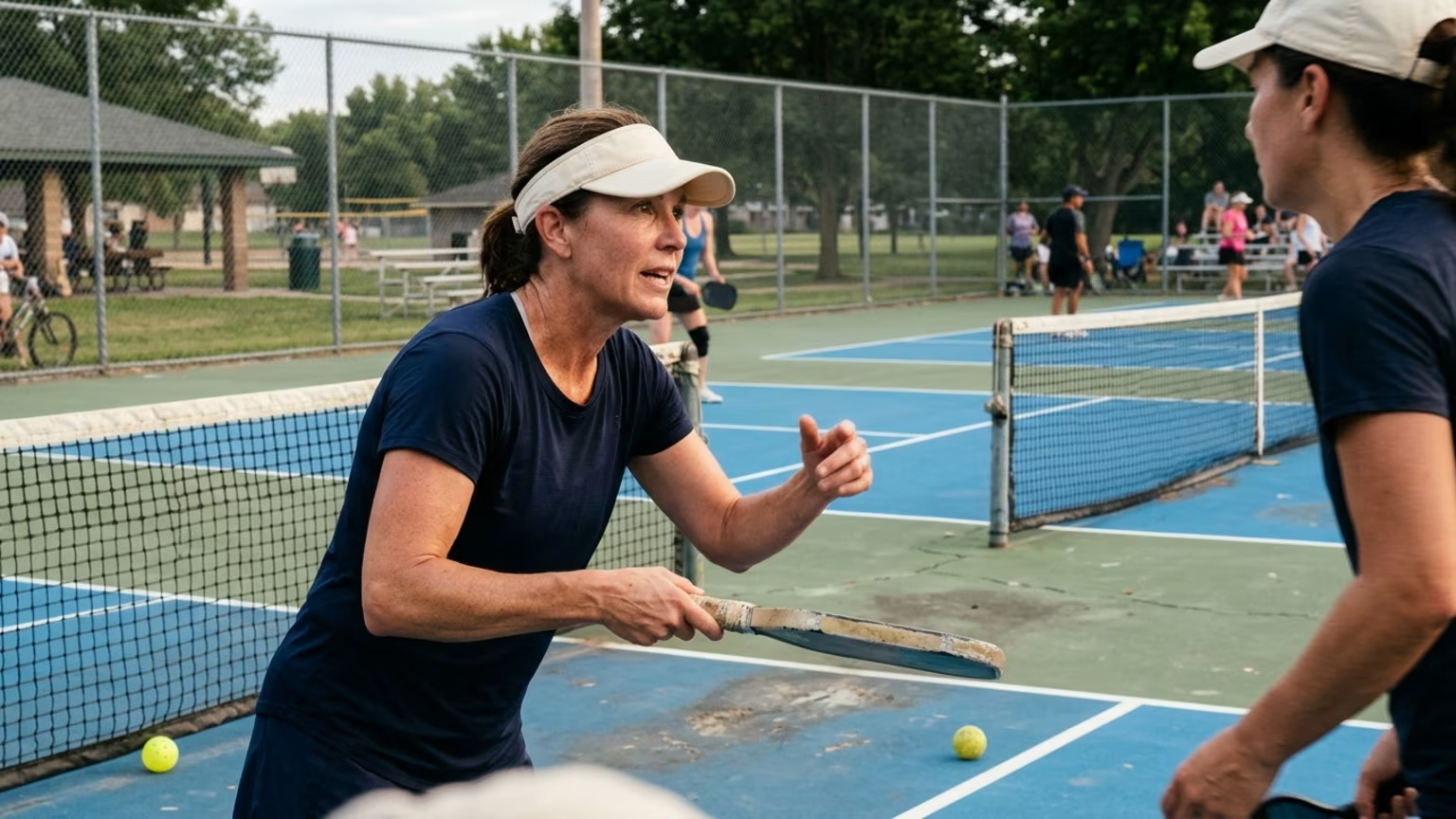
Jilly B challenges five pickleball rules of thumb, with a focus on ball pace, reaction space, paddle readiness and purposeful positioning.

Zheng Qinwen’s early finish to 2026 puts fatigue and recovery in focus. Here is the practical lesson for adult racquet-sport players.
Read practical guidance for better movement, smarter preparation and a game that keeps working for you.
explore the Blog
