

Zheng Qinwen’s early finish to 2026 puts fatigue and recovery in focus. Here is the practical lesson for adult racquet-sport players.




On October 19, Zheng Qinwen’s team announced that she would withdraw from the remainder of the 2026 season to recover and begin winter training for 2027, according to Xinhua.
Xinhua reported that Zheng withdrew from four tournaments after winning the China Open: Wuhan, the Japan Women’s Open in Osaka, the Pan Pacific Open in Tokyo and the Hong Kong Tennis Open. ESPN Deportes also reported that she had brought her season to a close.
Her Wuhan withdrawal was attributed to a right-shoulder injury. That followed a return to competition after right-elbow surgery following Wimbledon in 2025, according to Xinhua. The shoulder problem and her earlier elbow surgery are separate parts of the reported account.
Explaining her Wuhan withdrawal, Zheng said she had played the US Open, Billie Jean King Cup and China Open over the preceding month and a half after returning from injury. She described her body as feeling “very fatigued” after that competitive stretch.
Her team’s announcement established the next priority: spending the coming months recovering and preparing for the 2027 season rather than entering more tournaments.
The useful lesson is about responding to your own condition, not copying a professional player’s calendar. Zheng described substantial fatigue during her return from injury and subsequently stopped competing for the season. For an adult league player, that is a reason to consider how they feel alongside the matches they want to play.
The reporting provides no shoulder diagnosis, treatment plan or independent medical assessment connecting fatigue with the injury. It also establishes no safe workload threshold or appropriate recovery period for recreational players. Her case is an example of an individual decision rather than a medical protocol or proof of a wider tour trend.
The practical starting point is to notice changes in how you feel during and after play. That is particularly relevant when returning from an injury or adding more matches to your calendar. The questions are straightforward: What feels different during play? What feels different afterward?
Those observations can be considered alongside the recent playing schedule. Has the change appeared during a return from injury? Has match volume increased? This is a way to describe the situation clearly rather than assign yourself a diagnosis.
For adult tennis, pickleball and padel players, the aim is to reassess the individual circumstances instead of assuming that fatigue must simply be pushed through. Equally, a professional withdrawal should not automatically become a reason to cancel a recreational season.
Where pain or an injury concern affects participation, decisions about continuing or returning belong with a qualified healthcare professional. Zheng’s announcement is a useful conversation starter. It is not a substitute for that personal assessment.
Winning the China Open and ending her season early were both part of Zheng’s reported story. Her results did not prevent her from describing fatigue or choosing recovery afterward. The editorial lesson is to avoid treating a successful result as the only information that matters.
For a weekend competitor, a satisfying win need not close the discussion about how they are feeling. Performance and the experience of playing are different questions. Both deserve attention when considering the next event.
This distinction also belongs in conversations about returning to court after an injury. The relevant question is not whether a recreational player can reproduce Zheng’s comeback. It is how that player’s own return is progressing.
Zheng’s team framed the decision around recovery and preparation for the following season. That matters because stopping competition was presented as part of looking ahead, not as abandoning the sport.
Adult players can use the same perspective without adopting the same decision. A calendar is a plan rather than a measure of commitment. Reconsidering an event when fatigue or injury concerns accumulate is a reasonable subject for discussion, not a character judgment.
That is where planning recovery alongside competition becomes relevant. The practical goal is to make room for an honest assessment of current circumstances while keeping longer-term participation in view.
According to Xinhua, Zheng came through qualifying at the 2026 US Open and reached the quarterfinals. She then won seven matches in Beijing to claim the China Open title. Those details give substance to her description of a demanding competitive stretch.
The seven wins describe the China Open campaign rather than her entire run of competition. Her own account also included the US Open and Billie Jean King Cup during the preceding month and a half. Read together, the results and her comments show a successful stretch that she also experienced as physically demanding.
For recreational players, the comparison should remain qualitative. A tournament title, a league result or a completed playing commitment tells one part of the story. How the player reports feeling supplies another. In Zheng’s case, the reporting includes both strong results and an explicit account of fatigue.
Zheng’s team has identified recovery and preparation for 2027 as its priorities. The next meaningful development will be how that plan progresses and what she or her team says about future competition. A return date alone would tell less than an account of how the preparation is developing.
For adult players, the forward-looking lesson is to keep recovery within the conversation about the next season rather than outside it. Future goals deserve attention, but so does the condition in which a player approaches them.
The editorial standard worth carrying into next season is simple: assess recovery decisions alongside results. Zheng’s early finish provides a clear example of an athlete choosing preparation over further competition. The lasting value of the story is permission to consider that choice seriously without turning it into a rule for everyone.
Follow Evercourts for practical insights on tennis, pickleball and padel performance, movement, recovery and healthy ageing. Stay connected for new articles, research-led guidance and ideas to help you play well and keep playing for years.


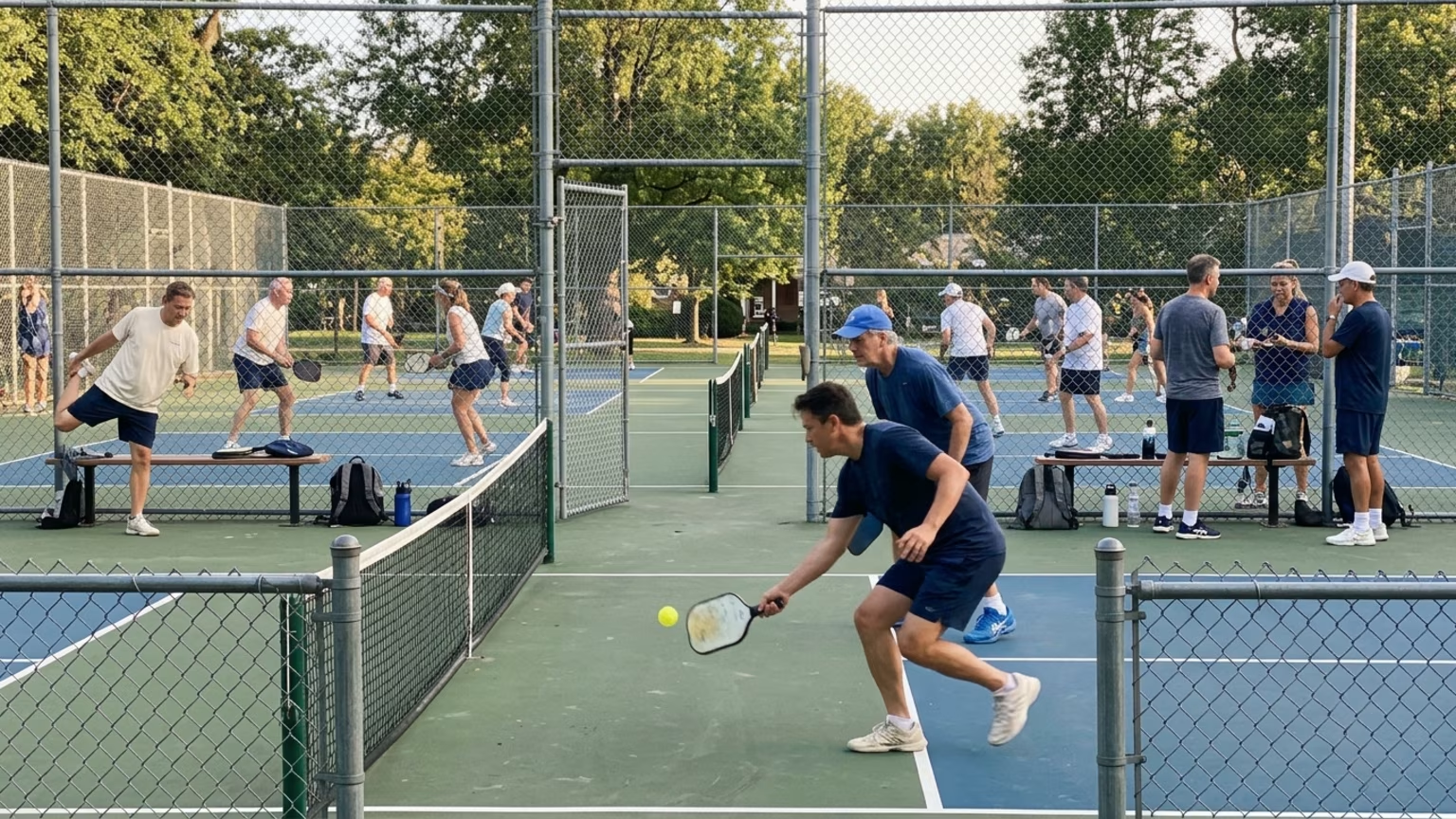
Build toward pickleball match pace with easy movement, court footwork and controlled hitting, plus a short-format option and guidance after a break.
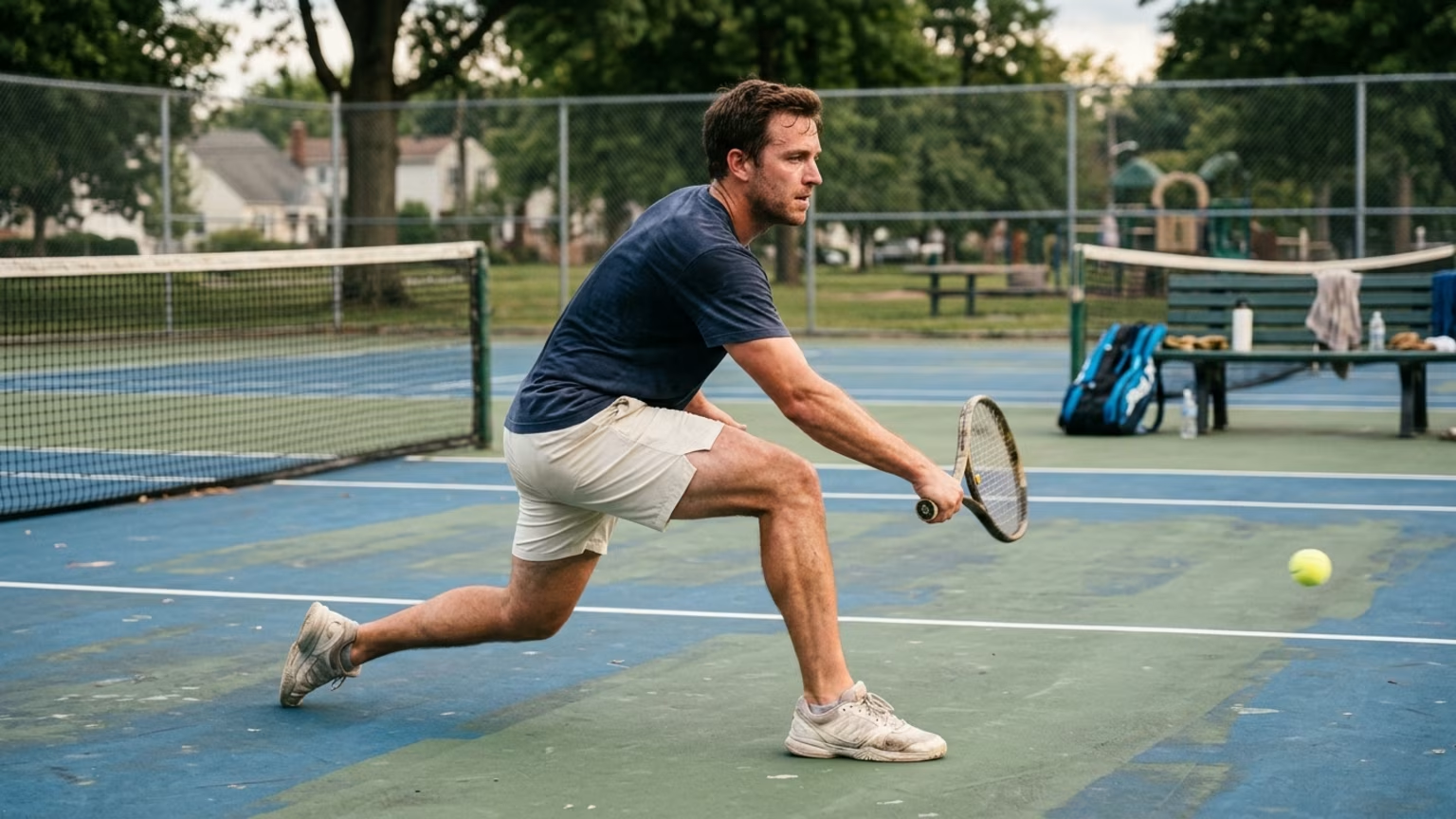
Understand single-leg control, lateral movement, rotation and braking in tennis strength training, with an illustrative week and clear evidence limits.
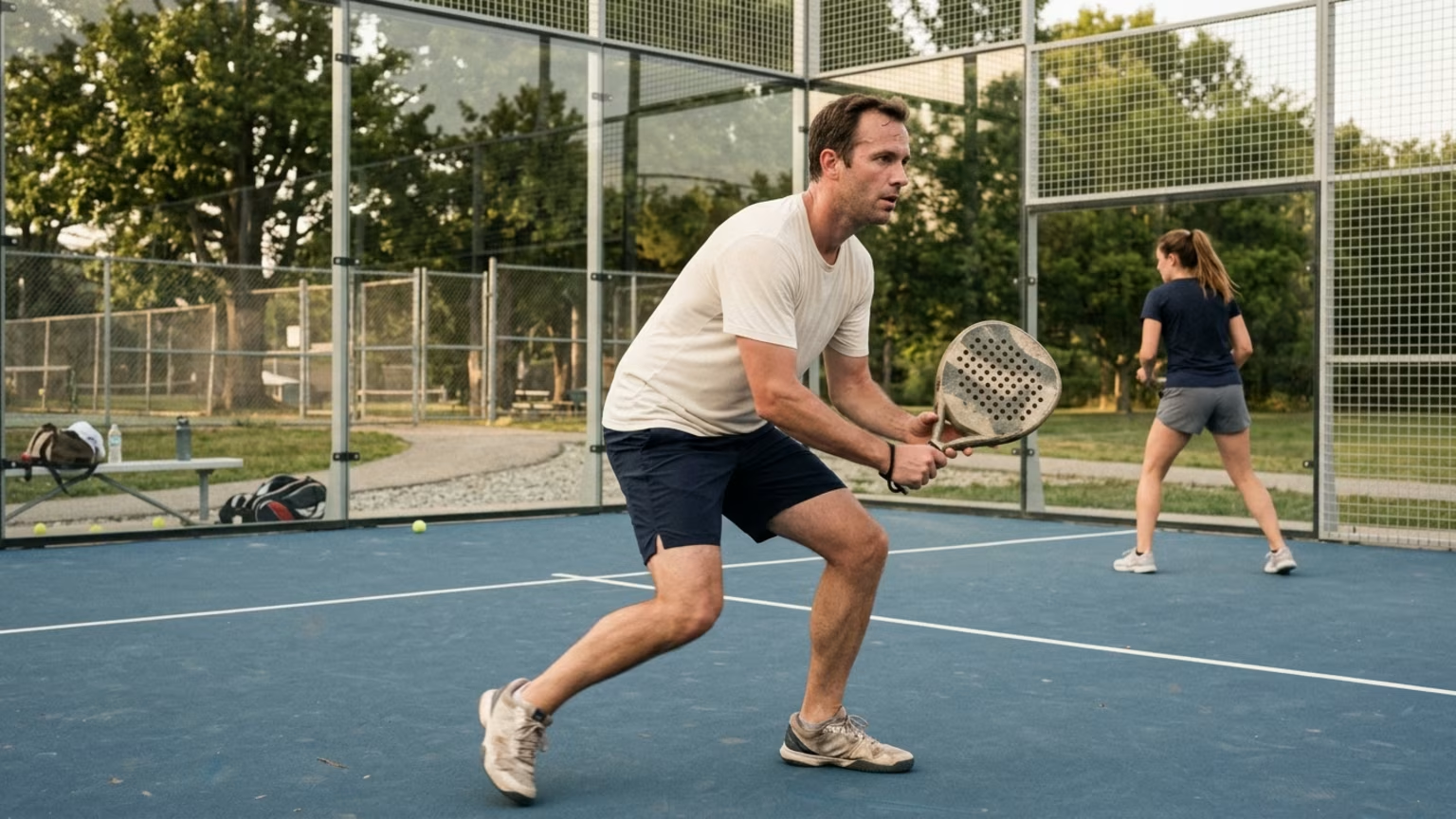
A research-led padel warm-up framework for starts, stops and turns, with adaptable movement guidance and clear limits on injury-prevention claims.
Read practical guidance for better movement, smarter preparation and a game that keeps working for you.
explore the Blog
