

Put tennis point timings in context, track court and strength work, and compare your activity without borrowing workload targets from other sports.




Tennis points typically last about 5 to 10 seconds, according to one tennis training guide, with roughly 10 to 20 seconds of rest between points. For managing training load, those short bursts are useful context. They are not enough to tell you how demanding a session was or what should come next.
The timing pattern describes an intermittent workload: repeated periods of play separated by brief rests. The body is being asked to repeat efforts rather than sustain one uninterrupted effort. That makes the rhythm of a session relevant alongside its total duration.
A court-time total answers one question: how long were you playing? It does not describe every movement or stroke within that time. Nor does a between-point rest interval tell you whether you are ready for another demanding session later in the week.
The training guide also notes that work-to-rest patterns vary by level, surface and playing style. Its figures are approximate context rather than a template every match follows. Treat them as a description of tennis's stop-start structure, not a schedule to reproduce during every practice.
For a practical activity record, distinguish match play from practice and include strength sessions. This preserves useful context without pretending that different activities can be converted into an exact common score. The aim is to describe your routine clearly before deciding whether to change it.
Keeping the wider court-and-gym picture together fits that approach. A tennis-only tally leaves strength work outside the record even though it remains part of your overall activity.
The available figures support a simple breakdown:
The first two figures describe the pattern within play. The other entries help describe an individual session. Keeping those purposes separate avoids turning a broad description of tennis into a personal workload target.
For example, recording that a session was match play adds information that duration alone leaves out. Adding how demanding it felt provides another perspective. Neither entry needs to become a pass-or-fail test of whether the session was appropriate.
A narrative review of wearable technology discusses potential applications for observing stroke-related workload. That is a different layer of information from simply recording time on court. It concerns what happens during play rather than only how long the session lasts.
The review presents these applications as emerging possibilities. It does not establish that wearables prevent injuries in recreational players. The research also does not validate a particular recreational logging system or a precise safe rate for increasing tennis activity.
That leaves a clear editorial distinction: monitoring describes activity; it does not diagnose readiness or symptoms. A device reading can sit beside your session notes without becoming the authority over every training decision. Our guide to putting wearable readouts in context offers a related perspective on using those records.
Distance covered and average heart rate would describe different aspects of a session. The point-duration figures are not substitutes for either measure. Keep each metric attached to what it actually records rather than treating every number as another version of “total load.”
The tennis timing estimates do not establish how padel or pickleball compare in physical toll. They cannot support a numerical ranking of the three sports. A useful comparison therefore starts with your recorded participation rather than borrowed targets.
For tennis, the guide supplies a broad description of repeated short efforts. Keep the distinction between practice and match play in your notes. That makes the record more informative than a single combined total of tennis minutes.
Record padel under its own label rather than folding it into a tennis entry. Note duration and perceived effort using the same descriptive approach. This gives you a way to compare your own sessions without assuming that tennis timings describe padel's demands.
Use the same approach for pickleball. Describe the session you actually played rather than assigning it an automatic “easy” or “hard” status because of the sport's name. Your record should preserve what you did and how it felt.
When moving between racquet sports, consistency in the record matters more than forcing the activities into an unsupported conversion formula. Keep sport labels separate while viewing them together in your overall routine.
Keep one combined activity log and compare it with your own recent pattern before adding more work. That is the practical recommendation here, not a prescribed weekly workload.
Use a short entry that records:
The purpose is to notice changes. Look at whether your current routine differs from what you have recently been doing. Consider the combination of court time and session demands rather than treating either as the whole story.
If you plan to increase activity, use that comparison to approach the change cautiously. Do not turn the point-duration estimates into permission for more court time. Equally, do not treat a familiar-looking total as proof that every session within it has been equivalent.
Strength work belongs in this record as activity, not as an assumed injury-prevention credit that offsets any amount of tennis. The log is a practical description of your routine rather than a validated formula for balancing one type of work against another.
Persistent or worsening soreness and unusual fatigue deserve attention beyond a tracking score. Reduce or pause aggravating activity and seek qualified medical advice when symptoms persist, worsen or interfere with normal activity. Keep the log useful by allowing symptoms to inform the conversation rather than asking a number to settle it.
Follow Evercourts for practical insights on tennis, pickleball and padel performance, movement, recovery and healthy ageing. Stay connected for new articles, research-led guidance and ideas to help you play well and keep playing for years.


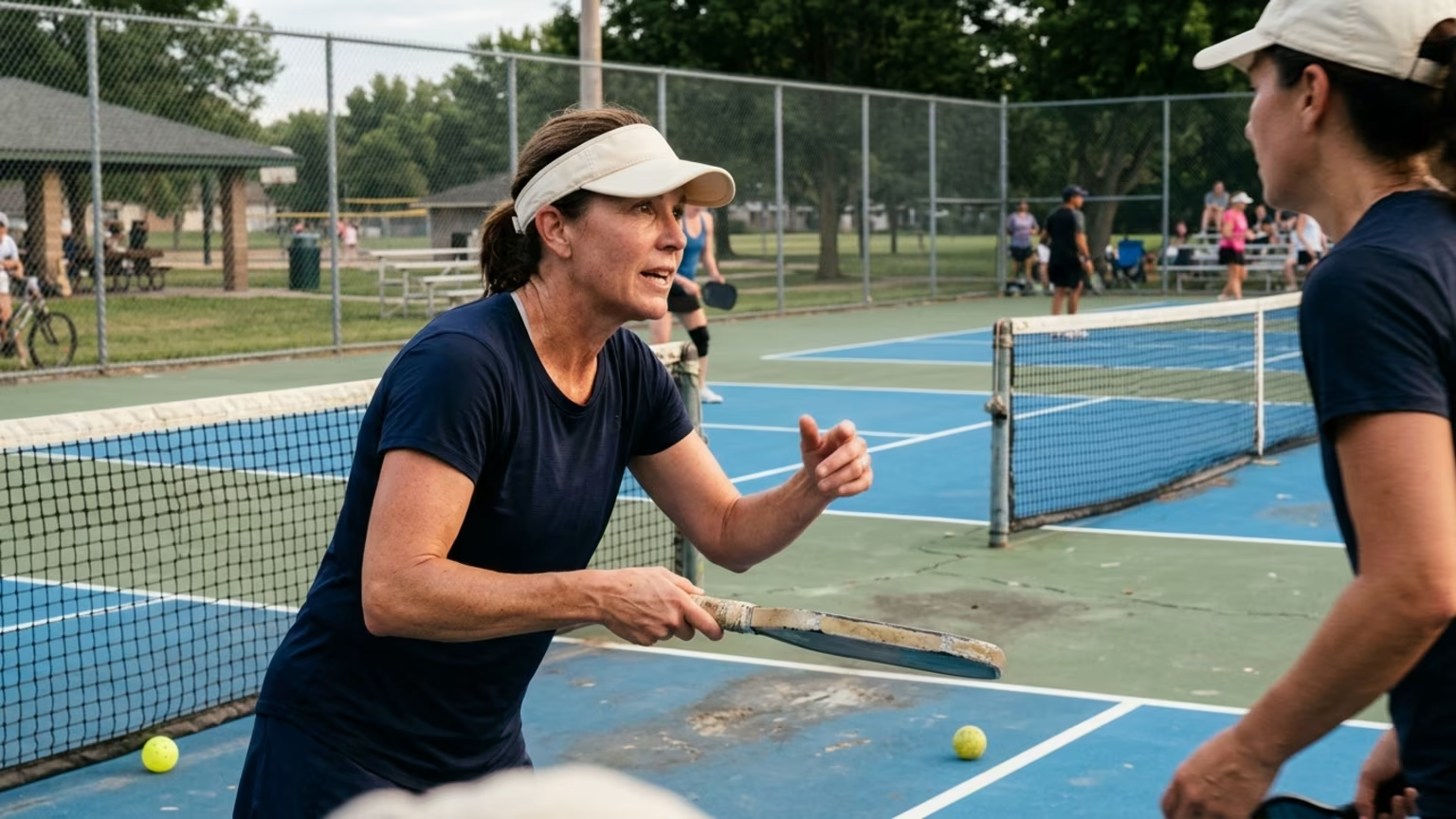
Jilly B challenges five pickleball rules of thumb, with a focus on ball pace, reaction space, paddle readiness and purposeful positioning.

Zheng Qinwen’s early finish to 2026 puts fatigue and recovery in focus. Here is the practical lesson for adult racquet-sport players.
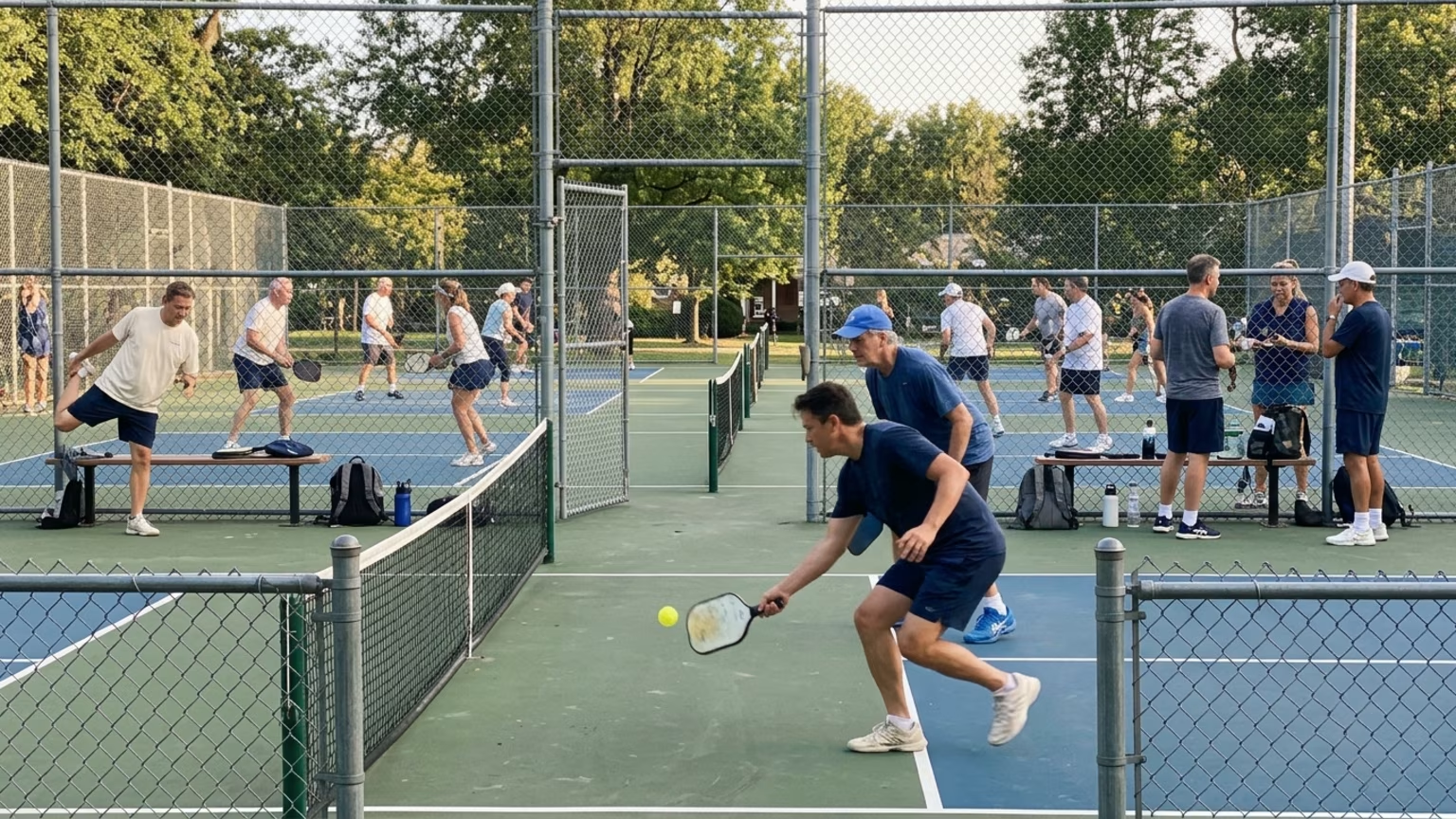
Build toward pickleball match pace with easy movement, court footwork and controlled hitting, plus a short-format option and guidance after a break.
Read practical guidance for better movement, smarter preparation and a game that keeps working for you.
explore the Blog
