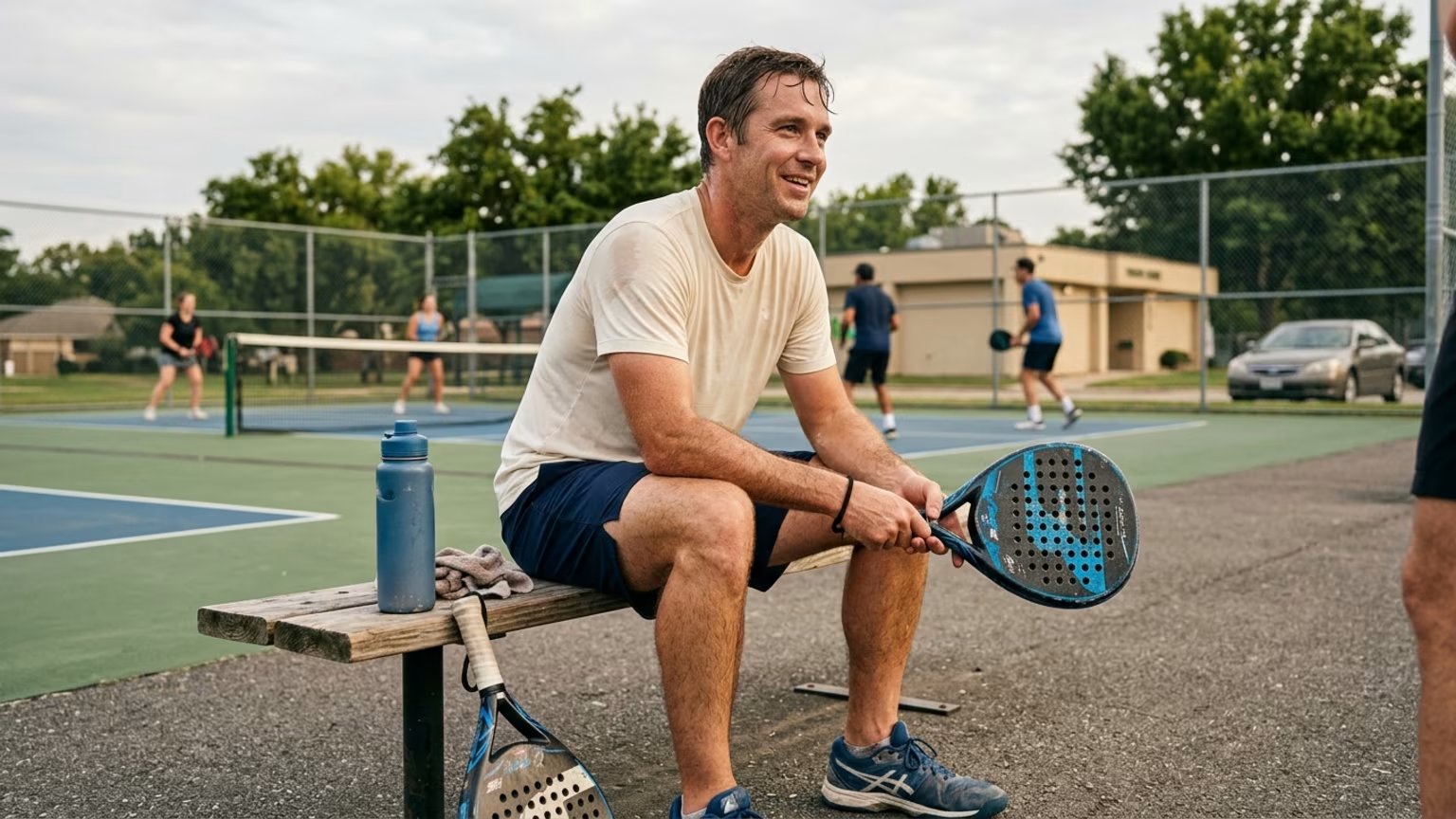

Learn the cardiovascular and muscular benefits of regular padel play, alongside a practical weekly schedule to help adult players stay fit and active.




Padel Manager reports that the 2025 World Padel Report counted more than 35 million players, over 24,600 clubs and more than 77,300 courts worldwide. This staggering global participation metric matters because millions of adults are now adopting the sport for their primary cardiovascular conditioning. Our readers frequently ask us the exact same foundational question: how often should a recreational adult play padel to improve fitness without risking an overuse injury? The most effective answer is a conservative schedule of two or three weekly sessions with dedicated rest days between them.
Argentinian outlet El Cronista describes padel as an engaging activity that combines cardiovascular work with strength-related movements. The constant action on the court requires substantial energy from multiple muscle groups across your entire body. According to El Cronista, regular padel may support weight control and circulation. The publication also notes potential benefits for physical endurance, coordination, muscular strengthening and stress reduction.
The rapid changes of direction and powerful racquet strokes heavily involve the legs and glutes. The core, arms and shoulders are also continuously engaged during competitive play. These specific physical demands make the sport highly appealing for players focused on healthy aging and athletic longevity. Moving dynamically around the court provides a far more stimulating workout than sitting on a stationary exercise bike.
Academic interest in the fitness impact of racquet sports is also growing alongside recreational participation. A university research record identifies a 2018 Science & Sports paper that examined the fitness benefits of padel practice in middle-aged adult women. Studies like this highlight the increasing relevance of recreational court time for adult athletic populations. We expect researchers to continue analyzing how racquet sports influence long-term physical wellness.
While these reported physical benefits are highly encouraging, players should always maintain realistic expectations about guaranteed outcomes. Positive body composition changes depend heavily on total energy balance, proper nutrition and session intensity. You should definitely view a regular padel schedule as a fantastic component of an active lifestyle. However, it is not a direct medical treatment for circulatory issues or an absolute guarantee of weight loss.
For people just starting out, El Cronista explicitly recommends two or three weekly sessions with rest days between them. This conservative schedule gives adult recreational players a highly reliable structure while supporting essential muscular recovery. The article correctly advises adapting your session length and match intensity to your age, experience and current physical condition. Adjusting your workload prevents mental burnout and keeps the game physically enjoyable over the long term.
Treating your off days as an active part of your training is just as important as the matches themselves. Taking time away from the court allows your body to rebuild the tissues stressed during heavy lateral movements. Proper hydration, gentle mobility work and adequate sleep on your rest days will significantly improve your subsequent performances. This thoughtful pacing strategy is much more sustainable than trying to compete at maximum intensity every single day.
If you want to maintain a consistent weekly routine, you can strategically alternate the purpose of your sessions. You might schedule one competitive match, one lighter technique session and one casual rally day with friends. This varied approach allows you to practice reading and using padel wall rebounds without constantly maxing out your heart rate. Mixing your intensities helps protect your vulnerable joints while still providing excellent aerobic cardiovascular conditioning.
When I first started playing pickleball, I noticed how many people skipped warming up entirely. They would jump straight out of their cars and walk right up to the kitchen line. I tried doing that exactly once and immediately pulled a calf muscle during the first point. Pickleball requires just as much explosive lateral movement as tennis, just contained within a significantly tighter space.
Since then, I always spend five minutes doing dynamic lunges and basic ankle rolls before picking up my paddle. It changes everything about how confident I feel aggressively pushing off the baseline to reach a wide shot. Padel requires a very similar physical commitment to preparation before you ever hit a ball. El Cronista explicitly recommends completing an entry warm-up before each match to gradually raise your core body temperature.
Dedicated court preparation is especially vital for protecting your lower body joints from sudden rotational forces. A Frontiers in Medicine report notes that ankle sprains are common among amateur padel players and may leave persistent functional limitations. A listed systematic review has also examined injury epidemiology across padel, tennis and squash. Because all three sports demand sudden deceleration, developing functional lower body strength is absolutely critical for lateral stability.
Post-match recovery strategies also matter tremendously depending on how much ground you cover during your games. El Cronista recommends combining play with adequate rest, hydration and targeted stretching or cool-down work afterward. A brief cool-down routine helps reduce the risk of lingering discomfort after heavily loading your legs and core. Consistently executing these basic physical habits makes a massive difference in how your joints feel the next morning.
Playing padel certainly challenges your muscles, but it is never a complete substitute for dedicated gym training. El Cronista notes that short sprints, rapid braking and lateral changes of direction require continuous work from the leg muscles. These dynamic actions certainly help older players preserve balance, reaction speed and general court mobility as they age. However, simply playing a sport does not automatically provide sufficient progressive resistance training for your entire body.
Cardiovascular fitness alone is never the only physical preparation factor for enjoying recreational racquet sports safely. Lower-body strength, trunk control and resilient shoulder tolerance all matter immensely for injury prevention and powerful stroke production. Relying purely on match play to build these physical attributes can eventually lead to overuse injuries in weaker joints. A dedicated resistance routine ensures your muscles can actually handle the unpredictable forces of a competitive padel match.
You should also remain suitably cautious about extraordinary health claims tied strictly to court sports without clinical evidence. A separate Padel Magazine article makes stronger claims about senior-player heart rates, blood-pressure changes, calorie expenditure and longevity. Because these exact figures lack verified universal benchmarks, we advise viewing padel as an outstanding supplement to structured strength training. Combining your weekly matches with targeted gym work will always yield the most reliable physical and performance results.
Padel offers an exceptional way to stay active, build total-body coordination and enjoy the physical benefits of movement into later adulthood. Structuring your week with smart warm-ups and adequate rest days ensures you can confidently keep enjoying the game for years to come.
Follow Evercourts for practical insights on tennis, pickleball and padel performance, movement, recovery and healthy ageing. Stay connected for new articles, research-led guidance and ideas to help you play well and keep playing for years.


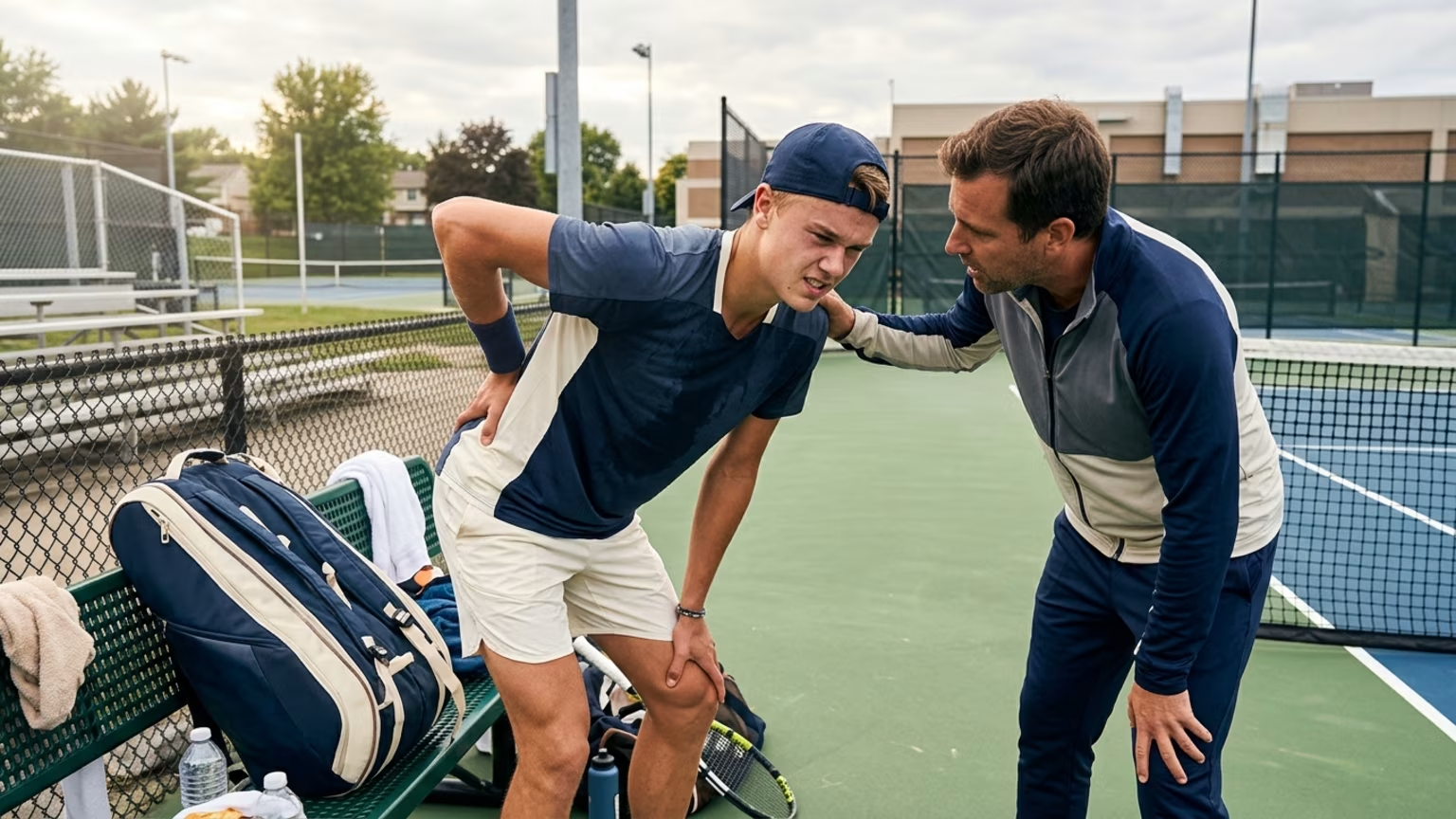
Holger Rune withdrew from the European Open with a back problem. The facts behind his decision and a grounded perspective for recreational players.

The Dink’s October 17 guide emphasizes deep returns, ball-height decisions and positioning against faster pickleball opponents.

A new report outlines padel and tennis gear trends. Learn how to assess adjustable rackets, sensor feedback and smart-court claims.
Read practical guidance for better movement, smarter preparation and a game that keeps working for you.
explore the Blog
