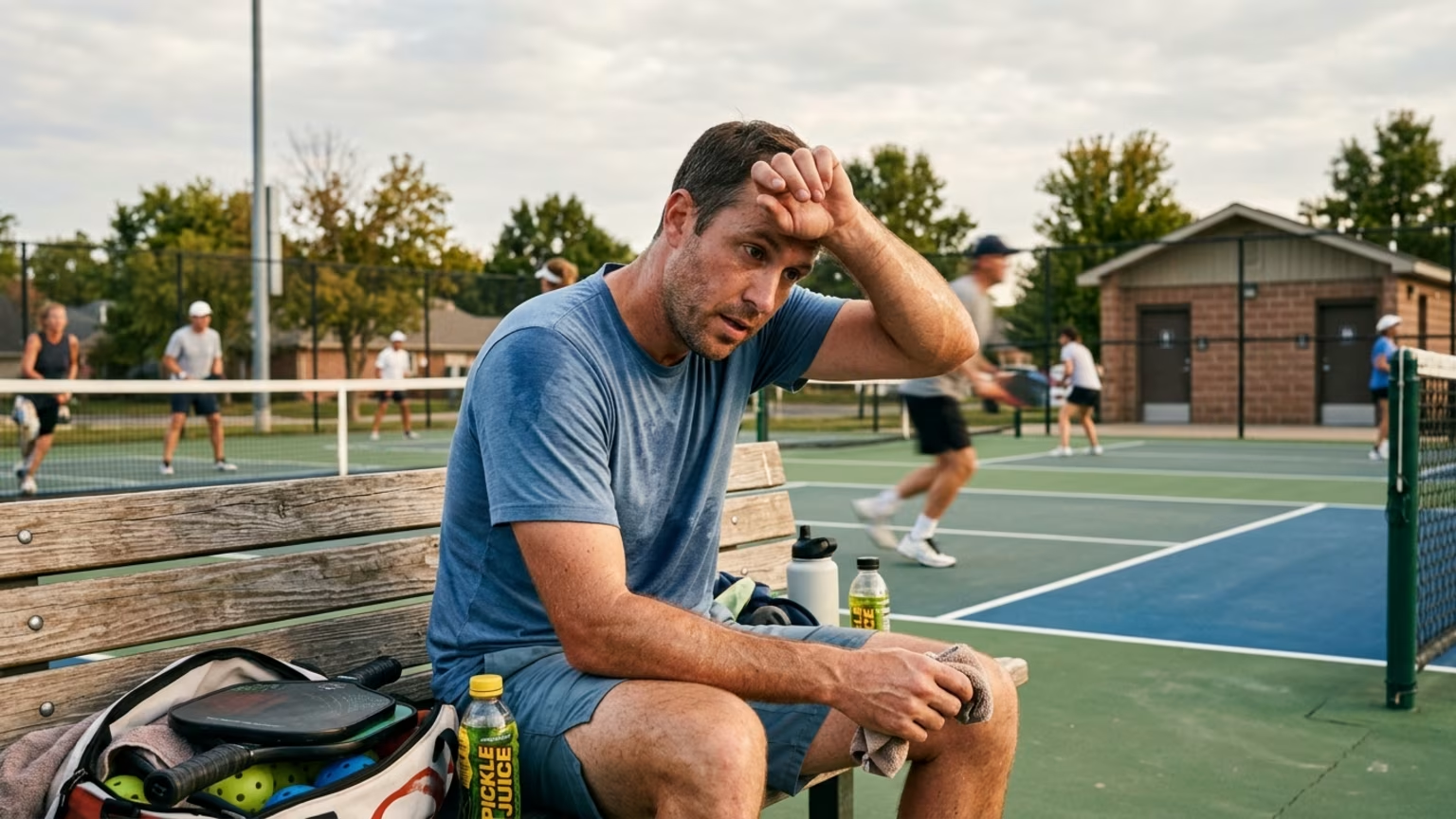

Discover how the US Open medical team uses pickle juice for cramps, plus expert guidance on proactive hydration and heat safety for racquet sports players.




Should I be drinking pickle juice before my matches to prevent cramps? No, pickle juice is best used as a small-dose acute intervention when a cramp actually happens rather than a daily preventative hydration strategy.
The New York Post reports that Mount Sinai’s medical team is making pickle juice available at the US Open as a potential acute treatment for exercise-associated muscle cramps. The initiative is being led medically by Dr. Melissa Leber. She is a Mount Sinai sports medicine physician and the US Open director of player medical services. Leber suggests that the benefit of this liquid might not come from simply replacing sodium or lost fluids.
According to Leber, the proposed mechanism is that vinegar or acetic acid stimulates sensory receptors in the mouth and throat. This sensory stimulation can potentially trigger a neurological reflex that reduces cramping in the affected muscles. The response to this reflex may occur within a couple of minutes. This rapid reaction is potentially faster than waiting for standard electrolyte replacement beverages to take effect during a match.
However, this neurological explanation is presented as an evolving theory rather than a guaranteed cure for every athlete. The amount typically used for this acute treatment is about two or three ounces. Leber strongly advises against drinking an entire bottle of pickle juice as a reflexive response. The sodium content varies significantly by brand and can be quite high for a single serving.
The article cites one popular brand that lists 330 milligrams of sodium in its spears. This amount equals about 14 percent of the daily value, and the juice itself may contain even more sodium. Because of this high sodium concentration, pickle juice is not suitable for every player. People with hypertension, heart failure, or kidney disease should consult a healthcare professional before trying it on the court.
Leber specifically recommends viewing pickle juice strictly as an acute cramp treatment. It is not a daily hydration strategy or a general performance enhancer. Recreational players should manage their expectations and recognize the limitations of this approach.
Pickle juice does not prevent dehydration or heat illness during prolonged activity. Proper preparation requires a proactive approach to fluid and nutrient intake over a longer period. Leber advises athletes undertaking prolonged exercise to begin hydrating the day before play. Players must then continue replacing fluids and electrolytes consistently during their activity.
Water helps replace the basic fluid lost through sweat on a hot day. Sports drinks can provide fluids, electrolytes, and carbohydrates during extended sessions on the court. Leber specifically identifies inadequate carbohydrate intake as a possible contributor to muscle cramping. A player who substitutes a proper sports drink with pickle juice might fail to replace these critical nutritional elements.
These principles align with the foundation of any comprehensive hydration protocol. You need to plan your fluids around the expected duration of your matches and the environmental heat. Preparing early ensures that your body has the necessary reserves to handle high intensity rallies. Do not wait until severe thirst or unusual fatigue develops to start drinking.
Athletes sometimes experience cramps even when their electrolyte levels are normal. This means that electrolyte replacement alone may not explain or resolve every cramping episode on the court. Muscle cramps are common among elite athletes who push their bodies during intense exercise in hot conditions. Proper day-before preparation gives you the best chance to delay or avoid these issues entirely.
All three racquet sports involve prolonged activity in hot conditions with repeated bursts of high intensity. The US Open report directly connects cramping risk with intense exercise in the heat. The physical demands of lateral movement and sudden sprints increase the stress on your muscles over time. The fundamental physiological risk of exercise-associated cramping remains remarkably similar across these different courts.
When I first started playing pickleball, I noticed how many people skipped warming up entirely. They would jump straight out of their cars and right up to the kitchen line. I tried doing that and immediately pulled a calf muscle. Pickleball requires just as much explosive lateral movement as tennis, just in a tighter space.
Since then, I always spend five minutes doing dynamic lunges and ankle rolls. It changes everything about how confident I feel pushing off the baseline. Proper physical preparation and managing your training load are essential for athletic longevity. Relying solely on mid-match remedies is never a substitute for adequate mobility work and conditioning.
If a cramp does develop during a match, you should stop or reduce your activity immediately. Conventional cramp management measures include gentle stretching and targeted massage of the affected muscle. A small two-ounce dose of pickle juice can be an optional intervention at this specific stage. It should never replace resting and properly assessing your overall physical condition.
A localized muscle cramp is very different from systemic heat illness. Heat illness requires immediate medical attention and completely different safety protocols. When heat illness is suspected, the priorities are appropriate hydration, active cooling, and prompt medical evaluation. You should never try to treat heat exhaustion or heat stroke with pickle juice.
Warning signs for exertional heat stroke are severe and require immediate action to protect the athlete. The Virginia Department of Health warning signs cited by WAVY include confusion, altered mental status, and loss of consciousness. Slurred speech, seizures, and a very high body temperature are also critical indicators. If any of these symptoms appear, you must stop play and move the person to a cooler setting immediately.
An Old Dominion University expert emphasized that exertional heat stroke requires immediate cooling to prevent serious harm. A tub, water, and ice should be available for treatment at the venue. Reported athletic heat safety protocols also include unrestricted water access, activity adjustments, and having cold water immersion resources ready. You should begin active cooling immediately while arranging emergency medical care.
Recreational players usually lack the courtside medical staff available to professional tournament competitors. You must be conservative about stopping play and seeking help from facility staff or playing partners. Never attempt to play through dizziness or nausea on a hot summer afternoon.
Final Verdict: Managing muscle cramps effectively requires a balance of diligent daily hydration, adequate nutrition, and practical on-court responses. Stay prepared with proper fluids, respect the environmental heat, and enjoy your time on the court with confidence.
Follow Evercourts for practical insights on tennis, pickleball and padel performance, movement, recovery and healthy ageing. Stay connected for new articles, research-led guidance and ideas to help you play well and keep playing for years.


Holger Rune withdrew from the European Open with a back problem. The facts behind his decision and a grounded perspective for recreational players.

The Dink’s October 17 guide emphasizes deep returns, ball-height decisions and positioning against faster pickleball opponents.

A new report outlines padel and tennis gear trends. Learn how to assess adjustable rackets, sensor feedback and smart-court claims.
Read practical guidance for better movement, smarter preparation and a game that keeps working for you.
explore the Blog
