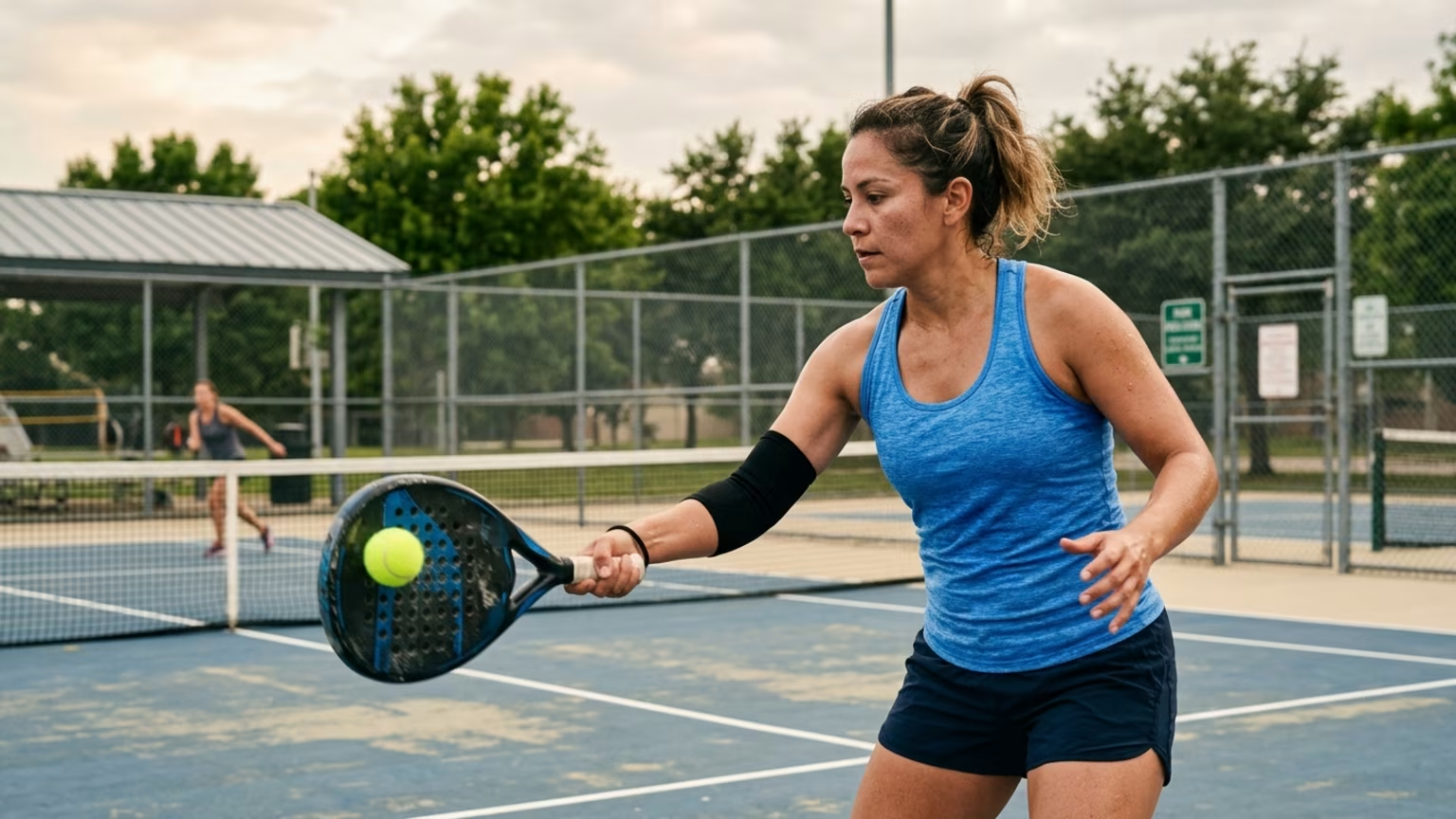

Learn how to manage upper body load in racquet sports. Review recent injury research and sensible strategies to protect your shoulder and elbow on the court.




Upper body load management is the practice of balancing the physical stress placed on your shoulder and elbow joints with adequate recovery. The shoulder and elbow operate as a linked system to generate power and control the racquet during play. When players increase their court time quickly, the repeated forces of hitting a ball can outpace the body's current physical capacity. This imbalance often leads to stiffness and discomfort in the upper extremities.
Managing this load simply means preparing your tissues for the demands of the sport before increasing your weekly match volume. The tendons and muscles of the arm require gradual exposure to the specific stresses of serving and volleying. Taking a measured approach allows adult players to build resilience gradually. Proper management helps athletes avoid sudden spikes in workload that frequently result in joint irritation.
Racquet sports require an unnatural combination of rapid acceleration and abrupt deceleration. Tennis, pickleball, and padel all demand repetitive overhead motions and forceful swings. Every time a player strikes the ball, the forearm and shoulder absorb significant vibration and kinetic energy. Padel courts specifically feature confined spaces where players must react quickly to balls rebounding off the back glass.
The heavy padel racquet requires considerable wrist strength to maneuver during fast exchanges at the net. Pickleball presents its own upper body challenges through rapid dinking rallies and sudden transitions to powerful overheads. In tennis, the heavy serving motion places massive force on the rotator cuff and elbow ligaments simultaneously. These repeated explosive efforts tire the small stabilizing muscles around the shoulder joint over a long match.
The wrist and forearm muscles work intensely to manipulate the paddle angle during rapid volleys at the net. Players rely on these smaller muscle groups to impart spin and handle the pace of incoming shots. When the arm is fully extended to reach a wide ball, the elbow joint absorbs the brunt of the impact. Repeatedly stressing the arm in these vulnerable positions without adequate strength causes micro-tears in the connective tissue.
The shoulder capsule must constantly stabilize the arm while the larger chest and back muscles generate swinging power. Once fatigue sets in, the larger muscles often compensate by altering the swing mechanics. This shift places additional stress on the elbow tendons and the rotator cuff. Players who understand these mechanical demands can better pace their efforts during practice sessions.
Understanding the actual data helps separate practical risk from typical fitness hype. A 2023 systematic review summarized eight padel injury studies involving 2,022 participants. The mean ages of the players in these included studies ranged from 31 to 57 years old. The review reported an injury incidence of three injuries per 1,000 hours of padel training.
During practice matches, that rate rose to eight injuries per 1,000 hours of play. These figures point to an overall injury prevalence ranging from 40% to 95% among the observed groups. In the studies summarized by the review, the elbow was the most frequently reported injury site. The knee, shoulder, and lower back followed closely behind in the data.
Tendon and muscle injuries were the most commonly reported types of issues across the board. However, these numbers require careful qualification when applying them to individual players. The review based its estimates on limited literature and described the findings statistically rather than using a formal meta-analysis. A 2022 narrative review also noted that padel is actively discussed as a subject for health research.
As participation numbers grow, researchers are naturally paying closer attention to the physical demands of the game. The limited literature means that players should interpret broad injury statistics as general observations rather than precise predictions. While elbow and shoulder complaints appear in the research record, identifying affected areas does not prove a specific prevention protocol. In fact, recent padel strength literature cautions that observing injury patterns alone does not establish that a particular exercise prevents them.
The existing research highlights the areas under stress but stops short of validating one universal cure. Instead of guaranteed prevention routines, practical preparation remains the most sensible approach. A physiotherapist quoted in recent sports reporting recommended warming up and developing strength relevant to the sport. They also advised against entering the sport without proper physical preparation.
These practitioner recommendations offer a pragmatic starting point for recreational athletes. Players can establish a repeatable 30 minute routine to help prepare the body using sensible movement strategies. Implementing these habits consistently provides better long-term protection than searching for a quick fix. Building a routine simply requires setting aside a small block of time before stepping onto the court.
Understanding upper body mechanics directly impacts healthy aging for racquet sports athletes. Players who recognize the signs of fatigue can adjust their playing volume before minor stiffness becomes a recurring issue. Athletic longevity relies heavily on matching your court time to your current physical capabilities. Choosing competition events that fit your season helps adults enjoy the game without overwhelming their recovery capacity.
This thoughtful pacing ensures that the shoulder and elbow have time to adapt to new demands. Adult players often try to rush their progress by playing every single day. This approach ignores the biological reality that tendons require time to repair and strengthen after heavy loading. Building sport-relevant strength provides a foundation for the repeated swings required in tennis, pickleball, and padel.
Learning how to adjust your movement work to your readiness keeps players on the court consistently over the years. Pacing your progression is the quiet work that sustains a long and active sporting life. Ignoring physical preparation often results in forced rest periods that derail progress entirely. When you view physical conditioning as a basic requirement of the sport, court sessions become more enjoyable.
You start to trust your body to handle the demands of challenging rallies and overhead smashes. Adult athletes who adopt this mindset view recovery as an active part of their weekly routine. Building upper body capacity takes time, but it pays dividends during long tournament weekends. This perspective is vital for those who want to play well into their later years.
Even with careful workload management, players sometimes encounter persistent physical issues. Feeling mild muscle soreness a day after a difficult match is a normal response to physical activity. However, joint pain that alters your swing or affects your daily life requires a different level of attention. Knowing when to step off the court and consult a professional is a crucial skill for adult athletes.
Medical assessment provides clarity when symptoms do not improve with basic rest. Standard healthcare guidance advises seeking medical advice for chronic, severe elbow pain. They also recommend an assessment if you experience grip weakness that interferes with everyday activities. A qualified physiotherapist or sports medicine physician can evaluate the exact source of the discomfort.
They can determine whether the issue stems from the tendon, the joint itself, or a mechanical compensation. Relying on professional healthcare guidance ensures that you receive accurate information rather than internet guesswork. Pain is simply a signal from the body that the current physical load exceeds local tissue capacity. Trying to play through sharp joint pain often extends the timeline required for complete recovery.
Taking the time to properly rehabilitate a stubborn elbow or shoulder preserves your physical health. The courts will always be there waiting when your body is fully ready to return. A patient approach to healing ultimately respects the game and the physical vessel that allows you to play it.
Follow Evercourts for practical insights on tennis, pickleball and padel performance, movement, recovery and healthy ageing. Stay connected for new articles, research-led guidance and ideas to help you play well and keep playing for years.


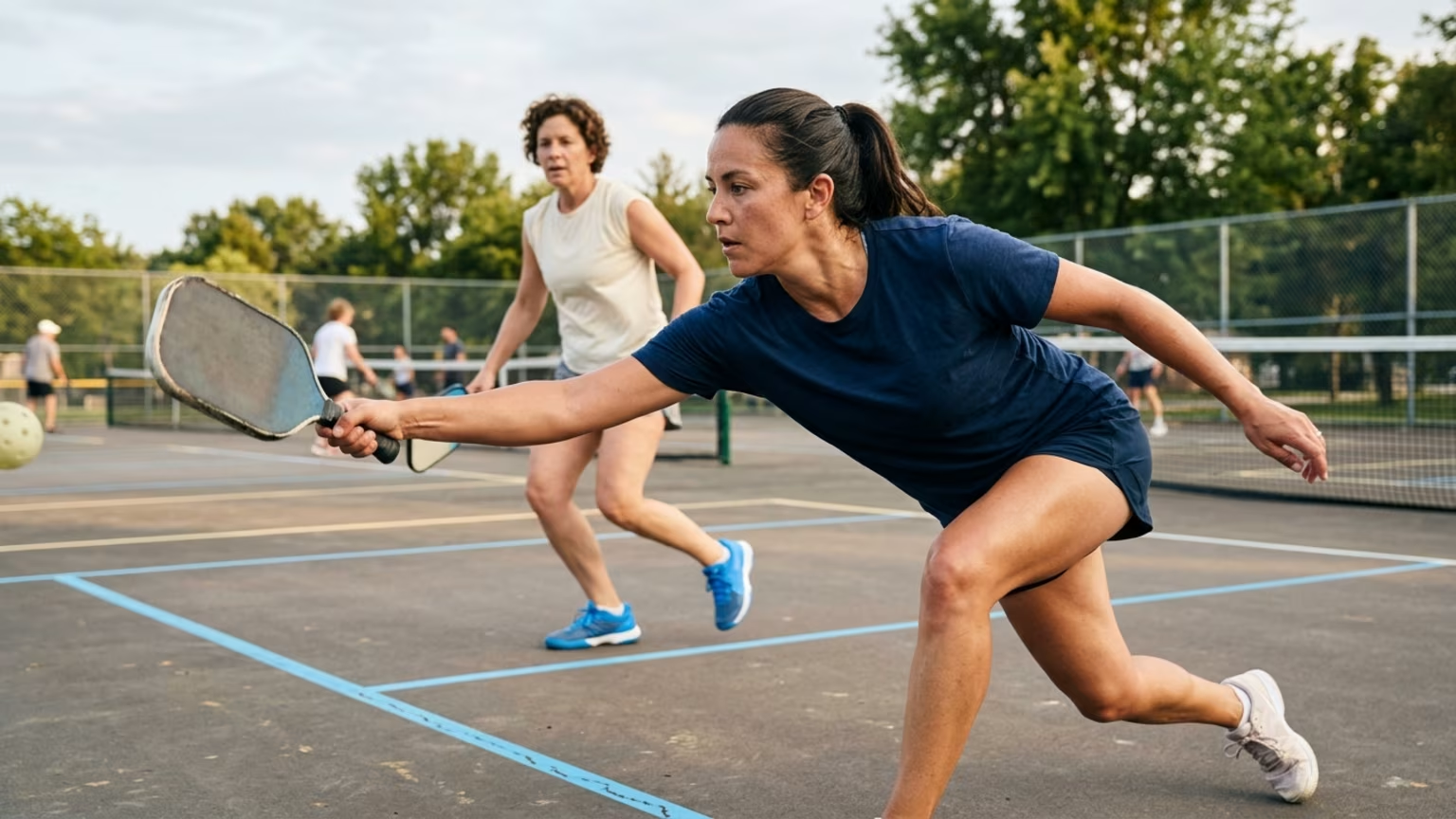
Learn how usable mobility in the ankles, hips, and shoulders helps adult pickleball players comfortably reach, turn, and change direction safely on the court.
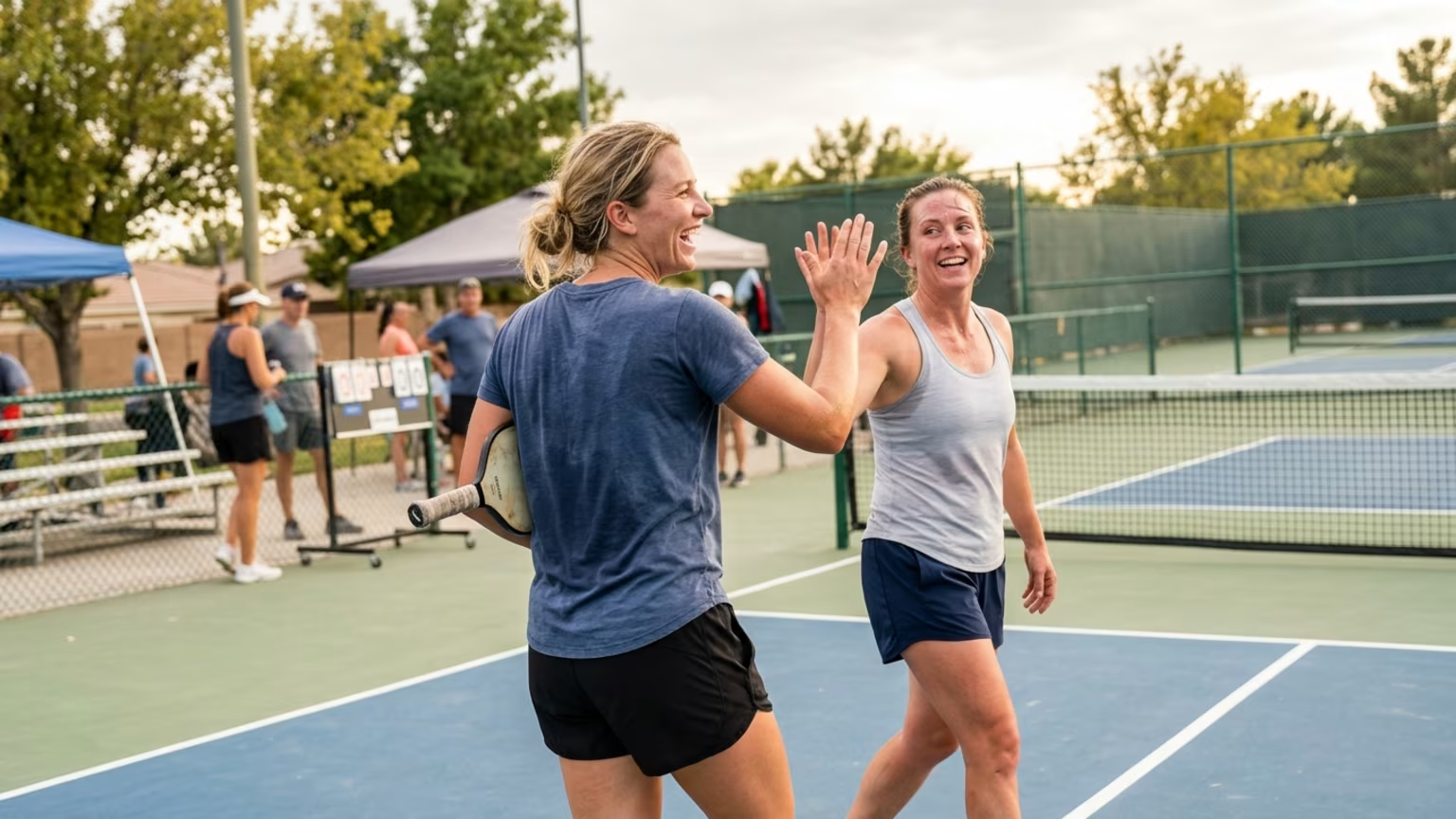
The 2026 PPA Las Vegas Open featured major upsets across singles and doubles. Read how adult recreational pickleball players should interpret these results.
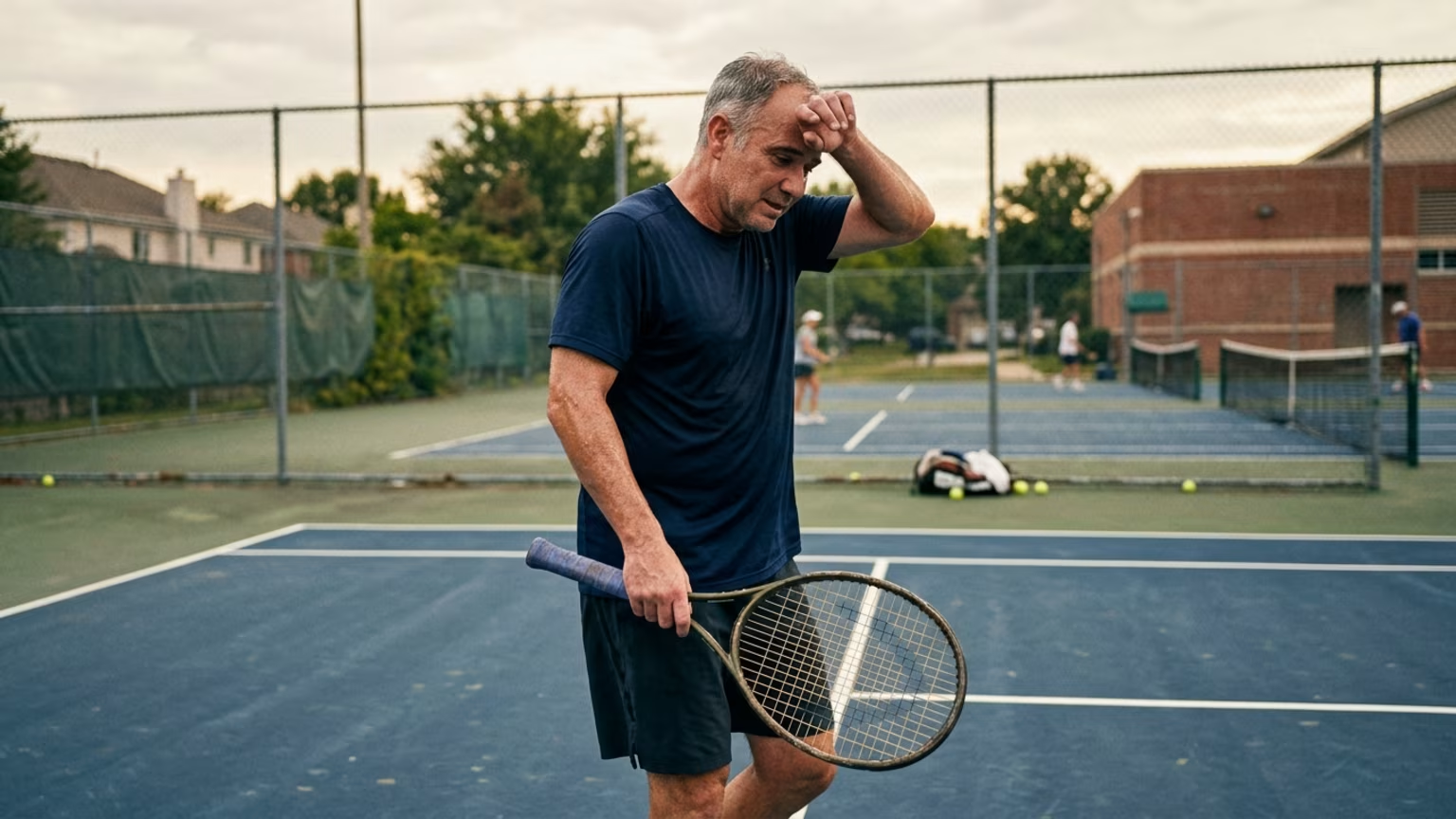
Andre Agassi called for a more secure tennis offseason. Read how the expanding calendar limits recovery time and why everyday players must plan their own rest.
Read practical guidance for better movement, smarter preparation and a game that keeps working for you.
explore the Blog
