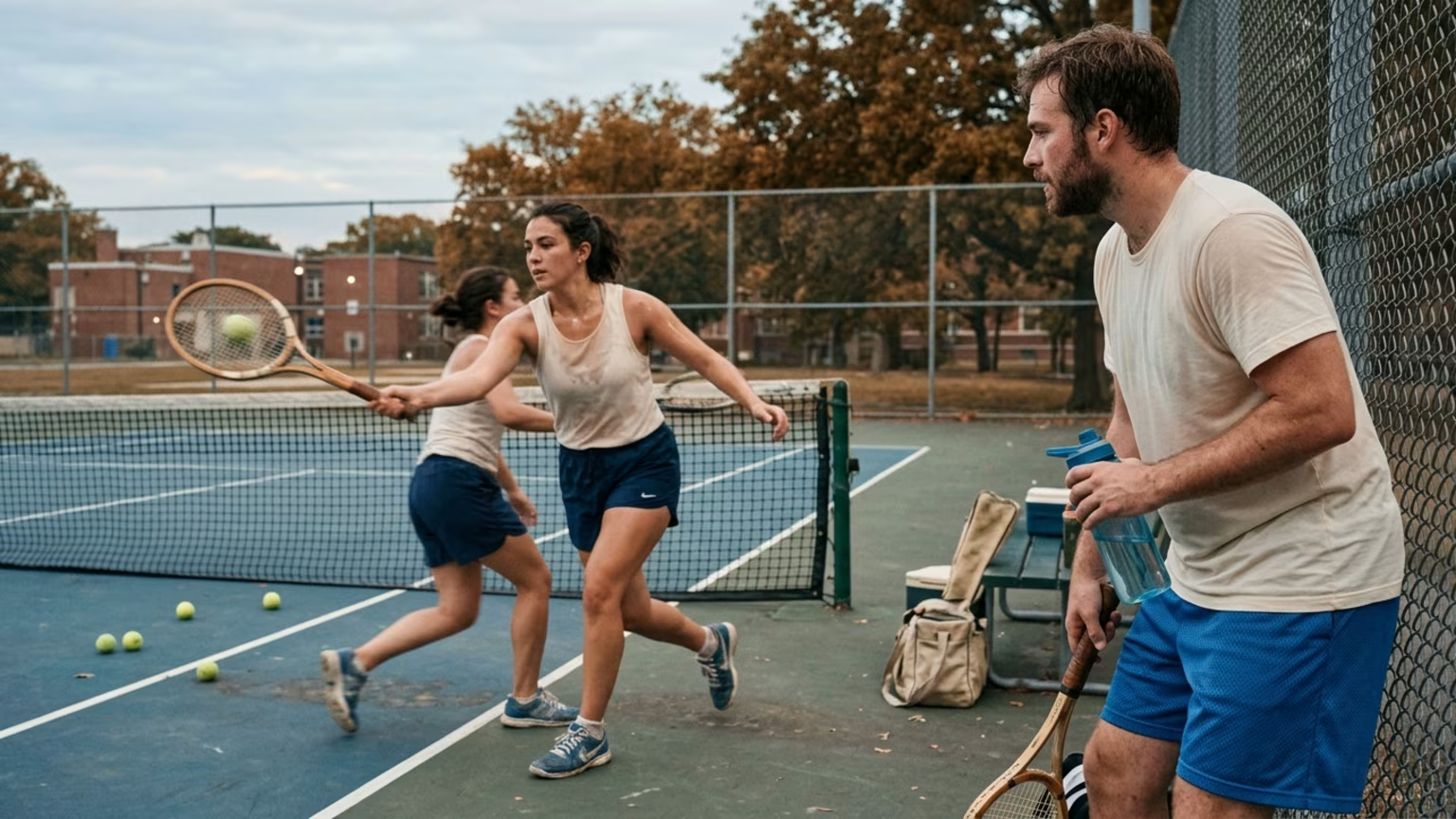

Build a practical, research backed 30-minute routine for tennis, pickleball, and padel. Master hydration, fueling, and recovery for better longevity.




You sit heavily on the bench after a brutal three set grinder under the midday sun. Your legs feel like lead, and your shoulder is radiating a dull ache. The thought of tomorrow's mixed doubles match fills you with quiet dread. The gap between your current exhaustion and your required readiness suddenly feels impossible to bridge.
The goal of a structured routine is not to mimic a professional athlete. Instead, this system helps the active adult player maintain physical capability and ensure athletic longevity. By stripping away complex fitness hype, you are left with practical habits that actually fit around work and family schedules. A consistent framework for hydration, fueling, and movement preparation keeps you court ready without unnecessary stress.
As one of our editors noted recently, "A few years ago, I realized my tennis serve speed was dropping, and my shoulder was constantly throbbing after matches. Instead of pushing through the pain, I took a month to rebuild my mechanics and focus on rotator cuff endurance. I stopped trying to hit flat aces and developed a much heavier kick serve. My win rate actually went up, and my shoulder stopped hurting. Sometimes longevity means outsmarting your own ego on the court."
At evercourts, we know that smart adjustments matter just as much as your pre game nutrition. A reliable system protects your ability to play the sports you love. It focuses on strength that transfers to the court rather than flashy workouts. Healthy aging requires a sustainable approach to your favorite hobby.
Hydration should start long before you step onto the baseline. The most effective approach focuses on individualizing your intake rather than forcing excessive water. Clinical guidance suggests approximately 5 to 7 mL of fluid per kilogram of body weight at least four hours before exercise [1]. You can drink an additional 3 to 5 mL/kg about two hours before if urine output is low or urine is dark [1].
During play, the British Dietetic Association recommends regular hydration using a practical approach. They advise players to drink enough to stay slightly ahead of thirst without overconsuming. Excessive drinking can dangerously dilute blood sodium, so you should avoid forcing fluids far beyond your actual needs [1]. The Centers for Disease Control and Prevention supports carrying a water bottle and checking urine color [2].
You need familiar carbohydrates to sustain energy during tough sets. USTA guidance distinguishes between a substantial meal three to four hours before exercise and a moderate carbohydrate snack 15 to 60 minutes before activity. A simple banana or a piece of toast often works best. You should avoid unfamiliar foods that might cause digestive issues.
For prolonged endurance activity, aim for a carbohydrate intake of approximately 30 to 60 grams per hour [1]. This steady supply helps prevent a mid match crash. USTA guidance similarly lists 30 to 60 grams of carbohydrate per hour for activity. Developing a repeatable match-day routine around familiar foods takes the guesswork out of your performance.
A well planned 20-minute match-readiness routine serves as your bridge from a sedentary workday to intense court movement. Spend several minutes engaged in brisk walking or light jogging. Follow this with controlled leg swings, walking lunges, and progressively faster shadow swings. This prepares your nervous system for the sudden multidirectional demands ahead.
Current evidence does not establish that one universal warm up prevents all injuries. However, progressive movement preparation remains a sensible habit for all active players. Do not rely on long static stretches right before a match. Instead, use the final minutes of your warm up to hit controlled groundstrokes and gradually increase your swing speed.
The first five minutes after you finish playing are crucial for recovery. Cooling down helps your body transition safely out of a high stress state. You should walk gently to lower your heart rate rather than stopping abruptly. Monitor yourself for any signs of heat stress. On hot days, CDC guidance supports using cooler court times, taking breaks, seeking shade and carrying fluids [2].
USTA recommends beginning recovery with a carbohydrate and protein snack within 30 minutes. You should follow this up with a balanced meal containing carbohydrate, protein and fat within two hours. This targeted timeframe helps replenish depleted energy stores efficiently. You can use simple options like yogurt and fruit or a turkey sandwich.
Your muscles require adequate building blocks after a demanding match. The National Institutes of Health summary of professional sports nutrition recommendations supports approximately 0.3 g/kg of high-quality protein within zero to two hours after exercise [3]. You should then space further protein servings evenly throughout the remainder of your day.
For a comprehensive recovery plan, total daily intake matters significantly. Athlete protein needs may fall in the range of 1.2 to 2.0 g/kg per day, depending on the training context [3]. You do not need expensive supplements to hit these numbers. A normal balanced meal usually provides exactly what your body requires.
Tennis matches often stretch past the two hour mark in direct sunlight. This prolonged exposure makes mid match fueling and heat management your primary concerns. You must prioritize the 30 to 60 grams of carbohydrate per hour guideline to maintain baseline energy. Keep a cooler beside the court with an electrolyte drink for these extended battles. You should also pack spare towels and grip changes to manage sweat during longer sets.
Pickleball requires rapid lateral movements and constant stop and start lunging. Your pre court warm up should emphasize hip mobility and lower body readiness. Spend extra time on side lunges and dynamic calf stretches before your first game. A strong movement maintenance system specifically targeting the lower joints will serve you well here. The shorter court means you have less reaction time, so waking up your nervous system early is mandatory.
Padel involves frequent overhead smashes and heavy rotation out of the back corners. You need to focus your warm up heavily on the shoulders, upper back, and core. Incorporate torso rotations and extensive shadow overheads before stepping into the cage. Since matches are often played in shaded or indoor environments, your sweat rate might feel deceptive. You still need to drink adequate fluids even if the sun is not beating down directly on you.
Focus on consistency with these basic habits rather than seeking perfection on every single outing.
Follow Evercourts for practical insights on tennis, pickleball and padel performance, movement, recovery and healthy ageing. Stay connected for new articles, research-led guidance and ideas to help you play well and keep playing for years.


A recent live-play test of a silent pickleball highlights its value for practice, but standard balls still perform better for match play and power control.

An evidence check on sports supplements like tart cherry juice. Learn why racquet sports players should prioritize core nutrition over functional foods.
In late 2026, Oura analyzed wearable data to see how recreational tennis impacts heart health and recovery. Learn what this means for your athletic longevity.
Read practical guidance for better movement, smarter preparation and a game that keeps working for you.
explore the Blog
