

A research-led look at tennis training load, with a simple log for court time, effort and symptoms to support a considered return after a break.




Training load is the work involved in a playing session and how demanding that work feels to the player. Court time captures part of that picture. Effort and the way you feel afterward help describe the rest.
After a break from tennis, this distinction gives you a useful reference point. A session can be longer or more strenuous than your recent routine even when it resembles something you regularly played before. The useful comparison is with what you have been doing lately, rather than what once felt ordinary.
That makes rebuilding court time a question of observation as well as scheduling. Recording minutes alongside effort and symptoms offers a practical basis for considering the next session.
Tennis involves repeated explosive efforts and changes of direction rather than one continuous effort. When considering workload, the relevant question is therefore not simply how long the court was booked. It is also how demanding the play within that time felt.
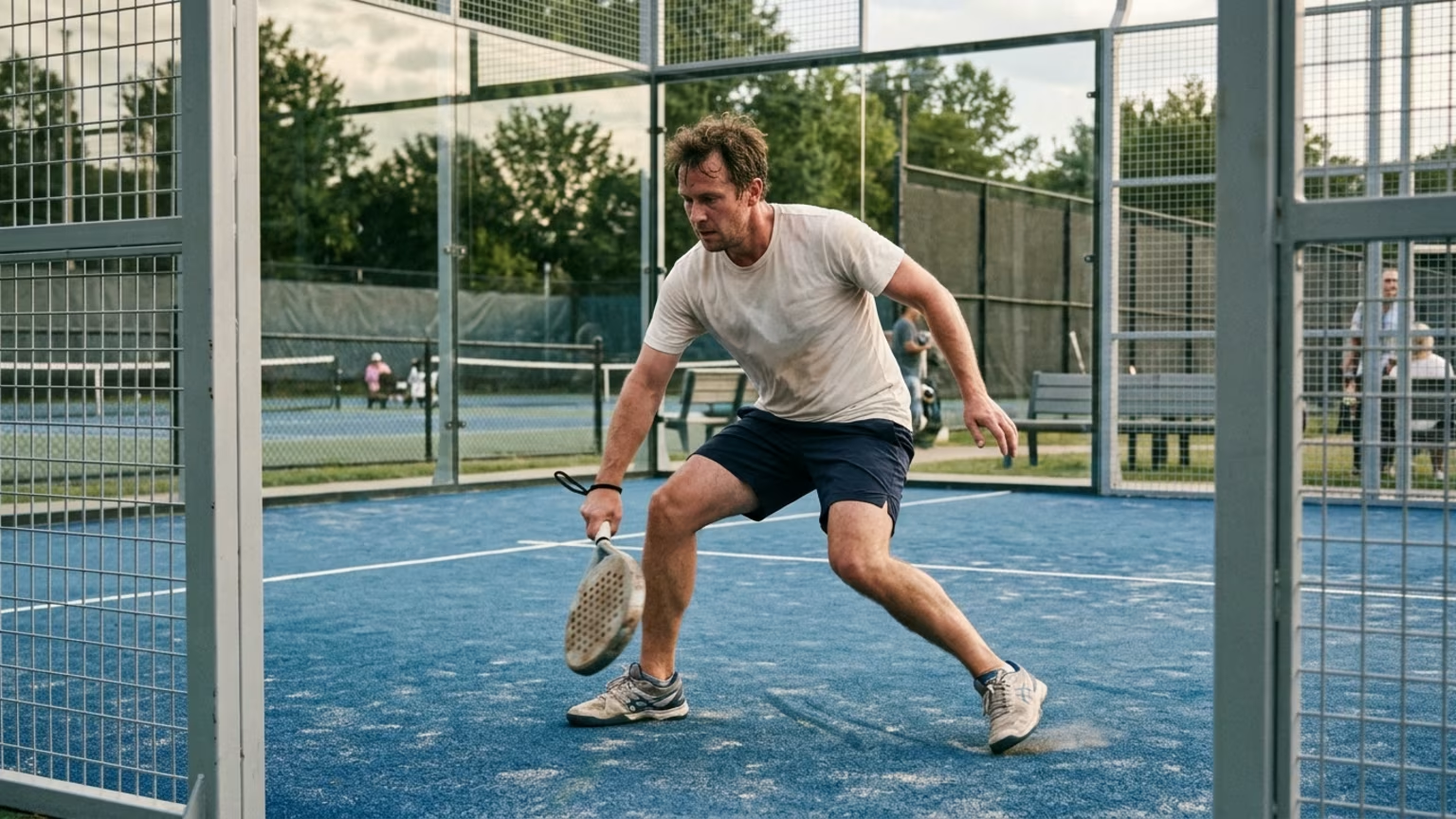
The same question belongs in pickleball and padel. Repeated quick efforts and direction changes deserve attention alongside session duration. A familiar amount of court time should not automatically be treated as a familiar level of demand.
For someone moving between these sports, the practical approach is to record each session on its own terms. Note the sport and your response rather than assuming that equal minutes represent equal effort. There is no need to rank the sports by difficulty to make the record useful.
A secondary summary of a 2025 systematic review describes 37 observational studies of injury risk and prevention in high-performance tennis players. These included 18 adult studies and 16 adolescent studies, alongside three mixed-age studies. The summary reports an association between abrupt workload increases and injury risk.
A separate tennis monitoring worksheet offers a practical way to describe a session. It records duration and session RPE, meaning the player's overall rating of perceived exertion. Multiplying duration in minutes by session RPE produces a rough estimate of internal session load.
The evidence has clear boundaries. The review's observational findings do not prove that sudden increases cause injury or that gradual increases prevent it, and its high-performance populations do not directly validate return schedules for recreational tennis, pickleball or padel. The worksheet is a practical resource rather than a clinical standard, and its calculation measures neither mechanical work nor energy expenditure. Together these sources provide no universal progression schedule or clinical return-to-play clearance criteria.
The practical takeaway is narrower than an injury-prevention promise: pay attention to substantial changes in workload. Duration and effort give you information to consider together. Neither needs to become a target that must rise every time you play.
For adult players, the athletic-longevity value of monitoring is a more informed relationship with court time. The aim is not to identify the largest session you can complete. It is to make choices that reflect your recent playing routine and your response to it.
This is an editorial application of the research: use a record to support decisions rather than allowing an old schedule to make them automatically. Your previous routine remains useful context. Your recent sessions provide the more immediate comparison.
The monitoring worksheet includes readiness and symptoms as well as duration and effort. A paper note or phone log can capture those observations without requiring a wearable.
A practical record can include:
The decision field matters because recording information is different from using it. Before another session, the record gives you something concrete to compare with your plan. Does the planned court time represent a substantial increase? Is the intended effort different from what recently felt manageable?
Those questions do not require a fixed weekly increase. They make a gradual return a process of comparing recent exposure with the next proposed demand. Holding steady is one available decision rather than evidence that the return has stalled.
Keep the individual observations visible even if you calculate a session-load score. Duration tells you how long you played. Effort describes how strenuous the session felt, while the symptom and performance notes preserve details that a single total cannot express.
For example, a note that play felt manageable tells a different story from a note that movement felt difficult. Both belong beside the minutes recorded. The purpose is to remember the session accurately rather than reduce it to a successful or unsuccessful outing.
This approach fits within planning the wider return to court. Keeping a brief movement note also connects with giving movement its own place in the return. Court attendance and the experience of playing are related observations, but they are not interchangeable.
The healthy-aging aim is continuity, not a rapid return to a previous maximum. A useful log leaves room to acknowledge an enjoyable session and an unexpectedly demanding one without turning either into a verdict on your future as a player. It provides a record from which the next decision can be made.
Persistent symptoms or symptoms that feel concerning are reasons to consult a qualified physiotherapist or healthcare provider. That includes symptoms you continue to record across sessions rather than an isolated note that is soon forgotten. Personal decisions about returning after injury belong in that conversation.
The log can help you describe what happened. Court minutes and effort show the session's context, while symptom and movement notes describe your experience. Bring those observations to the discussion rather than treating the calculated load as permission to progress.
Rebuilding court time is not only about reaching a familiar number of minutes. It is also about noticing how the game feels now, with enough perspective to keep the next visit in view.
Follow Evercourts for practical insights on tennis, pickleball and padel performance, movement, recovery and healthy ageing. Stay connected for new articles, research-led guidance and ideas to help you play well and keep playing for years.


Compare racquet, paddle and court-shoe upgrades by fit, feel, surface and budget, with practical demo checks and a clear buying priority.

Understand calf and ankle demands in racquet sports, what injury research shows, and how gradual preparation can be scaled to current ability.
Understand padel’s movement demands and how practitioner guidance frames strength, balance and controlled direction changes alongside cardio.
Read practical guidance for better movement, smarter preparation and a game that keeps working for you.
explore the Blog
