

Compare racquet, paddle and court-shoe upgrades by fit, feel, surface and budget, with practical demo checks and a clear buying priority.




The consumer guides behind this comparison offer practical buying advice. They do not establish that a particular specification or purchase prevents injury or improves results across adult players. The priorities below are editorial purchasing judgments, including the application of tennis-shoe guidance to padel.
A racquet or paddle is the hitting side of this comparison. Judge a replacement by its comfort, control and handling during realistic play. The useful question is how the equipment works with your physical capabilities, not what capability its marketing promises to add.
A pickleball paddle buying guide recommends considering grip size and weight alongside shape, face material and budget. Holding and playing with the paddle forms part of that decision. Treat those specifications as comparison points rather than a ranking system with one automatic winner.
For a racquet buyer, the same editorial principle applies: identify a meaningful difference during play before making the purchase. A change that sounds substantial on a product page still needs to earn its place on court.
Another paddle guide recommends borrowing or demoing several options. It also advises trying different shapes and noticing arm comfort after longer play rather than judging only the opening minutes.
A practical comparison can follow these questions:
Approval is a competition requirement, not a reason every recreational player needs tournament-oriented equipment. Persistent discomfort belongs in a conversation with a qualified healthcare professional rather than an extended shopping comparison.
Court shoes present a different buying problem. The comparison concerns how securely they fit during movement and whether they suit the surface you regularly use. That makes them a separate decision from choosing a more comfortable or better-handling hitting tool.
A tennis-shoe buying guide distinguishes clay-focused tread from general all-court use. It recommends prioritizing fit over brand or advertised technology. Its checks include a secure heel, room for the toes and comfort during lateral movement.
The guide's practical recommendations support a straightforward fitting checklist:
The buying question is whether the shoe stays comfortable and secure during movement. A pleasing first impression in the shop is only part of that assessment.
This fit-first approach also informs choosing equipment around your movement. The goal is a clear match between equipment and use, not a collection of impressive specifications.
Sport-specific demands make the comparison more useful. They give the trial a purpose rather than supplying an automatic winner for every player.
For tennis, put the shoe question beside the racquet question rather than treating them as interchangeable upgrades. Does the shoe suit the regular court surface and remain secure during movement? Does the racquet feel meaningfully better during varied shots and points?
The editorial priority is to resolve an obvious shoe-fit or surface mismatch first. If those needs are already met, a racquet demo can focus on the hitting experience instead of competing with an unresolved footwear decision.
For pickleball, assess the paddle beyond its first few contacts. The paddle guides support comparing several options and judging comfort after longer play. That offers a more relevant buying test than choosing by face material alone.
Keep the footwear assessment separate: a preferred paddle does not answer whether the shoes fit securely during lateral movement. If sanctioned competition is part of the plan, include the exact-model approval check before purchasing.
For padel, use multidirectional movement to frame the shoe-fitting questions. Consider heel security and toe room alongside the regular surface. Standing comfort should not be the whole comparison.
For the racquet purchase, keep the decision centered on comfort and handling during actual play. Set these questions within your playing style and priorities, rather than buying for a game you do not regularly play.
The paddle buying guide offers example budgets of $40-$80 for a first paddle and $80-$150 for a next paddle. These are that guide's suggested spending bands, not universal prices or required upgrade levels.
Set a ceiling before the shortlist. Then judge each purchase against the problem it is meant to address. A more expensive option still needs to demonstrate a worthwhile difference in fit, comfort or handling.
Playing frequency belongs in this discussion as context. Base the comparison on your regular sessions and surfaces rather than an imagined future schedule. An occasional player and a frequent player can use the same questions without needing identical purchases.
It also helps to distinguish maintenance, replacement and upgrading. Buying something different is not the only useful equipment decision.
Court shoes win this buying-priority match-up. For Evercourts' mission of helping players keep enjoying racquet sports, settling fit and surface suitability comes before chasing a different racquet or paddle.
That does not mean replacing shoes that already meet those needs. It means giving an unresolved footwear mismatch first claim on the budget. Once that question is settled, the racquet or paddle must earn its place through a meaningful trial.
The lasting buying principle is simple: choose equipment for the movement and play it needs to support. A worthwhile upgrade answers a real need, not merely a new product claim.
Follow Evercourts for practical insights on tennis, pickleball and padel performance, movement, recovery and healthy ageing. Stay connected for new articles, research-led guidance and ideas to help you play well and keep playing for years.


Understand calf and ankle demands in racquet sports, what injury research shows, and how gradual preparation can be scaled to current ability.
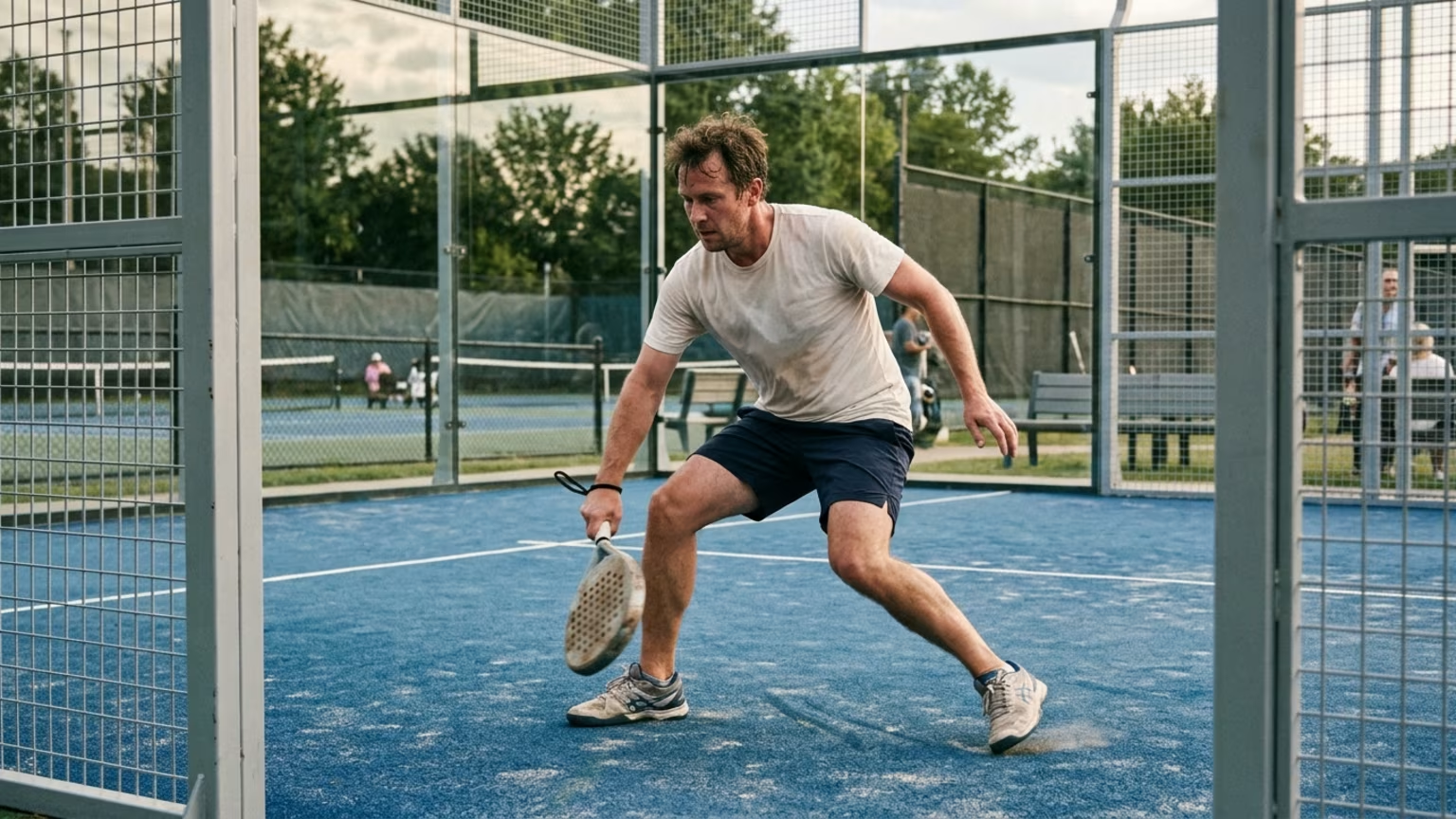
Understand padel’s movement demands and how practitioner guidance frames strength, balance and controlled direction changes alongside cardio.

How modest strength work can fit around tennis, pickleball and padel, with adaptable movement patterns and a clear look at the evidence.
Read practical guidance for better movement, smarter preparation and a game that keeps working for you.
explore the Blog
