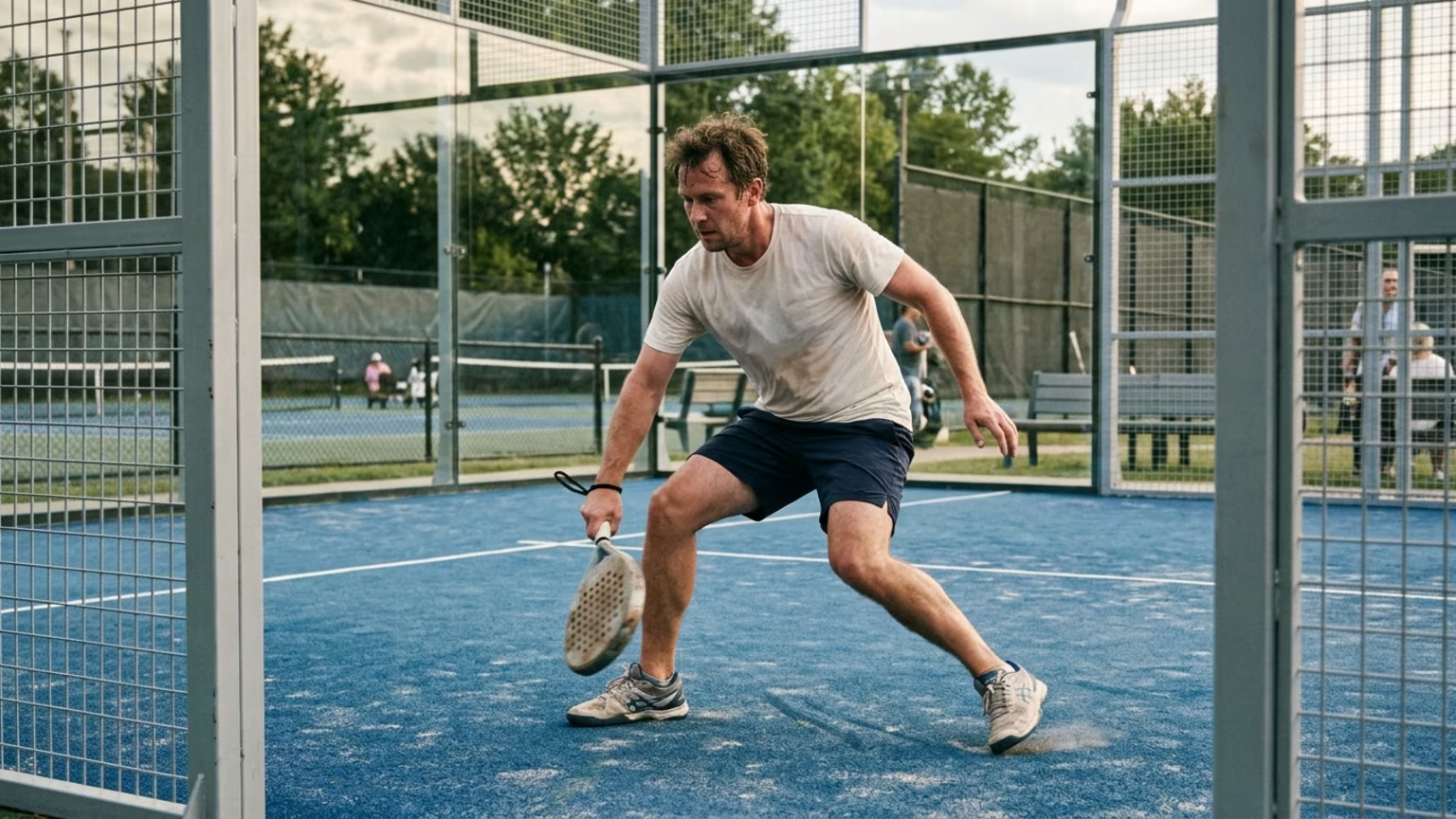

Understand padel’s movement demands and how practitioner guidance frames strength, balance and controlled direction changes alongside cardio.




Movement capacity is the ability to start, stop and change direction with control. For padel players, it is a useful way to think about physical preparation beyond simply getting through a match.
Cardiovascular capacity concerns sustaining and repeating effort. Movement capacity puts the focus on how that effort is expressed through short accelerations, lateral movement and controlled stops. This distinction is a practical framework for preparation rather than a reason to choose one quality over the other.
The useful question is not whether padel counts as exercise. It is whether the wider training plan gives attention to the movements that playing demands.
A short movement can still deserve serious preparation. In padel, moving into position is only part of the task. Braking and preparing for the next direction also belong in the picture.
A commercial guide to padel preparation recommends lower-limb strength alongside deceleration control and balance. It also includes unilateral exercises, trunk strength and upper-body work. That combination directs attention beyond running fitness alone.
For tennis and pickleball players, the same movement-based lens is useful when considering repeated explosive efforts and changes of direction. The question is not only how quickly a player reaches the ball. It is also how they manage the stop and the movement that follows.
For padel preparation, that suggests separating three questions:
These questions help keep aerobic conditioning in the picture without asking it to cover every training need. They also provide a useful lens for thinking about padel’s multidirectional movement patterns.
The usable recommendations here come from commercial practitioner guidance rather than a tested padel training programme. These sources do not establish an exercise dose, an ideal weekly schedule or an injury-prevention effect. The recreational and competitive options below are editorial ways to organize those recommendations rather than validated training categories.
Within that boundary, the guidance offers a straightforward supporting framework: leg strength, single-leg balance and controlled directional movement.
A separate commercial article on padel conditioning advises keeping resistance training in a player’s weekly routine. Its examples include squats or split squats, hip hinges, calf work and trunk exercises.
Those examples offer a menu rather than a requirement to perform every exercise. Squats and split squats fit the lower-body strength theme. Hip hinges and calf work broaden that exercise selection, while trunk exercises reflect the wider preparation described in both guides.
For a recreational player, an adaptable version could emphasize controlled bodyweight strength. For a competitive player with relevant training experience, the same theme could include more demanding unilateral strength work. The distinction is the level of challenge rather than a completely different training philosophy.
This keeps the discussion grounded: a supporting routine needs a clear purpose before it needs an impressive exercise list.
The padel-preparation guide recommends both unilateral exercises and balance work. Unilateral simply means working one side at a time.
In a supporting framework, this gives single-leg control its own place rather than leaving balance as an afterthought. A split squat is one exercise example already included in the practitioner guidance. Balance or stability work represents a related preparation theme rather than an interchangeable substitute for strength work.
The practical interpretation is to consider both qualities when reviewing a training plan. An exercise being demanding does not automatically explain which quality it is intended to address.
The same preparation guide includes deceleration control. That matters to the article’s central distinction: practising movement is not only about producing a faster start.
An adaptable recreational version could use low-speed changes of direction with attention to the stop and repositioning. A more demanding competitive version could involve faster directional work while retaining control. These are ways to scale the movement theme without turning every supporting session into another match-intensity effort.
The framework can therefore be summarized without prescribing sets or repetitions:
Aerobic work still belongs in the wider programme. This framework is intended to complement that work and court time rather than replace either one.
For adult players, athletic longevity is a planning goal: maintaining the physical capabilities that make continued participation possible and enjoyable. Understanding movement capacity gives that goal a more concrete focus than simply trying to play more often.
A match calendar records when someone plays. A preparation plan can also identify where strength, balance and directional work belong. Looking at both offers a clearer picture of how court time fits within the wider week.
This is a useful starting point for balancing matches with supporting strength work. The purpose is not to make every available day harder. It is to give each part of preparation a recognizable role.
A recreational player may favour a straightforward supporting routine that remains manageable beside other commitments. A competitive player may choose more demanding versions of the same themes. Neither approach needs to treat exhaustion as the measure of a worthwhile session.
The longer-term perspective also changes the question being asked. Instead of asking only whether training felt difficult, a player can ask what it was intended to prepare them for. That is a practical way to connect today’s choices with habits that support continued participation.
A qualified physio or healthcare provider is the appropriate person to consult when pain or recurring stiffness is influencing how you play. That conversation is also relevant when you are changing your movement to work around discomfort or are unsure which exercises suit your situation.
Questions about returning to play or progressing a routine belong in individual care when the answers depend on your health circumstances. A general training framework is not a personal assessment.
A lasting relationship with the court leaves room for both effort and restraint.
Follow Evercourts for practical insights on tennis, pickleball and padel performance, movement, recovery and healthy ageing. Stay connected for new articles, research-led guidance and ideas to help you play well and keep playing for years.


How modest strength work can fit around tennis, pickleball and padel, with adaptable movement patterns and a clear look at the evidence.
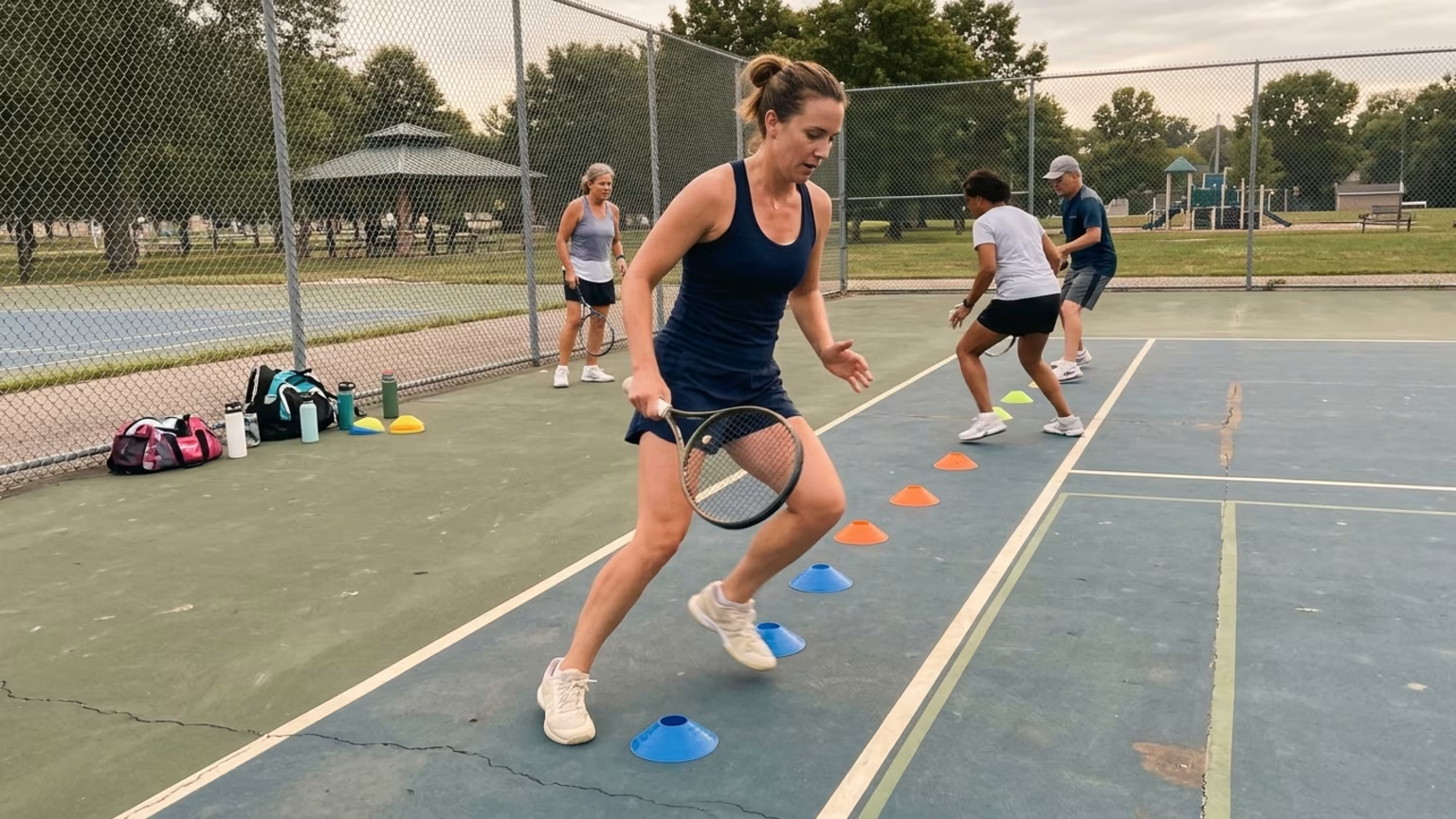
Build a warm-up from easy movement to court footwork and strokes, with clear evidence limits and guidance on when to seek professional advice.
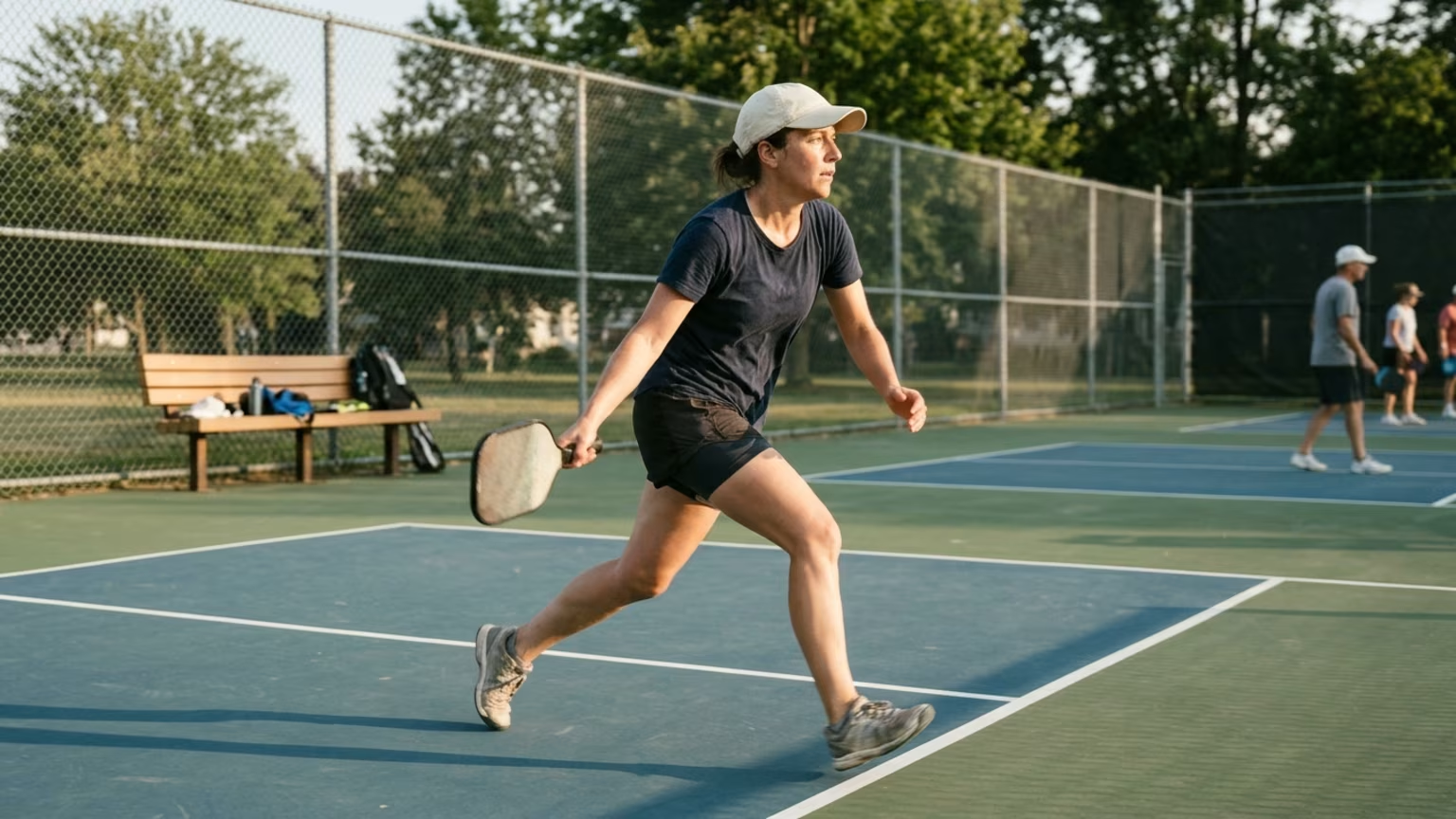
An evidence-led look at pickleball lunges, balanced recovery, movement practice and when to seek professional advice.
Read practical guidance for better movement, smarter preparation and a game that keeps working for you.
explore the Blog
