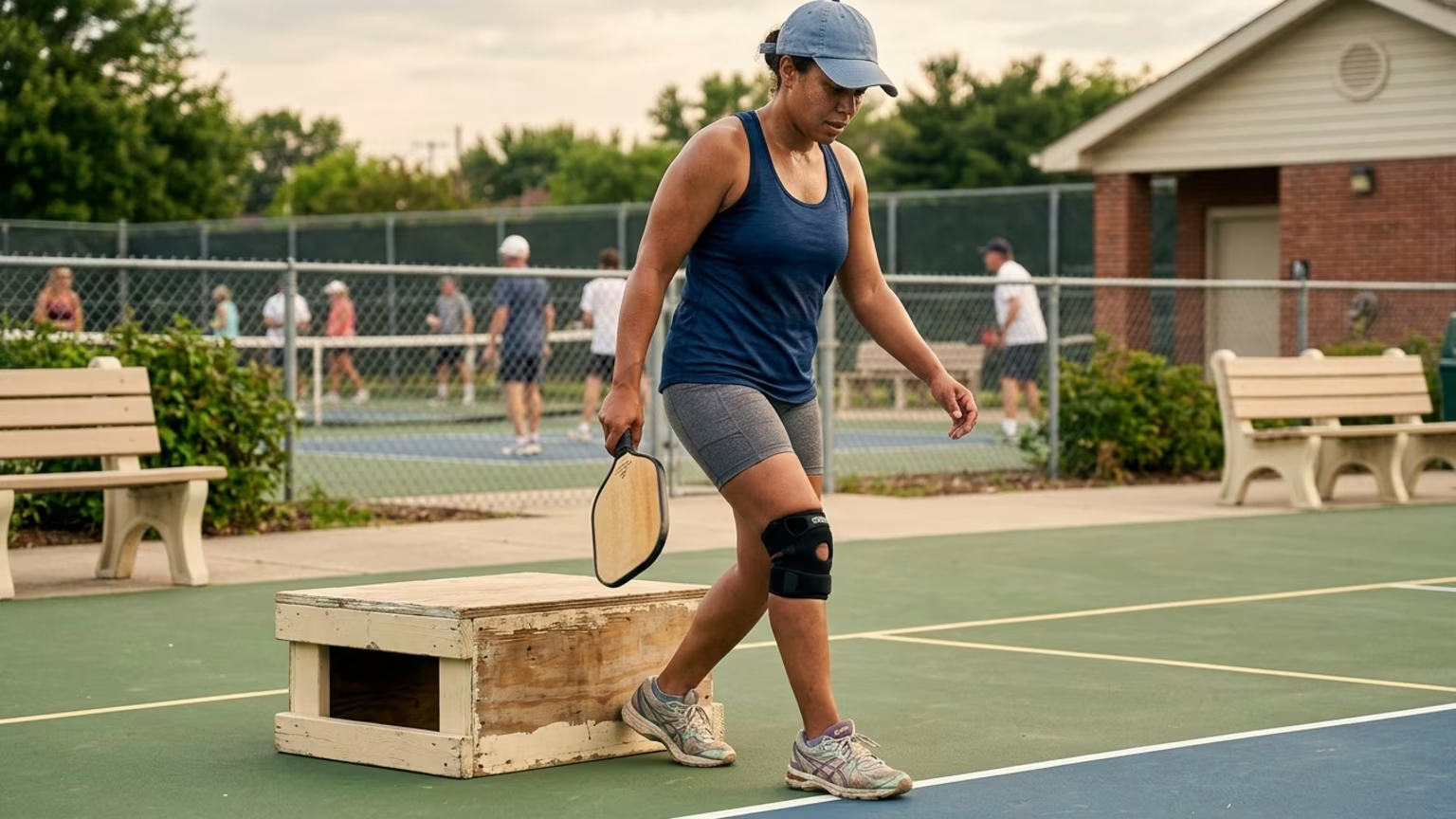

Jannik Sinner withdrew from the 2026 U.S. Open to protect his right knee. Learn why prioritizing long-term recovery beats a rushed return to the tennis court.




Jannik Sinner missed two major hard-court tournaments before withdrawing from the 2026 U.S. Open. He traded three massive competitive opportunities to protect a single inflamed right knee. Professional athletes do not view rest as a sign of weakness. Pushing through joint pain is a quick way to shorten your playing years.
Elite players understand that stopping completely is often the smartest strategic move. Playing through a known injury does not make you tough. It simply makes you a spectator for the rest of the season.
Fitness marketing often sells rapid return protocols and immediate bodily fixes. Social media constantly tells players to grind through soreness and ignore minor aches. The reality for adult racquet athletes is completely different. Persistent knee pain demands a complete halt to intense court movement.
As ESPN Deportes reported, Sinner shifted his priority away from a fast return. His team is focusing on giving the knee sufficient time to recover before increasing intensity. They understand that forcing court action too soon risks long-term damage.
Recreational players must adopt this exact mindset to protect their athletic longevity. You cannot fix structural stress by ignoring the pain it causes. Our roster includes many dedicated adult players who feel immense pressure to maintain their weekly matches. They fear that taking time off means losing all their hard-earned cardiovascular fitness.
In truth, resting an injured joint preserves your ability to play for decades. Former player Greg Rusedski argued that Sinner should prioritize the next ten years of his career. That same logic applies perfectly to amateur players wanting to stay competitive. A rushed return is a gamble you will eventually lose.
Tissue recovery requires a deliberate reduction in physical stress over time. Reports citing La Gazzetta dello Sport say Sinner is taking a complete break from racquet training. This pause might keep him away from on-court practice until September 6. Taking this break allows the inflamed joint to settle without the unpredictable demands of tennis.
Racquet sports force rapid acceleration, hard stops, and sudden changes of direction. These explosive movements place massive loads on the lower body. Early rehabilitation must limit pivoting and cutting until joint function improves. Sinner is reportedly continuing physiotherapy at Juventus’s J Medical facility in Turin.
Clinical guidance emphasizes that a return to play is a highly layered process. It starts with comfortable movement and basic strengthening exercises. Eventually, athletes progress toward low-impact conditioning and agility drills. Sport-specific work only begins when the joint proves it can handle the stress.
Load management involves controlling the volume and intensity of all physical work. Managing this process carefully helps players distinguish normal recovery from real injuries. The withdrawal changed the 2026 U.S. Open draw significantly. Alexander Zverev became the men’s top seed following the announcement.
Carlos Alcaraz entered as the defending champion and a leading contender. Bookmakers even moved Alcaraz’s odds after Sinner exited the tournament. While the professional landscape shifted, the underlying health lesson remains very clear. Rushing back to competition is rarely worth the physical gamble.
Clinical sources look for reduced swelling and restored strength before clearing players. Rushing this specific process usually leads to a painful setback. No player can bypass the biological limits of human tissue healing.
In our experience at Evercourts, pushing through fatigue rarely works. "I used to think a tough conditioning block was the only way to improve my court endurance. Then I started tracking my sleep. I noticed that on days I slept less than six hours, my reaction time at the net was noticeably sluggish, and I felt gassed by the second set. Prioritizing consistent rest did more for my late match stamina than any extra sprints ever did. Recovery is the true foundation of performance."
Healthy aging requires us to respect our physical limits and adapt our routines. Instead of playing through knee pain, players should step back and rebuild their capacity carefully. You can return to racquet sports after injury by following a disciplined reloading framework. Start with low-impact conditioning if a medical professional approves.
You might maintain fitness on a stationary bike while resting your knee. Separate tennis rest from all movement to keep your body active. Active recovery methods can facilitate blood flow without straining the vulnerable area. This approach protects your aerobic base while the joint fully heals.
Check the joint's response over the following day after any light exercise. Pain during activity is only one signal of physical distress. Swelling or a meaningful deterioration suggests the current workload is too high. Pay close attention to these warning signs to avoid chronic inflammation.
When you finally return to the court, test your joint progressively. Begin with controlled hitting before attempting competitive match play. Add court coverage and open-play points one step at a time. The reported target for Sinner is the ATP 500 event in Beijing.
That specific tournament runs from September 30 through October 6. This timeline shows how much patience a gradual return actually requires from an athlete. Building a tournament calendar that protects your recovery ensures you never rush your rehabilitation process. Taking a few weeks off now can save you months of rehabilitation later.
If tennis or pickleball aggravates the knee, remove the provocative activity first. Ask a clinician or physiotherapist whether walking, cycling, or pool exercise is appropriate for you. Rehabilitation sources specifically describe low-impact conditioning as a possible way to maintain fitness. This keeps the rest of your body engaged while reducing joint stress.
Seek professional assessment for recurrent swelling, heat, locking, or instability. A pain-free practice session does not automatically equal true match readiness. Tennis competition adds repeated high-intensity movement, physical fatigue, and unpredictable changes of direction. A sensible return needs to test progressively more demanding activities rather than relying on a short hitting session.
You must prioritize long-term court time over any single event or match. Smart athletes treat rest as an active phase of their training cycle. Taking time away from the court is simply another form of professional load management.
Trading a few major tournaments for complete rest is not a sacrifice, but the most essential investment in your next decade on the court.
Follow Evercourts for practical insights on tennis, pickleball and padel performance, movement, recovery and healthy ageing. Stay connected for new articles, research-led guidance and ideas to help you play well and keep playing for years.


Holger Rune withdrew from the European Open with a back problem. The facts behind his decision and a grounded perspective for recreational players.

The Dink’s October 17 guide emphasizes deep returns, ball-height decisions and positioning against faster pickleball opponents.

A new report outlines padel and tennis gear trends. Learn how to assess adjustable rackets, sensor feedback and smart-court claims.
Read practical guidance for better movement, smarter preparation and a game that keeps working for you.
explore the Blog
