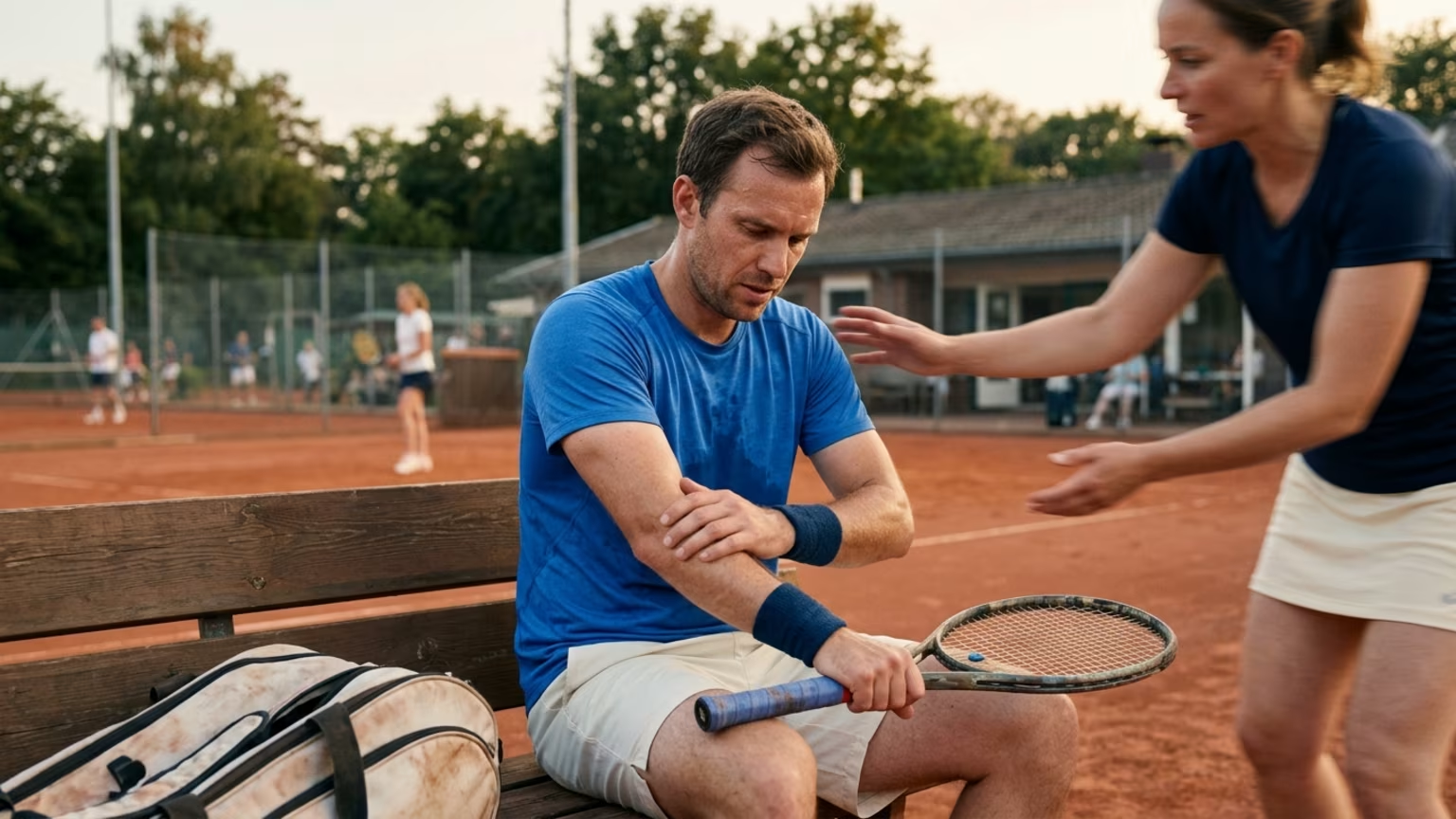

Learn to read your body accurately. This practical guide helps racquet sports players distinguish normal soreness from acute injuries for long term health.




In early 2026, researchers published new findings showing that lower extremity injuries make up 44.0 percent of pickleball related injuries. This specific data point highlights the hidden physical toll facing adult players today. Navigating court time now means learning to read the body accurately.
The research provided clear insights into where players feel the most physical impact. The knee and the ankle or foot were among the most frequent injury sites. A separate 2026 study of amateur padel players reported persistent symptoms after ankle sprains. These players experienced recurrent instability and moderate functional impairment despite taking relatively short return timelines.
The findings emphasize that injury prevention begins with accurate self assessment. For years, racquet sports instruction focused heavily on technique and match tactics. Physical literacy and injury management were often treated as secondary concerns. This recent data proves that understanding your physical limits is just as important as perfecting a serve.
This fresh medical data reframes how we view post match recovery. The findings show that pushing through unassessed pain often leads to longer health setbacks. Players are now learning that identifying the source of their discomfort is a critical skill. Court movement requires players to learn how to change direction under pressure while safely absorbing force.
Professional players rely on dedicated medical teams to interpret every physical ache immediately. Recreational athletes must translate their own physical feedback without a court side physiotherapist. A weekend league player should view ordinary soreness as a highly manageable reality. However, real injuries require a completely different approach to keep you playing long term.
ACSM related guidance makes a clear distinction between standard fatigue and acute trouble. Delayed onset muscle soreness typically begins 12 to 24 hours after exercise. This normal soreness peaks within 24 to 72 hours and lasts approximately three to five days. It usually feels like a diffuse, dull ache in the heavily used muscles.
This normal soreness is more likely after an unfamiliar activity or a sudden workload increase. Demanding eccentric muscle actions, such as decelerating or lunging, heavily contribute to this feeling. Landing from a jump or lowering the body under tension also triggers this familiar muscular ache.
Acute injuries behave differently and demand immediate respect. ACSM related guidance distinguishes ordinary soreness from sharp pain starting during exercise. A tendon issue might involve sudden pain, a noticeable pop, or rapid swelling. Continuing to play through altered movement places dangerous stress on healthy joints.
Players can use a practical decision framework to interpret their daily physical symptoms. The most useful clinical principle is that pain behavior is more informative than intensity alone. A commonly used physiotherapy 0 to 3 out of 10 pain rule provides a highly practical baseline. This rule treats mild discomfort as potentially acceptable if it settles completely within 24 hours.
A simple traffic light system helps categorize these varied physical warning signs. Green symptoms appear hours after activity and feel like broad muscular stiffness. They improve with gentle movement and trend better over the next several days. Light exercise is reasonable when these symptoms remain comfortable and highly manageable.
Amber symptoms require you to modify your training or take a short rest. This category includes pain that is localized rather than diffuse, or discomfort that interferes with walking, gripping, or serving. If symptoms remain unchanged or worsen, you should stop the provoking movement immediately. Substituting a pain free activity helps maintain fitness while you reassess over 24 hours.
Red symptoms demand that you stop and seek professional medical assessment. These include an inability to bear weight, significant deformity, or a joint giving way. ACSM related guidance advises immediate medical attention for unexpectedly severe muscle pain, rapidly worsening symptoms, unusual weakness, or dark urine.
Before stepping onto the court, players should record a few simple movement baselines. You should first check your normal walking tolerance and single leg balance. You should also check for completely pain free shoulder and trunk rotation. Finally, assess your ability to grip and swing a racquet without any forced physical compensation.
These movement checks take less than two minutes to perform before a match. However, they provide incredibly valuable data about your physical readiness on any given day. Recognizing a tight shoulder before you start serving prevents you from straining related muscles. A simple balance check might reveal lingering fatigue that you had not consciously noticed.
Comparing these baselines from side to side highlights any subtle movement restrictions. If gentle movement improves a tight area, a modified practice session might be safe. If a warm up causes sharper pain, the session must be adjusted immediately. Ignoring these early checks often turns a minor restriction into a longer recovery phase.
A sensible progression involves increasing only one variable at each practice session. You might add duration, court coverage, or match competitiveness slowly over time. This targeted approach ensures that any unexpected symptom flare up is much easier to interpret. Rebuilding gradually protects your joints while you enjoy competitive racquet sports as you age.
The broader numbers clarify why symptom assessment matters so much for adult players. A ValuePenguin analysis of Consumer Product Safety Commission data tracked recent emergency trends. The analysis estimated that United States pickleball related emergency room visits surged significantly. These specific emergency visits rose from about 8,300 in 2018 to more than 31,000 in 2025.
Understanding this sheer volume helps reframe how adult players view their own minor aches. The number of hospital visits suggests that many players ignore early warning signs until an injury becomes acute. Waiting for a minor muscle strain to become a major functional issue is a common mistake. Early physical intervention keeps you on the court and safely out of crowded waiting rooms.
The demographics within this data highlight the urgent need for informed injury prevention. The ValuePenguin analysis estimated that older adults were heavily represented in these national totals. Adults aged 50 and older accounted for more than four in five visits. These figures represent specific injuries serious enough to require urgent medical treatment.
These statistics should not discourage anyone from picking up a racquet today, as physical activity remains central to healthy aging. A reported eight week pickleball intervention showed excellent results for specific demographics. It improved functional fitness and quality of life in older adults with pre frailty. This same structured intervention also improved their overall pre frailty status.
A gradual return to sport model provides more safety than strict calendar predictions. Modern sports recovery focuses on rebuilding range of motion and strength methodically. One recommended approach introduces sport specific movements in controlled, predictable stages. When you begin changing courts and conditions safely, a structured ramp up significantly protects your body.
Taking a thoughtful approach to returning ensures that previous injuries stay fully healed. A common error is returning immediately to a full two hour competitive match. Your cardiovascular system might feel ready, but your tendons need a slower adaptation period. Respecting this biological reality makes the physical return process much smoother.
Tennis players should begin their return with basic shadow swings and mini tennis. They can progress to controlled groundstrokes and limited serving before attempting full court points. Pickleball players should start with dinking and stationary volleys near the net. They can add lateral movement and overheads before rejoining competitive weekend games.
Padel players require a similar structured build up after a long layoff. They should start with controlled wall work and low intensity baseline movement. Once comfortable, they can add repeated sprints and abrupt direction changes. Handling pace safely requires checking that symptoms settle within 24 hours after each stage.
As racquet sports continue to grow rapidly, physical literacy will become a core skill. Leagues and clubs will likely shift away from generic rest advice next season. They will focus instead on educating players about load management and gradual court exposure. Treating normal soreness and acute injury differently will soon become standard court side knowledge.
The narrative around aging and athletics is moving toward empowered, practical management. The 2026 data on lower extremity issues initially sounds quite serious. However, it actually hands adult players a clear blueprint for maintaining their active court time. Learning to read your physical pain transforms a potential injury into a highly manageable speed bump.
Follow Evercourts for practical insights on tennis, pickleball and padel performance, movement, recovery and healthy ageing. Stay connected for new articles, research-led guidance and ideas to help you play well and keep playing for years.


Holger Rune withdrew from the European Open with a back problem. The facts behind his decision and a grounded perspective for recreational players.

The Dink’s October 17 guide emphasizes deep returns, ball-height decisions and positioning against faster pickleball opponents.

A new report outlines padel and tennis gear trends. Learn how to assess adjustable rackets, sensor feedback and smart-court claims.
Read practical guidance for better movement, smarter preparation and a game that keeps working for you.
explore the Blog
