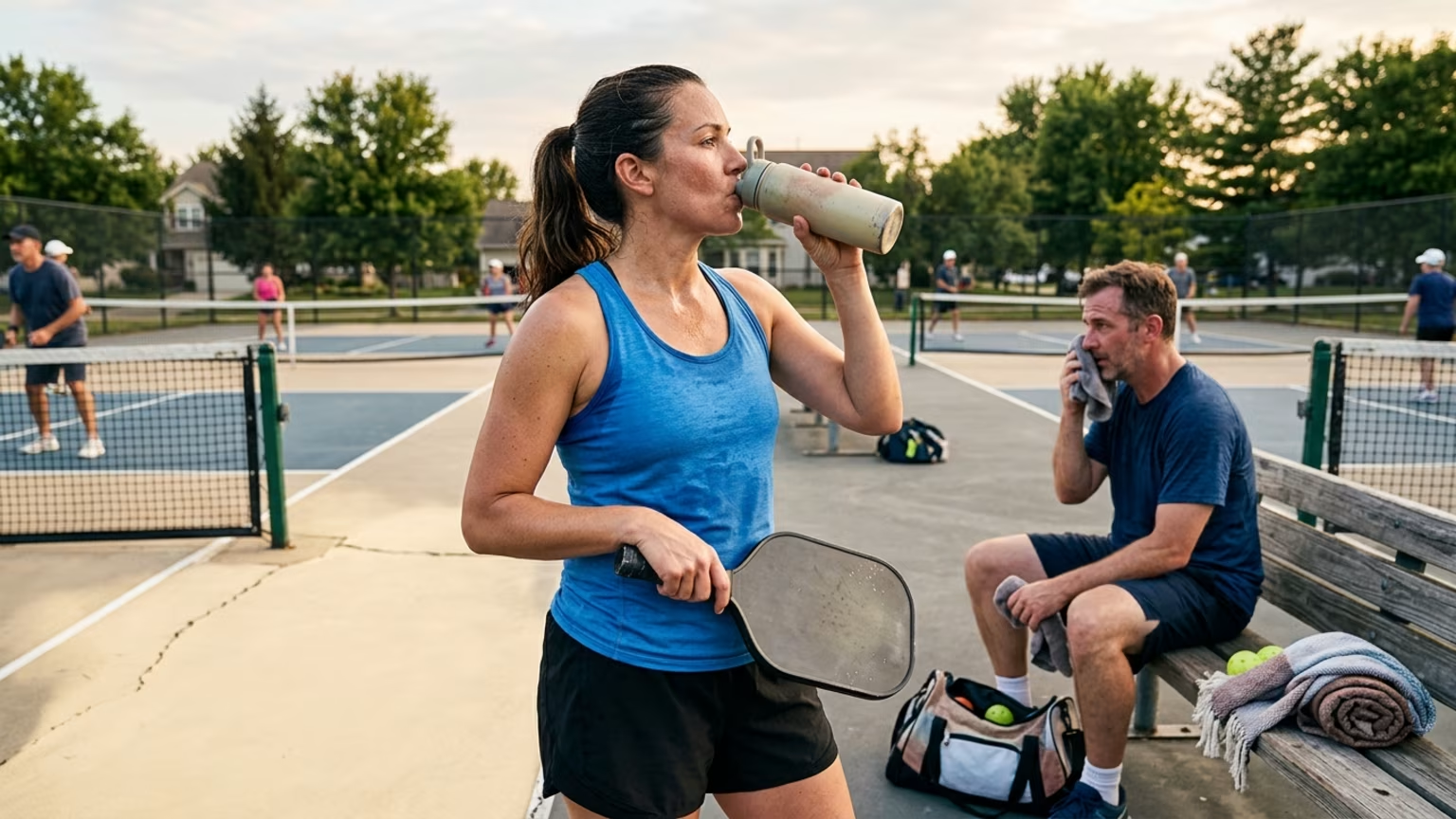

Understand how sleep impacts recovery for tennis, pickleball, and padel. Learn practical ways adult players can monitor rest and manage their injury risks.




On September 11, 2026, the SAPO platform published an explainer titled "Sono vs rendimento desportivo." The piece positions sleep as the invisible training of sport. It argues that athletes meticulously track their training loads and supplements. However, they often ignore how sleep drives their actual recovery.
Many players will spend significant amounts of money on recovery powders, specialized grips, or the latest footwear. Yet, they neglect the biological process that dictates how their body repairs itself. The SAPO explainer argues that sleep functions as 'invisible training.' It supports physical recovery, motor learning, reaction speed and decision making.
The article breaks down the mechanics of rest into distinct physiological roles. It describes deep sleep, also known as stage 3 sleep, as a phase associated with physical recovery. During this stage, the body focuses on protein synthesis and inflammation reduction. Conversely, the explainer links REM sleep to cognitive processing and motor memory consolidation.
These cognitive functions are vital for players who rely on rapid visual processing and constant decision making. When sleep is compromised, a player becomes less capable rather than just more tired. The core argument is that poor sleep directly impairs technical accuracy and reaction speed. Racquet sports place unique asymmetric loads on the human body.
Serving a tennis ball, lunging for a pickleball dink, or defending a padel corner all require immense coordination. Without adequate rest, the neuromuscular pathways responsible for these movements become fatigued. This fatigue reduces technical precision and increases the likelihood of a mistimed step. It is easy to see how this impacts your game, especially if you are learning to adapt your court movement between singles and doubles.
I used to think a tough conditioning block was the only way to improve my court endurance. Then I started tracking my sleep. I noticed that on days I slept less than six hours, my reaction time at the net was noticeably sluggish, and I felt gassed by the second set.
Prioritizing consistent rest did more for my late match stamina than any extra sprints ever did. Recovery is the true foundation of performance.
The professional sports world often frames sleep with rigid metrics. However, the recreational adult player needs a more flexible approach. A 2021 consensus in the British Journal of Sports Medicine notes that sleep needs should be individualized. They should not be reduced to one fixed nightly target.
The recommendation of eight hours is a helpful reference point. It is not a biological absolute that guarantees perfect tissue repair or healthy aging. Players should view sleep as a modifiable part of their training plan. They must schedule rest intentionally around match days, heavy drilling sessions, and travel.
Instead of obsessing over a single late night, adult players should look for persistent patterns. Chronic poor sleep is a much clearer indicator of reduced readiness than one bad night before a weekend tournament. Protecting sleep before high skill sessions is critical for athletic longevity. For recreational athletes, scheduling consistent rest is a highly practical goal.
At Evercourts, our primary mission is to provide research led, practical information. We want to help racquet sports players perform well today and keep playing for years. We explicitly respect the intelligence and experience of adult players. These individuals balance their court time with demanding careers, family responsibilities, and travel. For this demographic, a perfect sleep schedule is not always realistic.
The modern adult player has access to an array of fitness trackers. These devices often provide a daily sleep score or a deep sleep percentage. However, players should not treat a consumer device's deep sleep score as a laboratory measurement. Trackers estimate sleep duration and patterns based on movement and heart rate.
They cannot directly measure growth hormone release, inflammation levels, or muscle repair. A player who receives a poor sleep score might feel perfectly fine during a morning session. Conversely, someone with a perfect score might still carry heavy legs from a tough match. This is why sleep data must always be properly contextualized.
If a player reports poor sleep alongside unusual soreness, they should adjust their session. Reducing intensity or utilizing an adaptable pre-match routine may be more sensible than forcing a normal practice. Furthermore, players experiencing loud snoring, gasping, or excessive daytime sleepiness should seek medical help. They should consult a medical professional rather than rely solely on a wearable score.
The SAPO explainer highlights that athletes sleeping fewer than eight hours face higher injury risks. The best-known study behind that statistic was a 2014 Journal of Pediatric Orthopaedics study of 112 adolescent athletes. In that specific study, athletes averaging under eight hours of sleep were 1.7 times more likely to have recorded a sports injury. The reported confidence interval was 1.0 to 3.0.
A subsequent 2019 meta analysis pooled seven studies. It found that chronic poor sleep was associated with higher sports-injury odds in adolescent athletes. The pooled odds ratio in this analysis was 1.58, with a 95 percent confidence interval of 1.05 to 2.37. The same review found that evidence for acute, one-off sleep loss was mixed. One of two studies reported a significant association with injury and the other did not.
These statistics confirm a strong association in younger populations. However, they do not prove that missing an hour of sleep directly causes injuries in middle-aged racquet sports players. Association is not causation. Athletes who sleep less may also train harder, experience greater stress, or carry prior injuries.
The physiological resilience of an adolescent differs vastly from that of a forty year old adult. Younger athletes often recover faster from muscular damage, but they require significant sleep to support general growth. Adult players do not have the same biological growth demands. However, they face a slower baseline rate of general tissue repair.
Applying adolescent injury statistics directly to adult recreational leagues is scientifically inaccurate. The observational study design cannot eliminate competing explanations for these injuries. Factors such as high training loads, academic stress, competition schedules, and prior injuries all influence these outcomes. Therefore, sleep loss should be viewed as a risk marker rather than a guaranteed cause of injury.
Over the next season, the conversation around player health will shift from isolated sleep metrics to broader wellness monitoring. A 2026 preprint proposed PART, a multimodal framework for monitoring wellness and estimating near-term injury risk in tennis players. This framework combines multiple data sources to evaluate an athlete. A separate 2026 track and field study reported that integrated monitoring was useful for characterizing week to week performance changes.
The 2026 track and field study emphasized that integrated monitoring does not establish causal mechanisms. It simply provides a more detailed map of how an athlete is responding to their current routine. This distinction is crucial for recreational players. Performance data should inform your training decisions, not strictly dictate your daily life.
We expect racquet sports coaching to rapidly adopt this holistic view. Sleep will no longer be treated as an isolated injury prediction tool. Instead, it will be evaluated alongside training load, soreness, stress, and match schedule. This shift will help players build a complete picture of their physical readiness.
By understanding how these variables interact, adult players can make smarter decisions about their routines. It will become easier to know when to push hard and when to prioritize recovery. Focusing on these broader player health resources will ensure you maintain your capabilities on the court. Consistent, well rounded monitoring is the most effective path to lasting athletic performance.
Follow Evercourts for practical insights on tennis, pickleball and padel performance, movement, recovery and healthy ageing. Stay connected for new articles, research-led guidance and ideas to help you play well and keep playing for years.


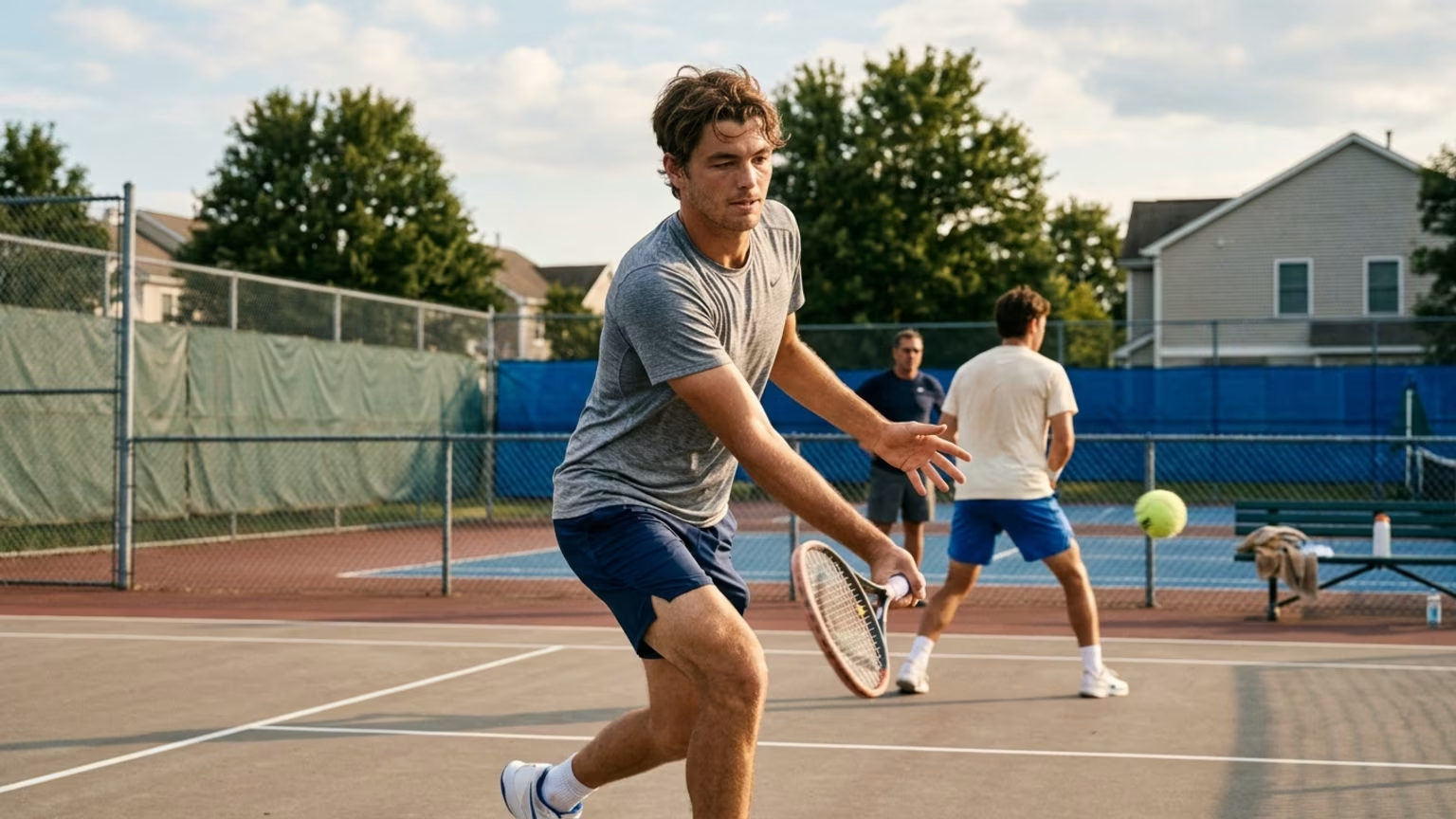
Taylor Fritz says retail and tournament tennis balls perform differently. Learn how equipment consistency impacts match preparation for adult racquet players.
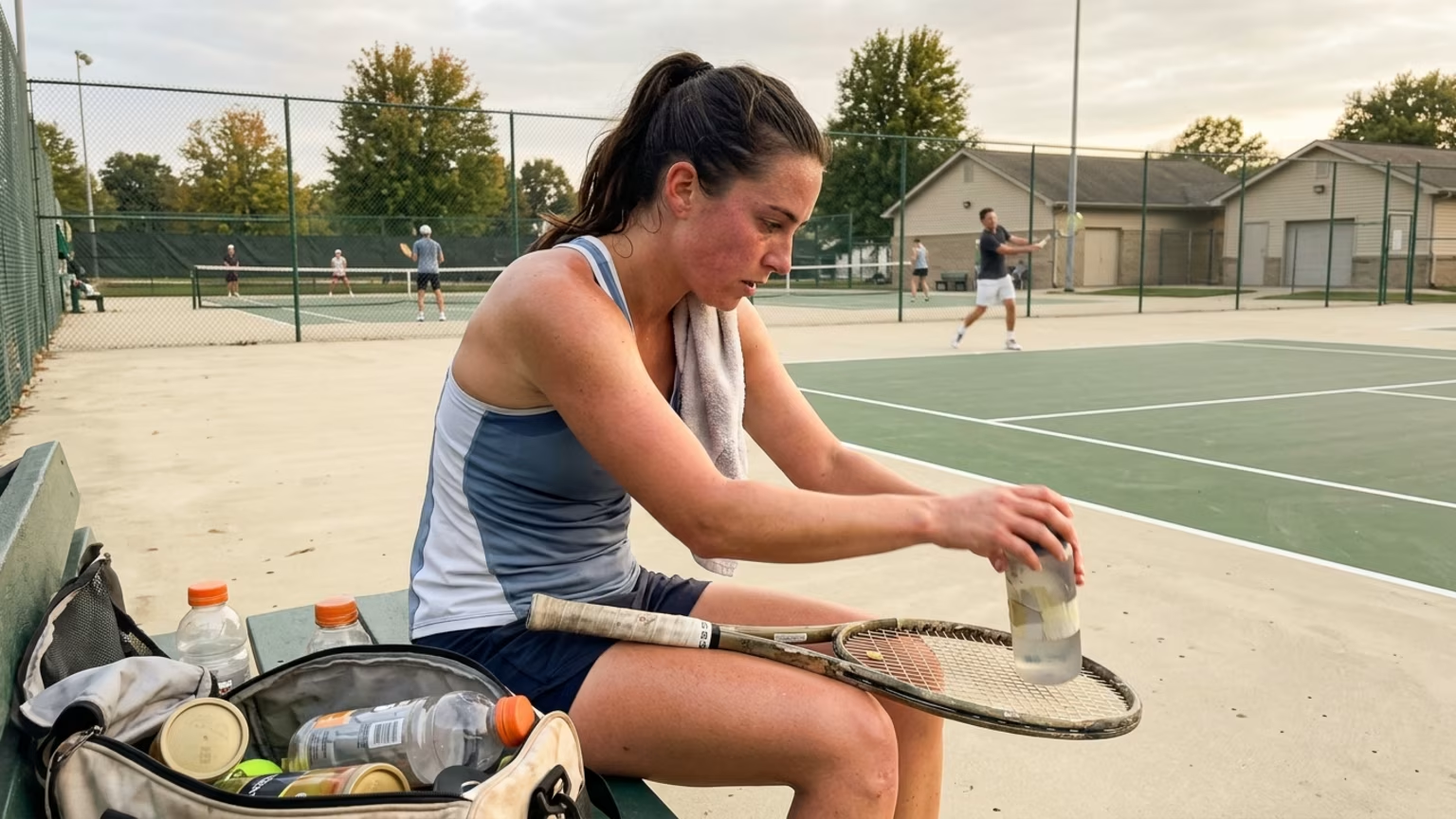
A Times analysis highlights how an expanded pro tennis calendar and late matches affect player health. See how adult amateurs should manage their court workload.
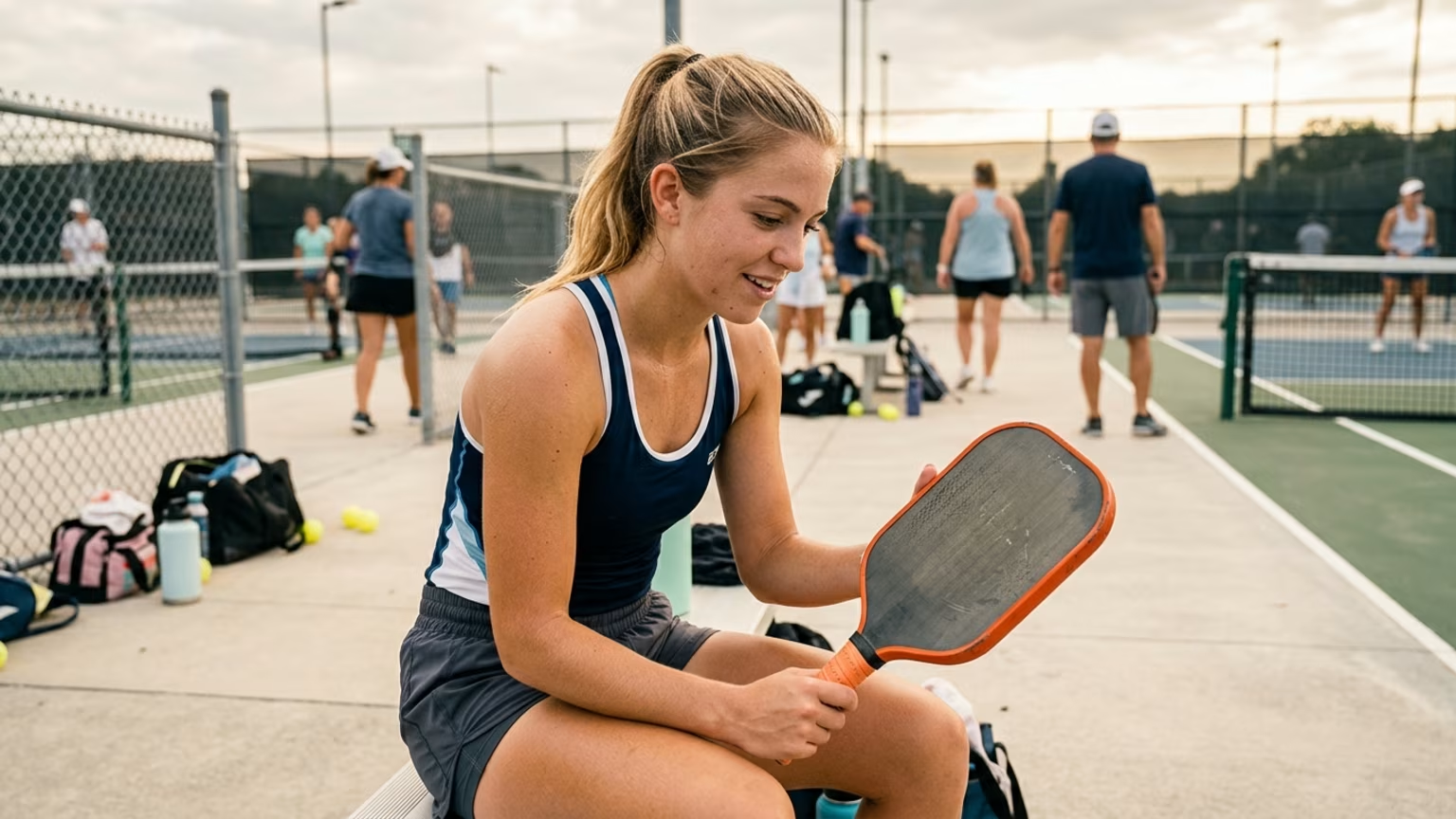
Pickleball.com reports Anna Leigh Waters teased an unreleased Franklin paddle. Here is what this mystery equipment means for adult recreational players.
Read practical guidance for better movement, smarter preparation and a game that keeps working for you.
explore the Blog
