

Practical answers on pickleball session length, playing frequency and response tracking, without a fixed ramp-up schedule.




How do I build pickleball playing time without rushing the ramp-up? Start from your current activity and comfort, adjust session length or frequency or intensity separately, and use your response during play and by the next day to guide the next decision.
The useful starting point is your current activity and comfort, not the session you used to manage or the time everyone else stays on court. For a new player, that means beginning with what currently feels manageable rather than treating the full group session as a requirement.
Returning after a break also needs context. A pause from the sport is a different planning question from a return following injury. Decisions involving an injury or an existing health condition deserve individualized guidance from a qualified healthcare professional.
For ordinary playing-time planning, separate the decision into three adjustable variables:
These variables do not have to rise together. A decision to spend longer on court does not need to become a decision to add another playing day and make the session harder too.
The research brief supports adjusting one variable at a time. In practice, that means deciding what you are changing before the next outing rather than treating every invitation as part of the same increase. If duration is the variable under consideration, keep frequency and intensity in view rather than increasing them automatically.
Evercourts’ guide to putting recent playing load in context offers a related planning perspective. The aim is a deliberate next step from where you are now, not an attempt to recover all your previous court time at once.
The evidence gives reasons to pay attention to frequency, but it does not supply a personal weekly calendar.
In its overview of pickleball injuries, Hinge Health cites a 2025 nationwide study of 1,758 pickleball players examining injury patterns and predictors. A secondary summary of pickleball injury surveys reports that more frequent play was associated with more reported injuries in that nationwide survey.
That secondary summary also reports a recreational-player survey in which consecutive-day play and sessions longer than two hours were associated with acute arm injuries.
These findings describe reported experiences and associations, not proof that frequency or session length caused injuries. They do not establish a universal session cap or required rest-day pattern, and they do not validate a precise percentage increase. Nor do they represent injury rates for every player or prove that a particular progression prevents injury. The two-hour finding is therefore not a boundary separating safe play from unsafe play.
The practical interpretation is to treat an added playing day as its own workload decision. When considering more frequent play, avoid automatically making those outings longer or harder as well.
If the current pattern feels manageable and usual function has returned afterward, repeating that pattern is a reasonable option before changing it. There is no obligation to increase simply because the next week has arrived.
For the wider calendar, Evercourts’ resource on making court time fit a sustainable week provides additional planning context. A weekly plan can organize your choices without becoming a target you must complete regardless of your response.
A short response log can make the next decision more concrete. The purpose is to record what happened and how you responded, not to generate a score that declares you ready for more.
Useful notes include:
Plain language is enough. An entry that distinguishes the outing itself from the following morning is more useful for this purpose than a bare record of time spent on court. Keep the record descriptive rather than using it to diagnose the cause of a symptom.
This is a practical reflection tool, not a validated pickleball injury-prediction test. The available findings do not establish a universal symptom scale or cutoff for progression.
If you also play tennis or padel, identify those outings separately in the recent-activity record. For tennis, note the tennis session’s duration and how it felt. For padel, do the same under its own heading rather than combining everything into an undifferentiated total of court time.
The shared planning questions remain straightforward: what did you play and for how long, how hard did it feel, and how were you afterward? This keeps the record specific to your actual mix of sports without assigning an invented conversion between them.
Evercourts’ resource on managing a mix of racquet sports adds context for players whose week includes more than pickleball. Here, the immediate task is simply to make that mix visible when considering another outing.
If an outing feels manageable and you return to your usual function afterward, consider repeating that level before changing one variable. Repeating a manageable session is a useful choice in its own right, not a missed opportunity to progress.
If pain or other symptoms recur or worsen, reduce the workload and consider advice from a qualified healthcare professional. A return following injury or a decision involving a health condition calls for individualized guidance rather than a generic progression.
Use the log to describe the situation clearly: what changed in your playing and what happened during the session or by the next day. It is information for the next decision, not a pass-or-fail test.
Building playing time is a process of paying attention, not passing a test. There is room for patience and ambition in a long playing life.
Follow Evercourts for practical insights on tennis, pickleball and padel performance, movement, recovery and healthy ageing. Stay connected for new articles, research-led guidance and ideas to help you play well and keep playing for years.


Choose racquets, paddles, shoes and bags around fit and court use, with practical advice on trying equipment and recognizing replacement cues.
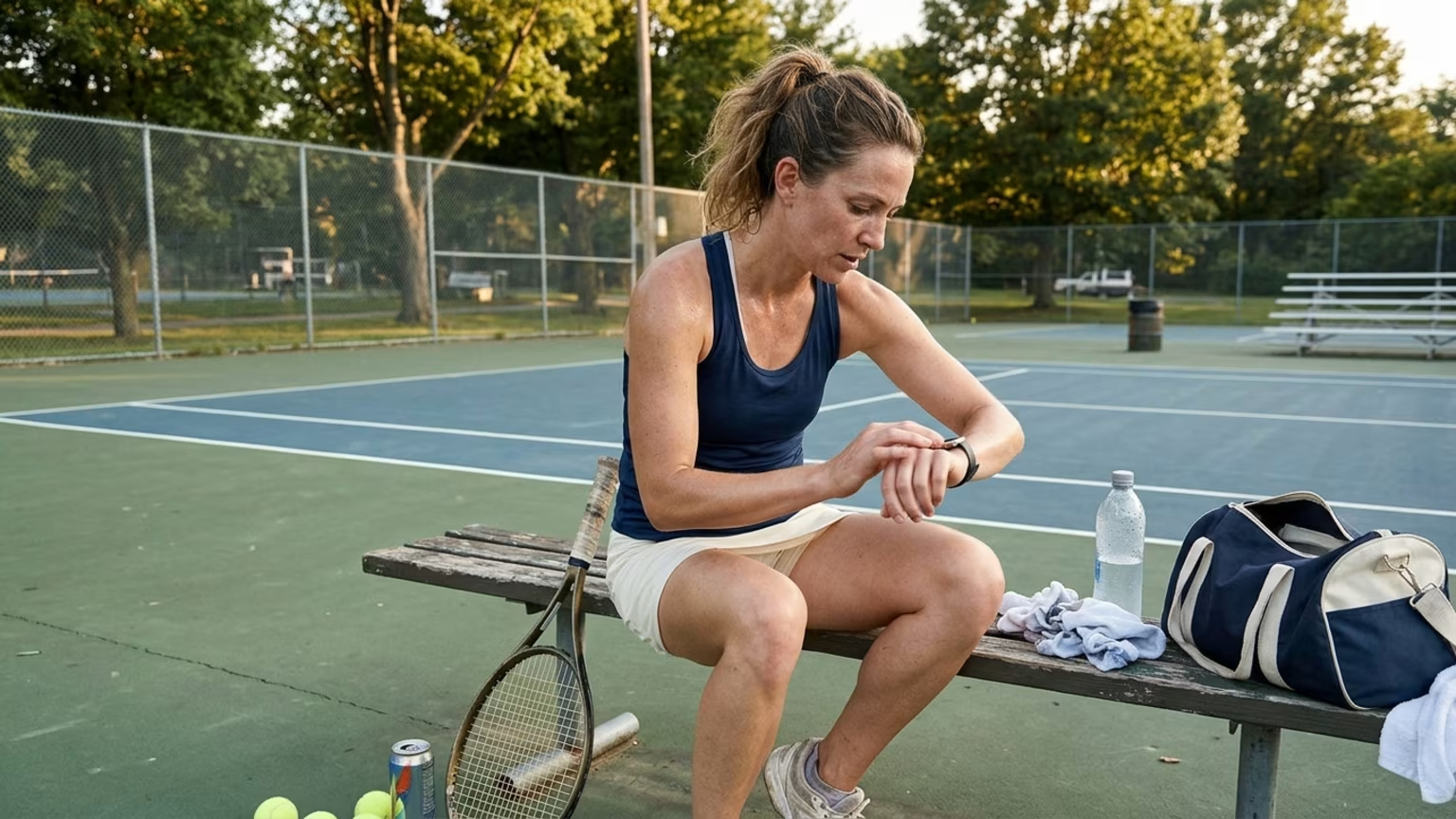
Build court time around your recent routine, session intensity and next-day response, without relying on a universal weekly progression.
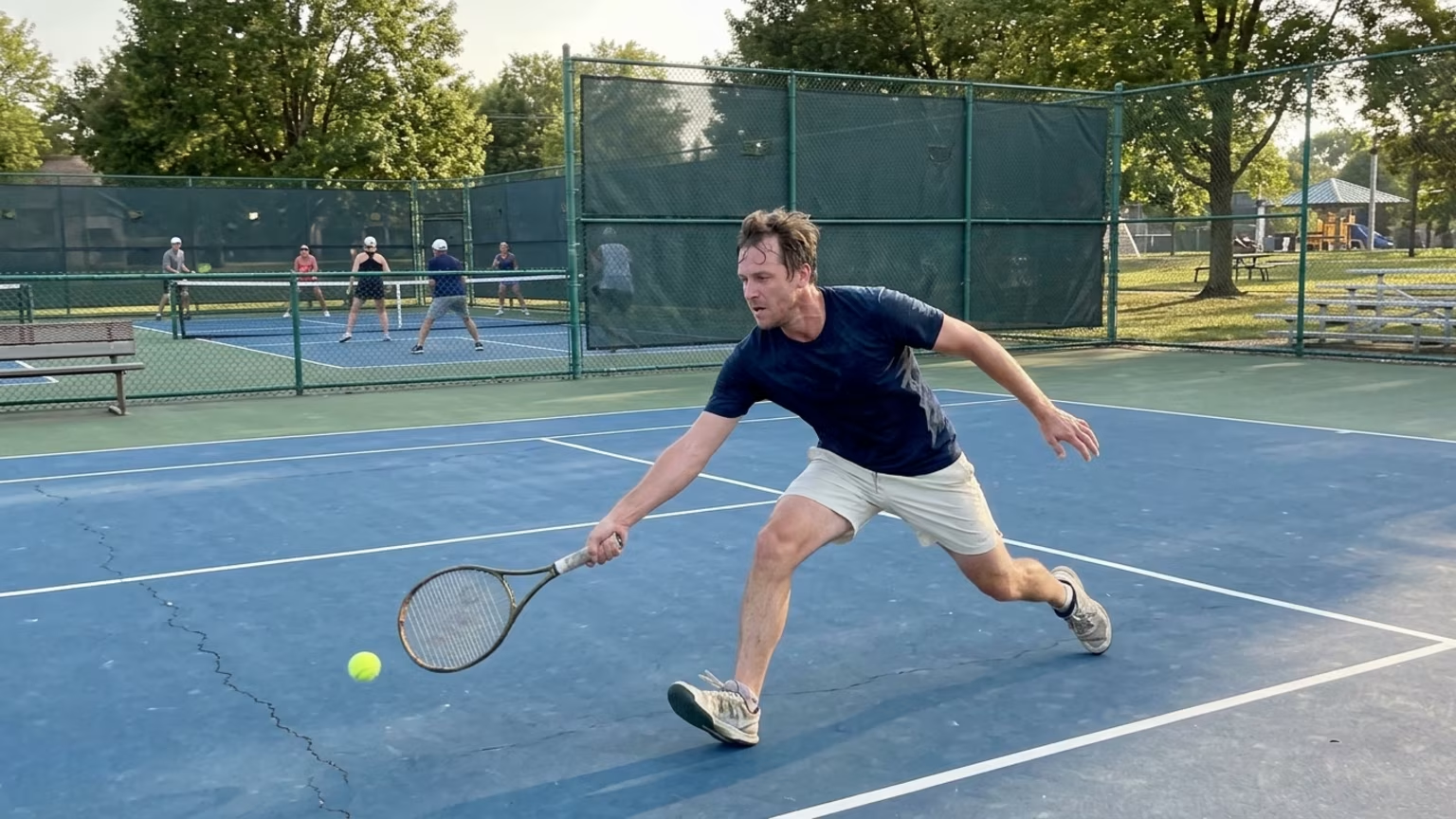
Understand how acceleration, controlled stops and recovery movement differ across tennis, pickleball and padel, with practical context for adult players.
Read practical guidance for better movement, smarter preparation and a game that keeps working for you.
explore the Blog
