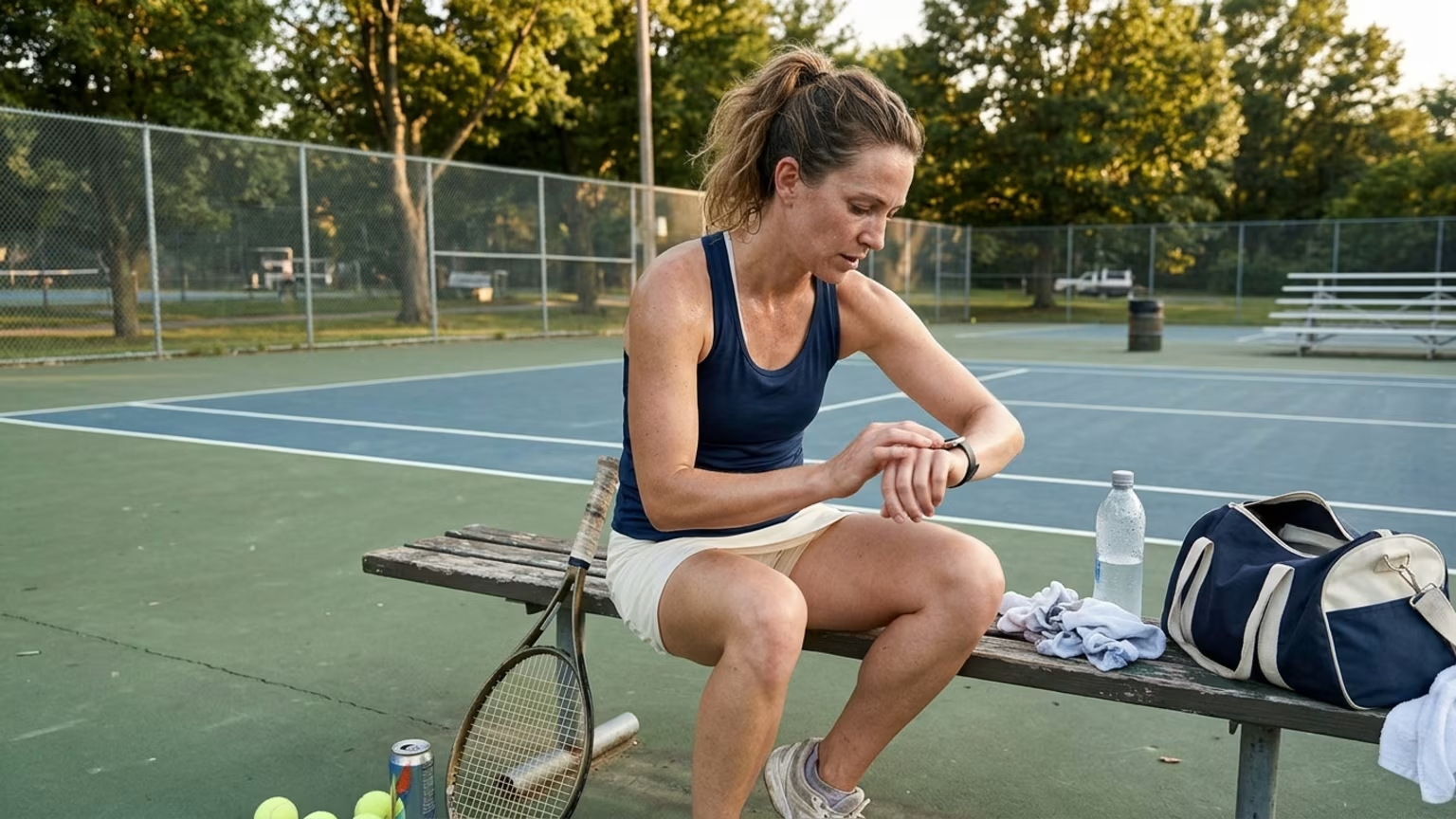

Build court time around your recent routine, session intensity and next-day response, without relying on a universal weekly progression.




Playing load is the amount and difficulty of the work your body does on court. Court time is part of that load, but it is not the whole picture. Returning after a break or adding another weekly session also changes how often you play and what those sessions ask of you.
The useful starting point is your recent routine, not the amount you once played comfortably. A record of duration, effort and your response afterward gives the build some context. The aim is to understand what changed before deciding what should change next.
Tennis, pickleball and padel involve repeated explosive efforts and changes of direction. Quick starts and stops sit alongside the work of hitting. A useful session record describes those demands rather than treating all court time as equivalent.
The sports deserve their own descriptions. When you are trying to understand a change in workload, the type of play belongs beside its duration.
Separate lower-volume hitting from serving and match play. A tennis coaching article describes reintroducing short hitting sessions before adding serves, intensity and matches. Those are useful distinctions for a log rather than interchangeable minutes on court.
Separate gentler court activity and social doubles from more demanding play. Those categories appear in a practitioner return-to-pickleball guide. Alongside the activity label, describe how hard the repeated quick movements and direction changes felt.
Describe the session in its own terms: how long it lasted and how demanding the repeated starts and direction changes felt. If you play more than one racquet sport, keep those activities identifiable in your record. That preserves the context behind the total court time.
Hinge Health's pickleball guidance recommends starting with shorter sessions and increasing intensity gradually. A physical therapist quoted in the article also describes stretching, strengthening and dynamic balance training as ways to prepare for court activity. The emphasis is on preparation and progression rather than simply accumulating playing time.
A pickleball training resource summarizes surveys associating more frequent play, consecutive-day play and sessions longer than two hours with more injuries or arm injuries. These findings make frequency and spacing relevant parts of the workload conversation. Duration alone leaves out those details.
The return-to-pickleball guide describes a staged progression through daily activity and conditioning toward gentler court work and more demanding play. It recommends checking the symptom response over the following 24 hours when considering progression. The tennis coaching article similarly considers soreness and sleep alongside recent match and serve counts.
These sources combine surveys with practitioner and coaching guidance, not controlled tests of a universal comeback schedule. Survey associations do not establish that a playing pattern caused injury. The provider's next-day check is not a validated clearance test, and neither the coaching sequence nor the editorial log below establishes a universally safe progression. The evidence supports an individualized conversation rather than a fixed weekly increase for every tennis, pickleball or padel player.
For adult players, athletic longevity is a reason to make the build understandable rather than impressive. The goal is continued participation, not proving that you can immediately match an old routine. A simple record gives that goal something concrete to work with.
Our practical editorial suggestion is to keep a brief session log. It should be easy enough to maintain without turning recreational sport into an administrative task:
Keep the wording straightforward. “Controlled hitting” and “demanding match play” provide more context than an entry that only says “tennis.” There is no need to make the record look more precise than your observations actually are.
Look at the proposed change beside your recent routine. Are you adding another playing day while keeping the existing sessions similar? Or are you also extending those sessions and choosing harder competition?
A cautious editorial approach is to avoid changing several demands at once where possible. That makes the change easier to describe and discuss. It follows the broader idea of gradual progression without turning it into a personal treatment plan.
For example, an extra session does not have to become a longer session and a harder session at the same time. This is a planning distinction, not a promise about injury prevention. Our guide to looking beyond total court minutes considers that wider workload picture.
Record the response rather than treating the end of the session as the end of the story. Note whether soreness settled, remained present or worsened. Also note whether symptoms affected how you moved.
A comfortable session is useful information, but it is not an obligation to increase the next one. Keeping the current routine unchanged is also a planning option. The record should help you notice your response rather than pressure you to complete a predetermined progression.
The same perspective applies when competition enters the calendar. An additional event changes the schedule as well as the amount of play. Thinking about where competition fits around recovery keeps that decision connected to your recent routine.
The longevity value here is perspective. Instead of judging the build by how quickly the calendar fills, you have a clearer account of the demands you have added. That account can also make a conversation with a clinician more specific.
Pause the build and seek qualified advice if symptoms worsen, persist into the next day or change how you move. These are reasons to discuss the response rather than push through to meet a playing target. This follows the symptom-monitoring approach in the return-to-pickleball guidance.
After an injury-related break, decisions about progressing belong with a qualified physio or healthcare provider when symptoms remain an issue. A session log can support that discussion. Bring the details of what you played and how you felt afterward, including any movement changes.
You do not need to diagnose the problem before asking for help. Describe what changed and what the added court time involved. Let the assessment guide decisions that depend on your individual situation.
Keep the long game in view.
Follow Evercourts for practical insights on tennis, pickleball and padel performance, movement, recovery and healthy ageing. Stay connected for new articles, research-led guidance and ideas to help you play well and keep playing for years.


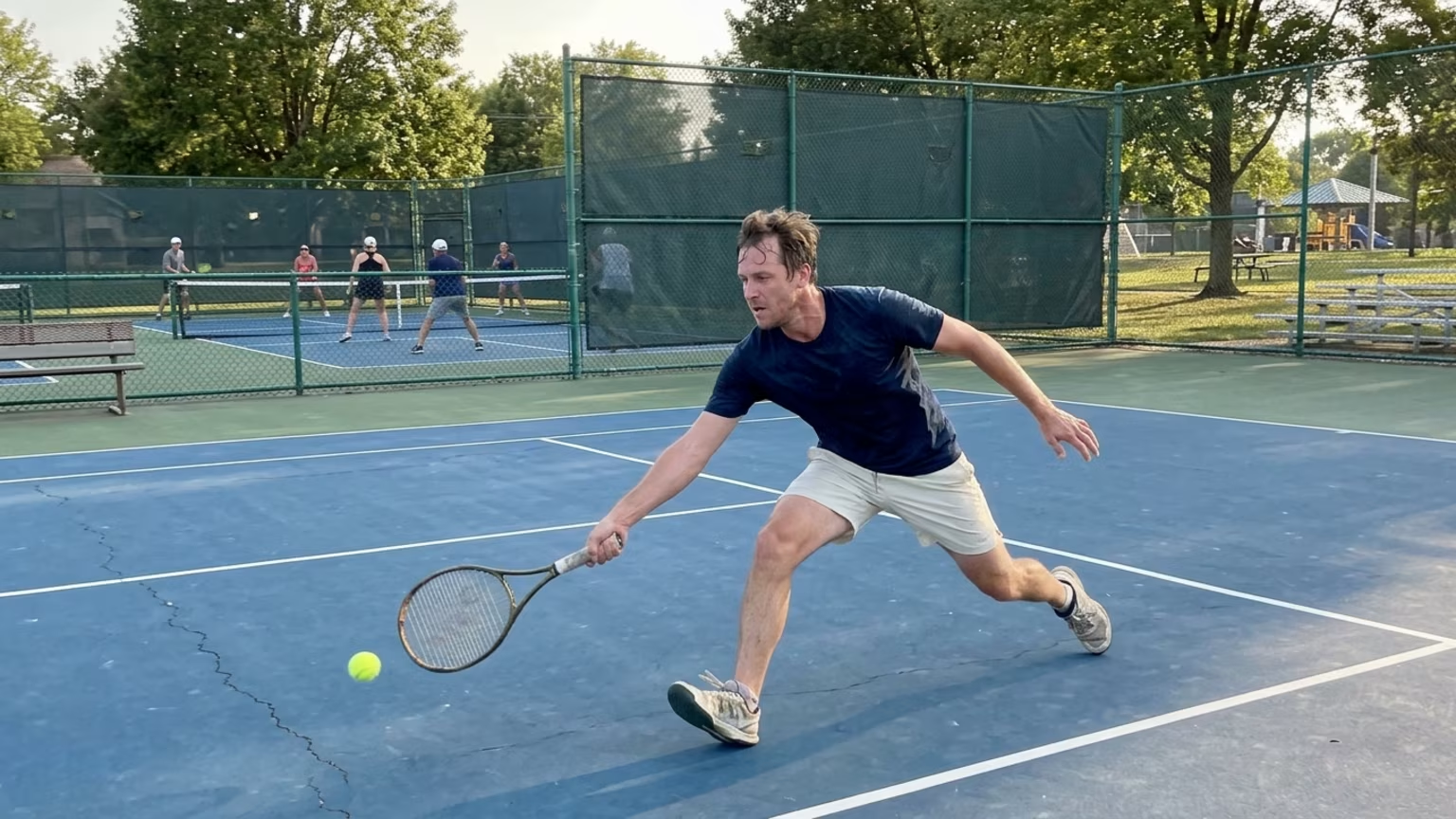
Understand how acceleration, controlled stops and recovery movement differ across tennis, pickleball and padel, with practical context for adult players.

Put tennis in a realistic healthy aging plan, with a clear look at longevity research, strength, balance, recovery and when to seek qualified advice.

Understand court reactions, anticipation and split-step timing, with coaching-informed partner practice and a clear role for solo rehearsal.
Read practical guidance for better movement, smarter preparation and a game that keeps working for you.
explore the Blog
