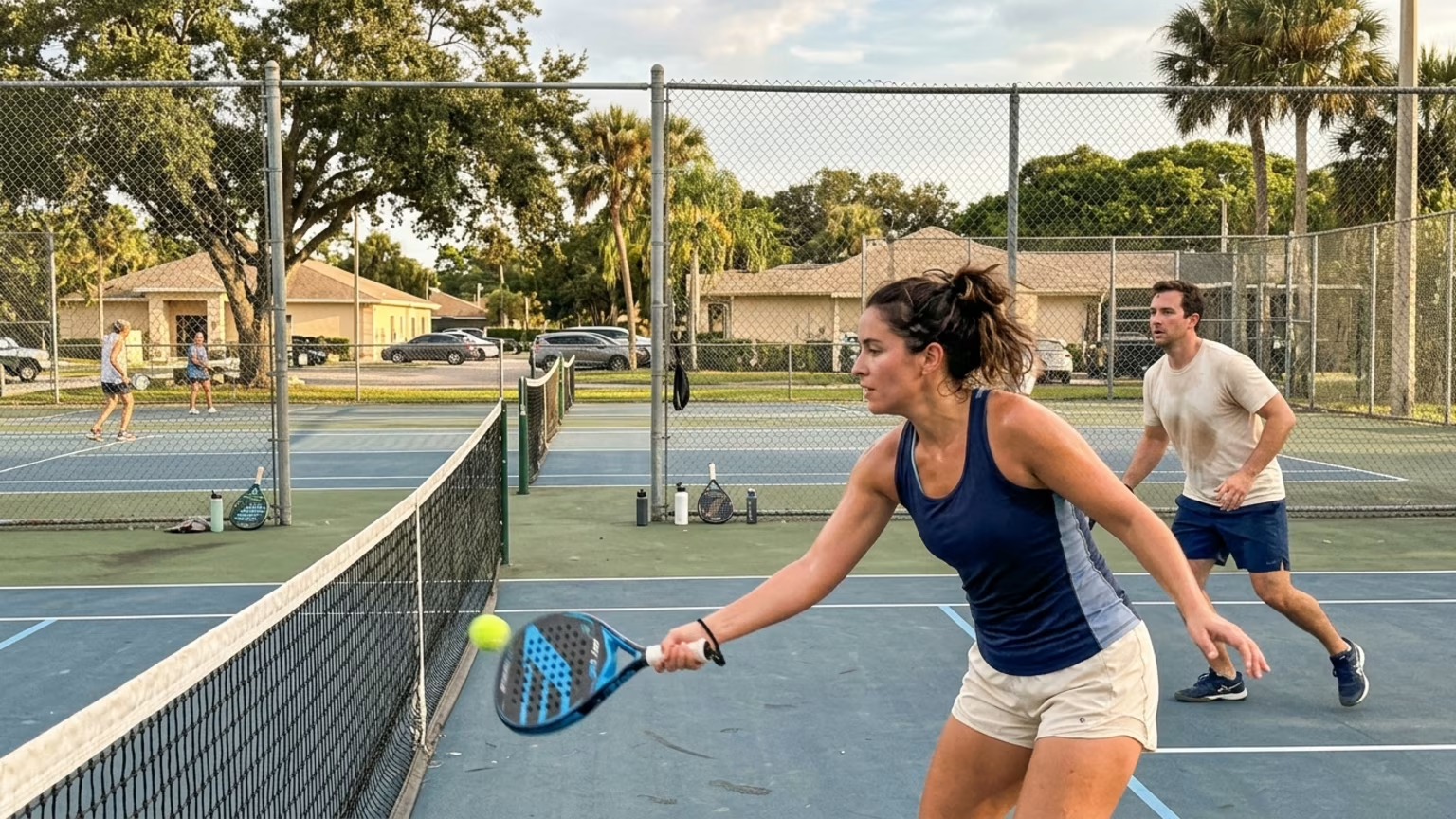

Club Med expands its 2026 Padel Cup across eight Asia-Pacific markets. Learn how adult players can manage travel fatigue and optimize tournament recovery.




Destination tournament fatigue is the rapid accumulation of physical stress that occurs when travel demands meet multi-day competitive racquet sports. An adult player steps off a long flight, heads straight to the padel court for a qualifying match, and suddenly feels heavy legs and a stiff lower back. That single moment of sluggish movement highlights the immediate tension between holiday excitement and athletic reality. Managing this physical toll is essential for competitors entering events like the newly expanded Club Med Padel Cup 2026.
Club Med launched this tournament series running from July through November 2026. The 2026 edition covers eight Asia-Pacific markets. These locations include Australia, Singapore, Malaysia and Thailand. The series also hosts qualifying events across Taiwan, Hong Kong, Japan and India.
Multi-day racquet events specifically challenge the lower body and energy systems due to repeated explosive efforts and sharp changes of direction. The physical toll of competing away from home is often underestimated by amateur players. Transitioning from a sedentary airplane seat directly into high-speed directional changes rapidly reduces tissue elasticity. Dehydration from flying and playing in warm climates further compounds this physical fatigue.
Tennis demands heavy serve mechanics that tax the shoulder complex over consecutive travel matches. Pickleball requires sustained periods of low bending at the non-volley zone, which stiffens the lower back. Padel demands frequent rotational movements and deep lunges to retrieve balls near the glass walls. When players combine these intense physical demands with disrupted sleep from long transit times, their muscles and joints experience significant stress.
The tournament structure itself often amplifies these physical demands on the adult body. Winners from the national qualifiers progress to a Grand Slam Finale at Club Med Phuket from November 30 to December 3, 2026. This four-night finale is scheduled to include competitive matches, masterclasses and workshops, with prizes supplied in partnership with Babolat. Competing intensely over four consecutive days requires substantial muscular endurance and robust joint stability.
Players choosing events without overplaying must physically prepare their bodies for this specific travel workload. Proper load management during a destination event dictates how well a player performs on the final day. Transitioning from a cold environment to a humid tropical climate requires a gradual cardiovascular adjustment. Older competitors should actively avoid playing their hardest matches on their very first day in a new location.
Current research confirms the physical benefits of consistent court play while deliberately omitting any exaggerated medical promises. A 2018 study summarized by Women's Health associated racquet-sports participation with lower all-cause and cardiovascular mortality risk than sedentary lifestyles. However, these positive associations require a foundation of sensible recovery and adequate physical conditioning. Simply registering for a destination tournament does not automatically grant these broad health benefits.
The rapid growth of court infrastructure provides more opportunities for amateur players to travel and compete. The International Padel Federation reported that more than 600 courts were built across Asia between April 2024 and October 2025. This recent construction boom brings the regional total above 1,700 active courts. A summary of the FIP World Padel Report 2025 also cited more than 35 million players, 24,600 clubs and 77,300 courts worldwide.
Club Med says it offers padel at more than 75 facilities globally. In the Asia-Pacific region, the company currently identifies courts at Club Med properties in Bintan, Kani and Phuket. Additional facilities are planned for Club Med Borneo toward the end of 2026. Accessing these premium facilities only improves physical health if players engage in structured strength training alongside their travel matches.
Understanding the physical demands of regional tournaments helps adult players maintain their capabilities and stay on the court. Structuring a season around events like the Club Med Padel Cup gives recreational athletes a tangible reason to prioritize conditioning. When players know they have a qualifying event approaching, they are more likely to maintain their off-court training routines. This deliberate commitment ensures that racquet sports support healthy aging rather than causing chronic joint issues.
The growing ecosystem of regional events also provides vital social motivation for sustained athletic participation. Club Med has also become the Official Lifestyle Partner of the Tatler Padel Series. This partnership successfully connects destination travel with the social side of competitive padel. Combining structured tournament play with strong social engagement helps players stay active and physically capable throughout their adult lives.
When planning a racquet sports getaway, competitors must prioritize recovery just as highly as active court time. A sustainable travel routine includes adequate sleep, proper hydration, light mobility work and sensible daily scheduling. Using resort-based tournaments allows players to blend intense physical effort with immediate access to rest environments. This measured balance is critical for protecting the joints and muscles from overuse injuries.
Even with excellent preparation and smart scheduling, players must recognize the signs that indicate a need for professional help. General muscle soreness after a long travel day and a tough match is a perfectly normal response. However, sharp joint pain in the knees, shoulders or lower back that persists after rest requires attention. Ignoring these clear warning signs can turn a minor travel strain into a long-term physical limitation.
Players should also seek medical advice if they experience joint swelling that restricts their normal range of motion. A qualified physical therapist can provide tailored advice on load management, travel recovery strategies and specific strengthening exercises. Responsible adult competitors understand that seeking prompt professional guidance keeps them healthy and ready for competition. For your next trip, complete a ten-minute dynamic mobility routine in your hotel room immediately after landing to reset your hips before playing.
Follow Evercourts for practical insights on tennis, pickleball and padel performance, movement, recovery and healthy ageing. Stay connected for new articles, research-led guidance and ideas to help you play well and keep playing for years.


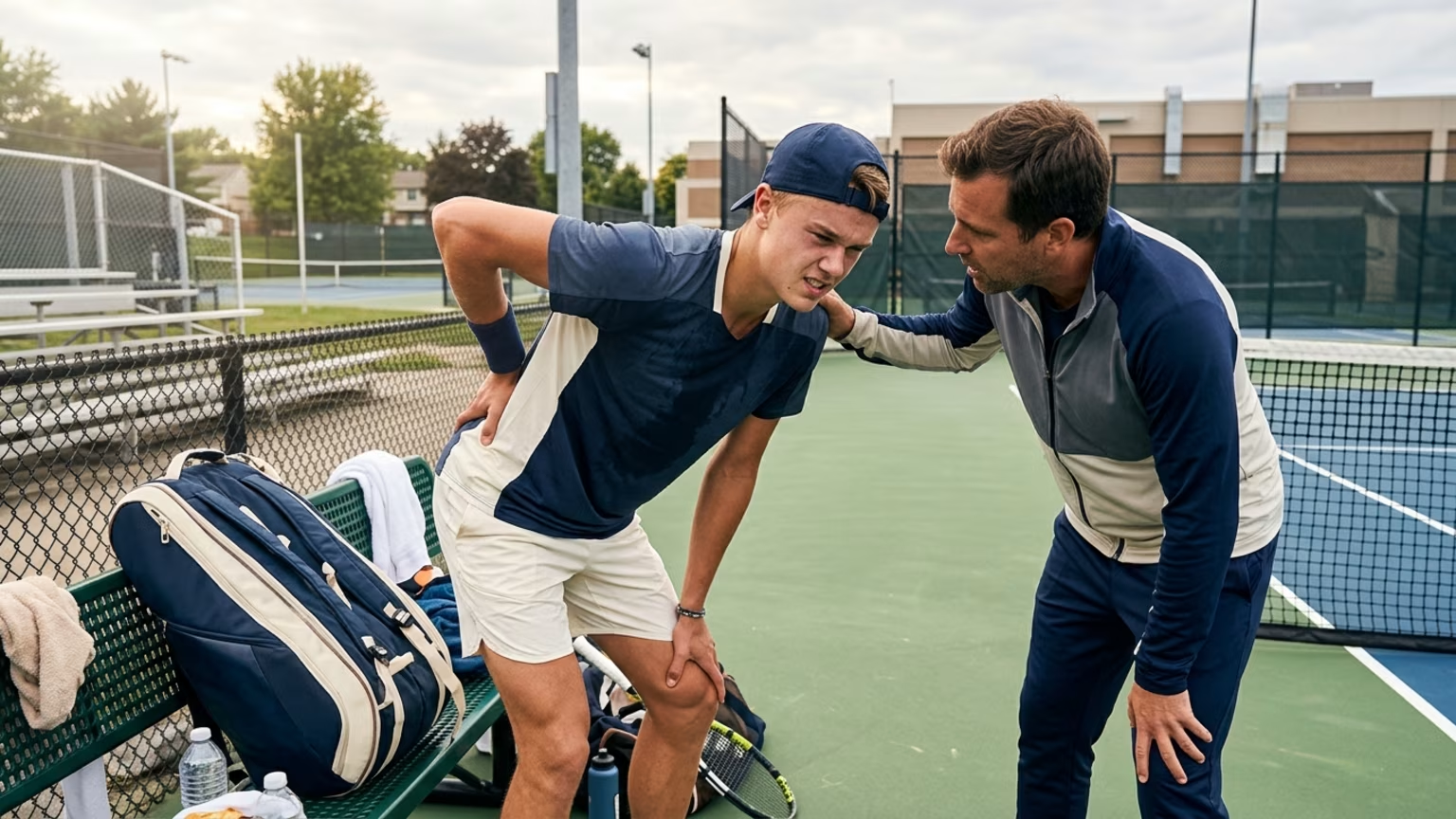
Holger Rune withdrew from the European Open with a back problem. The facts behind his decision and a grounded perspective for recreational players.

The Dink’s October 17 guide emphasizes deep returns, ball-height decisions and positioning against faster pickleball opponents.

A new report outlines padel and tennis gear trends. Learn how to assess adjustable rackets, sensor feedback and smart-court claims.
Read practical guidance for better movement, smarter preparation and a game that keeps working for you.
explore the Blog
