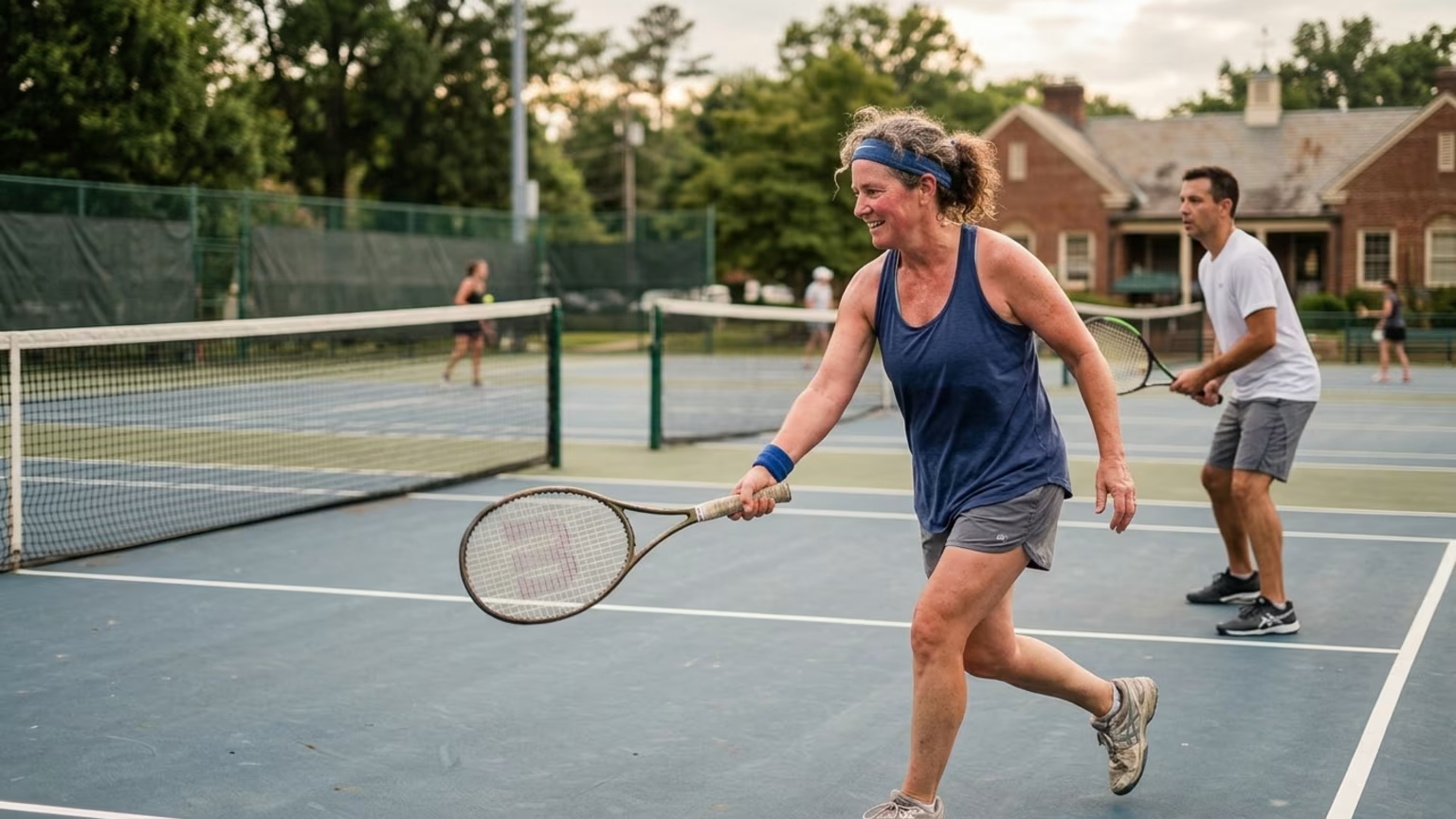

A practical framework for adult racquet sports players to manage court loads, avoid fitness hype, and maintain athletic longevity for years.




A large British cohort study reported that racquet-sports participation was associated with a 47% lower risk of all-cause mortality. This striking figure defines the lifelong court ecosystem: a structured commitment to physical movement that actively supports healthy aging. However, achieving those healthy years requires understanding the unique physical tax these sports place on the body. We call this systemic demand the racquet-sports load.
Tennis, pickleball, and padel demand repeated explosive efforts from the very first point. Players constantly sprint, stop, and change direction to chase down wide shots. These sudden accelerations place immense stress on the lower body and cardiovascular systems. The stop-and-start nature forces muscles and tendons to absorb heavy braking forces over and over.
Unlike steady jogging, racquet sports require lateral bounds and rapid pivots. Every single point requires intense bursts of energy followed by brief periods of rest. This interval style of play heavily taxes the anaerobic energy system throughout a match. Over the course of a long tournament weekend, this accumulation of explosive movements drains stamina quickly.
The upper body also absorbs significant repetitive forces during regular play. Serving and hitting overheads require complex shoulder mechanics and rapid rotational power. The sheer volume of baseline groundstrokes places constant friction on the elbow and wrist joints. Managing this cumulative strain is essential for anyone wanting to compete consistently.
While doubles play reduces the overall distance covered, it actually intensifies the requirement for immediate acceleration. A quick poach at the net demands peak power from the calves and hips without any build-up time. This means even purely social players are regularly submitting their bodies to high-velocity stress. Failing to prepare for these sudden bursts often leads to preventable lower-leg injuries.
Furthermore, the cognitive load of these sports directly affects physical fatigue. Players must constantly read their opponents, anticipate ball trajectories, and make rapid tactical decisions. This combination of mental focus and physical exertion creates a highly taxing environment. A sustainable approach must respect both the muscular and the neurological demands of the game.
We need to look at what the current research actually says about these health benefits. The widely cited Copenhagen City Heart Study followed 8,577 people for up to 25 years. This massive project associated tennis participation with an estimated 9.7-year life-expectancy advantage compared with sedentary lifestyles. A separate review in the British Journal of Sports Medicine associated racquet sports with a 59% lower risk of cardiovascular mortality.
It is crucial to read this data clearly without exaggerating the medical claims. These impressive longevity findings are observational associations rather than guaranteed causal outcomes. The results do not prove that swinging a racquet independently adds exactly 9.7 years to your life. The numbers likely reflect that active individuals with strong social networks are drawn to these sports.
Recent specific studies provide more grounded evidence for adult recreational players. A 2026 study on older adults found that an eight-week pickleball program improved physical fitness. This specific training also reduced sedentary time and increased light physical activity levels. Furthermore, participants reported improved physical and mental quality-of-life scores after the eight weeks.
However, simply logging more court time does not automatically guarantee a durable lifestyle. A separate 2026 study of retirees noted that spending more hours playing pickleball did not directly create a stronger leisure identity. The UK’s physical-activity guidelines emphasize that older adults should remain active to support physical and mental health. A truly resilient routine requires purposeful physical management and social connection.
The social aspect of these activities cannot be ignored when analyzing the health data. The UK’s physical-activity guidelines explicitly state that remaining active supports well-being and vital social functioning. Interacting with partners and opponents provides a recurring appointment that combats isolation. This structured social environment is likely a major contributor to the positive mental health outcomes observed.
Understanding these specific demands helps adult players maintain their physical capabilities over the long term. A sustainable routine goes beyond merely scheduling more matches every week. Current UK guidance recommends at least 150 minutes of moderate-intensity activity per week for adults. The guidelines specifically advise older adults to include strength, balance, and flexibility work on at least two days weekly.
Court play alone cannot fulfill all these critical physical requirements. Players need dedicated resistance training and targeted mobility work to protect their aging joints. At evercourts, we regularly advise players to focus on maintaining robust muscle mass to handle match days better. You can easily build a flexible conditioning schedule to support your weekly matches without overtraining.
Fueling your body properly is another crucial pillar of this long-term framework. Players often underestimate how much energy they burn during a tough two-hour session. A smart strategy for post-match physical recovery must include proper hydration. Following a reliable protocol for post-match nutrition gives your body the necessary raw materials for tissue repair.
Recovery habits are equally vital for true athletic longevity. I used to think a tough conditioning block was the only way to improve my court endurance. Then I started tracking my sleep. I noticed that on days I slept less than six hours, my reaction time at the net was noticeably sluggish, and I felt gassed by the second set.
Prioritizing consistent rest did more for my late match stamina than any extra sprints ever did. Recovery is the true foundation of performance. Managing your rest allows you to stay on the court for years to come.
Even with excellent preparation, players will occasionally experience physical setbacks on the court. A consistent stretching routine cannot prevent every ache from a heavy weekend of play. Players should consult a qualified physiotherapist or healthcare provider when joint stiffness lingers for several days after a match. Sharp pains during explosive changes of direction are clear warning signs that require professional evaluation.
A specialist can help identify specific muscular weaknesses and prescribe targeted rehabilitation exercises. They can assess your movement mechanics and highlight compensations that might be causing pain. Attempting to play through acute joint pain often turns a minor strain into a chronic issue. Seeking medical advice early ensures you address the root cause of the physical discomfort.
Sometimes, structural modifications to your schedule are necessary during a rehabilitation phase. A professional might suggest reducing your court hours while increasing your dedicated strength work. Taking these responsible steps protects your physical baseline and your long-term ability to play.
That 47% lower mortality risk from the British cohort study represents more than just a medical statistic. It reflects decades of sustainable physical habits, smart recovery, and a deep respect for the physical demands of the game.
Follow Evercourts for practical insights on tennis, pickleball and padel performance, movement, recovery and healthy ageing. Stay connected for new articles, research-led guidance and ideas to help you play well and keep playing for years.


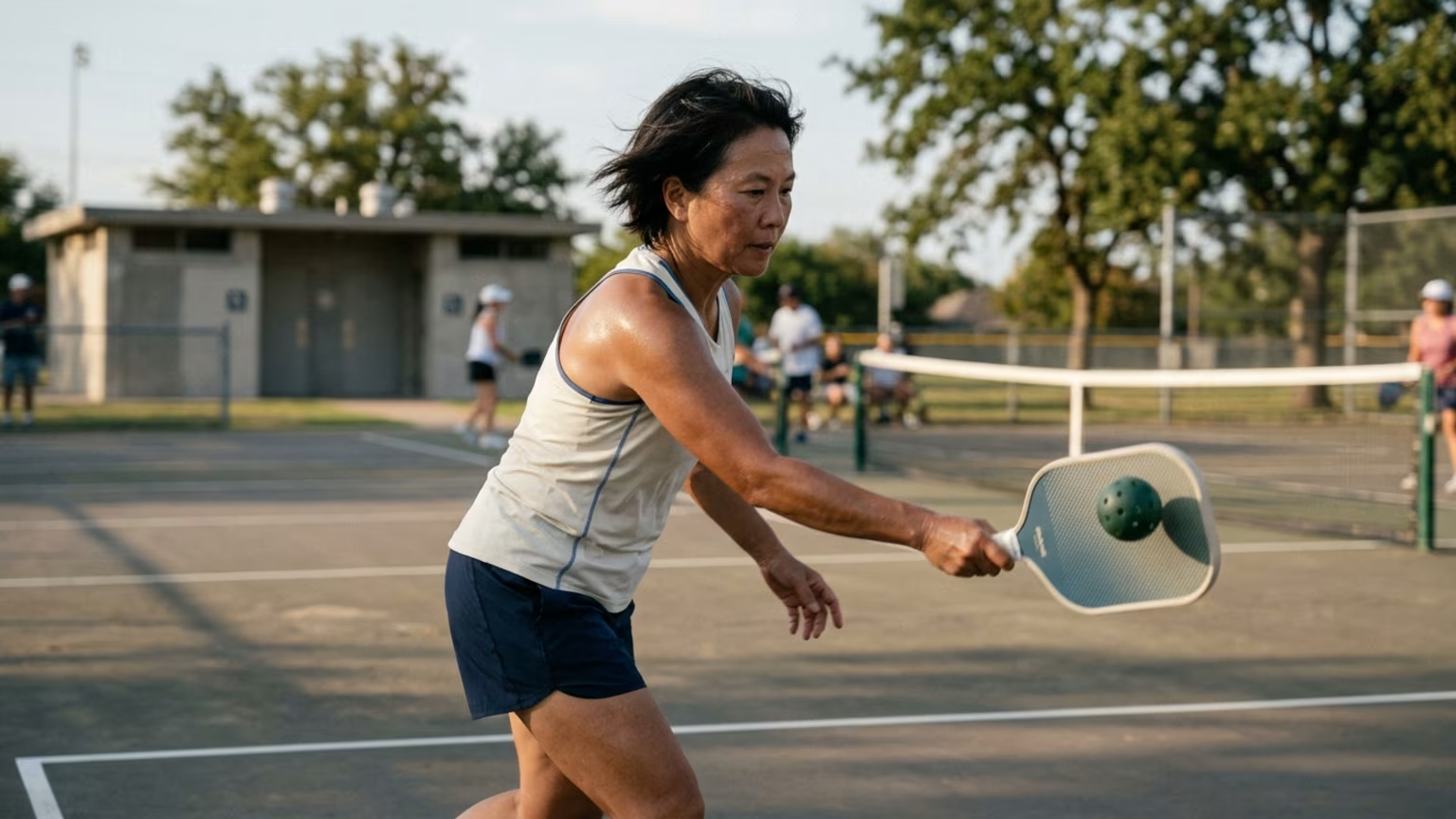
A recent live-play test of a silent pickleball highlights its value for practice, but standard balls still perform better for match play and power control.

An evidence check on sports supplements like tart cherry juice. Learn why racquet sports players should prioritize core nutrition over functional foods.
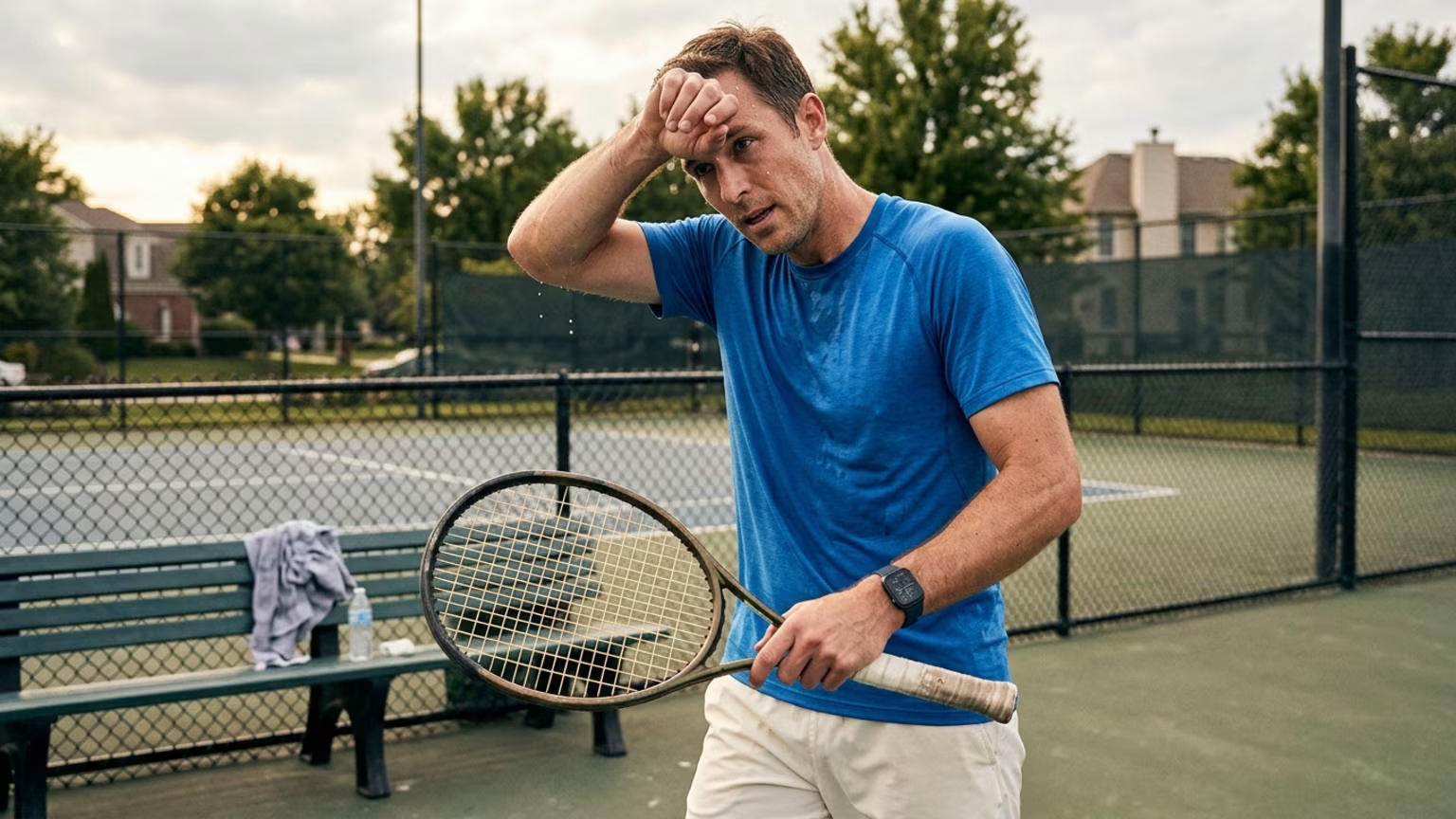
In late 2026, Oura analyzed wearable data to see how recreational tennis impacts heart health and recovery. Learn what this means for your athletic longevity.
Read practical guidance for better movement, smarter preparation and a game that keeps working for you.
explore the Blog
