

CNN recently shared a four-step warm-up formula for racquet sports. Learn how a six to 16 minute dynamic sequence improves readiness and athletic longevity.




On September 24, 2026, CNN published a four-step warm-up formula to move better and avoid injury. The outlet updated the guide on September 25, 2026. This newly published framework outlines a sequence to ready the muscles and joints for dynamic movement. It specifically highlights tennis and pickleball players as athletes who need dedicated preparation.
The CNN article shares a flexible routine lasting anywhere from six to 16 minutes. The exact duration depends on the planned activity and how the player feels that day. The structure features four distinct phases designed to prepare the nervous system. Mobility coach Dana Santas serves as a primary source for the guidance.
The framework intentionally separates general tissue preparation from the actual physical exertion. Taking the time to breathe deeply signals the nervous system to relax tight muscles. Foam rolling during this phase targets specific areas that tend to tighten up during long periods of sitting. This gradual transition ensures players do not shock their bodies when stepping onto the court.
The first phase is to breathe and roll for two to three minutes. CNN recommends taking long deep breaths while foam rolling tight areas like the calves and glutes. The second phase involves raising your temperature for one to three minutes. Players can use brisk walking or marching in place to achieve this initial goal.
The third phase requires two to six minutes to mobilize and activate. This step uses dynamic movements spanning squatting, pushing, pulling, and rotating. It also incorporates balance work where appropriate. The final phase dedicates one to five minutes to rehearse what comes next.
This final rehearsal phase should closely mimic the demands of the upcoming sport. For tennis and pickleball players, CNN specifically recommends controlled rotational swings. The article also suggests practicing lateral shuffles and split steps. These movements prepare athletes for the rapid directional changes required on the court.
A separate pickleball-specific instructional article recommends a similar gradual increase in physical activity. It suggests easy movements such as jumping jacks or side-to-side shuffles to raise the heart rate. Players can then progress to multi-joint lunges and match-like movement rehearsal. These practical steps align closely with the CNN framework for gradual athletic preparation.
Professional matches follow predictable schedules that allow for comprehensive physical preparation. Adult recreational players frequently rush from the office straight to a reserved court. This time pressure often tempts players to skip the vital transition period entirely. Implementing a routine lasting six to 16 minutes creates a practical middle ground.
Racquet sports demand sudden acceleration and lateral stability that general fitness routines ignore. In our experience, skipping this targeted preparation carries immediate physical consequences for adult athletes. Our team knows this reality firsthand from early days on the court. "When I first started playing pickleball, I noticed how many people skipped warming up entirely."
"They would jump straight out of their cars and right up to the kitchen line. I tried doing that and immediately pulled a calf muscle. Pickleball requires just as much explosive lateral movement as tennis, just in a tighter space." Cold muscles simply cannot support these rapid adjustments safely.
"Since then, I always spend five minutes doing dynamic lunges and ankle rolls. It changes everything about how confident I feel pushing off the baseline." This personal realization highlights why generic stretching falls short for racquet athletes. A rigid routine is rarely practical for busy adults arriving late to the club.
The recreational reality means a rigid pre match routine is rarely realistic. CNN notes that individuals should adapt their warm-up based on personal needs. Players returning from time away might require a more gradual progression. The goal is to finish feeling warmer and better coordinated rather than fatigued.
The shift from static to dynamic preparation is a crucial adjustment for adult athletes. Modern sports science emphasizes moving joints through their active range of motion instead of holding stretches. This approach lengthens muscles while keeping the nervous system alert for competition. It helps adults build consistent movement habits that support athletic longevity.
This dynamic approach also builds crucial joint resilience for older adults participating in racquet sports. Ligaments and tendons require adequate blood flow to handle the stress of sudden stops. Jumping straight into a baseline rally without this preparation significantly increases physical risk. Building a reliable routine helps players manage these natural physical demands gracefully.
Recreational athletes face unique environmental and physical challenges compared to professionals. A weekend player competing in cool weather might need extra time to raise their core temperature. Older adults might require additional focus on the balance and stabilization elements of the sequence. Customizing the routine ensures the body is ready for sudden directional changes safely.
A separate clinical-oriented article shares similar player health guidance for recreational participants. The authors recommend brisk walking and hip rotations before hitting the first ball. They point out that controlled leg swings and ankle circles are helpful starting points. These dynamic actions replace outdated habits and properly prime the body for play.
It is vital to follow clinical guidance when managing existing physical limitations. Players dealing with pain should consult a physical therapist before adopting new routines. CNN cautions individuals to stay within comfortable limits and avoid treating the warm-up as a maximum test. The objective is careful preparation rather than unnecessary exhaustion.
CNN explicitly advises against using long-held static stretching to prepare for dynamic sports. The article cites a 2024 systematic review and meta-analysis on the subject. This review associated static stretches lasting 60 seconds or longer with significant strength deficits. Santas notes that she does not include stretches held for more than 30 seconds in athlete warm-ups.
While static stretching remains valuable for recovery, it should not precede explosive activity. Holding stretches for extended periods can actively hinder performance on the tennis or pickleball court. The 2024 review provides a clear warning for amateur players who rely on outdated routines. Shifting away from these static holds protects muscle power when it matters most.
The CNN guidance leans heavily on dynamic mobility and targeted tissue preparation. The article cites a 2020 systematic review of 49 studies concerning foam rolling. The review found that foam rolling can reduce perceived muscle stiffness and improve range of motion. Crucially, it achieves these physical benefits without negatively affecting athletic performance.
The statistical findings highlight a clear divide between historical coaching and modern sports science. Many amateur players still follow outdated stretching protocols learned decades ago. The 49 studies on foam rolling demonstrate that targeted tissue work offers superior functional benefits. This evidence encourages adult players to update their physical habits based on modern research.
Raising body temperature also carries specific athletic benefits according to recent exercise science. CNN cites a 2025 systematic review and meta-analysis on muscle temperature. This review found that raising muscle temperature enhances rapid force production and muscle power. Enhanced rapid force production is essential for a successful split step or baseline sprint.
Looking ahead to the upcoming season, expect pre match routines to become increasingly sport-specific. Club coaching programs are beginning to replace static stretching lines with dynamic movement drills. As more players understand the link between muscle temperature and performance, generic routines will slowly disappear. Adult leagues will likely start incorporating dedicated preparation windows into their court booking systems.
Facilities may soon add designated mobility zones near the courts. This allows players to complete their routine before their allotted match time officially begins. The emphasis on targeted rehearsal will fundamentally reshape how players approach casual match play. Athletes will focus heavily on rotational swings and coordinated split steps to prime their nervous systems.
This focused preparation strategy helps adult participants maintain their physical capabilities longer. Players who adopt these practical frameworks will perform better during the crucial early games of a match. More importantly, this proactive approach supports their ability to keep enjoying racquet sports for years to come. Court readiness is moving away from generic fitness toward precise athletic preparation.
Follow Evercourts for practical insights on tennis, pickleball and padel performance, movement, recovery and healthy ageing. Stay connected for new articles, research-led guidance and ideas to help you play well and keep playing for years.


An evidence check on sports supplements like tart cherry juice. Learn why racquet sports players should prioritize core nutrition over functional foods.
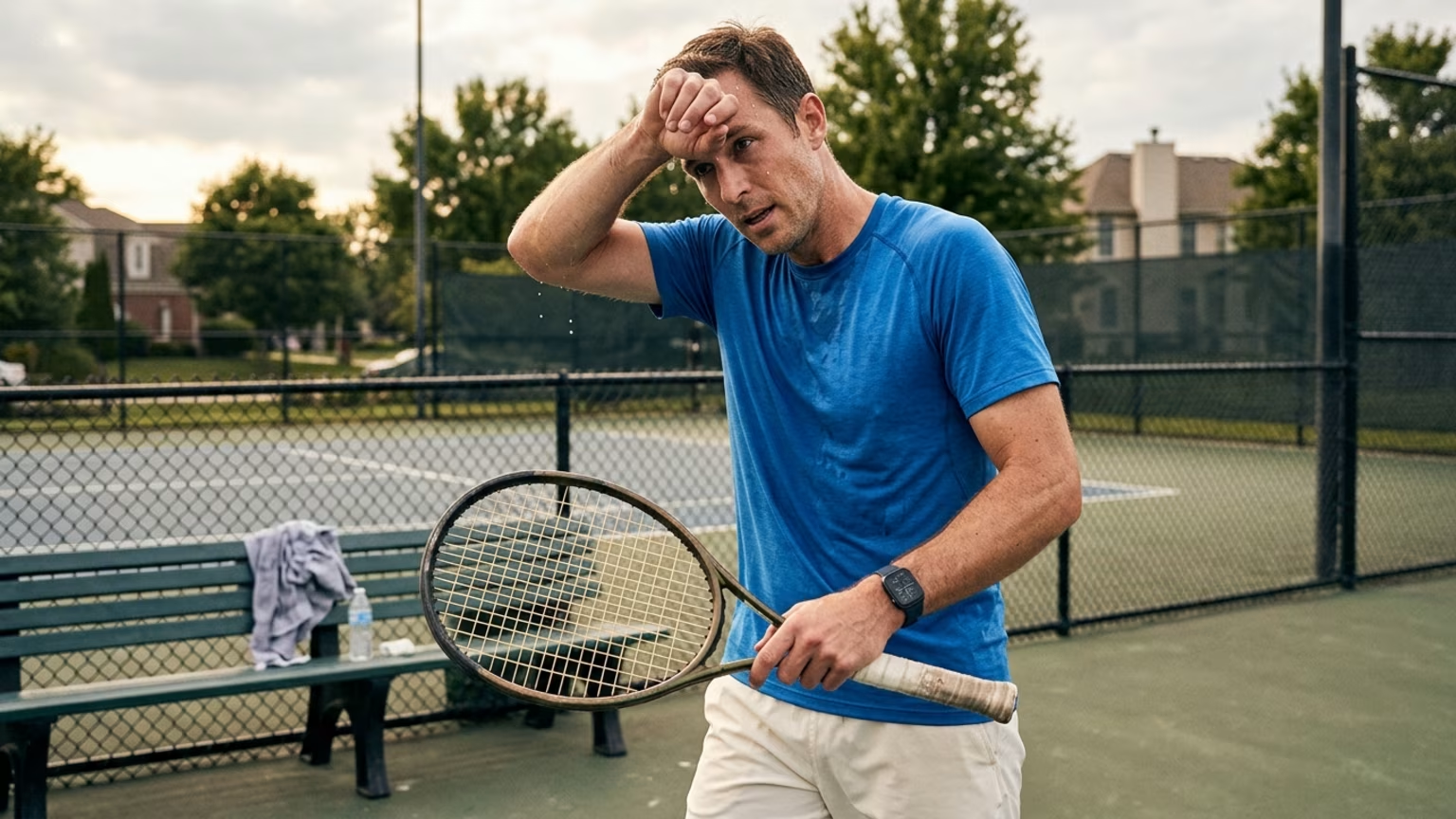
In late 2026, Oura analyzed wearable data to see how recreational tennis impacts heart health and recovery. Learn what this means for your athletic longevity.
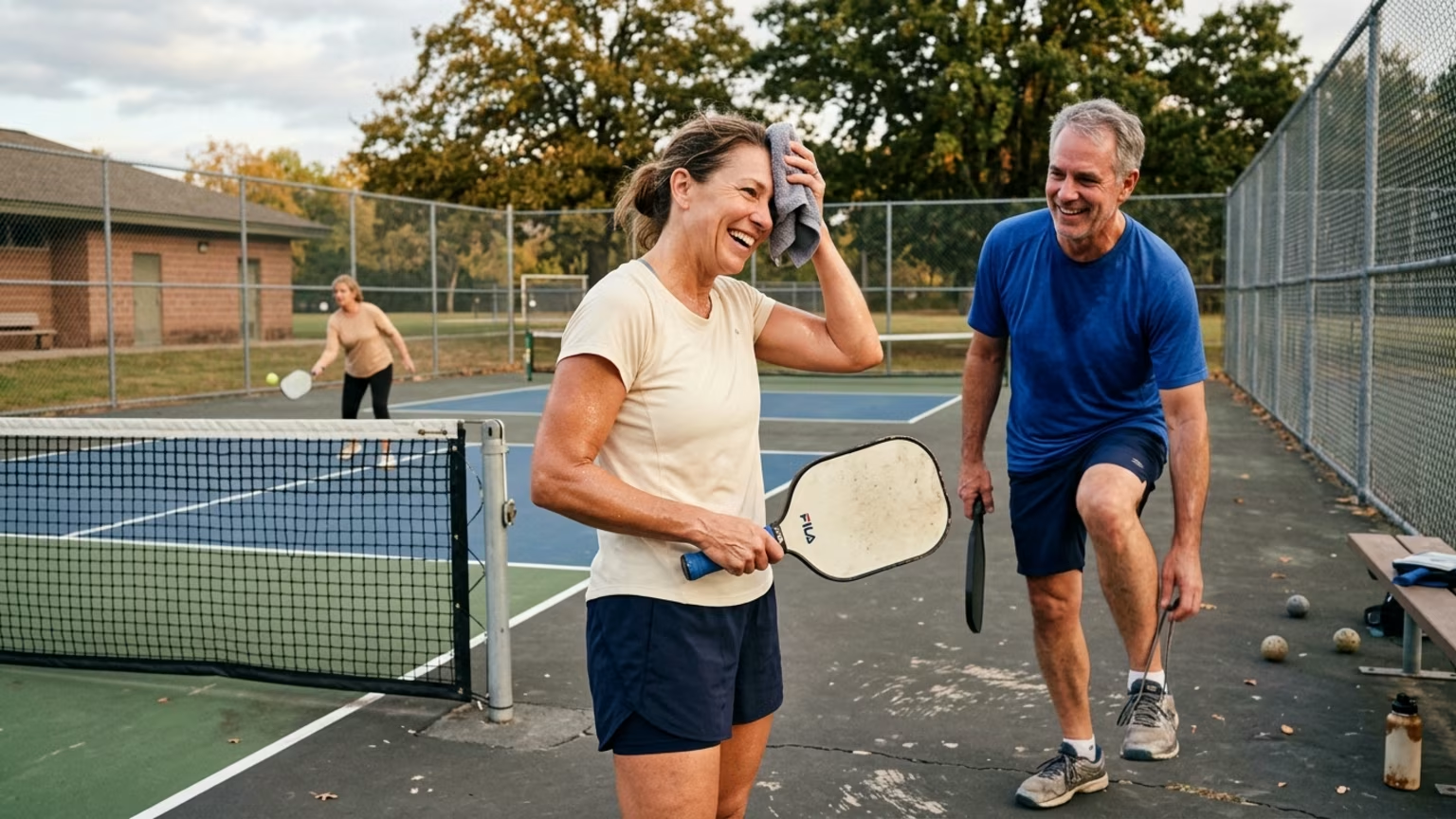
Recent guidelines emphasize gradual progression, dynamic warm-ups, and scheduled recovery to help adult racquet sports players maintain athletic longevity.
Read practical guidance for better movement, smarter preparation and a game that keeps working for you.
explore the Blog
