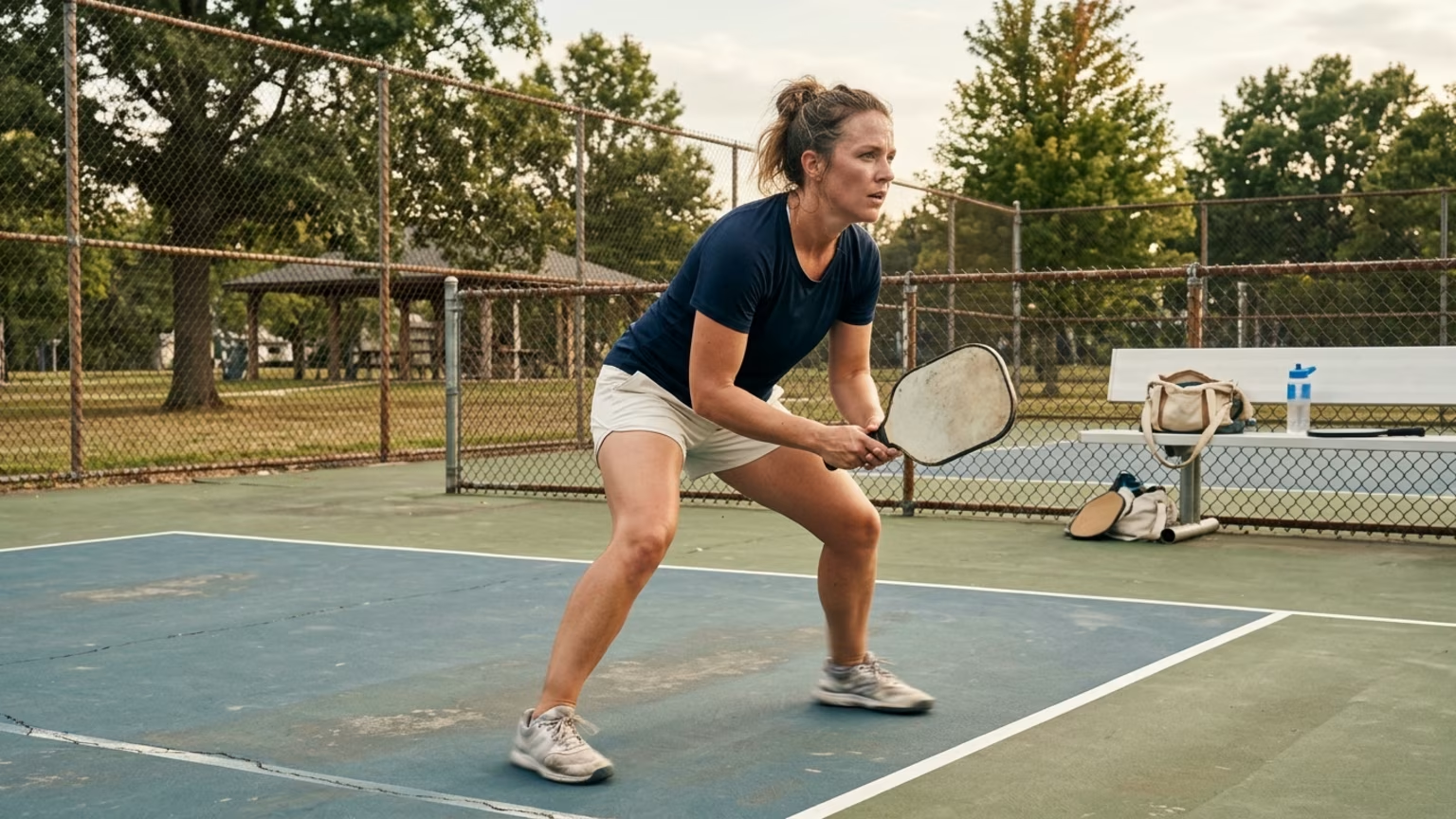

Understand court movement beyond speed, from controlled arrival to purposeful recovery, with coaching examples and clear limits on the research.




Court movement is the linked process of getting to the ball, organizing your body for the shot and moving into position for the next reply. An early burst of speed matters, but reaching the ball does not complete the task. Arrival and the next response belong to the same sequence.
A tennis-coaching framework describes that sequence as response and acceleration, braking, transition into the shot and re-acceleration into recovery. It provides a useful way to look beyond the first few steps.
That framing changes what counts as a complete practice repetition. The finish is not simply getting a racquet on the ball. It includes moving out of the shot and preparing for what follows.
Here, recovery means repositioning during a point. It is different from rest between sessions.
Applying this framework to tennis, pickleball and padel shifts attention toward repeated short efforts and changes of direction. The movement problem is not just producing an explosive start. It is connecting that start to braking and a shot before responding again.
The following examples are coaching illustrations of that task, rather than tested sport-specific training protocols.
A ball played from a wide position creates linked questions: how to arrive for contact and where to move afterward. Returning automatically to the middle does not account for the opponent’s options.
A tennis fundamentals guide recommends choosing a recovery position according to the likely reply rather than the court’s geometric center. It describes shuffle steps for shorter recoveries and crossover steps for longer ones. These are situational choices, not fixed rules for every point.
As a coaching illustration, a pickleball exercise can pair movement toward a feed with a controlled shot and a response to the next ball. The question is not only whether the player reaches the first feed quickly. It is whether that arrival leaves them ready to move again.
Ending every repetition at contact leaves the recovery part of the task unexamined.
A padel illustration might involve a short approach followed by a change of direction for the next reply. The first arrival is only part of the exercise. Including the movement after the shot keeps attention on the exchange rather than an isolated dash.
The shared coaching idea is continuity. It does not require treating the movement demands of all three sports as identical.
The strongest research in this source set concerns racket-sport interventions in older adults, not a trial of the complete movement sequence.
A 2026 systematic review and network meta-analysis in European Review of Aging and Physical Activity examined interventions in adults aged 60 and older. It included 13 trials, with 10 randomized trials and 469 participants in the primary analysis. The evidence was concentrated in table tennis. Tennis evidence came from one trial of 16 men.
The authors said the evidence was insufficient to draw firm conclusions about tennis or determine whether one racket sport was superior. They called for adequately powered head-to-head trials.
The movement framework has a different evidential status: it is coaching advice rather than a universally validated program. The approved sources do not establish a movement-sequence prescription for recreational pickleball or padel. Nor do they establish that practising this sequence prevents injury. Those boundaries leave room for useful practice without turning coaching ideas into medical promises.
Separately, tennis coaching guidance on speed and agility distinguishes following a planned route from responding to a changing cue or ball. The coaching sources recommend progressing from planned movement toward partner cues and ball feeds.
That distinction matters when choosing an exercise. A rehearsed route gives the destination in advance; a changing cue adds a decision. Our guide to reading the play before moving considers that perceptual side of court movement.
For adult players, this framework offers a more complete description of what they want to maintain: responding to the ball, reaching it, playing under control and being available for the next shot. It makes the practice goal broader than a fast start or a quick time through markers.
The practical interpretation is gradual, controlled practice that retains the whole task. The sources do not supply a training dose, so there is no evidence-based reason here to attach a universal repetition count or speed target.
A coach can use the framework to organize practice around connected tasks:
These are ways of organizing a coaching task, not instructions to push through personal limits. They fit a broader view of footwork as a connected court skill rather than a collection of fast steps.
For healthy aging, the useful shift is in what receives attention. A player can value a well-organized arrival and a purposeful recovery alongside speed. That keeps practice connected to the activity they want to continue enjoying: playing a point with another response still available.
When pain or a health concern is shaping movement, choosing another drill is not a substitute for individual assessment. Reasons to consult a qualified physiotherapist or healthcare provider include recurring discomfort, movement that feels unexpectedly difficult to control or uncertainty about returning after an injury.
Those concerns deserve a personal discussion rather than an assumption that the answer is more footwork practice. A coach can help organize the sporting task. A healthcare professional is the appropriate person for individual health decisions.
Good court movement does not end when the ball leaves the strings. It leaves space for the next move.
Follow Evercourts for practical insights on tennis, pickleball and padel performance, movement, recovery and healthy ageing. Stay connected for new articles, research-led guidance and ideas to help you play well and keep playing for years.


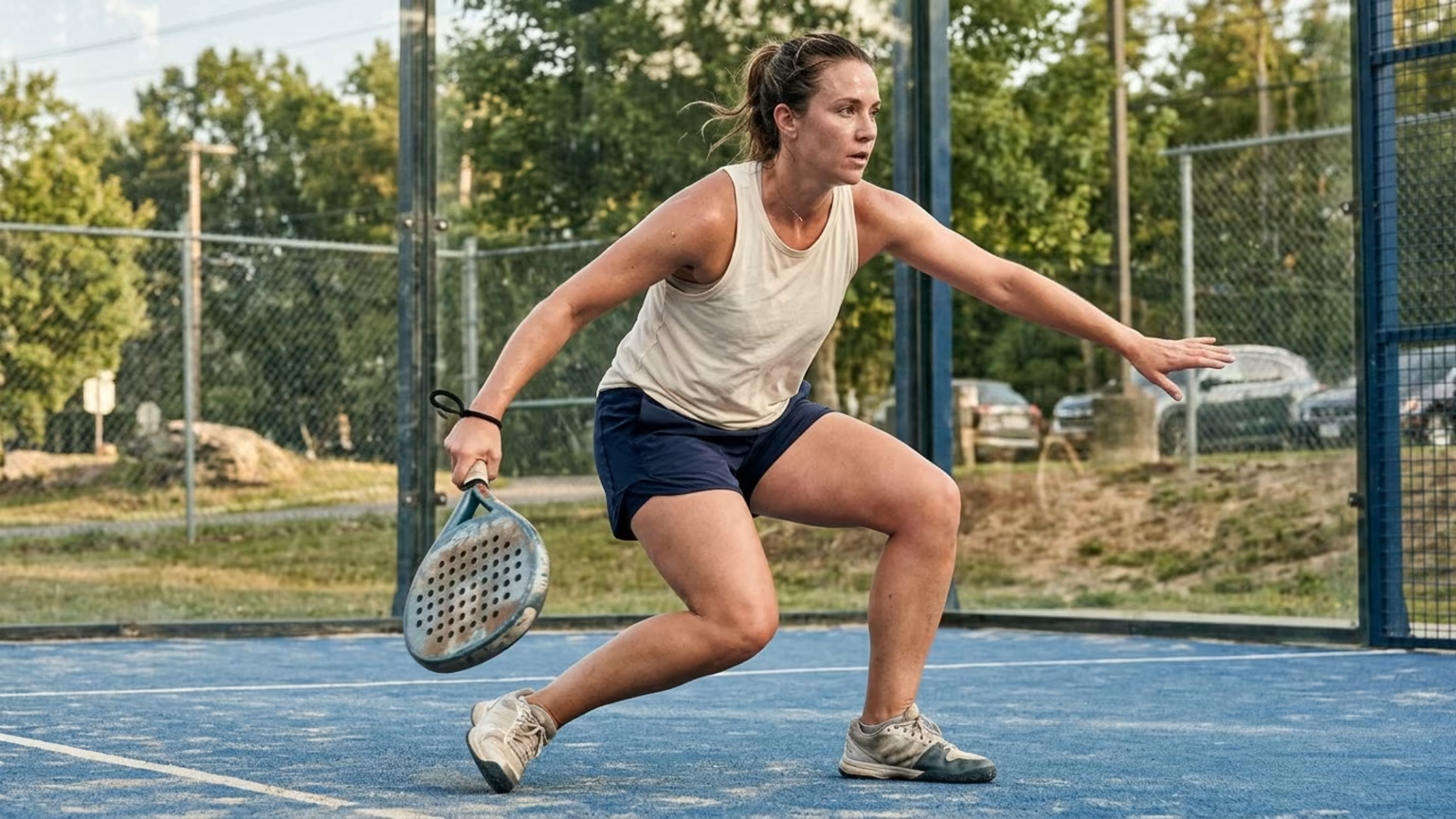
A practical padel strength and balance framework built around controlled movement, supported options and gradual returns after a break.
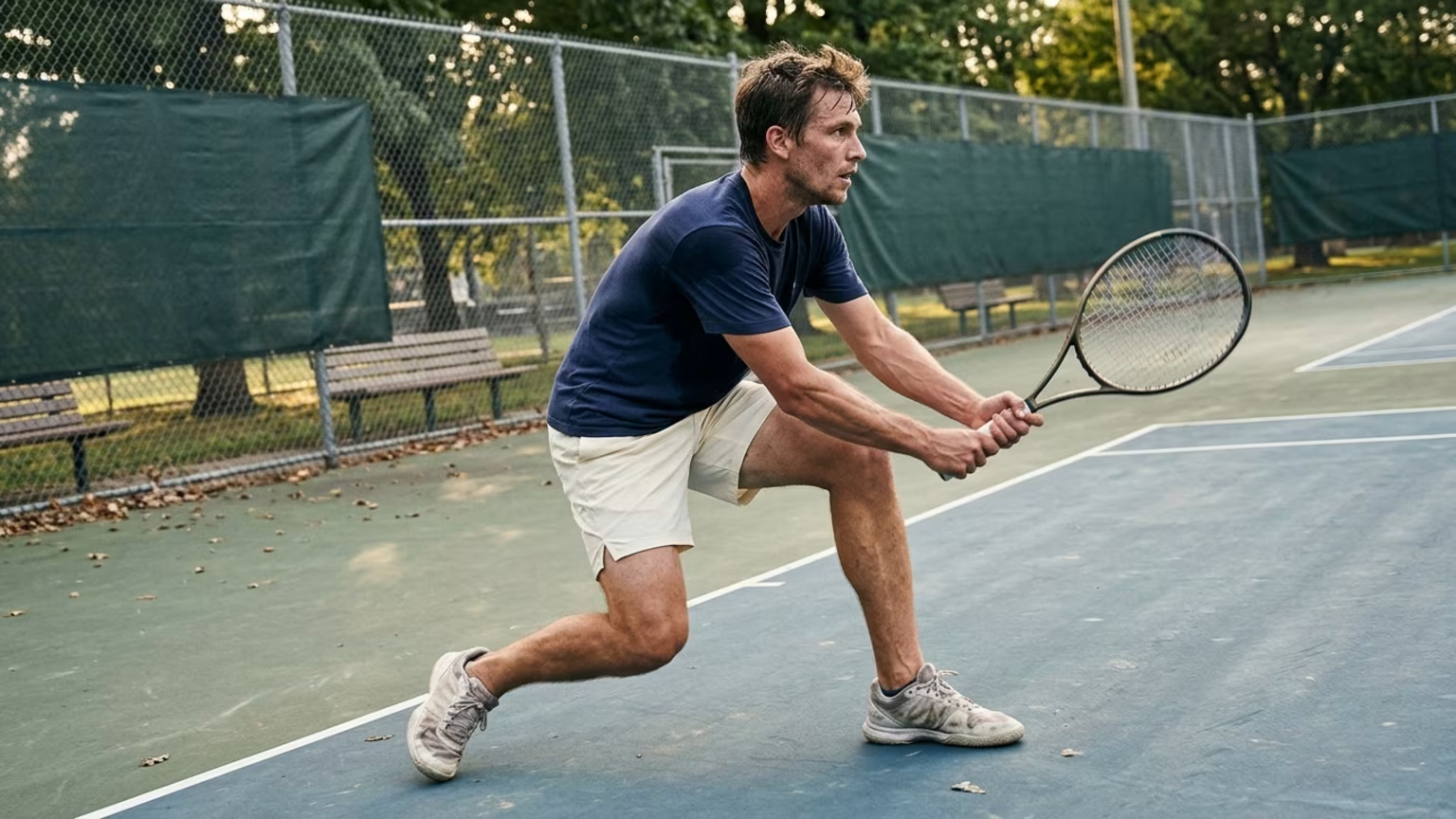
Understand deceleration in tennis, the research on braking strength, and how controlled movement practice fits long-term court preparation.
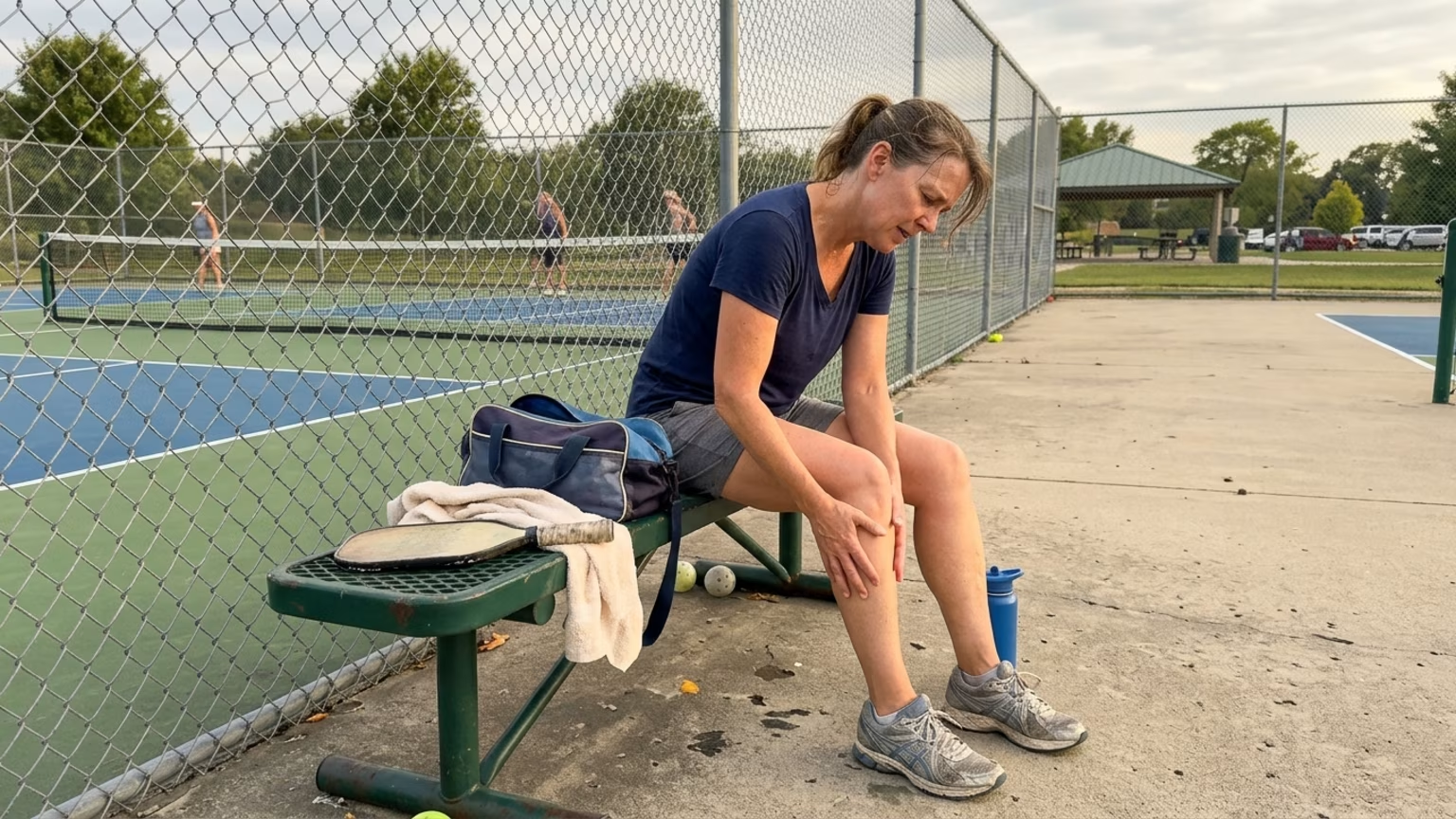
Four practical answers on post-play soreness, warm-up decisions, recurring pain and warning signs for tennis, padel and pickleball players.
Read practical guidance for better movement, smarter preparation and a game that keeps working for you.
explore the Blog
