

Compare sport-labeled and court-matched shoes using surface, movement, personal fit and practical wear checks for tennis, pickleball and padel.




A sport-labeled court shoe is presented for a particular game. That gives players a useful place to begin shopping. The problem comes when the sport name becomes the only selection criterion.
A specialist tennis-shoe guide emphasizes lateral movement, stopping and changes of direction. A pickleball buying guide likewise describes tennis shoes as a reasonable pickleball option because both shoe categories have lateral support in mind.
Those shared demands matter more than a simple tennis-versus-pickleball distinction. The practical question is how the particular shoe accommodates your court movement, rather than whether its marketing names your sport.
This does not make sport-specific footwear irrelevant. It means the label should lead to more questions: Which surface is the outsole intended for? Does the heel remain secure? Does the foot stay supported over the sole during side steps?
These recommendations are specialist selection guidance rather than head-to-head proof of one shoe category's superiority. Footwear cannot guarantee injury protection, and the fit and wear checks below are not validated safety tests. The guidance also does not establish a universal replacement interval.
A court-matched shoe is a court shoe assessed against the conditions in which it will be used. It may be the same model that first caught your attention because of its sport label. The difference is how the choice is made.
Start with the court and movement demands. Then assess the particular pair on your own feet. This separates a potentially suitable design from a suitable fit.
The specialist tennis guide recommends checking the shoe's stated surface use. It notes that a hard-court outsole may not suit clay. It also cautions that excessive grip can interfere with controlled sliding, so more grip is not automatically the better match.
That makes surface compatibility a more useful question than whether a sole simply feels grippy. Evercourts' guide to matching footwear to playing conditions provides further context for that decision.
The tennis guide recommends a practical fitting sequence:
The same guide treats pinching, slipping inside the shoe or obvious rolling as reasons to try another size or model.
The useful outcome is not a completed checklist. It is a clearer judgment about that pair. A shoe can have the intended surface designation and still be a poor personal fit.
Comfort and security belong in the same decision. Neither should be assumed from the model name or from how the shoe fits another player.
The court-matched approach works across all three sports because it asks about actual use. What changes is the movement and surface information behind the decision.
For the explosive demands of tennis, the practical priority is assessing the shoe during the lateral movements described in the tennis guide. A secure heel and a foot that stays over the sole are more useful observations than a reassuring product category.
Surface choice remains part of that assessment. A shoe selected for hard-court play should not be assumed to provide the same match on clay. The intended outsole use deserves a separate check.
Pickleball's stop-start play makes the shared lateral-support features described by the pickleball guide relevant. That supports considering a tennis shoe alongside a pickleball-labeled model. It does not turn either label into the automatic winner.
The practical comparison is between the actual pairs: their stated court use and how each feels during controlled movement. Broader playing context also matters when comparing movement across singles and doubles, rather than treating every session as the same equipment decision.
For padel's multidirectional movement, the venue's surface deserves particular attention. A specialist guide to padel footwear on artificial turf distinguishes sand-heavy conditions from more compact or worn turf.
Its practical recommendation is to ask the club about the turf and sand conditions before selecting an outsole. It also recommends trying shoes with padel movement in mind.
Here the sport label leaves an important question unanswered. Knowing that a shoe is sold for padel is not the same as knowing whether its outsole suits the court where you play.
Choosing well also includes reassessing the pair already in your bag. A padel footwear guide identifies play frequency, movement patterns and court abrasiveness as factors affecting shoe life.
Its replacement guidance centers on visible tread wear, reduced security and deteriorated cushioning. Those observations provide a simple inspection routine:
These are the guide's practical reasons to consider replacement. They keep the decision focused on the shoe's condition rather than assuming that every player's footwear follows the same calendar.
The distinction is useful when a familiar pair still feels comfortable but shows worn tread. Comfort is one part of the assessment, not the whole decision. Evercourts' broader guide to judging when court equipment needs replacing places footwear within that equipment-review context.
For Evercourts' mission of staying on court for life, the winner is the court-matched shoe rather than the label-only choice. It earns that verdict because the selection considers movement, surface compatibility and individual fit. Its condition remains part of the decision after purchase.
A tennis-labeled shoe may be the right pickleball option. A padel-labeled model may suit one venue better than another. A correctly designated outsole may still come in a shoe that pinches or slips on your foot.
The strongest choice brings those questions together. The sport label begins the search; the court match and personal fit decide the pair.
Follow Evercourts for practical insights on tennis, pickleball and padel performance, movement, recovery and healthy ageing. Stay connected for new articles, research-led guidance and ideas to help you play well and keep playing for years.


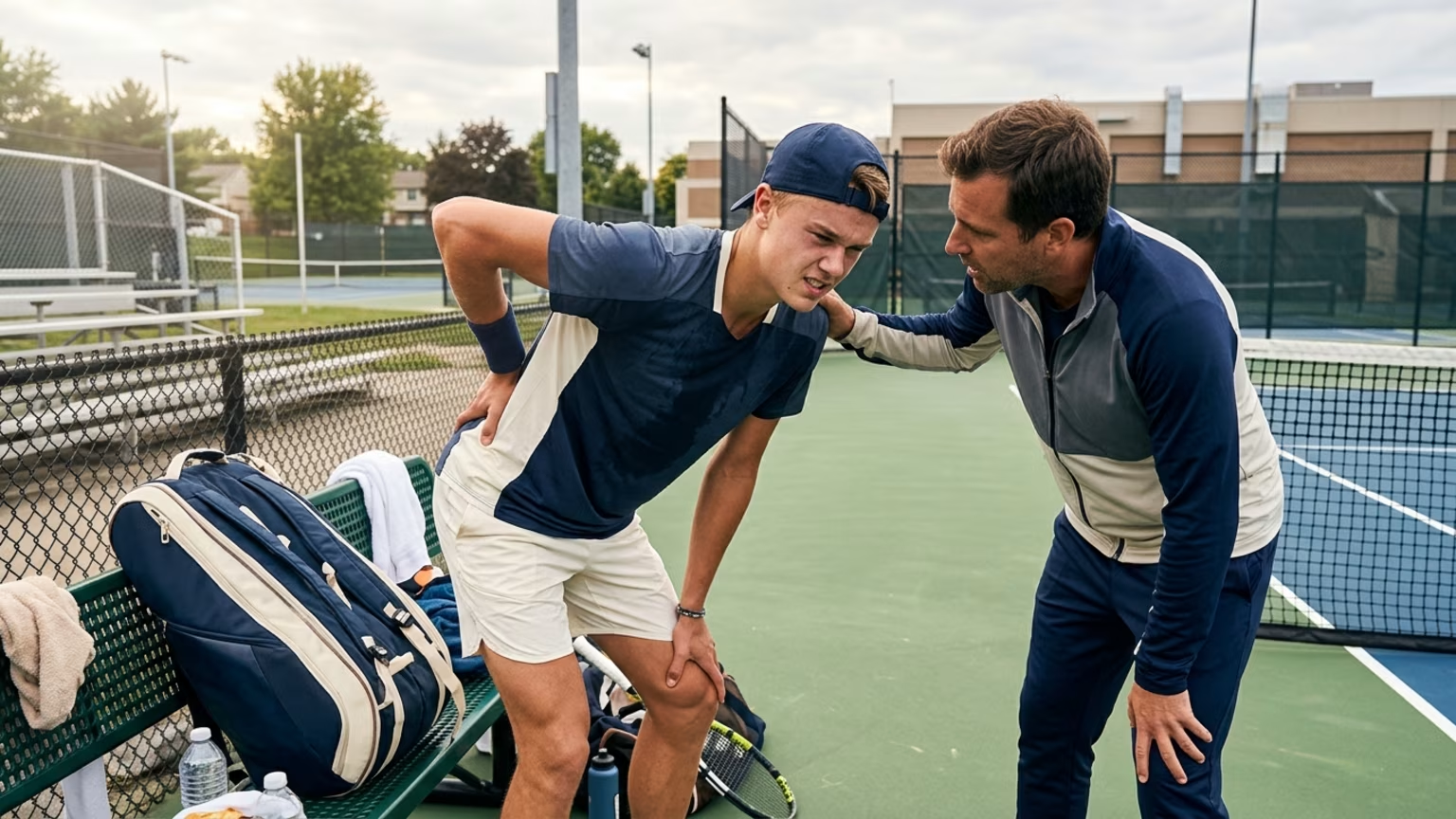
Holger Rune withdrew from the European Open with a back problem. The facts behind his decision and a grounded perspective for recreational players.

The Dink’s October 17 guide emphasizes deep returns, ball-height decisions and positioning against faster pickleball opponents.

A new report outlines padel and tennis gear trends. Learn how to assess adjustable rackets, sensor feedback and smart-court claims.
Read practical guidance for better movement, smarter preparation and a game that keeps working for you.
explore the Blog
