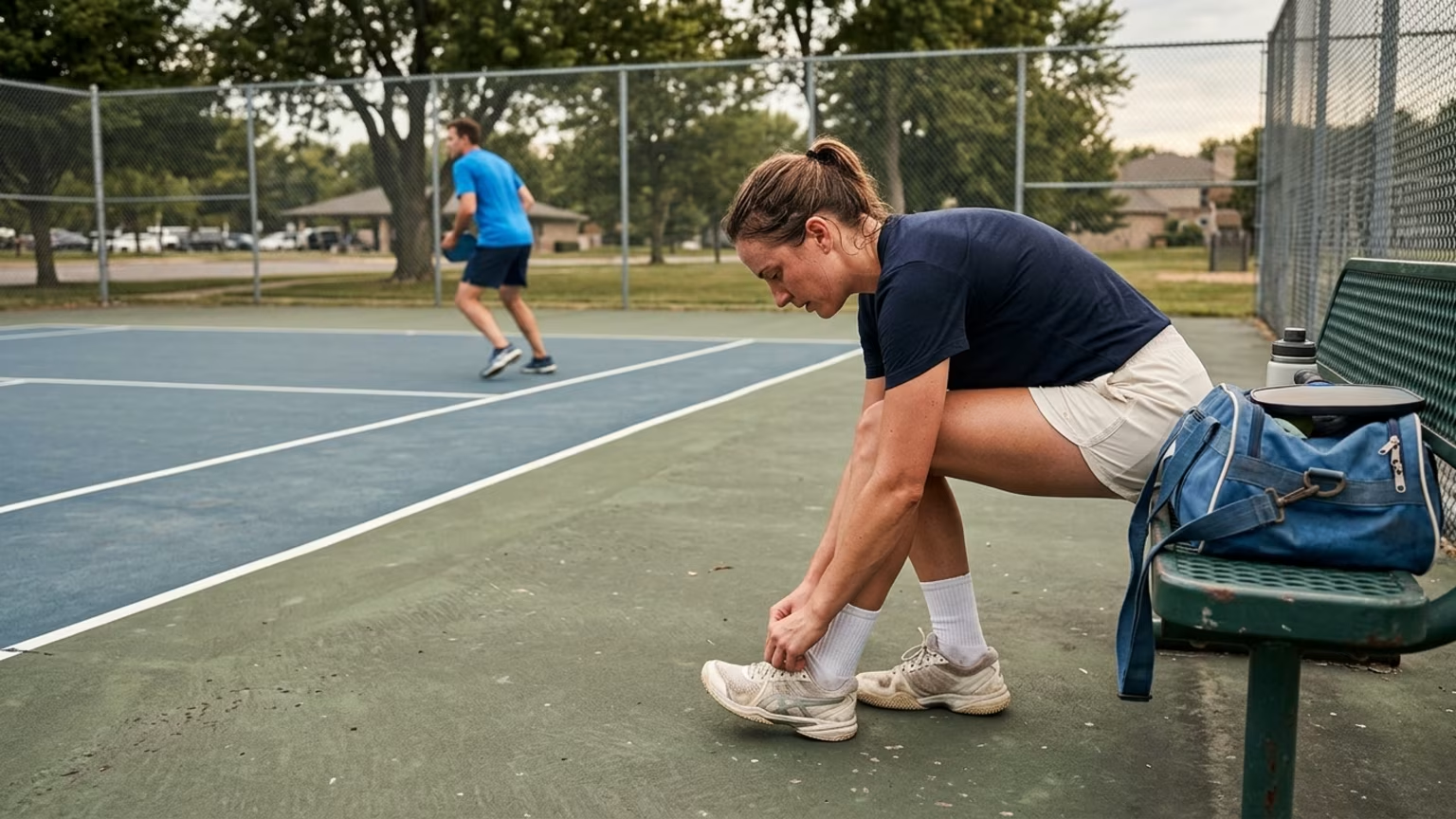

Learn how to choose racquet sports shoes based on your court surface and movement needs. Discover practical tests for fit, lateral support, and visible wear.




"How do I choose the right shoes to stay comfortable and stable on the court?" Start by identifying your exact playing surface and testing how securely a shoe holds your foot during lateral movement.
Many players try on footwear and judge it entirely by how soft it feels while standing still. A pickleball guide published by Naples Podiatrist notes that cushioning primarily affects underfoot feel. True support depends on the base, the upper, the heel fit, and how securely the shoe holds the foot in motion. You cannot evaluate these features simply by pressing your thumb into the foam.
Instead, you need to test how the materials respond to the specific movements of racquet sports. Naples Podiatrist recommends checking your heel hold during walking and controlled lateral movement. Find a safe space to shuffle sideways and stop gently. Pay close attention to what happens inside the shoe when you plant your foot.
Your foot should remain centered over the base of the shoe during a sideways shift. The guide published by a podiatrist explicitly recommends rejecting a shoe if your foot spills over the sole's edge during these movements. This practical test helps you find a pair that stabilizes your foot naturally. You should not have to rely on painfully tight laces to feel secure, and you must allow enough room for your toes.
Finding the right stability is a cornerstone of athletic longevity. If you want to learn more about protecting your joints, reading about choosing racquet sports shoes for injury prevention can offer helpful perspective. The goal is a confident connection to the court. A secure fit allows you to move efficiently and enjoy your time playing.
The playing surface is just as critical as the fit of the shoe itself. A shoe retailer's buying guide published by GearXPro Sports advises readers to identify the court and verify the specific outsole version. Choosing footwear based solely on an appealing color is a common mistake. You need a traction pattern designed to interact correctly with the ground beneath you. Courts vary widely across different facilities and regions.
Different surfaces require different balances of grip and release. For example, GearXPro Sports reports that Babolat makes a clear distinction for its padel footwear. The brand links a herringbone tread pattern to sand courts and an omni pattern to artificial grass. Asking your club about the exact surface installed can prevent costly footwear mistakes. Wearing the wrong tread can make movement feel sluggish or precarious.
If you are selecting a racquet sports club for athletic longevity, observe what surfaces they offer and ask management if they enforce any footwear restrictions. Some indoor venues prohibit certain soles to protect their courts. Knowing these details before you shop ensures you buy a shoe that performs well and meets facility rules. It also saves you the frustration of arriving for a match with unapproved gear.
The short answer depends heavily on where you play those sports. While the lateral movements share similarities, the environments often dictate different footwear needs. A hard court requires durable outsoles that withstand high friction. Artificial grass or indoor synthetic courts demand specific traction to allow safe pivoting. You cannot assume that one generic court shoe will handle every environment perfectly.
GearXPro Sports emphasizes that padel venues use various surfaces, so the label "padel shoe" alone might not guarantee a match for your local court. You must verify the intended use of the exact outsole. A tread meant for outdoor hard court tennis might feel overly grippy or dangerously slippery on indoor padel turf. Reading the manufacturer description carefully helps clarify what the sole is built to do.
Before making a purchase, ask the retailer how a specific model balances grip and release. You want enough traction to accelerate but enough freedom to rotate safely. Testing the shoe cautiously on your actual court is the best way to ensure it matches your specific movement patterns. Preparing your body properly includes equipping it with the right tools for the environment. Smooth pivoting is essential for maintaining comfort during long rallies.
If you regularly switch between sports, you might need a dedicated pair for different environments. Bringing an outdoor hard court shoe onto an indoor artificial surface changes your movement mechanics. Reviewing how court surfaces change racquet sports strategy and preparation can help you understand these subtle shifts. Adapting your gear to the court helps you perform consistently.
Even the highest quality footwear eventually loses its structural integrity and traction. There is no universal calendar rule for footwear replacement. Instead of guessing based on months owned, you should monitor visible wear patterns and pay attention to how the shoe feels during play. A padel shoe article from PadelBrowser suggests looking directly at the pivot zones on the forefoot. These areas typically show the most severe signs of degradation.
You can evaluate wear by comparing those heavily contacted pivot zones with less contacted areas of the same outsole. If the tread in the forefoot looks completely smooth, your traction will be compromised. You might also notice that your footing feels less reliable when changing directions quickly. A shoe that once felt secure might suddenly feel unstable as the structural materials fatigue.
It is helpful to keep a routine check of your equipment throughout the season. Deciding when you should replace your racquet sports gear relies on observation rather than strict deadlines. Inspect the upper for tears, check the midsole for extreme compression, and ensure the tread still provides safe grip. Replacing worn shoes promptly is a practical way to support your physical well being.
Finding the right footwear is a quiet but vital step in supporting your physical capabilities over time. When your shoes properly match your playing surface and foot mechanics, your mind is free to simply focus on the joy of the game.
Follow Evercourts for practical insights on tennis, pickleball and padel performance, movement, recovery and healthy ageing. Stay connected for new articles, research-led guidance and ideas to help you play well and keep playing for years.


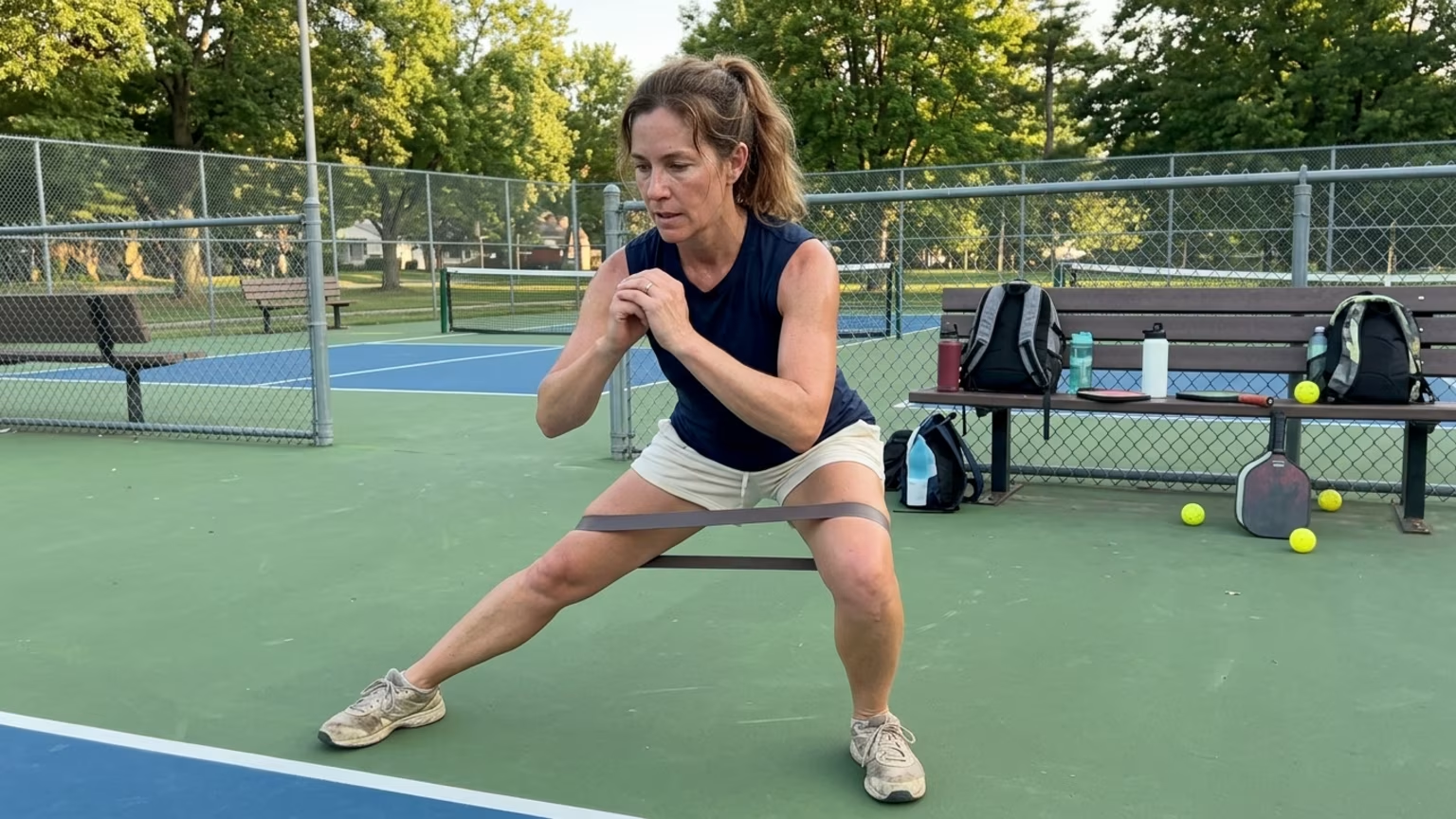
Learn how targeted lower-body strength and balance exercises can support your movement in pickleball and promote athletic longevity on the court.
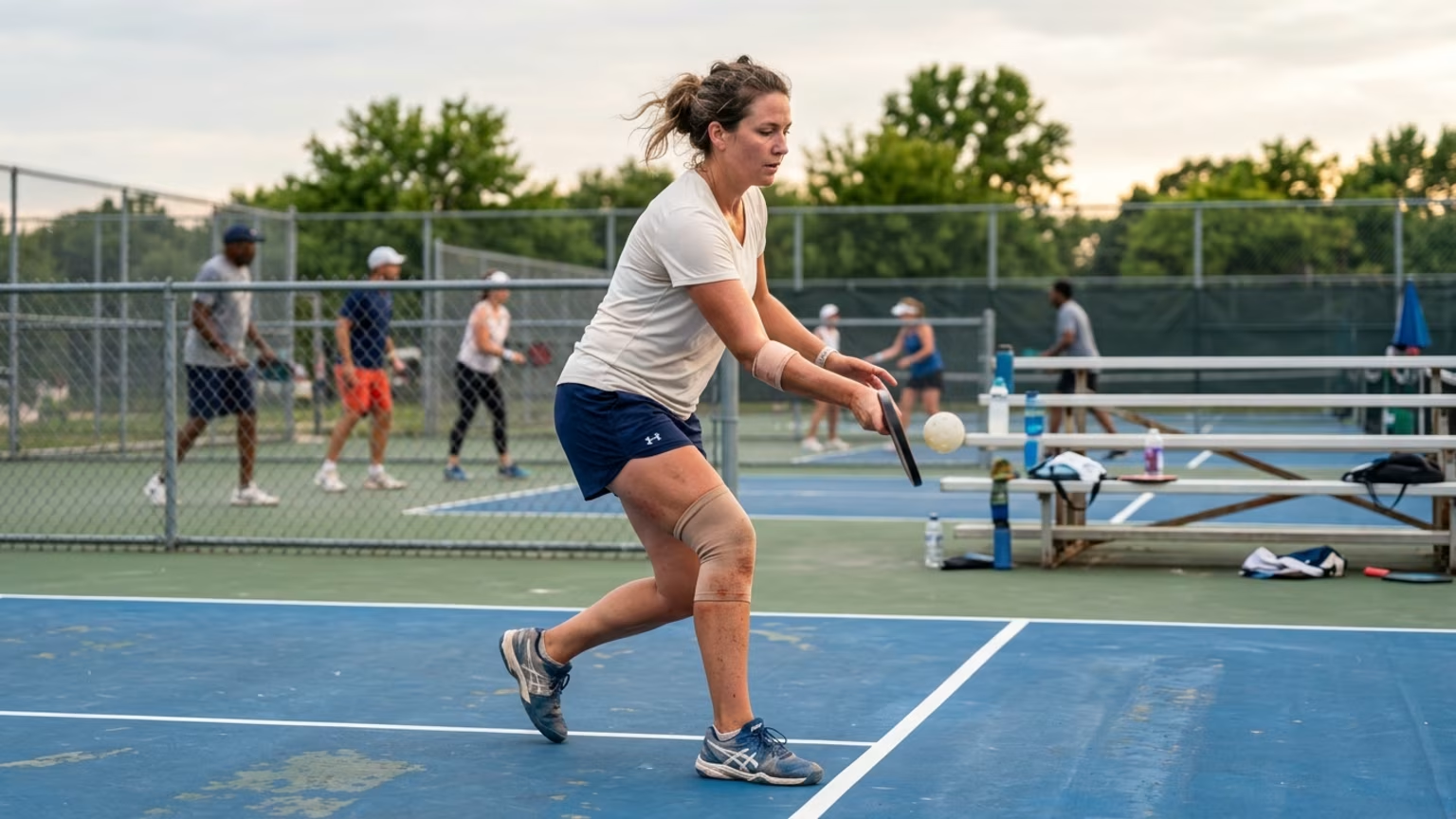
The Yeongnam Sports Medicine Research Society reviewed training-load limits and tissue adaptation. Learn how adult racquet players can safely return to play.

Learn why racquet sports demand specialized strength and how to build a practical, movement-based foundation to support your athletic longevity on the court.
Read practical guidance for better movement, smarter preparation and a game that keeps working for you.
explore the Blog
